
Housing Resources
Finding affordable housing in New York City can be challenging, but there are programs and resources designed to help individuals and families secure stable housing, reduce rent costs, avoid eviction, and access rental assistance. Affordability.NYC connects New Yorkers to information about affordable apartments, housing voucher programs, public housing, tenant protections, homelessness prevention programs, and emergency rental assistance resources throughout the five boroughs.
This Housing Resources page serves as a starting point for understanding many of the major housing assistance programs available in New York City. Each section below includes a summary of the program along with a link to a dedicated Affordability.NYC resource page with more detailed information, eligibility guidelines, application steps, frequently asked questions, and official program resources.
Affordable Housing Programs in NYC
NYC Housing Lottery Program
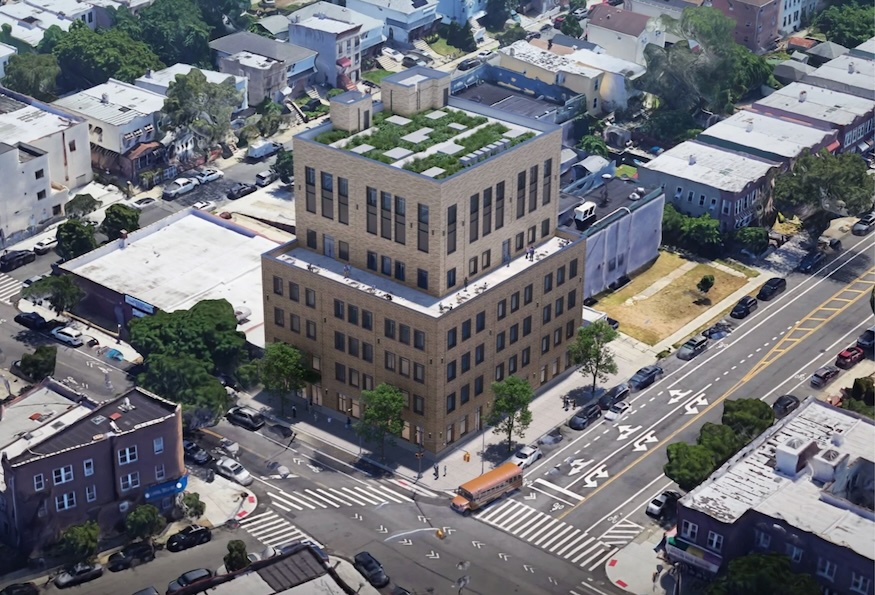
The NYC Housing Lottery gives eligible New Yorkers the opportunity to apply for affordable apartments in newly constructed and existing buildings across the city through the Housing Connect system. These apartments are offered at below-market rents and are available to households within certain income ranges based on family size and annual income.
Housing lotteries are one of the primary ways many New Yorkers access affordable apartments in neighborhoods throughout Brooklyn, Queens, Manhattan, the Bronx, and Staten Island. Some developments include studios, one-bedroom, two-bedroom, and family-sized apartments with amenities such as laundry rooms, fitness centers, community spaces, and accessible units for seniors and people with disabilities.
Many residents apply to multiple lotteries before being selected, and understanding the application process, required documents, and income qualifications can improve a household’s chances of success.
Learn More: NYC Housing Lotteries Guide
Section 8 Housing Choice Voucher Program
The Section 8 Housing Choice Voucher Program is a federally funded rental assistance program that helps low-income households afford housing in privately owned apartments. Approved participants generally contribute a portion of their income toward rent while the voucher program covers the remaining amount up to approved limits.
Section 8 vouchers can help families, seniors, and individuals remain housed in neighborhoods that might otherwise be financially out of reach. The program is administered through public housing authorities and often involves waiting lists due to high demand.
Understanding how vouchers work, apartment eligibility requirements, portability rules, inspections, and lease agreements is important for applicants navigating the process. Because openings for Section 8 applications are limited and highly competitive, many New Yorkers monitor announcements closely when waiting lists reopen.
Learn More: Section 8 Program Guide
CityFHEPS Program
CityFHEPS is a New York City rental assistance program designed to help individuals and families experiencing homelessness or housing instability move into permanent housing. The program provides rental assistance that can help eligible households secure apartments and avoid extended shelter stays.
CityFHEPS is commonly used by families in shelters, individuals at risk of eviction, and households receiving assistance through homelessness prevention programs such as Homebase. Apartments must meet certain rent and inspection requirements before approval, and participants may need assistance navigating landlord paperwork, lease requirements, and housing searches.
The program has become an important housing stability tool for many New Yorkers struggling with rising rents and housing costs throughout the city.
Learn More: CityFHEPS Program Guide
NYCHA Public Housing
The New York City Housing Authority (NYCHA) provides affordable public housing to eligible low- and moderate-income residents throughout New York City. NYCHA developments house hundreds of thousands of New Yorkers and remain one of the largest affordable housing systems in the country.
Residents who qualify for NYCHA housing may gain access to below-market apartments, community programs, senior services, youth programs, and resident support resources. However, waiting lists for many developments can be long depending on apartment size, location, and demand.
Understanding the NYCHA application process, eligibility guidelines, resident responsibilities, and available services can help applicants better navigate the system and determine whether public housing may be an option for their household.
Learn More: NYCHA Housing Guide
Homebase Homelessness Prevention Program
Homebase is a homelessness prevention program that helps New Yorkers facing eviction, housing instability, or financial hardship remain housed and avoid entering the shelter system. Services are available through Homebase offices located throughout the five boroughs.
Depending on eligibility and household circumstances, Homebase may provide eviction prevention services, rental assistance, emergency housing support, benefits counseling, legal referrals, and case management. Many New Yorkers first learn about Homebase after receiving eviction notices or struggling to keep up with rent payments.
The program is designed to connect residents with resources before a housing crisis becomes more severe.
Learn More: Homebase Program Guide
Emergency Rental Assistance Resources
New Yorkers experiencing temporary financial hardship may qualify for emergency rental assistance through nonprofit organizations, community groups, charitable programs, and government initiatives. These resources are often designed to help residents avoid eviction, maintain housing stability, or recover from unexpected financial emergencies.
Rental assistance programs can vary depending on funding availability, borough, household income, and family circumstances. Some programs offer one-time emergency grants, while others provide ongoing support, legal assistance, or case management services.
Because many emergency programs change over time, residents are encouraged to stay informed about updated opportunities and local housing support resources.
Learn More: Rental Assistance Programs in NYC
Tenant Rights and Legal Assistance
New York City tenants have legal protections related to eviction, repairs, discrimination, lease agreements, rent increases, housing conditions, and landlord responsibilities. Understanding tenant rights can help residents protect themselves during housing disputes and navigate housing-related legal issues more effectively.
Free and low-cost legal assistance programs are available throughout New York City for qualifying tenants facing eviction or housing court proceedings. There are also organizations that assist with harassment complaints, repair issues, illegal lockouts, and discrimination concerns.
Knowing where to seek help and understanding basic tenant protections can make a major difference for households facing housing instability.
Learn More: Tenant Rights in NYC
Why Affordable Housing Matters
Rising rents and housing costs continue to impact individuals and families across New York City. Affordable housing programs and rental assistance resources help residents remain in their communities, avoid eviction, stabilize their finances, and access safer housing opportunities.
Understanding the programs that exist — and how they work — can help New Yorkers identify housing options and support resources that may fit their needs and circumstances.
Frequently Asked Questions
What is affordable housing in NYC?
Affordable housing generally refers to housing that is offered below market-rate prices and designed for households within specific income ranges.
How do I apply for affordable housing in NYC?
Affordable housing opportunities may be available through NYC Housing Connect, NYCHA, Section 8 programs, nonprofit organizations, and rental assistance programs.
Is affordable housing only for low-income households?
Not always. Some affordable housing programs serve very low-income households, while others are designed for moderate-income or middle-income residents depending on household size and earnings.
What is the difference between Section 8 and CityFHEPS?
Section 8 is a federally funded housing voucher program, while CityFHEPS is a New York City rental assistance program focused primarily on homelessness prevention and housing stability.
Can I apply for multiple housing programs at the same time?
Yes. Many New Yorkers apply for multiple housing programs, housing lotteries, and rental assistance opportunities simultaneously.
Are affordable housing opportunities available in every borough?
Yes. Affordable housing opportunities and assistance programs exist throughout Brooklyn, Queens, the Bronx, Manhattan, and Staten Island.
Related Housing Pages
- NYC Housing Lotteries Guide
- Section 8 Program Guide
- CityFHEPS Program Guide
- NYCHA Housing Guide
- Tenant Rights in NYC
- Rental Assistance Programs in NYC
- Homebase Program Guide