
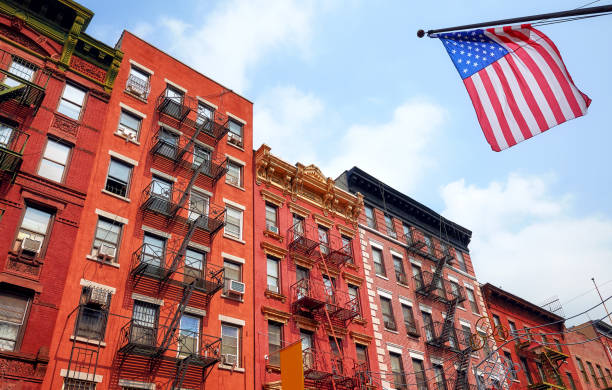
Tenant Rights and Legal Assistance in New York City
New York City tenants have legal protections related to eviction, repairs, discrimination, lease agreements, rent increases, housing conditions, and landlord responsibilities. Understanding tenant rights can help residents protect themselves during housing disputes and navigate housing-related legal issues more effectively.
Free and low-cost legal assistance programs are available throughout New York City for qualifying tenants facing eviction or housing court proceedings. There are also organizations that assist with harassment complaints, repair issues, illegal lockouts, and discrimination concerns.
Knowing where to seek help and understanding basic tenant protections can make a major difference for households facing housing instability.
This guide explains key tenant rights, available legal assistance programs, how to seek help, and where to find official resources in New York City.
What Are Tenant Rights in New York City?
Tenant rights are legal protections that govern the relationship between landlords and renters.
These rights help ensure that tenants have:
- Safe and habitable housing
- Protection from unlawful eviction
- Protection against discrimination
- Access to essential building services
- Fair treatment under housing laws
New York City and New York State provide some of the strongest tenant protections in the country.
Common Tenant Rights and Protections
1. Right to Safe and Livable Housing
Landlords are generally required to maintain:
- Heat and hot water
- Working plumbing
- Safe electrical systems
- Structural safety
- Pest control and sanitation standards
Tenants may report housing violations if these conditions are not maintained.
2. Protection Against Illegal Eviction
Landlords generally cannot:
- Change locks without a court order
- Remove tenant belongings
- Shut off utilities to force tenants out
- Evict tenants without following legal procedures
Most evictions require a court process.
3. Protection Against Housing Discrimination
Tenants are protected from discrimination based on factors such as:
- Race
- National origin
- Disability
- Religion
- Gender
- Sexual orientation
- Family status
- Lawful source of income
Housing discrimination complaints can be filed with city or state agencies.
4. Lease and Rent Protections
Tenants may have protections related to:
- Lease renewals
- Security deposits
- Rent increases
- Rent-stabilized apartments
- Written notice requirements
Specific protections vary depending on the type of housing.
What Is Tenant Legal Assistance?
Tenant legal assistance programs help renters understand and protect their housing rights.
Services may include:
- Housing court representation
- Eviction defense
- Legal advice and consultations
- Assistance with repair disputes
- Illegal lockout assistance
- Tenant harassment complaints
- Fair housing and discrimination claims
Many programs are free for eligible tenants.
Who Can Receive Tenant Legal Assistance?
Eligibility depends on the program.
Many services prioritize:
- Low-income households
- Tenants facing eviction
- Seniors
- Individuals with disabilities
- Families with children
- Residents experiencing housing instability
Some organizations provide information and advice regardless of income.
How Tenant Legal Assistance Works
The process typically includes:
- Contacting a legal assistance provider
- Explaining the housing issue or dispute
- Reviewing documents such as leases, notices, or court papers
- Receiving legal advice or representation
- Assistance with court proceedings or negotiations when applicable
Some programs provide full legal representation while others provide advice and referrals.
How to Get Help With Tenant Rights Issues
Step 1: Identify the Housing Problem
Examples include:
- Eviction notices
- Lack of repairs
- Illegal rent increases
- Housing discrimination
- Landlord harassment
- Illegal lockouts
Step 2: Gather Documentation
You may need:
- Lease agreements
- Rent receipts
- Photos of housing conditions
- Written notices from landlords
- Court documents
Step 3: Contact an Assistance Program
Reach out to a tenant rights organization or city agency.
Step 4: Receive Legal Guidance
An advocate or attorney can explain options and next steps.
Step 5: Take Appropriate Action
This may include filing complaints, attending court hearings, or negotiating resolutions.
Get Help With Tenant Rights and Legal Assistance
Tenants can access housing information and legal support through official New York City resources:
Official New York City Resources
- NYC Tenant Rights Guide
- NYC Housing Preservation and Development (HPD)
- NYC Housing Court Answers
- NYC Right to Counsel Program Information
- NYC Commission on Human Rights Housing Discrimination Resources
- ACCESS NYC Benefits and Housing Resources
Important Things to Know About Tenant Rights
- Most evictions require a court order
- Landlords cannot legally lock tenants out without following court procedures
- Tenants have rights regarding repairs and safe housing conditions
- Free legal assistance may be available for eligible tenants
- Housing discrimination is prohibited under city, state, and federal law
- Rent-stabilized tenants may have additional protections
Frequently Asked Questions
1. Can my landlord evict me without going to court?
In most situations, no. Landlords generally must obtain a court order before removing a tenant.
2. What should I do if my landlord refuses to make repairs?
Document the problem and contact 311, HPD, or a tenant assistance organization.
3. What is an illegal lockout?
An illegal lockout occurs when a landlord prevents a tenant from entering their home without a court order.
4. Can I get a free lawyer if I am facing eviction?
Many tenants may qualify for free legal assistance through New York City’s Right to Counsel and other housing programs.
5. What if I believe I experienced housing discrimination?
You can file a complaint with the New York City Commission on Human Rights or other fair housing agencies.
Disclaimer
Housing laws, tenant protections, eligibility requirements, and legal assistance programs may change over time. Readers should verify the latest information directly through official New York City government agencies, housing organizations, and qualified legal service providers.