Crown Heights is one of Brooklyn’s most in-demand neighborhoods, where rent prices continue to rise and affordability remains a major challenge for many residents. While new housing lotteries offer opportunities for below-market apartments, many units in developments like Botanic Heights may still be financially out of reach for low- and middle-income Brooklynites, underscoring the ongoing gap between rising housing costs and available affordable housing supply.
Housing Lottery Opens for 91 Brooklyn Apartments at Botanic Heights Amid Ongoing Affordability Pressures
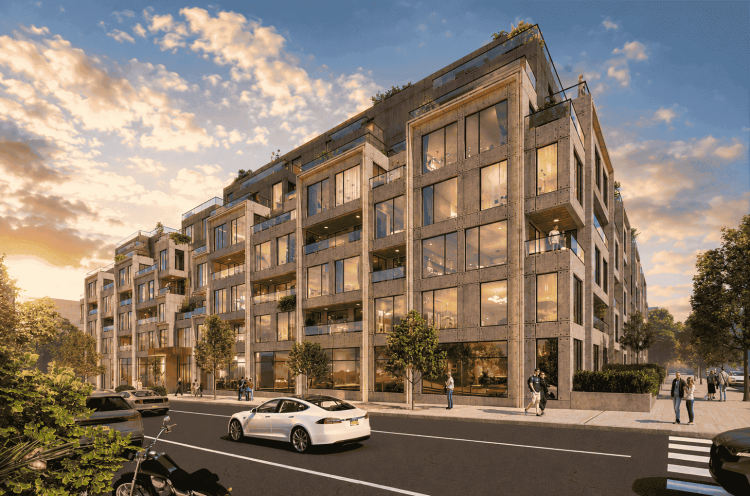
Applications are now open for a housing lottery offering 91 affordable apartments at Botanic Heights, a newly constructed residential development located at 960 Franklin Avenue in Crown Heights, Brooklyn. The lottery is part of New York City’s Affordable Housing program and includes one- and two-bedroom units for eligible households, with applications due by July 28, 2026.
As outlined in a press release from NYC Newswire, the development is part of the city’s ongoing affordable housing initiative and includes units reserved for households meeting income eligibility requirements through NYC Housing Connect.
Crown Heights continues to be one of Brooklyn’s most in-demand neighborhoods, with rising rents and increasing pressure on working- and middle-income residents. While the lottery is classified as affordable housing, the income thresholds and monthly rents mean that many Brooklyn residents still struggle to qualify or comfortably afford even subsidized units, highlighting the persistent gap between affordability definitions and real household budgets.
The full Botanic Heights development includes 290 total residential units, meaning only 91 apartments—approximately 32 percent of the building—are designated as affordable housing. The remaining majority of units are market-rate, underscoring how limited the affordable share remains even in newly constructed developments marketed under housing affordability programs.
What This Means for Housing Affordability in Crown Heights
The Botanic Heights lottery reflects both progress and ongoing limitations in New York City’s affordable housing system. While it expands access to below-market rentals in a high-demand neighborhood, the scale of affordability remains constrained compared to overall housing production.
Crown Heights has seen continued rent increases over the past several years, driven by strong demand, new development, and limited vacancy rates. As a result, even “affordable” lottery units may remain out of reach for many households earning below or near median income levels.
This dynamic highlights a key affordability challenge in Brooklyn: housing supply is expanding, but the portion of truly accessible units remains limited relative to demand.
Apartment Availability and Cost Breakdown
The housing lottery includes:
- 62 one-bedroom apartments at $2,950 per month
- 29 two-bedroom apartments ranging from $3,300 to $3,950 per month
- Eligibility is limited to households earning up to 130 percent of Area Median Income, with qualifying incomes generally ranging from approximately $106,766 to $238,160 depending on household size and unit type.
While these units fall under the city’s affordable housing program, the pricing structure illustrates how affordability varies significantly depending on income level, with many low-income households excluded from eligibility.
Building Features and Resident Costs
Botanic Heights offers modern residential amenities, including in-unit appliances, air conditioning, and upgraded kitchen finishes, along with shared building features such as elevator access, security systems, and outdoor common spaces.
Additional optional amenities include fitness and wellness facilities, coworking space, and recreational areas, though these services may come with extra monthly fees.
Hot water is included in rent, but residents are responsible for electricity and heating costs, which can further impact overall housing affordability depending on household usage and seasonal energy needs.
Crown Heights and the Affordability Gap
Located along Franklin Avenue, Botanic Heights sits in the heart of Crown Heights, a neighborhood that has undergone rapid residential transformation alongside rising housing costs.
The area offers access to public transit, commercial corridors, and cultural landmarks, making it highly desirable—but also increasingly expensive for long-term residents.
While new developments continue to introduce additional housing stock, affordability advocates note that the proportion of income-restricted units remains relatively small compared to overall construction, contributing to ongoing concerns about displacement and cost burden in central Brooklyn neighborhoods.
How to Apply
There is no fee to apply for the housing lottery.
Applicants must register through NYC Housing Connect and submit applications by July 28, 2026. Eligibility is based on household size and income requirements determined by the city’s affordable housing guidelines.
What Readers Want to Know
How many affordable apartments are available?
There are 91 affordable units available through the lottery.
How many total units are in the building?
The development includes 290 total units, with approximately 32 percent designated as affordable housing.
Is this housing truly affordable for most Brooklyn residents?
While labeled as affordable housing, income requirements and monthly rents may still be out of reach for many lower-income households in Crown Heights and surrounding neighborhoods.
Stay Updated on NYC Housing Affordability
Get the latest updates on affordable housing lotteries, rent trends, and housing affordability challenges across Brooklyn and New York City delivered directly to your inbox.
Subscribe and stay informed on the latest developments shaping NYC’s housing affordability landscape.