As New York City continues to grapple with rising rents, displacement, and growing financial pressure on working families, Assemblymember Stefani Zinerman has released a detailed affordability plan aimed at addressing some of the most pressing economic challenges facing residents of Central Brooklyn.
The plan, titled Building Our Slice of Brooklyn — Together, centers on the idea that affordability is not just about lowering costs, but about increasing stability and opportunity for longtime residents in neighborhoods like Bedford-Stuyvesant and Crown Heights. Rather than focusing on a single issue, the proposal combines housing protections, workforce development, homeowner protections, and investments in community infrastructure into a broader strategy designed to help residents remain in the communities they helped build.
A Growing Affordability Crisis in Central Brooklyn
Across Brooklyn, many residents are experiencing the effects of a rapidly changing housing market. Median rents in Bedford-Stuyvesant have increased significantly over the past decade, while wages for many working-class residents have not kept pace. According to the affordability plan, many households in Central Brooklyn are considered rent-burdened, meaning they spend more than 30 percent of their income on housing costs.
The affordability conversation in neighborhoods like Bed-Stuy and Crown Heights goes beyond rent increases alone. Rising property taxes, speculative investment activity, deed theft, and the loss of generational wealth have become growing concerns for homeowners as well.
The plan argues that affordability should be viewed through two connected lenses: income and housing stability. In other words, families are more likely to remain in their communities when they have both secure housing and access to economic opportunity.
Protecting Renters and Homeowners
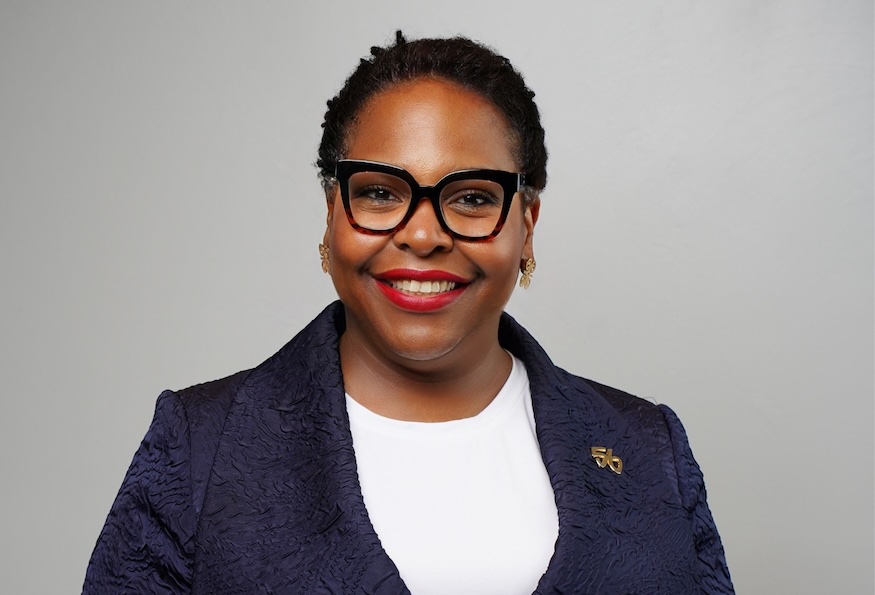
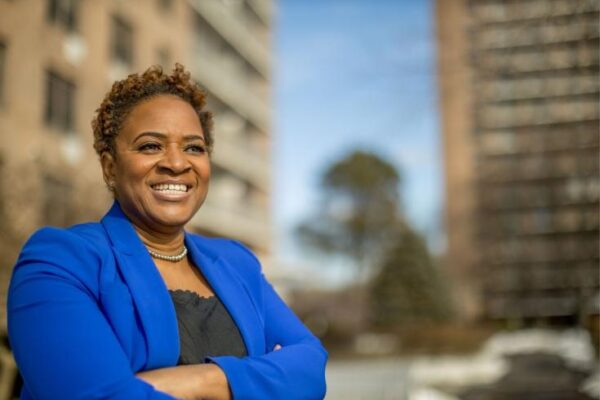
Assemblymember Stefani Zinerman photo credit: CJ PHOTOGRAPHY ENT – 1
A major component of Zinerman’s proposal focuses on preventing displacement and protecting both tenants and homeowners from predatory practices.
The plan supports stronger tenant protections, enforcement against source-of-income discrimination, and continued expansion of programs like Right to Counsel, which provides legal representation for tenants facing eviction proceedings. It also calls for reforms to Area Median Income calculations, commonly known as AMI, which critics argue often fail to accurately reflect the actual incomes of many Central Brooklyn residents.
For homeowners, the proposal highlights concerns surrounding deed theft and speculative real estate activity. In many historically Black neighborhoods across Brooklyn, deed theft schemes have resulted in families losing homes that had been passed down for generations. Zinerman’s plan calls for stronger protections against these practices while also pushing back against predatory tax lien sales that can place financially struggling homeowners at risk of losing their property.
The proposal also includes support for increased investment in public housing developments and stronger resident oversight of NYCHA-related projects. At a time when many public housing residents continue to raise concerns about repairs, maintenance, and privatization efforts, the plan positions public housing preservation as a key part of long-term affordability.
Economic Opportunity as an Affordability Strategy
Unlike affordability plans that focus only on housing, Zinerman’s proposal also emphasizes income growth and workforce development.
The plan calls for expanded career-track opportunities in industries including healthcare, clean energy, technology, and infrastructure. It also promotes broader implementation of community hiring initiatives designed to ensure local residents benefit from publicly funded development projects taking place in their neighborhoods.
The focus on workforce access reflects a growing reality across New York City: many residents are working, but still struggling to keep up with the rising cost of living. Advocates increasingly argue that affordability cannot be solved through housing policy alone without also addressing wage growth, job access, and economic mobility.
The proposal additionally highlights tuition-free education pathways and workforce access initiatives for underserved populations, including residents with disabilities.
Addressing the Everyday Cost of Living
Beyond housing, the affordability plan addresses several day-to-day financial pressures impacting families across the district.
Among the priorities outlined are expanded healthcare access, support for childcare investments, protections for seniors and residents with disabilities through SCRIE and DRIE programs, and efforts to combat price gouging on essential goods.
The inclusion of childcare and youth programming reflects a broader economic argument increasingly made by policymakers and advocacy groups: that affordability is deeply tied to a family’s ability to participate fully in the workforce while maintaining stable living conditions.
The proposal also points to investments in literacy initiatives and youth workforce pathways as part of a longer-term strategy to improve economic stability for future generations in Central Brooklyn.
Why This Matters
The affordability debate has become one of the defining political and economic issues in New York City, particularly in neighborhoods undergoing rapid change and rising housing costs.
For communities like Bedford-Stuyvesant and Crown Heights, affordability is closely connected to questions about displacement, neighborhood identity, and whether longtime residents will be able to remain in the communities they helped shape over generations.
Plans that combine housing protections with economic opportunity are increasingly becoming central to policy discussions because many residents are facing multiple pressures at once — rising rent, stagnant wages, higher food costs, childcare expenses, and concerns about preserving generational wealth.
The conversation also reflects a broader shift in how affordability is being discussed across New York City. Increasingly, residents are looking beyond short-term relief and asking whether long-term systems are being created to help working families remain economically stable in the city.
A Plan Positioned Around Long-Term Community Stability
Zinerman’s affordability proposal also highlights several projects and legislative efforts she says demonstrate her focus on community investment, including funding for the Bed-Stuy Volunteer Ambulance Corporation, the Cultural Museum of African Art, and redevelopment efforts connected to the Marcus Garvey Armory.
The plan is expected to be discussed further through community forums, tenant meetings, faith-based organizations, and local partnerships throughout the district.
As affordability continues to dominate conversations across New York City, proposals that address both economic mobility and housing stability are likely to remain central to debates about the future of Brooklyn neighborhoods and the residents who call them home.