
NYCHA Resource Guide
The New York City Housing Authority (NYCHA) provides affordable public housing for hundreds of thousands of New Yorkers across the five boroughs. NYCHA is the largest public housing authority in North America and manages public housing developments throughout New York City.
NYCHA housing is designed to help low- and moderate-income individuals and families access stable and affordable housing. Rent is generally based on household income, making the program more affordable than many market-rate apartments in New York City.
This guide explains how NYCHA housing works, who may qualify, how to apply, and what residents should know about the program.
What Does NYCHA Stand For?
NYCHA stands for:
New York City Housing Authority
The agency was created to provide affordable housing opportunities for New Yorkers who may struggle to afford private-market rent.
NYCHA oversees:
- Public housing developments
- Affordable housing programs
- Section 8 housing vouchers
- Resident support services
What Is NYCHA Public Housing?
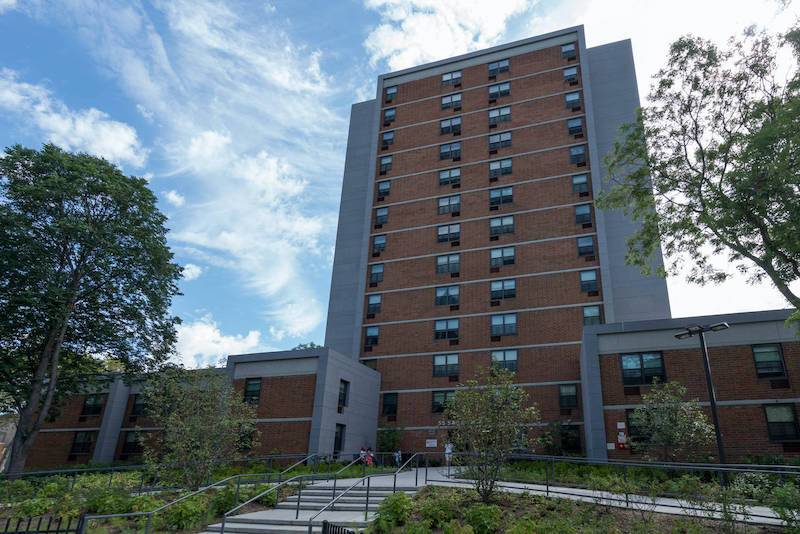
NYCHA public housing consists of government-managed apartment developments located throughout New York City.
Unlike Section 8, which helps tenants rent apartments from private landlords, NYCHA public housing involves living directly in apartments managed by the New York City Housing Authority.
NYCHA developments include:
- Apartment complexes
- High-rise buildings
- Family housing developments
- Senior housing developments
Rent is generally based on household income, and many residents pay approximately 30% of their adjusted income toward rent.
Who Qualifies for NYCHA Housing?
Eligibility for NYCHA housing depends on several factors.
Income Limits
Applicants must fall within NYCHA income limits based on household size.
Household Size
Eligibility and apartment size depend on the number of people in the household.
Citizenship or Immigration Status
At least one household member generally must be a U.S. citizen or have eligible immigration status.
Background Screening
Applicants may undergo criminal background checks and other eligibility reviews.
Because eligibility requirements may change, applicants should review current information directly through NYCHA.
What Types of Apartments Does NYCHA Offer?
NYCHA developments include:
- Studio apartments
- One-bedroom apartments
- Family-sized apartments
- Accessible apartments for residents with disabilities
- Senior housing in some developments
Some apartments include utilities such as electricity and gas in the rent.
NYCHA also offers reasonable accommodations for eligible residents with disabilities.
How to Apply for NYCHA Housing
Applications for NYCHA public housing are generally submitted online.
Step 1: Complete an Application
Applicants can apply through NYCHA’s online application system.
Applicants typically provide:
- Personal identification
- Household information
- Income information
- Contact information
- Social Security numbers when applicable
Step 2: Waitlist Placement
Because demand is very high, most applicants are placed on a waiting list.
Step 3: Eligibility Review
If selected, applicants may be contacted for interviews and document verification.
Step 4: Apartment Offer
Eligible applicants may receive an apartment offer when a suitable unit becomes available.
Apply for NYCHA Housing
Residents can apply for public housing and learn more about eligibility requirements through the official New York City Housing Authority website.
- Apply for NYCHA Public Housing
- View NYCHA Public Housing Information
NYCHA Waiting Lists
NYCHA waiting lists can be lengthy because of the high demand for affordable housing in New York City.
Applicants should:
- Keep contact information updated
- Respond quickly to notices
- Monitor application status regularly
- Avoid housing scams
NYCHA allows applicants to check their application status online.
What Is It Like Living in NYCHA Housing?
NYCHA developments house hundreds of thousands of New Yorkers and play a major role in the city’s affordable housing system.
Residents may have access to:
- Community programs
- Senior services
- Youth programs
- Maintenance services
- Resident associations
- Economic opportunity programs
NYCHA also offers resident resources and online services through MyNYCHA and resident support programs.
Like many large public housing systems, NYCHA has also faced challenges related to aging buildings, maintenance backlogs, repairs, and infrastructure needs in some developments.
NYCHA Repairs and Maintenance
Residents can request repairs through:
- NYCHA Customer Contact Center
- MyNYCHA online portal
- MyNYCHA mobile app
- Walk-in centers
Common repair requests may include:
- Plumbing issues
- Heating problems
- Electrical repairs
- Elevator maintenance
- Pest control
NYCHA also provides emergency repair services for urgent issues.
NYCHA Resident Responsibilities
Residents are generally expected to:
- Pay rent on time
- Maintain their apartment properly
- Follow lease rules
- Report household or income changes
- Complete annual recertification requirements
Failure to follow NYCHA rules may affect continued eligibility.
NYCHA vs. Section 8 Housing
Although both programs provide affordable housing assistance, they operate differently.
NYCHA Public Housing
- Residents live in government-managed housing developments
- Apartments are operated directly by NYCHA
- Rent is based on household income
Section 8 Housing
- Tenants use vouchers in privately owned apartments
- Landlords participate voluntarily
- Rental assistance follows the tenant
Each program has separate application processes and waiting lists.
Important Things to Know About NYCHA Housing
- Waiting lists can be very long
- Apartment availability varies by borough and household size
- Residents may need to complete annual recertification
- Repairs and maintenance timelines can vary
- NYCHA provides both housing and resident support services
- Applicants should only use official New York City websites for applications and updates
Applicants should avoid scams promising guaranteed housing placements.
Frequently Asked Questions
Is NYCHA the same as Section 8?
No. NYCHA public housing involves living in apartments managed by NYCHA, while Section 8 provides vouchers for privately owned housing.
How much rent do NYCHA residents pay?
Rent is generally based on household income and may be approximately 30% of adjusted income.
Can non-citizens apply for NYCHA housing?
At least one household member generally must meet eligible immigration or citizenship requirements.
How long is the NYCHA waiting list?
Waiting times vary and may be lengthy because of high demand.
Can residents request repairs online?
Yes. NYCHA residents may request repairs through the MyNYCHA online portal and mobile app.
Official New York City Resources
Disclaimer
Program rules, eligibility requirements, and application procedures may change over time. Readers should verify the latest information directly through official New York City government agencies.