
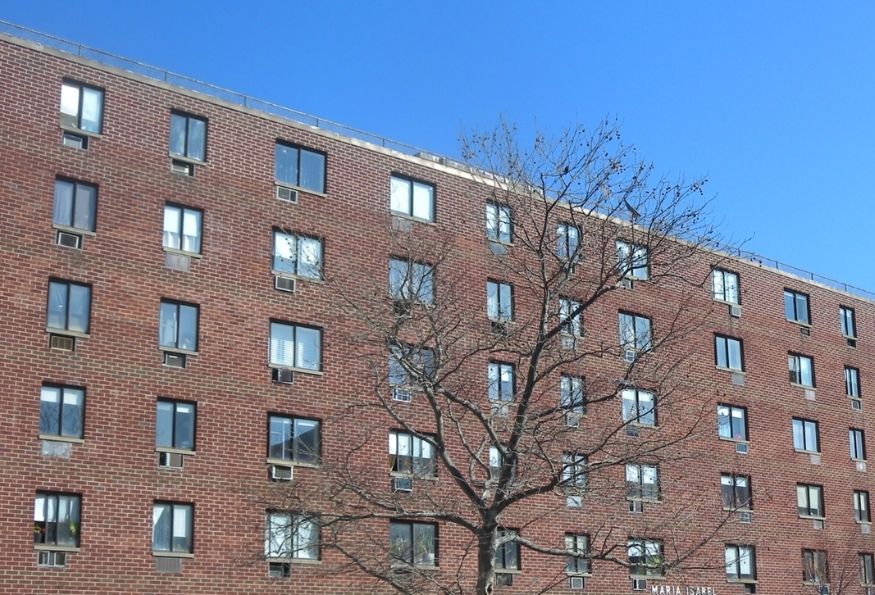
Section 8 Guide
Section 8 is one of the largest rental assistance programs in New York City. The program helps low-income individuals and families pay for safe and affordable housing in the private rental market. In NYC, Section 8 is administered by the New York City Housing Authority (NYCHA) and the NYC Department of Housing Preservation and Development (HPD).
The program is designed to reduce housing costs for eligible households by providing rental subsidies directly to landlords on behalf of approved tenants.
What Is Section 8 Housing?
Section 8, also known as the Housing Choice Voucher Program, is a federally funded rental assistance program overseen by the U.S. Department of Housing and Urban Development (HUD).
The program allows qualified tenants to rent apartments from private landlords while paying only a portion of their income toward rent. The remaining amount is subsidized through the Section 8 program.
Unlike public housing, Section 8 participants can usually choose apartments in the private rental market as long as the unit meets program requirements and the landlord agrees to participate.
How Does Section 8 Work?
Under the Section 8 Housing Choice Voucher Program:
- Eligible tenants receive a housing voucher
- Participants search for an approved apartment
- The landlord agrees to accept Section 8 payments
- The apartment must pass a housing inspection
- The tenant typically pays about 30% of their adjusted household income toward rent
- Section 8 covers the remaining approved amount
The subsidy amount depends on several factors, including:
- Household income
- Family size
- Apartment location
- Approved rent limits
Who Qualifies for Section 8 in NYC?
Eligibility for Section 8 is generally based on:
1. Income Limits
Applicants must fall within HUD income limits for New York City. Income limits vary depending on household size.
2. Household Size
Families, individuals, seniors, and people with disabilities may qualify.
3. Citizenship or Immigration Status
Applicants must meet eligible citizenship or immigration requirements.
4. Background Screening
Applicants may undergo criminal background screening and other eligibility checks.
Because eligibility rules and income limits can change, applicants should review the latest information from NYC Housing Preservation and Development (HPD) and NYCHA.
What Types of Housing Can Be Used With Section 8?
Section 8 vouchers may be used for:
- Apartments
- Condominiums
- Townhouses
- Single-family homes
The housing unit must:
- Meet health and safety standards
- Pass inspection requirements
- Fall within approved rent limits
- Be rented by a participating landlord
Participants are generally responsible for finding their own housing after receiving a voucher.
How to Apply for Section 8 in NYC
Applications for Section 8 are not always open year-round. NYC agencies may open waitlists periodically depending on funding availability and demand.
Step 1: Monitor Open Waitlists
Applicants should check official NYC housing websites regularly to see whether applications are being accepted.
Step 2: Submit an Application
When applications are open, applicants may be able to apply online.
Applicants typically need to provide:
- Personal identification
- Household information
- Income documentation
- Social Security numbers when applicable
- Contact information
Step 3: Waitlist Review
Because demand is extremely high, many applicants are placed on a waiting list.
Step 4: Eligibility Verification
If selected from the waitlist, applicants may be required to attend interviews and submit additional documents.
Step 5: Voucher Issuance
Approved applicants receive a housing voucher and can begin searching for eligible housing.
Section 8 Waiting Lists in NYC
Section 8 waiting lists in New York City can remain closed for long periods because of high demand.
When waitlists open, thousands of applications may be submitted within a short time.
Applicants should:
- Watch for announcements from NYCHA and HPD
- Keep application information updated
- Respond quickly to agency notices
- Avoid scams claiming guaranteed vouchers
No private company can guarantee Section 8 approval.
Responsibilities of Section 8 Participants
Participants in the program must:
- Pay their portion of the rent on time
- Maintain the apartment properly
- Report income or household changes
- Follow lease requirements
- Complete annual recertification requirements
Failure to comply with program rules may affect eligibility.
Responsibilities of Landlords
Landlords participating in the program must:
- Maintain safe housing conditions
- Complete required inspections
- Follow program rules
- Comply with lease agreements
- Accept the approved subsidy payment arrangement
Landlords may receive direct subsidy payments through the program.
Important Things to Know About Section 8
- Section 8 vouchers are in high demand throughout NYC
- Applications are not continuously open
- Not all landlords accept Section 8 vouchers
- Apartments must meet inspection standards
- Participants may be required to renew eligibility annually
- Fraud or false information may lead to removal from the program
Applicants should always rely on official NYC government websites for updates.
Section 8 vs. NYCHA Public Housing
Although both programs provide housing assistance, they work differently.
Section 8
- Helps tenants rent private-market apartments
- Uses housing vouchers
- Participants can often move between approved apartments
NYCHA Public Housing
- Residents live in government-managed housing developments
- Housing units are owned and operated by NYCHA
Both programs have separate application processes and waitlists.
Frequently Asked Questions
Is Section 8 the same as public housing?
No. Section 8 helps eligible tenants rent privately owned apartments using housing vouchers, while public housing units are operated by NYCHA.
Can I apply for Section 8 at any time?
Not always. Applications depend on whether NYC agencies open the waiting list.
How much rent do Section 8 tenants pay?
Participants generally pay around 30% of their adjusted household income toward rent.
Can landlords refuse Section 8 tenants?
NYC has source-of-income discrimination protections, but apartment eligibility and program participation requirements still apply.
How long is the Section 8 waiting list?
Waiting times vary and may be lengthy due to high demand.
Official NYC Resources
NYC Housing Preservation and Development (HPD)
NYC Housing Authority (NYCHA)
NYC Housing Programs Directory
Disclaimer
Program rules, eligibility requirements, and application availability may change. Readers should verify the latest information directly through official New York City government agencies and program websites.