






Healthy LivingPartner Resources

How Does Medication Take Effect on Parkinson’s Patients?

Parkinson’s disease is a chronic condition that is caused by deterioration in regions of the brain that control movement.

Neurons, the densely clustered bundles of nerve cells that send and receive signals in the brain, lose the ability to produce dopamine, a chemical crucial to transmitting messages about movement. Although the exact cause of Parkinson’s is unknown, there are commonalities in the brains of Parkinson’s sufferers that point to the origins of the disease. Abnormal accumulations of protein, known as Lewy bodies, are found on dopamine-producing neurons in the substantia nigra, the brain stem, and other regions of the brain responsible for movement.

Parkinson’s symptoms are typically mild in the beginning, and become worse over time, progressing in stages. Early signs of Parkinson’s include body tremors, which are often initially mild and confined to once side of the body, stiffness, difficulty moving, slow movement, stooped posture, small, cramped handwriting, and a rigid, mask-like facial expression. As the disease progresses, these symptoms become more pronounced, and others develop. In later stages, Parkinson’s symptoms may include psychiatric, digestive, and urinary problems. Every person’s experience of Parkinson’s is unique; some people may struggle with severe tremors, while others may have more trouble with stiffness or slowness of movement.

There is at present no cure for Parkinson’s disease. However, there are treatments available to address its symptoms. A combination of the drugs levodopa and carbidopa is often effective in the treatment of stiffness and slowness of movement. However, these drugs are not especially successful in treating tremors, and may not have any effect on balance or other symptoms. A class of drugs called anticholinergics inhibit the action of the neurotransmitter acetylcholine, which is responsible for involuntary movement. These drugs can help to alleviate rigidity and tremors. Ropinirole, bromocriptine, and pramipexole are drugs that mimic dopamine, and stimulate neurons to regulate movement.

Content provided by Edison Home Health Care. Their team of trusted advisors is happy to assist you or any loved one who seek appropriate care for Parkinson problems. Have questions? Give them a call at 888-311-1142, or fill out a contact form.

Find the original article here.

edison-logo


Continue reading

Lifestyle

Cold Weather Skin Care Remedies

Winter’s a tough time for hair and skin care. With the cold weather comes cracked skin, brittle hair, and chapped lips. Here, we go through a few possible issues you may encounter this winter, and the simple DIY solutions that will help you along

Reminder: This article offers advice for occasional symptoms associated with cold weather. If you experience any of these symptoms on a constant or painful level, consult your doctor.

Dandruff

If your shoulders are covered with small pale colored flecks, then chances are you probably have dandruff. Dandruff is small flecks of dead skin that fall from the scalp. Most often, the scalp will become itchy, with more dandruff falling the more the scalp is scratched. While there are a few different causes behind dandruff , the dry air of winter weather mixed with the heat of the indoors is a common cause.

Treatments:

Many shampoos are especially made to help with dandruff and a dry scalp. These shampoos should contain one or more of the in following ingredients:

  • Pyrithione zinc
  • Coal tar (also called tar-based)
  • Salicylic acid
  • Selenium sulfide
  • Ketoconazole

Some hair cleaners that contain one or more of these ingredients include: Head and Shoulders,  Jason Dandruff Relief, Neutrogena T/Gel, Neutrogena T/Sal, and Selsun Blue.

For a natural remedy, try using apple cider vinegar. Dilute the vinegar with water inside a spray bottle (⅓ apple cider vinegar, ⅔ water) and spray the scalp in sections, massaging the scalp gently once done. Leave on for 15 to 25 minutes, and wash out with shampoo. Be sure to wash thoroughly, since apple cider vinegar can leave a strong scent.

Dry eyes

Cold, windy weather causes many eyes to go dry. While dry eyes can be a symptom of a larger problem, dry eyes experienced every now and then when the weather gets rough are no big deal.

Treatments

Over-the-counter eye drops like artificial tears work great for dry eyes. These can include GenTeal Gel and Systane Ultra. Never use eye drops meant to help with redness for dry eyes. They can cause irritation. If you experience severe dry eyes, avoid eye drops with preservatives, which include Refresh and TheraTear .

Chapped lips

Everyone experiences chapped lips, it’s just something we all have to deal with. But, be careful when choosing a lip balm or chapstick. Certain balms contain irritants that actually further damage your lips.

Treatments

Always look for an emollient lip balm, which is a fancy way of saying a moisturizing one. The best lip balms are the ones without many frills, that focus on just moisturizing the lips. Avoid balms that are scented with ingredients like menthol and peppermint. Instead, look for balms that contain moisturizers like coconut or olive oil and waxes. And, when in doubt, just use plain shea butter or vaseline. They’re cheap and effective.

If your lips are cracking, try this DIY exfoliant: mix together equal parts brown sugar and olive oil, then rub gently onto the lips for a few minutes. Wash off and apply lip balm immediately after for moisturized, softer lips.

Continue reading

Featured News

Access-A-Ride: Requesting Trips

What Is It?

Access-a-Ride is an MTA run program that allows eligible people to be picked up and dropped off by Access-a-Ride vehicles. These rides cover everywhere that mass transit is available, including parts of Nassau and Westchester Counties. The service is always available, 24 hours a day, 7 days a week.

How Do I Request A Pickup?

If you use the area codes 212, 347, 516, 631,646, 718, 845, 914, or 929, the Access-a-Ride number is 877-337-2017. If you live outside any of the given area codes, then the Access-a-Ride number is 718-393-4999.

When requesting a pickup, you can either request a pickup time or an appointment time, but not both. A pickup time is the time you wish to be picked up. This time will not always be definite, and Access-a-Ride may offer a pickup time that is either up to an hour earlier or later from your requested time. Appointment time is the time you wish to arrive at your destination.

When planning to use Access-a-Ride, always plan based on maximum travel times. Because Access-a-Ride is a public service that also makes other pickups, it’s travel time is much longer than that of a normal car or transit ride. The maximum travel times are:

Miles                                     Maximum Ride Time
0 to                                        350 minutes
3 to 6                                     1 hour 5 minutes
6 to 9                                     1 hour 35 minutes
9 to 12                                   1 hour 55 minutes
12 to 14                                 2 hours 15 minutes
Greater than 14 miles       2 hours 35 minutes

When canceling same-day trips, you must call two hours in advance and cancel with Travel Services. If you are canceling a reserved trip one or two days in advance, cancel with Reservations. When canceling a two-way trip, you must make it clear that you are canceling both trips. If you cancel trips last minute or do not show up, you will be penalized.

What To Do If They’re Late

In the event that no Access-a-Rides are available to pick you up, taxi/car service authorization and reimbursements are available. When this occurs, a CCA will give you an authorization number. This number is necessary in receiving your reimbursement . It is your responsibility to call the taxi/car service and pay the fare, any tolls, and tip. You must receive a receipt. Afterwards, you have up to three months to send for a reimbursement on the trip. To learn how, visit here.


If your Access-a-Ride is more than 30 minutes late, then you can call
Travel Services and ask the Customer Care Associate (CCA) for a trip status, which will include the current location of the car, the driver’s name and the car’s number. If, for any reason, your car is unable to make it, the CCA will either send another Access-a-Ride or send a taxi/car service authorization.

Violations And Suspensions

Access-a-Rides are allowed to wait five minutes before leaving. If you do not show up to for your scheduled ride, or you cancel less than two hours before, those are considered violations. If you do not show up to seven or more pickups in a month or you late cancel rides 30% or more of your scheduled trip in a month, you can face suspension.

Suspension lengths are based on how many suspensions you have prior. The lengths are:

1st suspension                       1-week period
2nd suspension                      2-week period
3rd suspension                       3-week period
4th suspension                       4-week period
5th  and beyond                      4-week period

For more information about violations and suspensions, visit here.

Continue reading

Healthy Living

Tips On Dealing With Eczema

What is Eczema

Eczema, or atopic dermatitis, is a skin condition that causes red itchy patches to appear on the skin. It is a chronic condition that can vary from mild to severe. Eczema has no cure, but it can be treated. Symptoms of Eczema include:

  • Irritated red or grayish brown patches on the body
  • Itching
  • Small skin bumps
  • Crusting or fluid-filled bumps
  • Dry, cracked, swollen, and sensitive skin

Many factors can flare or aggravate symptoms of eczema, including cold weather. During the winter, to the cold air mixed with the heat of the indoors and wearing extra layers make it harder for the skin to maintain moisture. This aggravates the skin.  Of course, eczema can worsen based on many different factors. Here are a few to keep in mind this season: 

Hot baths and long hot showers

Some bath products claim to help eczema with special bath salts or mixtures that should be used in the tub. But, often, people tend to use these products in hot water. This is counter-intuitive, because spending long periods of time submerged in hot water dries out the skin, worsening eczema symptoms. Try using warm water instead of hot water, and limiting the amount of time you spend in the shower or bath.

Clothes, towels, and sheets

At almost all times, fabrics are rubbing up against our skins. So, it is important to keep in mind that certain fabrics can be causing your skin more harm than good. When dealing with eczema, softer fabrics like silk or cotton are better for the skin. Certain materials, like wool, should not be in direct contact with the skin. In the case of wool coats, the inside material should always be softer and more delicate than the outside.

When it comes to towels, they should be gentle on the skin, not rough. Avoid stiff or older towels. When using a towel, always pat the skin dry. Rubbing, especially on dry patches, can cause further damage.

Sheets should also be soft. Cotton and silk sheets (if you want to splurge) work best when dealing with eczema.

Scratching

Scratching or picking at skin with dry patches or raised bumps causes aggravation,crusting, and swelling. Scratching can also cause fluids to develop under the skin and the spread of bacteria. Instead, skin should be properly treated to diminish irritation. Gentle, unscented soaps without dyes or alcohol should be used when bathing. Use thick moisturizers everyday. When dealing with flare-ups, use specialized ointments recommended to you by your doctor. These ointments may contain hydrocortisone or hydrocortisone acetate, which help with itching.  

Continue reading

Featured News

Having Troubles With Your Heating Bill? HEAP Can Help

What Is HEAP?

HEAP, or the Home Energy Assistance Program, is a New York State program that helps low-income New Yorkers to afford their heating bills. HEAP benefits are seasonal, and can be applied for come mid-November. According to ny.gov, to be eligible for HEAP, you and your household must:

  • All be U.S. citizens, U.S. non-citizen nationals, or qualified aliens
  • Provide a valid Social Security number for each household member
  • Receive Supplemental Nutrition Assistance Program (SNAP) benefits, Temporary Assistance or Supplemental Security Income
  • Have a monthly household income that is at or below the HEAP income guidelines

Even if your heat is paid for as part of your rent, you own your own home, or you have money in the bank, stocks, bonds or other resources (x), you can be eligible for HEAP. The program is available for homes heated with electricity, natural gas, oil, coal, propane, wood or wood pellets, kerosene, or corn.

For emergency situations, such as having your utilities shut down or if you are running out of fuel, you can apply for an emergency HEAP benefit, which can be applied for anytime.

How to Apply

To apply for HEAP, visit here.

To apply for regular HEAP, you can apply online at mybenefits.ny.gov by logging in or making an account or you can print out an application and follow the instructions on the form. Applications take 30 days to be reviewed. For more information, visit here.

To apply for emergency HEAP benefits, applications must be done through your local Department of Social Services, which you can find here.

Continue reading

Healthy Living

Is Organic Food Healthier Than Regular Food?

Is Organic Food Better For You?

Overall studies have found that organic foods are no more healthy than regularly grown and raised food.   

Organic food is food that is grown or raised without synthetic pesticides, fertilizers, antibiotics or hormones. Traditional foods are foods that include all of these additives. Studies have found that there is little to no nutritional difference between organically grown and non-organically grown food. In a 2012 study showed that there was little to no vitamin or nutrient difference between organic and non-organic fruits and vegetables. The biggest difference was pesticides. Organic food had little to no pesticides while non-organic food almost always used pesticides. But, all of the food passed the pesticide safety limits. Even meats showed little difference, both organic and traditional meat having similar risks of e coli virus.

But, Aren’t Pesticides bad?

A lot of people don’t trust pesticides, and they’re not without their reasons. Pesticides are used to keep harmful pests like insects from contaminating foods. They are made up of different compounds and chemicals that are generally safe for people to consume in limits, which is why pesticides that are over the safety limit cannot be consumed. So, why are so many people against them? Well, pesticides are man-made, and though there is no direct proof if pesticides cause any problems or illnesses, some chemicals used in pesticides are dangerous in larger amounts. A lot of people also like to point out that past synthetic chemicals that were thought safe at one point where proven to be harmful overtime.

So, why do we use pesticide? Pesticides make it possible to grow a lot of food with a much lower risk of contamination. But, not all pesticides are the same. Natural pesticides do not use any synthetic chemicals. And, as said before, a lot of organic foods are grown with natural or no pesticides.

At the end of the day, there is little danger in consuming foods made with pesticides. Whether or not you choose to eat organic or non-organic raised foods is entirely up to you. The main goal is to maintain a healthy diet and lifestyle.

Continue reading

Featured News

Revolutionary New Ambulance Dispatcher App Helps You Stay In Control During Medical Emergencies

A new method for requesting an emergency ambulance with 21st century technology has been established right here in Brooklyn. SmartEMS is a free application that can be downloaded on any smart phone and computer. When registering, you enter your medical demographics such as your medical history, allergies, medications, insurance information, emergency contacts, and even the hospital(s) you would prefer to be taken. This data is kept encrypted and secured, with all HIPAA regulations met.

When you need an ambulance, you just press on the big red button on your phone app and our Dispatch / Call Center in Canarsie, Brooklyn will immediately assign the closest appropriate unit to your location. Your emergency contacts (spouse, child, caretaker, physician, etc.) will be notified by text and e-mail that you have requested an ambulance, when the ambulance arrives, and when you arrive at your destination with the facility name and phone number. Like this your loved ones will know where you are and where to call. The patient will also see on their smart phone the GPS layout of the ambulance responding, with updated Estimated Time of Arrival (ETA’s) every 30 seconds. If the patient is too weak to type in their chief complaint, they have the option to press a different button and be connected by phone to our Call Receiving Center where an operator can assist and dispatch an ambulance.

The responding ambulance crew will receive your medical information which you provided in your registration, so that they can concentrate on your medical care instead of wasting time asking about your history, medications, and insurance information. They are required to verify and confirm the information to ensure accuracy. The crew will also receive immediate GPS directions on their phone to expedite their response.

This service will also take you to the hospital of your choice, unless you are in such a serious condition that you require to first be stabilized at the closest facility or if you meet the criteria for a Specialty Referral Center such as for a burn or trauma. Otherwise, you can choose a facility within the 5 boroughs, or a neighboring hospital if you are on the NYC border.

This app streamlines the entire EMS response process, reduces the amount of time spent on the scene with the patient, and takes the patient to a facility where their physician has privileges so they can continue in the patient’s care. This app brings emergency medical services to the 21st century! It took 2 years of developing and field testing before they felt it was ready to launch.

Director Jack Finkelstein has over 37 years of EMS experience and is an Instructor for the Department of Health and the American Heart Association as well as a Certified Emergency Manager. “I am so proud to be able to launch this service that I know will help NYC and provide the medical care in an expeditious and efficient manner. Even if a client does not have a smart phone, they can register on a computer and just call our Emergency Hotline at 1-888-804-SMART (7627).”

For more information or to register, you can go to www.SmartEMSapp.com or call their Hotline for assistance.

Continue reading

Healthy Living

Unhealthy “Healthy” Foods

Margarine

Originally, margarine was created to be a healthier alternative to butter. But, over the years, the spread has become so processed, that it’s hardly any better than butter. While significantly lower in cholesterol and fat when compared to butter, margarine is still not much better. It’s high in saturated fat, contains trans fat, and has very little nutritional value. But, margarine’s nutritional value varies, depending on the brand and type. One popular brand of margarine that many people don’t realize is margarine is I Can’t Believe It’s Not Butter. Some margarines contain less trans fat and low salt, so always check the nutritional information before buying.

For an alternative, try using vegetable oils or olive oils on different foods and breads instead.   

Low-Fat Products

Many food products use catchy words to make them sound healthy; low-fat, fat-free, reduced-fat, light, etc. These words appeal to people who are trying to cut fat out of their diet. But, in order to make up for the lack of fat and lack of taste, these foods tend to stock up on sugar, salt,  and all other type of ingredients that drive up the calories. This is also why it’s important to always check the nutritional value before eating.

But, do these food descriptions all mean the same thing? Negative. In fact, each has a completely separate meaning:

Low-fat means a serving size of food has three or less grams of fat.

Fat-free means a serving size of food contains less than 0.5 grams of fat.

Reduced-fat means a food product has 24% less fat than the regular food product.

Light foods either have one-third less fat than the original food or half the fat of the original food.

Salad toppings

Salad is seen as the ultimate healthy meal. But, when all those greens are covered in thick dressing, croutons and strips of meat, then it’s no longer as healthy as it once was. Beware of pre-made salads bought at restaurants and fast food places, where the salads can be over one third of your daily calorie intake. When making or buying a salad, be careful of what goes in it. These can include:

Dressings, especially thick, creamy dressings like ranch or russian; Instead, try oil or vinegar based dressings.  

Toppings, such as croutons, cheese, fried meats, fish, salted/roasted nuts, etc; Instead, opt for crunchy fruits and vegetables, grilled or baked meats-fish, and regular nuts and seeds.

Continue reading

Featured News

Access-A-Ride: Who’s Eligible and How to Apply

What is Access-a-Ride?

Access-a-Ride is an MTA funded transportation program that lets vehicles pick up and drop off those who are unable to use mass transit due to disability or age. The service is available 24 hours a day, 7 days a week.

If you use the area code 212, 347, 516, 631,646, 718, 845, 914, or 929, the Access-a-Ride number is 877-337-2017. If you live outside any of the given area codes, then the Access-a-Ride number is 718-393-4999.

Who is eligible ?  

Access-a-Ride determines if you are eligible based on your applications. Those whose applications are accepted are separated into four categories:

Full – Allowed full access to Access-a-Ride & must reapply every five years.

Continual – Do not have to reapply due to permanent conditions.

Conditional – Allowed access to Access a Ride under certain conditions.

Temporary – Are either full or conditional for under five years.

For those who with conditional access, can only use AAR when the conditions listed on their AAR MetroCard/ ID apply. These conditions can include:

Stairs Restricted – Subway station is inaccessible.

Extreme Cold – Temperature is forecast to be 39°F or below on the day of travel.

Extreme Heat – Temperature is forecast to be 90°F or above on the day of travel.

Extreme Cold & Stairs Restricted

Extreme Heat & Stairs Restricted

Weather-related or Environmental Barriers (such as humidity, snow and icy streets)

Unfamiliar Places – Customer’s with a cognitive or visual impairment who are unfamiliar with bus and/or subway routes to the trip destination.

Distance – Subway station or bus stop is further away than they are able to travel.

How to Apply

To apply to Access-a-Ride, call and speak with Eligibility to schedule an appointment with your local assessment center, which they will inform you on the location. Once you make an appointment, AAR will send you an application in the mail within five days. The application will include information on how to set up an Access-a-Ride to get to and from the appointment. Accommodations such as receiving large print, braille, or recorded application, the need of a sign interpreter, the need for another person to travel with you, or interpretation services are all available.    

Visit the Access-A-Ride website here.

Continue reading

Healthy Living

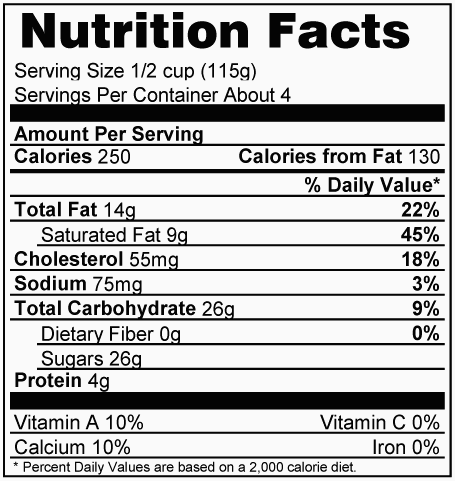
Nutrition Labels Explained

The best way to know to whether a food is healthy or not is to check its nutritional label. But, what exactly should you be looking for when reading one?

Serving Size & Serving Per Container: Serving sizes are important because the nutritional label is based on the serving size. This can become confusing when you see something has only 100 calories but has 4 servings. This means that the entire package of food is actually 400 calories. Often times, people tend to eat well over the serving size, ignoring it all together. It is extremely important to check the serving size, since it could be the difference between 100 calories and 400 calories.

Calories: Calories counts help you keep track of how many calories you’re consuming as part of your daily intake. According to the FDA, anything with 40 calories or less is considered a low calorie food, 100 calories, a moderate calorie food, and 400 or more calories, a high calorie food.

Calories from fat: exactly as it says, these are the amount of calories that come from fat.

Fat: Generally, too much fat is a bad thing, especially saturated fats and trans fats, so you should always avoid eating foods high in those fats. But, not all fats are bad. Fats like polyunsaturated fats and monounsaturated fats are healthy, and can be found in healthy foods such as oils, nuts, seeds, and avocados.

Cholesterol & sodium: Just like fats, foods high in cholesterol and sodium should be either avoided or eaten in moderation.

Total carbohydrates: Popular to contrary belief, carbohydrates are not bad for you. Both dietary fiber and sugar are carbs. Dietary fiber is essential for good health, and helps maintain healthy bowel movements, as well as making you feel fuller faster. Sugar, on the other hand, can be either good or bad, believe it or not. Natural sugars that come naturally from fruits, vegetables or milk is fine, while processed and added sugars are the sugars you should avoid.   

Protein, vitamin and minerals: These are important since they are essential for a healthy lifestyle.

DV%: DV% stands for daily value percentage, and is listed next to the nutrition facts. These percentages list how much of that nutrient you are receiving based on the daily recommended amount. These percentages are based on a 2,000 calorie diet, which may be either above or below your personal recommended calorie intake. When reading the DV%, remember that 5% or lower is low and 20% or higher is high. For healthy nutrients like dietary fiber, vitamins and minerals, you want to look for high DV%. And for unhealthy nutrients like saturated fats, trans fats, sodium, and cholesterol, you want to aim for low DV%.    

Continue reading

Uncategorized

What Is Streaming?

If you’ve watched a video on Facebook, listened to music on a website, or watched a movie on Netflix, you were streaming. While the term “streaming” initially seems confusing, it’s actually pretty simple to understand. Here we go over what exactly streaming is, as well as other terms to help you understand.

 
What is Streaming?

 
Whenever you watch or listen to something online, you’re streaming. Streaming is the action of broadcasting data as the data is being used. For example: If you’re watching a video, the data that makes up that video is being delivered to your screen as you watch the video. This data does not stay on your computer. When you finish watching the video the data is no longer there, and it only comes back if you re-watch the video. This is why you need internet connection to stream something. If your internet is not connected, then it cannot receive the necessary data to stream the video.

 
Another way to think about streaming is to think about it like television broadcasting. When the news or a show is broadcasted on TV, you see what is being broadcasted in real time. The news or a show does not stay on your TV after it is broadcasted (unless they are recorded), because they are no longer being broadcasted.

 
Streaming vs Downloading

 
If you’ve ever streamed something, you might have noticed an option to either stream or download. Downloading is much different than streaming. When you download something, let’s say, a movie, you are saving the data that makes up the movie in your computer. This means the data stays in your computer, and can be accessed without the internet. It works similar to a movie being played on a DVD or songs being played on an Ipod.

 
But, What’s Data?

 
Data is the information that, basically, makes up everything you look at on a computer or on your phone. Aside from videos and music, data makes up images, files, programs, even this entire website!

 
The word “data” is used to describe a lot of things. Computer data is not the same as statistical data or phone data. To learn more about phone data, visit here.

Continue reading

Healthy Living

Everything You Need To Know About Adult-Onset Asthma

What Is Asthma ?

Asthma is a chronic illness that affects the lung’s airways. The lung’s airways carry air in and out of the lungs. In people suffering with asthma, the muscles in their airways can become constricted and swollen, allowing less air to pass through. Symptoms of asthma can include:

  • Wheezing
  • Trouble breathing
  • Shortness of breath
  • Tightness in the chest
  • Chronic coughing

Symptoms of asthma most commonly occur in reaction to various allergens, irritants, activities, and surroundings. These triggers can cause a flare-up of symptoms, also called asthma attacks. These triggers can include:

  • Allergens, such as animal dander, dust, mold, pollen, or cockroaches
  • Irritants, such as cigarette smoke, air pollution, or sprays (hairspray, disinfectant spray, etc.)
  • Certain medications
  • Physical activity
  • Sulfites in foods or drinks
  • Changes in weather

Adult-onset asthma can be triggered by allergies. Other triggers include:

  • Extended exposure to irritants, such as cigarette smoke or work materials
  • Hormonal fluctuations in women, which can happen during and after pregnancy or menopause
  • Certain illnesses (such as a cold or the flu)

Asthma can re-appear if you suffered with asthma as a child. In fact, people who suffered from asthma when they were younger experience more severe symptoms when developing adult-onset asthma.   

The exact cause of asthma is unknown, and there is no cure. But, when properly treated, asthma can be maintained.  

Asthma Treatments

Doctors who specialize in asthma work with patients to help control their symptoms. Since everyone experiences asthma differently, doctors will prescribe different medications and create different plans to fit each individual’s symptoms and triggers. Prescription asthma medications come in two types: long-term control and short-term control. Long-term control medications help prevent asthma symptoms while short-term medications give instant relief from symptoms.

Continue reading

Partner Resources

How Neurons Connect to the Parkinsons’ Disease

For many people, the ability to move is so basic and intuitive that it’s taken for granted.

While some people face mobility challenges early in life due to disability, injury, or illness, the majority of the population doesn’t give much thought to this important aspect of our lives. From the time we learn to lift our heads, crawl, and grasp objects, movement is integral to the way in we approach life and experience the world. However, although it may seem simple—you don’t have to think about scratching your head, grasping a pen, or reaching out a hand to steady yourself when you trip—movement is in fact a highly complex phenomenon, requiring exquisitely refined communication between the brain and the rest of the body. In certain disorders, such as Parkinson’s disease, this communication is disrupted.

CLICK HERE FOR FULL ARTICLE

Content provided by Edison Home Health Care. Their team of trusted advisors is happy to assist you or any loved one who seek appropriate care for Parkinson problems. Have questions? Give them a call at 888-311-1142, or fill out a contact form.

edison-logo

Continue reading

Healthy Living

New York’s New Breast Cancer Screening Program

Receiving screenings for breast cancer has never been easier in New York. New legislation has changed the way New York handles breast cancer, which is the leading cancer-related death amongst New York women. Here, we go over the biggest changes, and how you can take advantage of them.

Different Hospitals and Clinics Will Provide Extended Screening Hours

While not every hospital in New York has them, 210 hospitals and hospital extension clinics will now have extended screening hours, from 7 a.m. to 9 a.m. and 5 p.m. to 7 p.m. Monday through Friday, and 9 a.m. to 5 p.m. Saturday or Sunday.

To find a screening near you, call 1-866-442-CANCER (2262), text “Get Screened “to 81336.

Eliminates Either All or Added Screening Costs  

In eligible hospitals, annual deductibles, co-payments, and co-insurance payments are eliminated. For women with no insurance, free screenings are available if they’re:

  • 40 years old or over
  • Under 40 years old at a high risk for breast cancer.

For uninsured women, the NYS Cancer Service Program offers free diagnostic testing and case management services. (find more information here)

Gives Yearly Four-hour Leave for Public Employees

Public employees in cities with populations exceeding one million are allowed 4 hours of leave per year for breast cancer screenings. All public employers are required to give this time by law.

Private employers are being encouraged to also give four-hour leaves. To see the list of current private employers who have adopted the leave, visit here.
No More Cost-Sharing For Diagnostic Tests

Women who require tests beyond regular mammograms, such as diagnostic mammograms, breast ultrasounds, and breast MRI’s, will no longer have to pay out-of-pocket costs.

To learn more about New York State’s breast cancer services, visit here. To learn more about additional resources, visit here.

Continue reading

Uncategorized

What is Metabolic Syndrome?


Metabolic Syndrome is not a disease or an illness. Instead, Metabolic Syndrome is the name for various factors that can heighten a person’s risk for heart disease, specifically, coronary heart disease, and other health issues, such as diabetes or stroke. There are five factors that cause Metabolic Syndrome, and a person only needs to be diagnosed with three of them to have the condition. These factors are:  

Abdominal obesity, which is when a person carries an excess amount of weight around their waist and in their stomach. People with large waistlines, over 35 inches for women and 40 inches for men, are at a higher risk for Metabolic Syndrome than people who carry their weight on other parts of their bodies.

High blood pressure. Having blood pressure of over 130/85 mmHG, having only one blood pressure number in the high range, or currently being on high blood pressure medication all put one at risk of Metabolic Syndrome.

High fasting blood sugar, or high fasting glucose, is the amount of sugar (glucose) found in the blood after not eating for an entire night. To be at risk for Metabolic Syndrome, one’s high fasting blood sugar must be over 100 mg/dL. A normal fasting blood sugar is under 100 mg/dL. Over 126 mg/dL is diagnosed as diabetes.

A high triglyceride level. Triglyceride is a type of fat found in a person’s blood. Either currently being treated for high triglycerides or having triglyceride levels of over 150 mg/dL heightens the risk for Metabolic Syndrome.

A low HDL cholesterol level. HDL cholesterol helps remove cholesterol from the arteries. Having a level of 50 mg/dL for women and less than 40 mg/dL for men puts a person at risk.

Other factors also heighten a person’s risk. 85% of people suffering from type two diabetes also suffer from Metabolic Syndrome. Having an inactive lifestyle (not exercising), having a parent or sibling with diabetes, or being a women with Polycystic Ovarian Syndrome also heightens the risk. Mexican Americans are at a higher risk, and women are more likely to have Metabolic Syndrome than men.  

Symptoms

Metabolic Syndrome does not have many clear symptoms. The most noticeable symptom of abdominal obesity is a large waistline. High blood pressure usually does not have many symptoms, though sometimes it can cause a person to experience headaches, dizziness, and nosebleeds. Symptoms of high blood sugar include increased thirst and urination, tiredness and blurry vision. Both triglyceride and HDL cholesterol levels must be tested in order to be diagnosed.

Treatments and Preventions

Metabolic Syndrome is incurable, but it can be managed. Eating a healthy diet, maintaining a healthy weight, exercising, cutting down stress, not smoking, and taking any medications prescribed for any of the factors are all healthy lifestyle changes that help control Metabolic Syndrome. Even if you don’t have Metabolic Syndrome, keeping a healthy lifestyle, as well as keeping track of your blood pressure, blood sugar, cholesterol, and triglyceride levels can all help lower your risk.

Continue reading

Featured News

How to Know if You’re Living in a Naturally Occurring Retirement Community

What is NORC?

NORC-SSP’s are naturally occurring retirement communities supportive service program. These communities are housing complexes or apartment buildings with a high population of seniors. They offer specialty health and social services for communities elderly population. NORC’s are not strictly inhabited by seniors, nor were they purposely developed to be senior-only communities; Instead, communities become NORC’s once more than 50% of the residents are elderly or when 2,500 residents are over the age of 65. To be a NORC, buildings or complexes must:

  • Be an apartment building or housing complex that was constructed with government assistance (x).
  • Have a majority of the residents receiving low to moderate incomes (x).

What is NNORC?

NNORC’s are neighborhood naturally occurring retirement communities. While similar to NORC, NNORC’s are neighborhoods instead of buildings or complexes. According to the Office for Aging website, to be an NNORC, a neighborhood must:

  • Contain residential buildings or complexes that are in a geographically-defined neighborhood.
  • Have no more than 2,000 people 60 or older reside in, at least, 40% of the neighborhood units.
  • Be made up of low-rise buildings, six stories or less in height, single- or multi-family homes that were not originally built for elderly persons.
  • Be open to all people, not just the elderly population.

(source:aging.ny.gov/NYSOFA/Programs/CommunityBased/NORC-NNORC )

Progams

NORC and NNORC’s programs and services can include:

  • Service coordination
  • Case assistance
  • Case management
  • Counseling
  • Health assessment and monitoring
  • Home delivered meals
  • Transportation
  • Socialization activities
  • Homecare facilitation and monitoring

Currently, NORC and NNORC programs are helping over 19,000 seniors in New York. To find out whether or not your community is a NORC or NNORC, visit here. To learn more about NORCs and NNORC’s, visit here.


Continue reading

Healthy Living

Pneumonia Causes, Symptoms, and Prevention

When cold weather arrives, pneumonia is never too far behind. Commonly mistaken for other illnesses (like the common cold or bronchitis), pneumonia can range anywhere between mild to deadly. Unfortunately, people over the age of 65 are at a much higher risk of developing complications when sick with pneumonia. Here, we go over the causes, symptoms, complications and the prevention tactics of pneumonia, along with some home treatments that can help lessen symptoms.

Causes, Symptoms and Prevention.

Pneumonia is an infection of the lungs, which causes the lung’s air sacs to inflame or fill with fluid. Symptoms of the sickness include:

  • Coughing (dry or with excess mucus)
  • Fever
  • Chills or aches
  • Fatigue
  • Headaches
  • Chest pain when breathing or coughing
  • Shortness of breath (while exerting activities)
  • Loss of appetite
  • Nausea, vomiting or diarrhea   

People at a high risk of developing serious or severe cases of pneumonia include:

  • Children below the age of 2
  • Adults over the age of 65
  • People with existing health conditions (Asthma, heart disease, etc)
  • People with lowered or weakened immune systems.

In serious cases, patients may be hospitalized due to severe symptoms, complications with additional conditions, age-related issues, if they are not able to treat themselves, or if the condition persists for over two weeks.

Pneumonia should always be caught early on. It is extremely contagious, caused by either airborne germs or viruses, and can be caught simply be inhaling the virus. Though it is easily spread, keeping clean and safe habits can help protect you from contracting the sickness. Prevention tips to follow are:

  • Regularly washing your hands, especially after coming into contact with an infected person.
  • Getting the flu vaccine (viruses that spread the flu can also spread pneumonia),especially for people with chronic conditions.
  • Not smoking.
  • Keeping a healthy diet, getting enough sleep, and exercising frequently.

If you’re over 65 and you are exhibiting signs of pneumonia, visit your doctor. Most cases of pneumonia can be treated at home with fever reducers like aspirin or ibuprofen, cough medicines or suppressants, or with doctorprescribed antibiotics. For athome treatments, try:

  • Placing a warm wet washcloth over the nose and mouth to loosen mucus.
  • Using a humidifier or breathing in steam (from hot, running water in an enclosed place) to loosen mucus.
  • Drinking plenty of liquids (Water, tea, juice).
  • Getting plenty of rest.
  • Avoiding alcohol and smoking.

Continue reading

Uncategorized

New York’s Nutritional Services Hit the Funding Jackpot

New York Senior Nutritional and Disease Prevention Services just received a hefty sum of $74 million in State and Federal funding. Officially announced by Assemblyman Steven Cymbrowitz, Chair of the Aging Committee, over $33 million will go into New York City-based senior health services.

So, where exactly is this money going to? Services such as the Supplemental Nutrition Assistance Program, nutrition and meal programs, and health education services will be funded even further, helping more seniors across New York City. More than 700 community meal sites will provide meals for over 175,000 seniors. Home-delivery meal services will access an estimated 62,000 seniors, and senior health education programs will serve up to 300,000 seniors.

Assemblyman Cymbrowitz, a staunch advocator of senior health initiatives, commented that he “… commend(s) Gov. Cuomo and New York’s Congressional delegation for making available this essential funding that will help to keep our older adults healthier and to remain active and vital in our communities.”

To learn more about these programs, call Assemblyman Cymbrowitz’ office at (718) 743-4078, or visit our article on NYC senior meal programs here.

Continue reading

Featured News

NYC’s Free Meal-Delivery Service Programs

Everyone deserves to have access to healthy, filling meals, regardless of their income. Here we list three different meal-service programs for low-income seniors that provide healthy foods and meals to those who need it most.

CSFP

Commodity Supplemental Food Program, or CSFP, is a New York-based nutritional program that supplies people over the age of 60 with free foods. The program provides healthy basic foods, which include:

  • Breakfast cereals
  • Canned vegetables and fruits
  • Canned meats and fish
  • Cheese
  • Fruit juices
  • Peanut butter, dried beans
  • Rice, spaghetti, macaroni, whole grain rotini
  • UHT and nonfat dry milk

For a full list of available foods, visit here.

CSFP also provides cooking and meal demonstrations, nutrition and health advice from nutritionists, referrals to other food, health, and social services.

To be eligible for CSFP, seniors must be over the age of 60 and must have an income equal or below the incomes guidelines given by the SFP Program Income Eligibility Guidelines for Elderly, found here.

For more information on how to apply for CSFP, visit the Department of Health website here.

Home-Delivered Meals

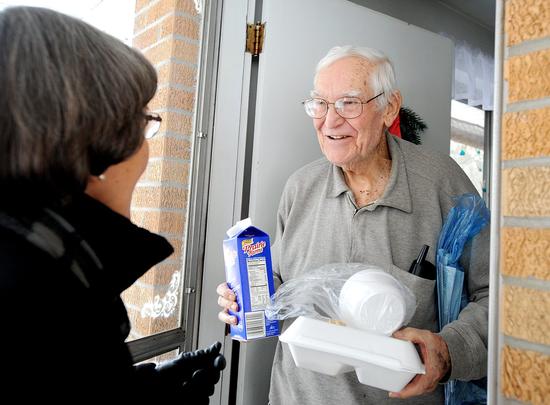
For low-income seniors who cannot cook or prepare foods for themselves, the Department of Aging (DFTA) funds a free home-delivery services. Seniors have the option to have hot meals delivered daily or have pre-made frozen meals delivered twice a week.

Eligibility is determined on a case by case basis done by a case management service. These services are free, and case management agencies are available in each borough. To find out more about the case management process, visit here. And to find the closest case management agency to you, visit here.

To learn more about home-delivered meals, visit here or call 311.

God’s Love We Deliver

God’s Love We Deliver is a free meal-delivery service for low-income people suffering from life-altering illnesses (such as HIV/AIDS , cancer, alzheimers, etc). God’s Love customizes its meals to fit the person’s dietary restrictions. To learn more, visit their website www.glwd.org/clients/become.

Continue reading

Healthy Living

How to Perform a Self-Administered Breast Exam

Although we may only dedicate one month a year to breast cancer, that doesn’t mean breast exams should only be administered once a year. In fact, self-given breast exams should be done at least once a month. Nearly 40% of breast cancer was first detected by women noticing a change in their breast(s). Here, we go through the proper way to do a self-administered breast exam.

1) Check your breast with your hands on your hips & your hands above your head

Breast Self-Exam - Steps 2 and 3Breast Self-Exam - Step 1

Standing in front of a mirror, remove your bra and place both hands on your hips. Check to make sure your breasts are their normal shape, size and color, with no distortion or swelling. Any change should be shown to a doctor as soon as possible. Changes can include:

  • Any visible bulging, lumps, puckering or dimpling on the breasts.
  • Changes to the nipple, such as displacement or inverted nipples.
  • Any redness, soreness, swelling, or rashes.

Next, raise your hands above your head and look for the same symptoms. Be sure to look under your breast, as well. When raising your arms, check to see if either one or both of your nipples are excreting any fluids (such as watery, yellow, or milky fluids, or blood). If so, consult a doctor ASAP.

2) Conduct a self-examination.

Breast Self-Exam - Step 4

While lying down, place a pillow under your right arm and lift your right arm over your head while using your left hand to feel your right breast. Using the pads of three fingers, move them in a tight circular motion to feel your breast. Keep your fingers flat and pressed together, applying down on your breast firmly and softly. Move your fingers all along your entire breast, from up to down and side to side, including inside and around the armpit. You should be feeling for any abnormal lumps, knots, thickening, or indents. Squeeze the nipple to check for any discharge. To ensure maximum coverage, try either moving your fingers up and down your breast, in rows, or starting from the nipple and circling outwards. The deeper the breast tissue, the more pressure should be applied. When done, switch the pillow to the left side, lifting the left arm and feeling the left breast with your right hand.    

3) Examine yourself in the shower.

Breast Self-Exam - Step 5

Checking your breast in the shower is a great way to move your fingers around your breast smoothly. Lifting the right arm, use the left hand to check the right breast. Use the instructions in step 2. Repeat with left breast.

Of course, you should always be checked by a doctor  and receive mammograms every year, regardless of whether or not you are seeing any signs or symptoms of breast cancer. For more information, visit the sites down below:

http://www.nationalbreastcancer.org/breast-self-exam

http://www.breastcancer.org/symptoms/testing/types/self_exam/bse_steps

(Image Sources: breastcancer.org)

Continue reading

BrooklynHealthy LivingNY for Seniors TV

GrowNYC on New York for Seniors TV

Kimberly Dole, of New York for Seniors TV caught up to Rob Shepherd, of GrowNYC’s Greenmarket program, at the Brooklyn Boro Hall Farmers market. They talk about the farmers market and the Free Greenmarket Tours for senior centers, in partnership with GrowNYC, AlphaCare and New York for Seniors magazine.

Continue reading

Healthy Living

Feeling Under the Weather? It Might be Allergies

Confused as to why you’re suffering from allergies during the fall? It’s not as uncommon as you think. While most people think of the spring as the peak allergy season, the fall contains just as many allergens in its air. Here, we breakdown one of the most common reasons for fall seasonal allergies and some of the different ways to treat them.

Fall Allergies

So, what about the fall is causing so many people to suffer from allergies? It’s ragweed. Ragweed is a plant that grows all across America, especially on the east coast and the Midwest. It’s pretty much impossible to avoid. Ragweed plants produce a lot of pollen, and bloom primarily between August and November, with pollen production peaking around mid-September.  Symptoms of ragweed allergies include:

  • Sneezing
  • Runny / stuffy nose
  • Irritated – itchy eyes
  • Itchy throat
  • Headache
  • Coughing or wheezing (Most common in people with asthma)

(Source: acaai.com )

Treatments

Ragweed allergies can be treated with regular over-the-counter or prescription allergy medications. For severe cases of ragweed allergy, an allergist can either administer allergy shots to build up your immune system or can prescribe special medication.

Ways to help avoid ragweed includes:

  • Checking the pollen count in the morning. (it’s usually available on weather reports. It can also be found here at pollen.com)
  • Keeping windows closed, if possible, especially in the mornings, when ragweed pollen count tends to be the highest.
  • Changing your clothes after being outside, taking showers at night, and washing your hands after petting an animal that has been outside. This is because pollen tends to stick to clothing, people, and animals.
  • Wearing a filter mask when doing outdoor chores like mowing the lawn or raking leaves.

Other treatments:

  • Drinking a lot of fluids, especially if you feel congested. Fluids help loosen mucus in the nose and throat.
  • Use steam to help clear a stuffy nose or head. Steam from a hot shower,  a store-bought steamer, or holding your face close to a steaming bowl of water all work well. Even drinking hot tea (especially peppermint) can help, being a natural relief from congestion, as well as providing a bit of steam.

Continue reading

Featured News

Have Questions About Voting Before The Big Election? We Got You Covered. Here’s Everything You Need To Know About Voting This November

Wondering when the last day to register to vote is? Or whether you’re still registered to vote? Then we got answers for you. Here, we answer some of the most commonly asked questions about voting in New York before this Election Day.

When is the last day to register to vote?

October 14th is the last day to register to vote online, by mail, or in person in New York.

To register online, you must either create, or sign into your dmv.ny.gov account. To create an account, you must have a NY State ID (forms include licences, permits, or non-driver IDs). Once on your account, you can choose to register to vote.

To register by mail, you must first either download and print the New York State voter registration form (which can be found here) or you can request a copy to be mailed to you by calling 1-800-FOR-VOTE (8683). After completing the forms, you must mail them by Oct 14th to your county Board of Elections. (full list of county offices here, Interactive map found here)

To register in person, you can go to your local county Board of Elections (link above) or to your local Department of Motor Vehicles and fill out the form. The form must be returned by Oct 14th.

Where can I check if i’m registered to vote?

You can check online using voterlookup.elections.state.ny.us/. After entering your information, you can find out your voter status, your registered party, and your districts.

I registered to vote X amount of years ago, do I have to re-register?

You only need to re-register if you have have moved to a new address or want to change your party affiliation. To do this, simply re-register using any of the forms listed above.

I won’t be able to go to my local poll on Election Day. Can I still vote?

You can vote using an Absentee Ballot if you are:

  • Away from your county on Election Day.
  • If you are temporarily or permanently ill or disabled OR if you are the primary caregiver to someone who is ill or disabled.
  • A patient or inmate in a Veterans’ Administration Hospital.(x)
  • In jail awaiting Grand Jury action or confined to prison after conviction for an offense other than a felony.(x)

(Source:elections.ny.gov/VotingAbsentee)

Absentee Ballots are available online here or at your local county Board of Elections. The ballot must either be mailed a week before the election date (by Nov 1st), or be delivered to your county Board of Elections by the day before Election Day (Nov 7th). To learn more, visit elections.ny.gov/VotingAbsentee here.

I have to work on Election Day. Can I take a few hours off to go and vote?

According to state law, workers who do not have sufficient time before or after work to visit the polls are allowed to take up to two hours with pay at the beginning or end of their shift in order to vote. To learn more, visit here.

When is Election Day?

November 8th. Polls are open from 6 a.m. to 9 p.m.

Where can I go to learn more?

For more information, visit elections.ny.gov.

Continue reading

Uncategorized

Top Ten Fall Fruits and Veggies

Pumpkin. Pumpkin is the king of winter vegetables. Aside from making great jack-o-lanterns and holiday pies, pumpkins are incredibly rich in vitamin A, potassium, and vitamin C. Pumpkins stay fresh for up to a few weeks, and can be stored outside. For optimal usage, don’t keep a pumpkin on a carpeted or wooden surface, which can cause it to soften and become mushy.

Guava. Come the fall, sweet, ripe guavas are all the rage. Guavas are high in vitamin C, potassium, and dietary fiber. For best storage, keep guavas in room temperature until ripe. Once ripe, place into the fridge. They should stay fresh for up to four days.    

Apples. If you’ve ever visited a farmer’s market in the fall, you’ve probably noticed the large amounts of apples. Apples are chock full of vitamin C, carbohydrates, and dietary fiber. They can be stored at both room temperature and in the refrigerator, both for a few days at a time.

Eggplant. Eggplants are extremely versatile and delicious. They’re low in calories and high in dietary fiber. To properly store, place whole eggplants in a cool temperature. Avoid cutting the vegetable before storing it because it will dry up.  

Winter Squash. Winter squash is overflowing with vitamin A, C, B6, fiber, magnesium, copper and potassium. To store, keep away from direct sunlight and place in a cool temperature. If properly stored, the squash can be kept fresh for multiple weeks. Once the squash is cut up, wrap in plastic and store in the refrigerator. It will stay good for up to two days.  

Sage. Whether it’s fresh or dried, sage is an absolute cooking essential. High in vitamin K, dried sage should be placed in a glass container in a cool, dark place. In this manner, it should last up to half a year. To store fresh sage, wrap the leaves in a damp paper towel and store inside a sealed plastic bag. Keep it refrigerated and it should stay fresh for several days.

Sweet Potato. As one of the ultimate Thanksgiving side dishes, sweet potatoes are extremely high in vitamin A, C, B6, B3, B2, B1, magnesium, potassium, and copper. To keep fresh, avoid refrigerating. Instead, keep the potato in a cool, well-ventilated place.

Kale. There’s a reason why so many people are obsessed with kale. It’s one of the healthiest greens, filled with vitamin K, A, and C. Keep the kale in an airtight plastic bag for up to five days in the fridge.

Turnips. Turnips get a bad rep. They’re extremely healthy with vitamin K, A, C, E , B6, folate, copper, magnesium, fiber, and calcium. If you purchase your turnips with the greens still attached, remove the greens before storing. Then, store the turnip and the greens separately in airtight plastic bags. Refrigerate for up to four days.

Cauliflower. Filled with vitamin C and K, cauliflower is the perfect side dish to any dinner. To store, place a full cauliflower in a paper or plastic bag. It can be refrigerated for up to a week. For pre-cut cauliflowers, store in an airtight plastic bag or container. It should be consumed two to three days after buying.

Continue reading

Uncategorized

Rent Stabilization: Tenant Rights

What is rent stabilization?

Rent stabilization is a New York-based program, which regulates an apartment’s rent and the landlord’s power. Under rent stabilization, tenants are protected by certain rights. These rights include:

  • Protection against unreasonable or unwarranted rent increases.
  • The right to renew one- or two-year leases.
  • Protection against unfair evictions.
  • The right to proper services and repairs.
  • The right to pass on the apartment after they are deceased or leave the apartment.

When understanding rent stabilization, it is important to remember that each right has certain limitations and exceptions. Knowing your rights as a tenant is important, and knowing these rights will help tenants of rent-stabilized apartments further understand the extent of their rights.

Knowing tenant’s rights

Rent stabilization rights focus on an apartment’s affordability, habitability, and the tenant’s security.

Affordability

Although rent stabilization controls rent, the rent does not reflect the surrounding area market rents or the tenant’s or household’s income. Instead, an apartment’s rent is determined by the building’s rent history. Legally, a new tenant to a rent-stabilized apartment cannot be charged more than a certain percentage than the last tenant. If the apartment was vacated for  two years or less, the new rent can increase 5%; less than three years, 10%; less than four years, 15%; and less than five years, 20%. These are known as vacancy increases.  

Furthermore, tenants who renew their leases cannot have their rents raised any higher than the approved rate for their location. These rates are chosen by the NYC Rent Guidelines Board and change every year. For this year’s rates, visit here.  

Habitability

Landlords must provide necessary repairs and services, including heat and hot water, maintenance, painting and janitorial service. If a landlord does not provide these services, then the tenant has the right to report the neglect.

When an apartment or building lacks essential repairs (i.e: no heat or hot water, filthy halls, lobbies or other common areas, broken locks, etc.), then tenants have the right to file a Rent Reduction Based Upon Decreased Service(s) – Individual Apartment form. If approved, the tenant(s)’s rents will be lowered until all services are fully restored. To learn more visit here.

If an apartment requires emergency repairs which force the tenants to evacuate their homes, then an Application for Decreased Services – Individual Apartment Emergency Conditions can be done. These cases get special privileges and are given first priority. To learn more, visit here, and to go to the form site, visit here.

Tenant’s Rights

The right to pass on a rent controlled apartment to a family member is known as succession rights. Family members who have resided with the primary resident for more than two years are allowed to renew the apartment’s lease after the primary tenant passes away or leaves the apartment. The immediate successor cannot be charged with vacancy increases. A family member can be anyone related by blood or law or can be anyone who lived with the primary tenant who shared an emotional and financial commitment with them. For more information, visit here.   

Tenants also have the right to file for overcharge if they are being overcharged on their rent. (Find more information here)

Additional sources

http://www.nyshcr.org/Rent/FactSheets/orafac1.pdf

http://www.nyshcr.org/Rent/FactSheets/index.htm#fac16

http://metcouncilonhousing.org/help_and_answers/about_rent_stabilization#answer03

http://www.nycrgb.org/html/resources/faq/rentstab.html

Continue reading

Healthy Living

Healthy Aging Month: Answering the Most Commonly Asked Health Questions

Ever wonder what exactly a calorie actually is? Or whether there is such thing as good cholesterol? For National Healthy Aging Month, we’re celebrating by breaking down three of the most misunderstood and important health misconceptions and questions.

What Are Calories, and Why Do They Matter?

A calorie is a unit of energy. While calories vary in types and measurements, the calories we are all most familiar with are the ones we use to measure nutrition. Calories are measured by a food’s basic nutrients. The three main nutrients calories are measured off of are:

  • Carbohydrate = 4 calories per gram.
  • Protein = 4 calories per gram.
  • Fat = 9 calories per gram.

This is why foods high in fat have higher calories than foods high in protein or carbs. This is also why many people find it useful to count their daily intake of calories. It gives them more control in making sure their daily intake of calories is not consumed by empty calories, which are calories gained from foods high in fat that have little to no nutritional value.

What Are Carbs, and Should You Be Eating Them?

It’s not uncommon to hear people talk about cutting out carbs as a way of losing weight. But, what most people don’t know is that carbs are found in the majority of foods, and they’re not bad for you. According to the USDA, 45% – 65% of daily calorie intake should be carbs. This is because carbs are our body’s main source of fuel. Carbs are broken down by the body into glucose, which the body then uses for energy. Carbohydrates are also essential to maintaining function in the central nervous system, kidneys, brain, muscles, and heart. Certain carbs are also fiber, which is essential to the body’s intestinal health and waste elimination

So, why do carbs have a bad reputation? Many foods that are high in carbs are refined and processed, which strip away the food’s nutritional value. Foods like white rice and white bread have plenty of carbs, but are lacking in fiber and other important nutrients. While most people know that refined foods are generally bad, many incorrectly blame the food’s shortcomings on its carbs.
How Can There be Both Good and Bad Cholesterol?

Cholesterol is a fatty-like substance that can be found in all of the body’s cells. It is necessary in helping the body produce hormones, Vitamin D, and other substances that aid digestion. So, why is it so bad for us? While we do need cholesterol to remain healthy, the body actually produces all the cholesterol it needs. Too much cholesterol can lead to higher risk in heart disease.

There are two types of cholesterol:

LDL cholesterol, which in high levels causes buildup in the arteries.

HDL cholesterol, which carries other cholesterol in the body to the liver, where it is then removed from the body.

LDL is often described as the bad cholesterol and HDL as the good. This is because high levels of LDL cholesterol can cause high blood pressure, which can lead to coronary heart disease. High levels of HDL help lower your risk of coronary heart disease.

Continue reading

Featured NewsLifestyle

Knowing Elder Abuse: The Types, Signs, and Resources

What is Elder Abuse?

Elder abuse is the intentional act of abuse towards older adults over the age of 60. Elder abuse is a large-scale problem that is more common than most people realize. In one study done on more than 7,000 seniors, it was found that one in ten seniors had experienced elder abuse at least once in the past year. And yet, it is estimated that only one out of every 23 elder abuse cases are being reported to the appropriate protective services.

Types of Elder Abuse

Many people assume that the only form of abuse is physical abuse. But, that is far from the truth. Elder abuse takes on many different forms, all of which put victims in danger. The different forms of abuse are:  

Physical abuse, which includes violent actions such as hitting, slapping, bruising, burning, or any other physical action that causes bodily harm, injury, pain, impairment, distress, chronic or acute illness, or death.

Physical abuse also includes forcibly restraining an elder and forcing unwanted and unrequited sexual conduct (both physical and nonphysical).

Psychological/emotional abuse, which includes insults, threats, neglect, isolation, name calling, and demeaning or controlling behavior that results in the victim feeling humiliated, distresses, scared, tormented, or emotionally pained.

Neglectful abuse, which includes the failure or refusal of a caregiver to provide the victim with their vital needs. These needs include food, medicine, necessary aids, hygiene, clothing, or shelter, all of which can result in jeopardizing the senior’s health and safety.    

Financial abuse/exploitation, which is the illegal or unwarranted use of an elder’s financial or valuable resources. This can include theft, forgery, or misuse of the victim’s funds or possessions, forcing the surrender of the victim’s finances or properties, refusing the victim access or use to their personal assets, and wrongful use of power of attorney (the legal act of controlling someone else’s legal and financial matters) and guardianship.   

What to do

It is imperative to seek help if you or someone you know is suffering from elder abuse. Many people will hold back from reporting elder abuse because they either notice it, but do not want to intrude on someone’s personal life or they are experiencing the abuse, but do not want to report their family or caregiver. But, without seeking help, the abuse will only continue to escalate, which will result in causing even more harm to the victim.  

If you or someone you know is in immediate danger, call 911. If you or someone you know is suffering from elder abuse, call 311 to report abuse or to be connected with helpful resources. Many resources are available in order to combat elder abuse

To report Elder abuse, visit The Department of Justice’s Elder Justice Initiative here.

To learn more about Elder abuse, visit:

The United States Department of Justice’s Elder Justice Initiative

The National Institute of Justice Elder Abuse

NYC Department for the Aging

Administration on Aging

For additional resources, visit: CDC/ Elder Abuse: Additional Resources here.

Continue reading

Healthy LivingLifestyle

Generic vs Brand Medication: Which Is Better?

You’re standing in a pharmacy looking for a standard pain reliever when you’re faced with the choice of buying either the brand-name or the generic brand. Although the generic brand is cheaper, you decide to go with the brand-name medication because you assume it works better. But, this isn’t actually the case. When it comes to drugs, brand-name and generic name medications are much more similar than a lot of people think. In fact, when it comes to the effects of the medication, there isn’t much of a difference between the two at all.  

The truth is generic brand medications work just as well as name-brand medications. In fact, generic medications must be passed by the FDA in order to be sold. The FDA has very strict guidelines when it comes to generic brand medications. Some of these guidelines include:

  • The generic drug must have the same active ingredients as the name-brand drug. It must also have the same strength, dosage form, and route of administration as the name-brand drug.
  • Generic drugs must be bioequivalent to the name-brand drug. This means that the generic drug must have the same effect as the name-brand and must come into effect in the same amount of time as the brand-names.
  • Both generic and brand-name drugs must pass the same quality standards. These standards take into account the drug’s manufacturing, packaging, and testing sites.

In order for a generic brand medication to be passed, the drug must be almost identical to its branded counterpart. In a FDA evaluation, it was found that there was only a 3.5% difference in generic and branded drugs’ absorption into the body. In another study done on heart medications, it was found that the generic heart medication worked just as well as the brand-name drug.

Even so, generic and brand-name medications are not exactly alike. The main difference between the two drugs are the inactive ingredients ,or, the filler ingredients. These ingredients make it so that the medications can have substantial doses, since the active ingredients are rarely enough to fill a medication capsule. Medications can use ingredients that are pre-approved like starch or lactose. Because of the difference in inactive ingredients, generic and brand-name drugs can vary in appearances.

Another big factor in proving that generic drugs and name-brand drugs are extremely similar is that most drugs administered by a pharmacist are usually generic. In fact, about 8 out of 10 prescriptions are for generic brand drugs. So, even if you never bought an over-the-counter generic drug, you’ve most likely used a generic prescription drug.  

 
So, why do most prescriptions call for generic drugs? Because they’re more affordable. Generic drug prices can be as much as 80% lower than brand-name prices. As a result, studies have found that patients who are prescribed generic drugs from the start are more likely to stick to their medications.

Continue reading

Lifestyle

Guide To The New York Relay Service

What is The New York Relay Service?

The New York Relay Service is a free statewide service that allows people who are deaf, hard-of-hearing, deaf-blind, or speech-disabled who use text or voice carry-over telephones to call standard phones. This process is done through an operator, and can also connect standard phones to text or voice carry-over phones. This service is available 24/7, everyday of the year, and can make calls anywhere in the world.

The service is performed several different ways. By calling or typing 7-1-1 the caller is connected to an operator, who will then aid the conversation depending on the needs of the user. These include:   

Text Telephones (TTY) to Voice. For people who are deaf, hard-of-hearing, or speech-disabled using a text telephone, an operator will read the typed conversation to the hearing person and will type the spoken conversation to the TTY user.   

Telebraille to Voice. For deaf-blind people using a Telebraille device, an operator will read the typed conversation to the hearing person and will type the spoken conversation to the Telebraille user. The Telebraille user will receive the conversation at a pace of 15 words per minute in order to allow time to read. Users can request that the speed either be slowed down or sped up.

Voice Carry-Over (VCO) to Voice. Voice Carry-Over phones allow people who are deaf or hard of hearing to speak to the hearing person and read their response. An operator will type the hearing person’s conversation to the VCO user, and the hearing person will hear the VCO user speaking.   

Speech-to-Speech (STS) to Voice. This allows people with speech-disorders or impediments to be fully understood by the person on the other end line. The receiver will hear the STS user and then the operator, who will repeat the STS user. This is done on a standard phone.

Hearing Carry-Over (HCO) to Voice. Using a HCO device, speech-disabled HCO users can hear the person they called and can type back their response, which will be read by the operator to the hearing person.

Relay services are not only available in New York. They can be used in every state at 7-1-1. By federal law, all conversations are completely private and no records of any conversations are kept. There is no limit to how long a call can last. The service offers both English and Spanish operators, and also offers translations between both languages. The service is toll free, but long-distance calls may have standard charges. For more information visit, www.nyrelay.com.

Continue reading

Uncategorized

What You Need To Know About Prostate Health

What is the Prostate?

The prostate, found in men, is a walnut-sized gland located behind the scrotum and under the bladder, and is responsible for generating fluid that makes up part of the sperm. The prostate is an important part of the male reproductive system. As men become older, the prostate generally enlarges, which can cause or be a sign of one of three of the most common prostate issues. These medical conditions are prostate cancer, prostatitis, and BPH.

Prostate Cancer, also known as adenocarcinoma, forms in the glands’ cells. Prostate cancer is notorious for developing slowly and can sometimes show little to no symptoms, making it difficult to detect. Symptoms can include difficulty urinating, frequent urination, blood present in the urine or semen, painful urination and ejaculation, and pain in the back, pelvis, and hip areas.It is important to know that while these are all symptoms, they are not all direct signs of prostate cancer, and can be linked to other prostate complications.


Prostatitis is the inflammation of the prostate gland, and can be caused by infection. The symptoms are similar to prostate cancer symptoms, and include chills and fever, pain in the stomach, groin and scrotum, and loss of sex drive. Prostatitis comes in different forms, all curable through medication, antibiotics, and pain-control treatments.

BPH, or benign prostatic hyperplasia, is the enlargement of the prostate that causes issues with urination. Like prostate cancer, BPH is most commonly found in men over the age of 50, and has the same symptoms. BPH is incurable and if untreated can lead to kidney or bladder infection, kidney failure, bladder weakness, and complete blockage of urine flow. Drugs and surgery, limiting consumption of alcohol and coffee, and urinating completely can lessen symptoms.  

Though they share the same symptoms, prostatitis and BPH do not lead or heighten the chances of contracting prostate cancer. But, it is possible to have more than one condition at the same time.

How to Keep A Healthy Prostate.

There are four major factors that influence a man’s chance at developing prostate issues during his lifetime. Some of these factors are age, family history, and race. Half of men in their 60s will suffer from BPH or symptoms of an enlarged prostate. This percentage goes up to 90% in men over 70. Before the age of 50 the most common prostate problem in men is prostatitis. Men with a family history of prostate health issues are at greater risk of developing these issues during their life. Men with fathers or brothers who have or had prostate cancer are twice as likely to develop the cancer. African American men are at a higher risk of dying from prostate cancer.

Keeping a healthy prostate falls into keeping a healthy lifestyle. Ways to keep a healthy prostate are:

  • Eating a healthy diet low in calories and fat, especially fat from red meat and dairy products. Foods that have been shown to aid prostate health include: fish, tomatoes cooked in olive oil, broccoli, cauliflower, soy, and green tea.
  • Avoiding consuming too much calcium, over 1,500 mg; and over-supplementing with megavitamins.
  • Avoiding smoking.
  • Drinking alcohol only in moderation.   
  • Seeking treatment for medical conditions such as high blood pressure, high cholesterol and depression.
  • Reducing stress.
  • Having yearly rectal examinations and PSA tests if you are over 50 (or over 40 if you are at high risk of prostate cancer).

Continue reading

X
X