Photo Credit: Zinerman for NY Assembly 56
Health careSeniors of NYC

New York Seniors Stand to Benefit from Zinerman’s Care Proposal

Zinerman Leads the Charge for Senior Care Investments Throughout New York

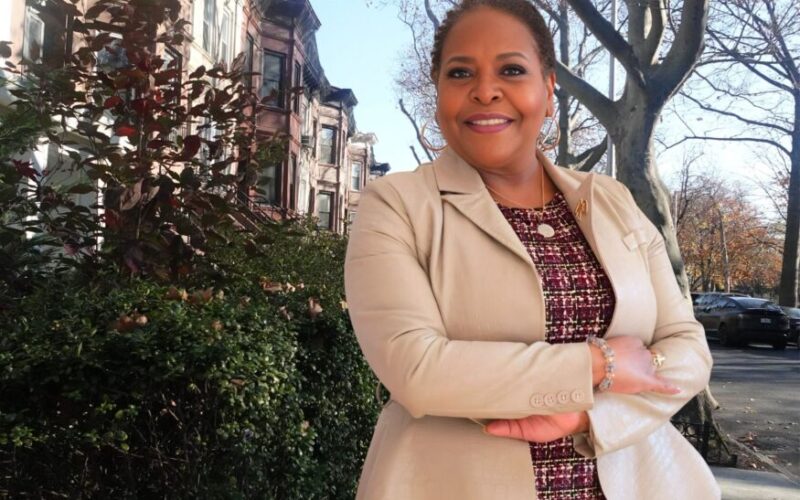
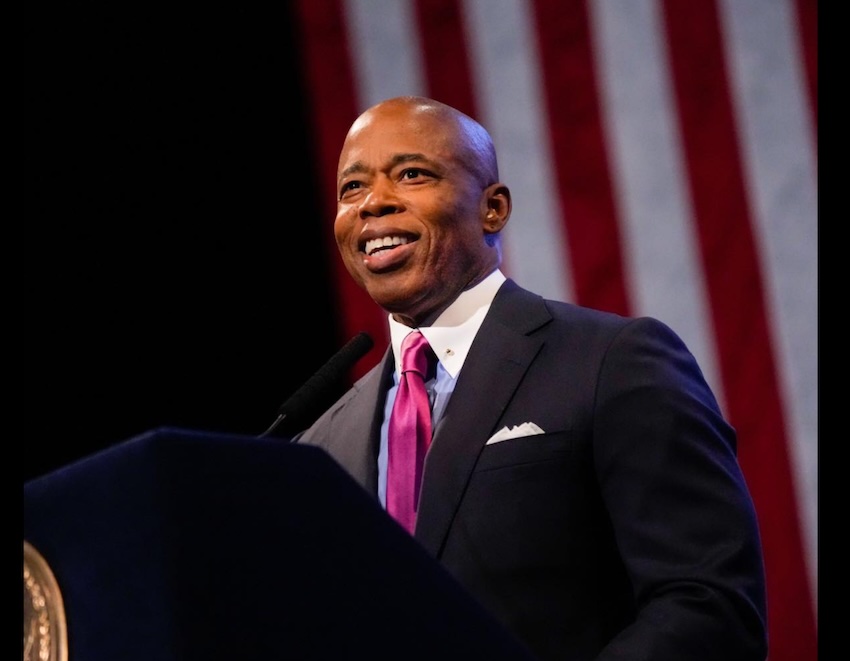
Older Americans Month 2026 just got a big boost, thanks to Assemblymember Stefani Zinerman’s ambitious push to overhaul senior care in New York. She’s advocating for almost $450 million in funding to give older adults more options and protections—focusing on essentials like home care, affordable housing, transportation, and improving oversight of long-term care facilities.

New York’s growing senior population has lawmakers feeling the heat, and Zinerman’s proposal couldn’t come at a better time. Seniors face mounting challenges: unpredictable housing, rising healthcare bills, caregiver shortages, and often tricky access to local support. This new package, highlighted on NYC Newswire, aims to change that dynamic—and fast.

Part of her initiative involves new legislation (A5006) that would strengthen oversight by setting up volunteer ombudsperson teams in each Assembly district to support nursing home residents and their families facing concerns with care quality.

Expanding Community-Based Senior Services

What sets this investment package apart? Instead of just shoring up big institutions, Zinerman’s plan is heavily focused on boosting services right in the community—making it easier for seniors to age comfortably at home or nearby, rather than having few choices but to move into facilities.

This includes significant funding for:

  1. In-home care services
  2. Transport assistance to keep seniors mobile
  3. Meal delivery and nutrition programs
  4. Support for families and caregivers
  5. Housing stability efforts
  6. Case management for complex needs
  7. Enhanced oversight for care facilities

Roughly $200 million would flow through the New York State Office for the Aging, with nearly $450 million total when housing initiatives are included. It’s a comprehensive attempt to break down the obstacles keeping older adults from thriving in their own communities.

Brooklyn Roots Inspire Statewide Advocacy

This isn’t just a policy issue for Zinerman—it’s personal. Before her Assembly role, she worked with the Community Service Society’s volunteer network and led age-friendly projects in Bedford-Stuyvesant and Crown Heights. She credits Brooklyn’s seniors for sustaining communities through decades of hardship, from redlining and foreclosures to displacement and hospital closures.

For Zinerman, supporting seniors isn’t a new fight—it’s the heart of her public service, and she wants policy to keep residents secure where they belong.

Statewide Conversation: Why Funding for Aging Care Matters

As New York confronts an aging boom, rising costs, and a shortage of caregivers, investments in home- and community-based aging support are increasingly seen as the smartest way forward. Not only do these efforts boost independence and well-being, they also help avoid costly hospitalizations and institutionalization.

The need for home care workers, senior transportation, and affordable elder housing has never been higher—and Zinerman’s package aims to answer that demand.

Next Steps for Senior Support in New York

Budget talks will keep state leaders negotiating on the future of senior funding, and Zinerman plans to press forward with her long-term care council bill. Want the original scoop? Find it here.

As the spotlight on aging policy grows, Zinerman’s efforts are shaping how New York addresses its seniors’ needs into the future.

Key Questions, Answered

What’s the main goal? Zinerman is fighting for a $450 million investment to improve senior services, including home care, mobility, housing, and oversight. Details are available here.

How would oversight be improved? Through district-based ombudsperson councils providing direct support and monitoring at care facilities.

Why does this matter? Better community-focused services can help seniors maintain health and independence—and keep costs down long-term.

Stay in the Know

Keep up with NYC senior issues, healthcare news, and Brooklyn community updates by joining our newsletter—never miss a story about New York aging policy!

Continue reading

Photo Credit: Master of Stocks
Activities & EventsHealth careSenior resourcesSeniors of NYC

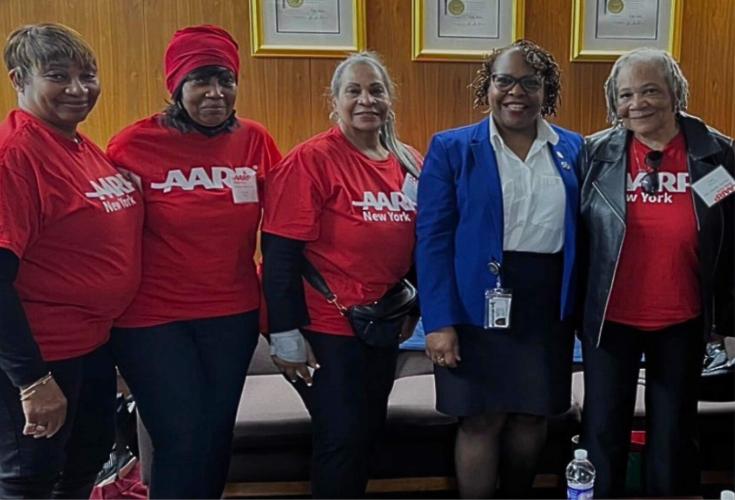
AARP New York Urges Stronger Investment in NYC Senior Services

AARP New York is warning that New York City’s proposed Fiscal Year 2027 budget does not go far enough to address the growing affordability crisis facing older adults as housing, healthcare, and food costs continue rising across the city. The organization says funding for aging services remains inadequate despite increasing demand and rising poverty levels among seniors.

AARP New York Criticizes NYC Budget Priorities For Older Adults

AARP is warning that the city’s FY2027 budget does not go far enough… and is calling on city leaders to increase investments in senior services.

The advocacy group says many older New Yorkers continue facing mounting financial pressure as the cost of housing, healthcare, food, and other daily living expenses rises throughout the city.

According to a press release published via NYC Newswire, AARP New York praised several proposed investments tied to affordable housing, caregiver support, and expanded rent protections, but argued that overall funding for senior-focused services remains insufficient.

The concerns arrive as New York City’s aging population continues growing while many older adults struggle to remain financially stable in neighborhoods where living costs have sharply increased over the last decade.

Rising Senior Poverty Fuels Budget Concerns

AARP pointed to growing economic hardship among seniors as a major reason city officials should expand support for aging services.

The organization noted:

  • One in five New Yorkers is now age 65 or older
  • Poverty among older adults has increased nearly 50 percent over the past decade
  • The Department for the Aging receives less than one percent of the city budget
  • Overall DFTA funding would decline compared to last year under the proposed budget

Advocates say the affordability crisis is increasingly affecting older residents living on fixed incomes who face rising rents, medical costs, and food insecurity.

“New York City’s older adults are facing a growing affordability crisis, and this budget does not yet appear to meet the moment,” said AARP NY State Director Beth Finkel.

The organization warned that without stronger investment, many seniors may struggle to remain independent and safely housed within their communities.

AARP New York Supports Some Budget Investments

While criticizing overall funding levels, AARP acknowledged several areas included in the budget proposal that advocates say could benefit older residents.

The organization praised investments connected to:

  • Family caregiver support services
  • Affordable housing initiatives
  • Nonprofit workforce stability
  • Expanded SCRIE and DRIE protections

SCRIE and DRIE programs help eligible seniors and disabled New Yorkers limit rent increases in rent-regulated housing.

Advocates say expanding eligibility protections could help more residents remain in their homes amid rising housing costs.

However, AARP NY argued that additional support remains necessary for core aging services that many seniors rely on daily.

Home-Delivered Meals And Senior Centers Remain Key Concerns

The organization specifically highlighted concerns about funding tied to home-delivered meals and Older Adult Centers across the city.

According to the organization, meal funding remains largely flat despite increasing demand, while many senior centers continue facing operational challenges including:

  • Deferred building maintenance
  • Staffing shortages
  • Limited programming resources
  • Rising operating costs

“These are lifelines that help people stay healthy, independent, and connected,” Finkel said.

Advocates say senior centers increasingly serve as critical community hubs providing meals, social support, mental health resources, and wellness programming for older adults who may otherwise face isolation.

NYC Budget Debate Reflects Broader Aging Policy Challenges

The debate surrounding the FY2027 budget reflects broader conversations unfolding nationally as major cities adapt to aging populations and rising affordability pressures.

New York City has increasingly faced questions over how to balance housing costs, healthcare access, social services, and long-term aging support as demographic trends shift.

AARP New York says future city budgets must place greater emphasis on allowing older residents to age safely within their communities instead of being displaced by rising living expenses.

“Older New Yorkers built this city and made it great,” Finkel said. “They deserve a city that cares for them and provides the support they need to age safely in the communities they call home.”

What Happens Next

New York City officials and the City Council will continue negotiating the final Fiscal Year 2027 budget in the coming weeks before adoption deadlines later this year.

AARP New York says it plans to continue pushing for increased funding tied to meals, affordable housing, senior centers, caregiver programs, and mental health services for older adults.

Additional details were first outlined in a press release published via NYC Newswire.

The growing debate over aging services underscores how affordability, housing stability, and healthcare access remain central issues for New York City’s rapidly expanding senior population.

What Readers Want To Know

Why is AARP New York criticizing the NYC budget?
AARP says the proposed FY2027 budget does not provide enough funding for aging services despite rising poverty and affordability pressures among seniors.

What services does AARP New York want expanded?
The organization is calling for stronger investments in home-delivered meals, Older Adult Centers, affordable housing, mental health services, and caregiver support.

What programs did AARP New York support in the budget?
AARP praised proposed investments tied to caregiver services, affordable housing, nonprofit support, and expanded SCRIE and DRIE protections.

Stay Updated and Subscribe

Get the latest updates on NYC policy, senior services, healthcare, housing, affordability, and city government delivered directly to your inbox.

Subscribe and join our newsletter to stay ahead of New York City’s biggest public policy and community stories.

Continue reading

Stefani Zinerman in Bed Stuy with brownstones in the background photo by lifesabashinc
Senior housing

Community Alert: Zinerman Backs Bed-Stuy Housing Fair for Residents Facing Cost Hikes

Got housing questions or concerns? This weekend, Brooklyn residents—whether you rent or own—can get practical help and connect with experts at the SD25 Renters & Homeowners Resource Fair. Mark your calendar for Saturday, April 4, and head over to Restoration Plaza, 1368 Fulton St. in Bed-Stuy, anytime from 11 a.m. to 4 p.m.

Expect a welcoming atmosphere where community organizations and city agencies gather to offer advice and resources tailored to Brooklyn’s unique housing landscape. The event is designed to support people facing challenges like deed theft, changing NYCHA and PACT programs, and the ongoing complexities around renting and owning a home in the borough.

Assemblywoman Stefani Zinerman, who’s slated to attend, emphasized in an NYC Newswire announcement that she wants residents to take full advantage of this chance to get informed and express any concerns. She’ll be on hand to listen and to support the event’s mission.

As home prices rise and tenant protections become more vital than ever, neighborhoods like Bed-Stuy, Brownsville, and East New York are particularly affected. That’s why the fair pulls together groups like NYCHA, NHS Brooklyn, United for Brownsville, SAGE, and more—all in one accessible location.

Beyond informational booths, the fair features a day full of engaging panels and presentations: find out how to avoid deed theft, get the latest on NYCHA/PACT updates, learn about affordable homeownership, and boost your knowledge on renters’ rights. There’s something for everyone, from first-time buyers to longtime tenants.

And for a change of pace? Stick around for a community screening of Slumlord Millionaire—a hard-hitting look at New York’s housing struggles—plus a short film about Brooklyn’s historic Slave Theater.

No charge, no registration required; just show up. If you’re looking for real guidance or want to connect to resources that could make a difference in your housing journey, this event was made for you.

Continue reading

Assemblywoman Nikki Lucas with Easter Hat Pageant participants 2025 - photo credit: Kim Gill
PoliticsSenior resources

East New York, Brooklyn Seniors Invited to Nikki Lucas’ 10th Annual Easter Hat Pageant

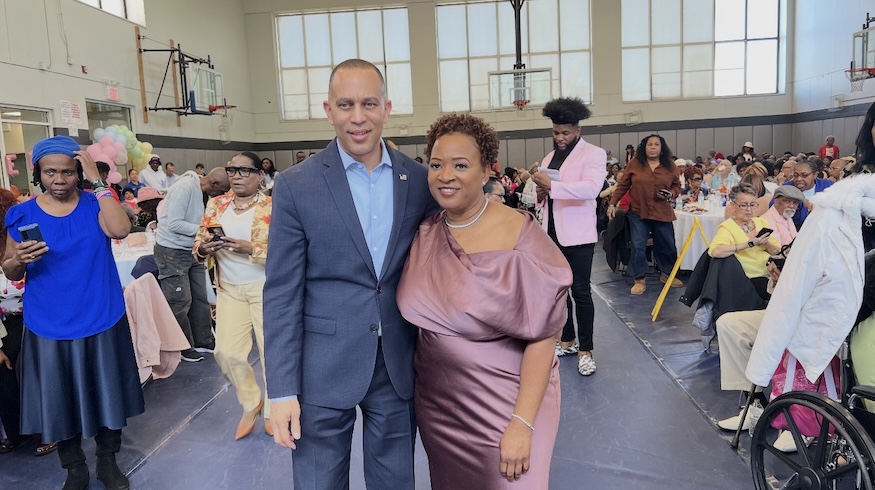
Seniors in East New York, Brooklyn are invited to attend the 10th Annual Easter Hat Pageant and Luncheon hosted by Assemblywoman Nikki Lucas in partnership with Congressman Hakeem Jeffries on April 2, 2026. According to a press release published on NYC Newswire, the annual event has become a staple for older adults in East New York and Brooklyn. The event will feature food, entertainment, music, door prizes, and Easter hat competitions for men and women.

Community Tradition Returns to East New York

Congressman Hakeem Jeffries and Assemblywoman Nikki Lucas at 2025 Easter Hat Pageant photo credit: Kim Gill

Hundreds of seniors from across the 60th Assembly District are expected to gather for a spring celebration as Assemblywoman Nikki Lucas, in partnership with Congressman Hakeem Jeffries, hosts the 10th Annual Easter Hat Pageant and Luncheon on Thursday, April 2, 2026.

According to information shared in a press release published on NYC Newswire, the annual event has become a staple for older adults in East New York and Brooklyn, bringing residents together for an afternoon centered on fellowship, entertainment, and community connection.

Event Details for Seniors in East New York and Brooklyn

The event is scheduled to take place from 12 p.m. to 6 p.m. at the Brooklyn Sports Club, 1540 Van Siclen Ave. in East New York, Brooklyn.

Organizers expect hundreds of seniors to attend the luncheon, which will feature food, music, entertainment, door prizes, and the district’s longtime Easter hat pageant tradition.

Easter Hat Contests Will Highlight Style and Creativity

A key part of the celebration will be the event’s hat competitions, where attendees can show off original and festive looks. Seniors will be invited to take part in the Ladies’ Dazzling Bonnet Contest and the Gentlemen’s Dashing Hat Competition, giving participants an opportunity to showcase creativity, style, and self-expression.

How to RSVP or Register to Participate

Seniors who plan to attend must RSVP in advance. Those who want to reserve a seat or register for the Easter Hat Pageant should contact Linda Miller at 917-803-0249 or Sandra Pinder at 917-359-2799.

Assemblywoman Lucas on Honoring Local Seniors

“At a time when many seniors across New York City face isolation and rising costs, opportunities for connection are more important than ever,” said Assemblywoman Lucas. “This celebration brings our elders together for joy, laughter, and fellowship. Our seniors helped build this community, and this day is about honoring them while creating a space to connect, celebrate, and have fun.”

A Decade-Long Celebration of Community

The event will be hosted by Lisa Lashley, Esq. and is being made possible through support from community organizations and local sponsors focused on serving seniors in East New York.

Over the years, the Easter Hat Pageant and Luncheon has developed into a cherished community tradition, giving older residents in East New York and across Brooklyn a chance to celebrate the season, reconnect with neighbors, and enjoy a day built around community pride and appreciation.


Continue reading

Photo: NYC Newswire
Politics

Goldman Takes Action to Preserve SNAP Benefits from Criminal Activity

In a move getting plenty of buzz on NYC Newswire, Representative Dan Goldman has set out to beef up protections for SNAP users. His recently unveiled bill aims to counter the growing threat of electronic fraud targeting the Supplemental Nutrition Assistance Program, a crucial resource for millions across the country.

At its core, the legislation seeks to shore up the security of Electronic Benefit Transfer cards, push agencies to keep up with cybersecurity advances, and ensure vital aid makes it to those families who really need it.

SNAP Fraud: Why It’s on the Radar

In recent years, theft of SNAP benefits has become alarmingly common. Outdated EBT card technology—think magnetic stripes and simple security—has made users easy targets. Scammers have been getting creative, using skimming devices or phishing tactics to drain accounts meant for low-income families.

The impact on victims is real. When benefits vanish, families may suddenly face food insecurity, leaning heavily on food pantries or emergency services just to make ends meet. This, in turn, stretches the capacity of local support groups.

Goldman’s bill is his answer to these vulnerabilities, aiming to reinforce protections and restore confidence in SNAP’s mission.

Main Highlights of the Enhanced Security for SNAP Act

So, what’s packed into this proposal? Here are some of the significant points:

  • All EBT cards would gradually move to chip technology, making them far more secure than old magnetic stripes
  • People hit by card fraud could expect a replacement within three days
  • Mandated cybersecurity upgrades for government agencies, so tech stays ahead of scammers
  • Financial help for mom-and-pop stores and farmers’ markets to upgrade their payment terminals

Collectively, these efforts are meant to keep benefits safe while ensuring recipients don’t face new barriers.

Why All This Matters

SNAP isn’t just another government program—it’s a lifeline for low-income Americans, families with kids, and seniors. Stolen benefits can quickly lead to hunger and serious health challenges. Advocates stress that toughening up protections is about equity as much as technology. It’s about dignity and reliability for those who need help most.

Goldman has called SNAP protection a bipartisan cause, highlighting its fundamental importance to the program’s credibility.

Wider Community Response

Food security groups have been quick to support the bill. Hunger Free America, Share Our Strength, City Harvest, and others agree that robust defenses against fraud are urgently needed. Community advocates also point out that better security could streamline state agencies’ work and cut down on red tape.

The Road Ahead for the Bill

With backing from both sides of the aisle, the bill is making its way through Congress. Lawmakers hope that cross-party collaboration will bring stronger safeguards to SNAP and help ensure public funding is used as intended. Watchers are eager to see how legislative debate unfolds and whether modern security measures will become standard.

What Could Change for SNAP Recipients?

If passed, the Enhanced Security for SNAP Act stands to:

  1. Make cards more resilient to tampering and hacking
  2. Speed up reimbursement for those hit by fraud
  3. Modernize SNAP transaction systems at participating retailers
  4. Shield millions from the stress and hardship of food insecurity tied to fraud

In short, the act aims to build a SNAP program that stays strong and accessible, reinforcing its role as a safety net for those most at risk.

For ongoing updates on policy and programs shaping the region, keep an eye on NYC Politics—they’re dedicated to covering developments that impact your community.

Continue reading

Photo: NYC Newswire
Politics

Goldman Champions SNAP Security with Fresh Legislative Proposal

If you’re following NYC politics, here’s a development worth noting: Dan Goldman is stepping up efforts to protect vulnerable families from SNAP benefit theft. Amid rising reports of electronic fraud against the Supplemental Nutrition Assistance Program (SNAP)—an essential source of food for millions—Goldman has introduced legislation to help shore up security where it’s needed most.

This new measure isn’t just about tightening the rules; it’s about making sure technology and rapid response keep benefits in the right hands, from preventing card hacks to rolling out stronger online safeguards for SNAP recipients everywhere.

Understanding the SNAP Theft Crisis

It’s no secret that theft of SNAP benefits has become a troubling trend. Most of these crimes are linked to aging EBT technology, like magnetic stripes and weak PINs, which make it easier for bad actors to skim, clone, or trick someone into giving up their details.

The fallout is immediate and personal: families are left scrambling for food, forced to turn to food banks or community resources just to get by—a domino effect that burdens the whole support system.

Goldman’s legislation looks to flip the script, aiming to cut off fraudsters and keep families secure.

What’s in the Enhanced Security for SNAP Act?

  • Chip-Enabled EBT Cards: Out with the old, in with the new—secure chip cards are on the way, promising tougher defenses against cloning and hacking.
  • Fast-Track Card Replacement: If your SNAP card is compromised, the bill promises a replacement in just three days.
  • Staying Ahead of Cybercrime: Regular tech updates become mandatory, so SNAP’s defenses evolve as fast as criminal tactics do.
  • Help for Local Grocers: Small retailers and farmers’ markets will get grants to upgrade checkout equipment, so everyone stays protected.

The idea is to make sure security upgrades don’t make life harder for those who rely on SNAP, keeping the program smooth and accessible.

Why This Legislation Matters

SNAP provides a safety net for millions living on tight budgets. When benefits are stolen, the loss is felt immediately—in lost meals, in added stress, in a hit to well-being.

It’s not just about fighting hackers; it’s about justice. Making sure families get— and keep—the support they’re promised is a core responsibility, and essential to keeping faith in these public programs.

Importantly, tackling SNAP theft has support from both political parties, making this a rare area of broad agreement.

Community Leaders Back the Bill

Organizations like Hunger Free America and City Harvest are championing this legislation, emphasizing how upgraded security will help both families and the agencies that serve them. Less fraud means less red tape for state workers, too.

Modernizing SNAP is widely seen as overdue—and something that will benefit communities at large.

Where the Legislation Stands

The push for stronger SNAP protections is already bringing together diverse voices in Congress. With bipartisan support, the bill is on track to make progress, giving hope for a future where fewer families have to worry about stolen benefits.

Advocacy groups and experts are set to keep a close watch as the legislation moves through Congress, pushing for prompt action.

What’s Next for SNAP Recipients?

Should the Enhanced Security for SNAP Act pass, here’s what recipients can expect:

  1. Enhanced EBT cards that are tough to duplicate or hack
  2. Quicker restoration of lost or stolen benefits
  3. Safer, more modern checkout options at their neighborhood grocery stores
  4. Extra protection against falling into food insecurity due to fraud

The legislation is designed to shape a SNAP program that’s as secure as it is accessible, ensuring ongoing support for those who need it most.

And as always, if you want the latest on public policies and legislative developments in NYC, NYC Politics remains your go-to for trustworthy updates.

Continue reading

Photo: Governor Kathy Hochul/Flickr
Uncategorized

Seniors and Disabled Tenants See Relief in Hochul’s Rent Freeze Program Update

The Hochul Rent Freeze Expansion promises vital relief for thousands of New York seniors and disabled tenants grappling with increasing housing expenses. As rents surge in New York City, Governor Kathy Hochul aims to broaden rent freeze eligibility, focusing on protecting residents at the highest risk.

However, although increased access to relief appears likely, the effectiveness will rest on overcoming longstanding enrollment obstacles faced by the seniors and disabled residents who need help most.

What Is the Hochul Rent Freeze Expansion?

This initiative would boost income thresholds for New York City’s Senior Citizen Rent Increase Exemption (SCRIE) and Disability Rent Increase Exemption (DRIE) programs.

Through these initiatives, eligible tenants in rent-regulated apartments are shielded from future rent increases, with landlords compensated by property tax credits.

For individuals aged 62 or older, and those living with disabilities on fixed incomes, these programs are a critical defense against loss of housing.

Yet, existing income limits haven’t kept up with the cost of living, so small government benefit increases may disqualify some perennially rent-burdened renters.

The rent freeze expansion intends to address this disparity.

Brooklyn Seniors Watching Closely

Neighborhoods throughout Brooklyn, including Bay Ridge, Flatbush, Crown Heights, and East New York—where rent-stabilized apartments are prevalent—stand to benefit quickly if the expansion is approved.

Many senior Brooklyn tenants have called the same apartments home for decades. As property values rose and rents followed, even relatively small monthly increases can jeopardize their financial plans.

Supporters believe that the expansion would allow Brooklyn’s long-term residents to continue aging in place, sustaining their communities.

For renters with disabilities, secure housing means preserving access to necessary services and support—moving often creates challenges that go beyond financial cost and can seriously impact well-being.

The expansion could, in some cases, be the first line of defense against being displaced from rapidly shifting neighborhoods.

 Hochul Rent Freeze Expansion 2

The Enrollment Challenge

Despite expanding eligibility, many advocates say the challenge is ensuring eligible tenants actually apply and receive benefits.

Historically, large numbers of eligible seniors and disabled individuals have missed out on SCRIE and DRIE because of lack of knowledge or paperwork challenges.

Some are deterred by paperwork, language issues, mobility concerns, or uncertainty about other government benefit implications.

Tenant groups argue that, beyond changing thresholds, the state must step up outreach by collaborating with senior services, disability specialists, local nonprofits, and faith-based organizations.

Tools like automatic signup, easy-to-understand forms, and language access support will be crucial to achieving the expansion’s intended outcomes.

The Emotional Toll of Rising Rent

For countless older New Yorkers, the anxiety over rent hikes never truly leaves.

Many cut back on spending for essentials—like groceries or prescriptions—to save, or use less heat during winters to manage bills.

People with disabilities, often on SSI or SSDI, face similarly dire trade-offs if rent grows faster than their limited means. Just a minor increase can start a cycle of missed bills and stress about eviction.

Backers of the expansion say this policy is about fundamental dignity—ensuring elders and the disabled can remain in the homes they love, free from relentless worry over unaffordable rent.

For families of seniors or disabled loved ones, keeping them stably housed often translates to greater peace of mind all around.

Political Reaction and Next Steps

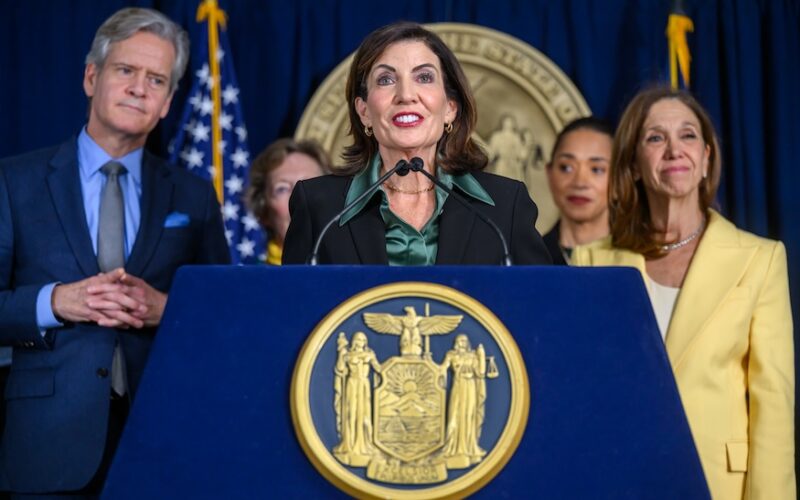
Governor Kathy Hochul has highlighted the expansion within her larger strategy to address housing affordability among vulnerable residents.

Most tenant advocates welcome this step, considering it an effective and relatively low-cost anti-displacement policy. Increasing eligibility for SCRIE and DRIE is seen as a smart move.

Yet, legislators warn that the rollout and outreach will be crucial to deliver on expectations.

As the state legislature weighs the proposal, much attention will be on funding, management, and ensuring widespread awareness.

If enacted, thousands of new applications are expected, especially in Brooklyn’s rent-regulated apartments occupied by seniors and disabled citizens.

Hochul Rent Freeze Expansion 2

The Bottom Line

While the Hochul Rent Freeze Expansion could protect countless vulnerable New Yorkers from rent hikes, eligibility changes alone aren’t enough to assure results.

The real impact depends on robust outreach, easy navigation, and community engagement.

For seniors and disabled tenants throughout New York City, this proposal means more than rental relief—it’s about sustaining their place in cherished homes and neighborhoods.

Visit NYC News Network Politics for further information.


Frequently Asked Questions

What is the Hochul Rent Freeze Expansion?
It’s a proposal to expand who is eligible for NYC rent freeze programs, focused on seniors and disabled renters.

Who qualifies for the program?
People 62 and up, as well as those with disabilities, in rent-stabilized housing, whose income now fits the new limits, may qualify.

How does the rent freeze work?
Those approved avoid any future rent hikes; landlords get reimbursed via tax credits for the frozen portion.

Why is enrollment a concern?
Many qualifying tenants struggle with awareness or the process, potentially limiting effectiveness of the expansion.

When could the expansion take effect?
Legislative action is needed before implementation can begin.

Continue reading

PoliticsSenior housingSenior resources

Brooklyn Adds New Income-Based Apartments for Seniors

Finding an affordable apartment that’s comfortable, accessible, and stable is one of the biggest hurdles older New Yorkers face, especially for seniors living on fixed incomes while everyday costs continue to rise. That’s why new senior-only housing developments tied to city affordability programs matter: they expand the supply of apartments designed for aging residents and offer a pathway to housing that isn’t priced out of reach.

One newly built option now accepting applicants is the Gail P. Duke Senior Residence, a 47-unit building created for seniors, with affordable apartments supported by city housing programs. The residence is located at 350 Livonia Avenue in Brownsville, but the broader story is about the growing push for senior housing that combines affordability with supportive building features.

A Building Set Up for Senior Living

New construction senior housing tends to emphasize practical features that help residents stay independent longer—safe entryways, elevators, accessible layouts, and on-site staff. At this building, residents will find building-wide and shared spaces intended to support day-to-day living and community connection.

Amenities and services include a 24-hour attended lobby, a live-in superintendent, security features, an elevator, and an accessible entrance. Shared spaces include a community room, computer lab, and outdoor areas, along with a terrace. The property also includes an Adult Senior Center and secure in-unit Wi-Fi at no charge. A laundry room is available, though fees may apply.

Tenants should also note the utility setup: residents are responsible for electric, and units use electric stoves.

Gail P. Duke Senior Residence lobby 350 Livonia Ave. in Brownsville 2

How the Affordability Works

The apartments are part of two city-backed initiatives: the Extremely Low & Low-Income Affordability (ELLA)program through NYC’s Housing Development Corporation and the Senior Affordable Rental Apartments (SARA)program through the NYC Department of Housing Preservation and Development.

Importantly, there are no application fees and no deposits required to apply.

This development uses an income-based rent model. Qualified residents pay 30% of household income toward rent and must also meet Section 8 eligibility (or another qualifying rental subsidy). Asset limits apply as well.


Apartment Types, Income Limits, and Asset Rules

Below are the published eligibility ranges and unit counts. (Guidelines can change, and some minimum-income rules may not apply to households with rental assistance.)

Studios (24 apartments)

  • Household size: 1–2 people
  • Income range (annual):
    • 1 person: $0 – $56,700
    • 2 people: $0 – $64,800
  • Asset limit: $81,000

One-Bedrooms (23 apartments)

  • Household size: 1–3 people
  • Income range (annual):
    • 1 person: $0 – $56,700
    • 2 people: $0 – $64,800
    • 3 people: $0 – $72,900

A portion of the apartments is reserved for seniors with mobility, vision, or hearing needs, and there is also a set-aside for age 62+.

Why Application Support Matters

Even when affordable senior housing becomes available, the process of applying can be difficult, especially for older adults who don’t have reliable internet access, have trouble gathering documents, or need help understanding subsidy requirements.

This is an area where local elected officials and community advocacy organizations can make a real impact. Hosting application assistance events, offering document-check support, and ensuring seniors have access to in-person help could increase the likelihood that eligible residents complete their applications correctly and on time.

APPLY HERE

Transit and Neighborhood Basics

For seniors who want to stay connected to everyday needs, the building sits near multiple subway options, including the L, 3, and 4 trains, and is surrounded by services that many older adults rely on health care, retail, parks, and community institutions.

The takeaway is simple: as the city works to expand senior housing, developments like this one show what “age-friendly” affordability can look like—so long as seniors also have the support needed to successfully navigate the application process.

Continue reading

Senior housing

Fort Greene to Get New Senior Housing Old Boys & Girls Club Site

240 Nassau Street in Fort Greene is the center of a new proposal that seeks to introduce a blend of public and community elements — such as a public school, community center, cultural center, retail, and mixed-income housing — to a location known for its neighborhood connections.

Project Overview

As described by Alloy Development, the project at 240 Nassau Street is a mixed-use development that will integrate educational, community, and housing functions. The plan highlights the inclusion of a public school, community center, cultural center, retail, and mixed-income housing.

The Developers

The venture is a joint effort between the New York City Educational Construction Fund (ECF), Alloy Development, and GFB Development.

Rezoning Details

The proposal necessitates a rezoning process involving 240 Nassau Street and neighboring 46 Navy Street, home to P.S. 287. The process began with an environmental review on December 22, 2025 and will proceed to a public review phase in early 2026.

GFB Development: Local Impact

Launched in 2024 by ex-professional basketball player Taj Gibson, with Tameek Floyd and Malik Brown, GFB Development is committed to building affordable housing and recreational facilities in traditionally underserved areas such as their own neighborhood.

Both Floyd and Brown previously attended P.S. 287 and were regulars at the Boys & Girls Club Navy Yard Clubhouse, maintaining personal links to institutions close to the project.

Continue reading

Health carePoliticsSenior resources

Understanding the Impact of Governor Hochul’s End-of-Life Choice Expansion

Governor Hochul Announces Milestone in Health Legislation (Susan Watts:Office of Governor Kathy Hochul)

Governor Kathy Hochul has shared that New York State lawmakers reached consensus on making medical aid in dying available to terminally ill adults—those with less than six months to live. This creates a paradigm shift for end-of-life options in New York. The bill, which includes built-in amendments and safeguards, is set for passage and will be enacted six months after its signing in January.

This announcement came after persistent advocacy efforts, extended legislative negotiation, and many intimate discussions among the Governor, faith groups, healthcare practitioners, lawmakers, and families who have experienced the ordeal of protracted terminal illness.

Listening to Families and Those Who Care

According to Hochul, the most compelling input came from regular New Yorkers describing the emotional weight of being at the bedside of a dying loved one suffering irreversible losses.

“None of us is untouched [by the loss of someone to a harrowing disease],” Hochul stated. “Life and death are twin certainties. I drew inspiration from the resilience of families and wanted to help provide closure, respect, and healing.”

For caregivers, the measure means more than legislation: it acknowledges the exhaustion and helplessness tied to witnessing a loved one’s relentless suffering when options are gone. Hochul characterized the agreement as an answer to these direct experiences.

Policy Rooted in Personal Loss

The Governor reflected on losing her mother to ALS, a disease that took her mother’s strength and her voice after a lifetime of caring for others.

“That’s what ALS took from my mom—her words, her independence,” Hochul said, recognizing parallels in community stories she’s heard.

She was careful to note that the law is not about accelerating death but about relieving unavoidable and prolonged suffering as death nears.

“We’re not ending life early,” she said. “We’re ending drawn-out dying, so goodbyes can be said with dignity, surrounded by loved ones, not in pain or isolation.”

Scope and Limitations of the Law

The new option will be available specifically for individuals diagnosed with a terminal illness expected to cause death within six months. Hochul emphasized that this law has stringent protections to ensure that choices are fully voluntary and carefully evaluated.

She mentioned concerns over the possibility of individuals being coerced into the decision by others.

“I heard worries about coercion and undue pressure, and I took them seriously,” Hochul remarked. “This law is about ensuring genuine, unpressured consent.”

There are provisions for dual medical assessments, evaluations of mental competence, and protections for medical providers or facilities with moral or religious objections.

“This isn’t something anyone is forced to do,” Hochul insisted. “It’s about having a choice.”

Upholding Freedom at Life’s End

The Governor tied the agreement to New York’s broader record of expanding individual rights, stressing that autonomy over end-of-life decisions is a critical extension of personal liberty.

“Who am I to say no to you or your loved one’s final plea?” she asked. “That’s why this agreement is happening.”

She continued, “New York stands as a beacon for freedom of religion, speech, and personal choice. Now, we’re including the terminally ill and their families in those freedoms.”

Support and Compassion for Caregivers

For many caregivers, the new law delivers peace of mind and a sense of control during life’s hardest moments. Even though not all families may choose this path, it introduces an alternative to suffering without hope of recovery.

Hochul noted that caregivers often deal with enduring emotional pain from these episodes. By introducing medical aid in dying with rigorous safeguards, New York acknowledges not only the patient’s rights but also the burdens carried by their loved ones.

“This is one of the most difficult calls I’ve faced as Governor,” Hochul commented. “But the voices and stories of those most affected are what moved me to act.”

If put into effect as planned, New York will be among a group of states that permit medical aid in dying, a change supporters say ensures dignity and choice for families in their deepest hours of need.

Continue reading

Activities & Events

Unveiling the Secret Megaproject: China’s Himalayan Hydropower Ambitions

Deep within the Himalayas, far from China’s densely populated east coast, a significant river bend has been chosen as the heart of one of the country’s most daring – and hotly debated – infrastructure projects.

In this remote region, a $168 billion hydropower facility is on track to become the world’s top producer of electricity – positioning China for a future centered on electric vehicles and energy-intensive artificial intelligence advances.

Earlier this year, Chinese President Xi Jinping instructed that the development proceed “resolutely, methodically, and efficiently” during an uncommon visit to Tibet, where Beijing continues to tighten its hold with a focus on economic growth and stability.

Chinese leader Xi Jinping waves as he arrives at Lhasa, Tibet for a rare visit to the region this past August.

Analysts suggest that the hydropower project, established along Tibet’s lower Yarlung Tsangpo river, will set a new precedent in the field of engineering. By harnessing a 2,000-meter vertical drop through tunnel boring, China seeks to utilize this Asian water artery as discussions around water security intensify worldwide.

This initiative could bolster international attempts to fight climate change by lessening China’s – the globe’s foremost emitter – reliance on coal. Yet, its construction threatens to disturb a rare ecosystem and the homes of longtime residents.

Tens of millions downstream in India and Bangladesh also depend on the river, where scientists highlight that effects on the ecosystem, especially for fisheries and crops, still lack thorough study.

Indian headlines have accused the development of being a looming “water bomb” – and its position near the disputed China-India border could see it turned into a new flashpoint in the long-standing regional rivalry.

Continue reading

Health care

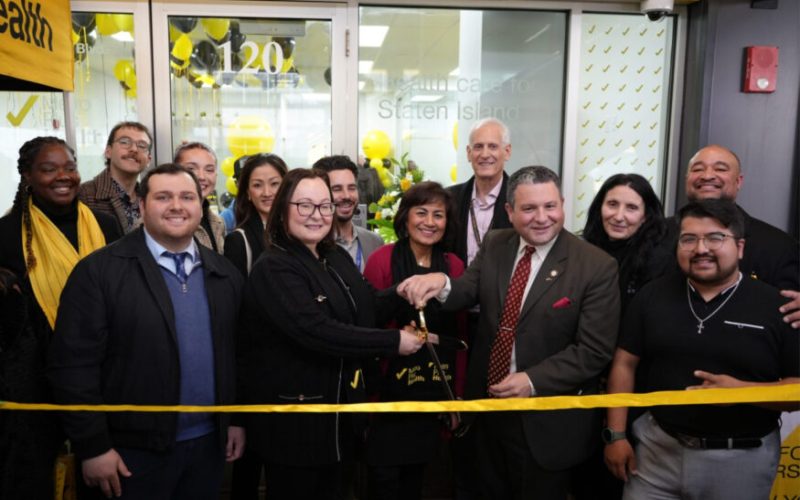
Healthier Staten Island: MetroPlusHealth Unveils Expanded Community Services

MetroPlusHealth is deepening its commitment to Staten Island with the establishment of a second community office—a significant addition at a time when most for-profit insurers are scaling back their activities within the borough. The newest location, at 2656 Hylan Blvd in New Dorp Plaza, comes amid ongoing increases in health care costs and the looming end of important Affordable Care Act subsidies, creating additional hurdles for families pursuing cost-effective coverage.

A Lasting Resource for the Community’s Needs

For a number of years, MetroPlusHealth’s mobile unit delivered health services to this Staten Island neighborhood, providing a short-term fix to rising local requirements. This solution has now transformed into a fully equipped, permanent site designed to guarantee residents consistent access to health resources and guidance.

“We are excited to open a second Staten Island community office,” said Dr. Talya Schwartz, Chief Executive Officer of MetroPlusHealth. “For the past two years, our mobile unit has been here in this neighborhood, meeting the urgent needs of the community and ensuring access to care. Today, that temporary solution has transformed into a permanent hub for health and wellbeing. This new location strengthens our commitment to deliver high-quality, affordable health care, and empowers residents to take charge of their health.”

Tuesday, November 18 marked the opening of the office, celebrated by local dignitaries such as Dr. Ginny Mantello of the Staten Island Borough President’s Office, Council Member Frank Morano, Ian Yanda of Assemblyman Michael Tannousis’ office, John Rinaudo on behalf of Congresswoman Nicole Malliotakis, and Etsio Flores from Make the Road.

Steady Expansion and Community Focus

MetroPlusHealth initiated its Staten Island operations in 2017 with its flagship office. Since then, it has regularly posted double-digit membership growth, supported by a network that spans all of the borough’s acute care hospitals. The health plan additionally offers two mobile units and a designated Medicare-focused mobile service, delivering critical care where it’s most required.

The organization is also an active participant in local events, partnering with elected officials on food and coat drives, toy giveaways, turkey distributions, and Back to School support efforts.

Expanding Hours and Support

With doors open every day, the new office operates as a full-service resource center. Community members will be able to consult with enrollment staff who can walk them through plan choices, help with sign-ups, and explain benefits like over-the-counter allowances or reward programs.

MetroPlusHealth sees the new location as vital in fighting Staten Island’s major health issues. The borough is third nationwide for opioid addiction and continues to face significant mental health service gaps, plus above-average rates of chronic illnesses. By bringing in weekly visits from groups such as the NYPD, FDNY, and the Pregnancy Care Center, the office will link people to essential supports and services.

Continue reading

Healthy LivingMedicareSenior resources

Your Health, Your Control: 10 Strategies for Staying Healthy Despite Medicare/Medicaid Uncertainty

Uncertainty in national and local politics means the future of Medicare and Medicaid is unresolved, but you remain in control of your health decisions. Even as insurance policies and costs fluctuate, making good daily choices can have lasting benefits. New Yorkers are fortunate to have wide access to parks, fresh produce markets, and programs to help everyone stay healthy and active.

The Value of Wellness Today

Heart disease, diabetes, and cancer are the biggest causes of preventable death in NYC, with over 23,000 residents lost each year according to city health officials. The HealthyNYC initiative wants to cut this number by 2030 through better food, fitness, and routine health care.

Disparities in health don’t affect all neighborhoods equally. Many Black New Yorkers contend with early heart disease, and those in less wealthy areas have fewer healthy food options. While Medicare and Medicaid support is crucial for these communities, building healthy habits is a powerful tool to minimize illness and boost well-being.

10 NYC Health Tips

1. Opt for Whole Foods

Choose whole grains, lean proteins, and lots of fruits and vegetables. NYC’s Greenmarkets, co-ops, and healthy food shops like Overgreens put nutritious foods within easy reach, even on a busy schedule.

Overgreens on Myrtle Ave. in Clinton Hill Brooklyn – Exterior

2. Reduce Sugar and Sodium

Cutting down on sweetened drinks and salty snacks will help lower your risk for chronic illness. Always check labels for hidden sugars and salts.

3. Drink Water Regularly

Staying hydrated is essential. Use a refillable bottle to keep water with you, and favor it over soda or fruit drinks any time you’re thirsty.

4. Develop Consistent Habits

Steer clear of restrictive diets. Instead, form habits such as eating brown rice or bringing an extra serving of veggies to your meals each day for a more sustainable approach.

Red beet juice in a glass beets

5. Exercise Every Day

Physical movement doesn’t require a gym: walk, bike, dance, or play in NYC parks and public spaces. Every bit of movement adds up.

6. Strength and Stretching

Practice yoga, use bands, or try your own body-weight routines. Many local facilities and parks offer classes at little or no cost throughout the year.

7. Rest Matters

Make sure you get 7–8 hours of sleep to let your body recharge fully before each new day.

8. Take Care of Your Mind

Chronic stress weakens your immune system. Take time to relax daily—walk, meditate, write, or seek help. NYC Well provides rapid, free counseling support at 1-888-NYC-WELL.

9. Go Outside

Sun and green space can improve your mood. Whether you visit a major landmark park or a small neighborhood spot, get outdoors for fresh air each day.

10. Get Regular Screenings

Stay informed on your health: schedule checkups, measure your numbers, and take advantage of sliding-scale or free clinic visits. Track your results and make changes as needed.

Your Health, Your Choice

Policy changes come and go, but healthy living is up to you. NYC has ample programs, markets, and parks to help you stay fit and empowered.

Building strong health habits is a journey. Whether you cook at home, walk in your neighborhood, or take a quiet break, every step makes you healthier.

Continue reading

Health care

First Cases of West Nile Virus in NYC for 2025: Prevention Tips and Information

A notice published on NYC Newswire says, the NYC Health Department confirmed two human West Nile cases in Queens as the first this season. Mosquito pools from each borough have tested positive for the virus since July.

Two Illnesses Found, More Being Investigated

West Nile fever was diagnosed in one person, who was shortly hospitalized and has recovered. A second individual is still in the hospital after being diagnosed with West Nile neuroinvasive disease (encephalitis). The virus also surfaced in blood donations given by Brooklyn and Staten Island residents. Two Brooklyn residents have suspected cases under investigation.

Mosquito Spread Citywide

Mosquitoes infected with West Nile are active across NYC from May to October, particularly in August and September. On August 22, 2025, 988 mosquito pools had positive results, fewer than the same point last year. City health teams have conducted 10 adulticide sprays, 3 aerial larvicide efforts, 2 catch basin larvicides, and 1,104 ground larvicides so far.

Commissioner’s Advisory

“West Nile can cause dangerous illness, with those over 55 and the immunosuppressed at highest risk,” declared Acting Health Commissioner Dr. Michelle Morse. “Choose EPA-registered repellent, cover up at dawn/dusk, drain standing water, and check your window screens.” For updates, use the NYC Health online map.

Symptoms and Complications

Most infections show no symptoms, but fever, headache, muscle aches, and fatigue can occur. About 1 in 150 infections, mostly among older or immunocompromised people, advance to West Nile neuroinvasive disease with life-threatening brain or spinal cord disorders.

West Nile in NYC: Background

West Nile was first found in the city 25+ years ago. From 2012–2021, annual diagnoses of the neuroinvasive disease averaged 16, rising to 31 cases per year from 2022–2024. Lack of repellent use was common among patients.

Prevention Steps

Officials recommend EPA-approved products (DEET, picaridin, oil of lemon eucalyptus, IR3535), long sleeves and pants in mosquito hours, avoiding outdoors if at high risk, patching window screens, and clearing away water. For approved repellents, check the EPA search tool.

For More Details

Find out more or report water issues via NYC Health: West Nile Virus or by calling 311.

Continue reading

Uncategorized

6.5% Growth: ADB’s Revised Forecast for India Highlights Tariff Challenges

🏡 VIRAL: 3D-Printed Neighborhood Unveiled in California — A Revolution in Affordable Housing

A groundbreaking housing project in Northern California has gone viral after a drone video revealed an entire neighborhood constructed with 3D-printing technology. The initiative, led by startup ConstructX in collaboration with Stanford University’s Civil Engineering Department, marks the first time an American city has approved a fully 3D-printed residential zone.

Each house, built using a reinforced concrete-like composite and guided by robotic arms, took just 48 hours to construct. Not only are the homes structurally sound and eco-friendly, but they also cost 40% less to build than traditional homes of the same size. Solar panels, rainwater collection systems, and biodegradable insulation come standard.

In an exclusive interview, ConstructX CEO Maria Chan said, “We’re not just printing homes — we’re printing futures. This is how we tackle homelessness and housing shortages in a sustainable way.”

The video has already surpassed 22 million views on YouTube and TikTok, sparking global interest. You can watch the full drone footage here: https://youtube.com/ConstructXProject.

Social media exploded with reactions using the hashtag #PrintedLiving, and real estate influencers are calling this a turning point for urban development.

City officials have announced plans to expand the project, with up to 400 new homes to be printed over the next year. Inquiries are already pouring in from municipalities in Europe, Asia, and Latin America.

Critics, however, caution about regulatory oversight, potential job losses in traditional construction, and long-term durability concerns. But ConstructX insists that their design exceeds California’s seismic safety standards.

To learn more about the project or apply for residency, visit: https://constructx.com/apply-now.

#SmartCities #HousingCrisis #3DPrintedHomes #GreenLiving

Continue reading

Healthy Living

Powerless in Brooklyn: Heat Wave Overwhelms Con Edison System

As Brooklyn experiences its first major heat wave of the year, Con Edison is taking proactive measures to protect the power grid. The utility company is requesting that over 117,000 customers in specific Brooklyn neighborhoods reduce their electricity usage while crews work to repair damaged infrastructure. This call for conservation comes as temperatures are expected to soar, with the heat index forecast to reach as high as 110 degrees on Tuesday. The National Weather Service has issued an extreme heat warning for New York City through Wednesday, with high temperatures expected to hover near 100 degrees. Con Edison has implemented an 8% voltage reduction in two heavily populated areas of northern and eastern Brooklyn: Bedford-Stuyvesant, Bushwick, Greenpoint, and Williamsburg. The first affected zone is approximately bounded by the Brooklyn-Queens border and Newtown Creek to the north, Fulton Street to the south, the borough line to the east, and Graham and Throop avenues to the west. The second region spans from Fulton Street south to Clarendon Road, and from New York Avenue east to Alabama Avenue. This voltage reduction is a preventive measure designed to protect the utility’s electrical equipment and maintain service reliability during the extreme heat. To help alleviate the strain on the grid, Con Edison is asking customers in these areas to limit their use of energy-intensive appliances such as washing machines, dryers, and microwaves. Reducing air conditioning usage is also crucial. Residents are advised to use only one air conditioning unit and set it to the highest comfortable temperature. Electric vehicle owners are asked to avoid charging their vehicles unless absolutely necessary. These conservation efforts are essential to allow utility workers to complete necessary repairs and restore full service to the affected areas. In response to the heat, Brooklyn residents are turning to cooling centers, beaches, and playground sprinklers for relief. City officials are urging residents to stay indoors during peak heat hours, drink plenty of water, and check on their neighbors, especially the elderly and medically vulnerable. Emergency Management is coordinating with Con Edison to monitor the situation and provide support as needed. Con Edison emphasizes that the voltage reduction is contained to the specific areas under voltage reduction and is not affecting the broader grid. Customers can report outages or check the status of repairs by visiting the Con Edison website, using the Con Edison mobile app, or calling 1-800-75-CONED. Understanding the reasons behind the voltage reduction and the importance of energy conservation can help Brooklyn residents contribute to grid stability during this challenging heat wave.

Continue reading

Healthy EatingHealthy LivingSenior resources

From Farm to Clinic: Access Fresh Produce at NYC Hospitals’ Farmers Markets

NYC Health + Hospitals has launched its new season of farmers markets, bringing affordable fresh produce directly to patients, staff, visitors, and the wider community at hospital campuses and health centers throughout the five boroughs.

The markets are operated by local partners GrowNYC, Harvest Home, Mi Ranchito Farm, and Uptown Grand Central. They provide convenient access to fresh, locally grown fruits and vegetables at affordable prices. Multiple payment options are accepted, including EBT/SNAP, Senior Farmers Market Nutrition Program (FMNP) coupons, and Women, Infants and Children (WIC) coupons.

In addition, GrowNYC’s Fresh Food Box program operates year-round at NYC Health + Hospitals/Carter, offering seasonal produce at below-market prices through bulk purchasing. To learn more or sign up, visit: https://www.grownyc.org/foodbox/.

2025 NYC Health + Hospitals Farmers Market Schedule & Locations:

BRONX

NYC Health + Hospitals/Jacobi
Operated by Harvest Home
1400 Pelham Parkway South at Eastchester Road
Fridays: 8 a.m. – 3 p.m.
July 11 – November 21
Includes cooking demonstrations

NYC Health + Hospitals/Lincoln
Operated by GrowNYC
E 149th Street between Park and Morris Avenues
Tuesdays and Fridays: 8 a.m. – 3 p.m.
June 20 – November 25
Includes cooking demonstrations

NYC Health + Hospitals/North Central Bronx
Operated by Harvest Home
Mosholu Parkway North and Jerome Avenue
Wednesdays: 8 a.m. – 3 p.m.
July 9 – November 26
Includes cooking demonstrations

BROOKLYN

NYC Health + Hospitals/South Brooklyn Health
Operated by Harvest Home
Ocean Parkway between Avenue Z and Shore Parkway
Fridays: 8 a.m. – 3 p.m.
July 11 – November 21
Includes cooking demonstrations

NYC Health + Hospitals/Woodhull
Operated by GrowNYC
Broadway and Graham Avenue
Wednesdays: 9 a.m. – 2 p.m.
July 9 – November 26

MANHATTAN

NYC Health + Hospitals/Carter
Operated by GrowNYC and Uptown Grand Central
Community Plaza, East 125th Street and Park Avenue
Wednesdays: 1:30 p.m. – 7 p.m.
Open year-round

NYC Health + Hospitals/Gouverneur
Operated by GrowNYC
Madison Street between Clinton Street and Jefferson Street
Fridays: 8:30 a.m. – 2 p.m.
July 11 – November 21

NYC Health + Hospitals/Harlem
Operated by Harvest Home
W. 137th Street and Lenox Avenue
Fridays: 8 a.m. – 3 p.m.
July 11 – November 21
Includes cooking demonstrations

NYC Health + Hospitals/Metropolitan
Operated by Harvest Home
E. 97th Street and 2nd Avenue
Fridays: 8 a.m. – 3 p.m.
July 11 – November 21
Includes cooking demonstrations

QUEENS

NYC Health + Hospitals/Elmhurst
Operated by GrowNYC
41st Avenue between 80th and 81st Streets
Tuesdays: 8 a.m. – 3 p.m.
June 10 – November 25

NYC Health + Hospitals/Queens
Operated by Mi Ranchito Farm
82-68 164th Street between Goethals Avenue and Grand Central Parkway
Thursdays: 8 a.m. – 5 p.m.
July 10 – November 20

For additional details about NYC Health + Hospitals Farmers Markets, visit: www.nychealthandhospitals.org/services/farmers-markets.

Continue reading

Caregiver's Corner

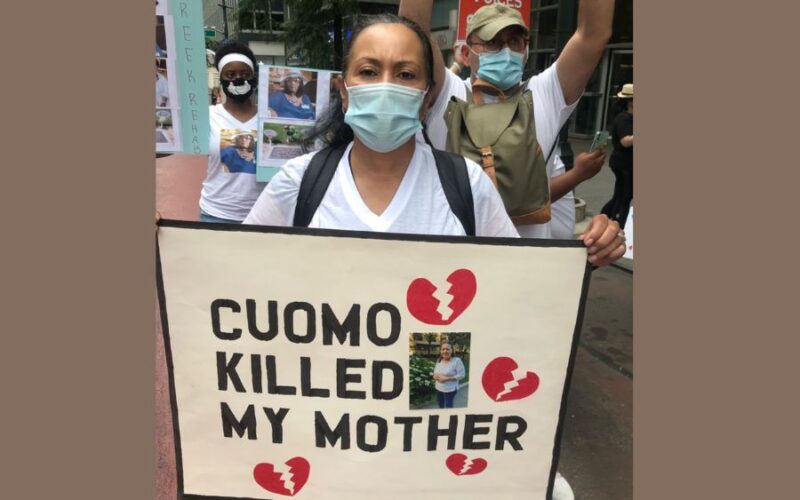
Cuomo Racks Up Endorsements for NYC Mayor, but His COVID Nursing Home Scandal May Overshadow His Bid?

Brooklyn Democratic Leader Backs Cuomo

Former New York Governor Andrew Cuomo is actively securing endorsements in his bid to become New York City’s next mayor. Notably, Assembly Member Rodneyse Bichotte Hermelyn, leader of Brooklyn’s Democratic Party, recently announced her support for Cuomo, emphasizing his leadership experience during challenging times.

Bichotte, whose husband, Edu Hermelyn, is working on Cuomo’s campaign through his role as a senior vice president at consulting firm Mercury, said in a statement, “Cuomo not only has the right leadership skills but has an extensive plan with a strong network of support to tackle the unique issues and crises our city is facing today.”

The Shadow of the Nursing Home Scandal

However, Cuomo’s candidacy is overshadowed by controversies from his tenure as governor, particularly his administration’s handling of nursing homes during the COVID-19 pandemic. A directive issued on March 25, 2020, mandated that nursing homes admit COVID-19 positive patients, a decision critics argue led to thousands of fatalities among seniors.

Attorney General Report Exposes Undercounting of Deaths

A probe by Attorney General Letitia James’ office revealed in January 2021 that the governor’s administration underreported the nursing home death count by more than 50%—from 8,711 to over 13,000.

The 76-page report surveyed 62 nursing homes and found that the state had undercounted the fatalities there by an average of 56%.

Calls for Accountability and Criminal Prosecution

These revelations have led to calls for accountability. According to a House Select Subcommittee report, Cuomo was referred for potential criminal prosecution for allegedly making false statements to Congress about his administration’s actions during the pandemic.

Families of nursing home victims have been vocal in their opposition to Cuomo’s mayoral bid, urging voters to reject his candidacy.

“Cuomo lied before Congress,” said Tracey Alvino, director of Voices for Seniors, whose father died from COVID in a nursing home. “It’s a crime. It’s proven by the emails. He should be prosecuted. I would love to see him in an orange jumpsuit.”

Endorsements Come with Political Risks

Elected officials and unions endorsing Cuomo must navigate potential backlash from their constituencies and members, balancing the former governor’s political influence against the controversies surrounding his past decisions.

Will Voters Overlook Cuomo’s Controversial Past?

As the mayoral race intensifies, voters are tasked with evaluating candidates’ past actions and current endorsements. Cuomo’s ability to overcome the shadow of the nursing home scandal remains uncertain, and whether his accumulating endorsements will suffice to secure victory is a question only the electorate can answer.

https://ag.ny.gov/sites/default/files/2021-nursinghomesreport-final.pdf

Continue reading

BronxBrooklynCaregiver's CornerFeatured NewsManhattanNewsPartner ResourcesQueens

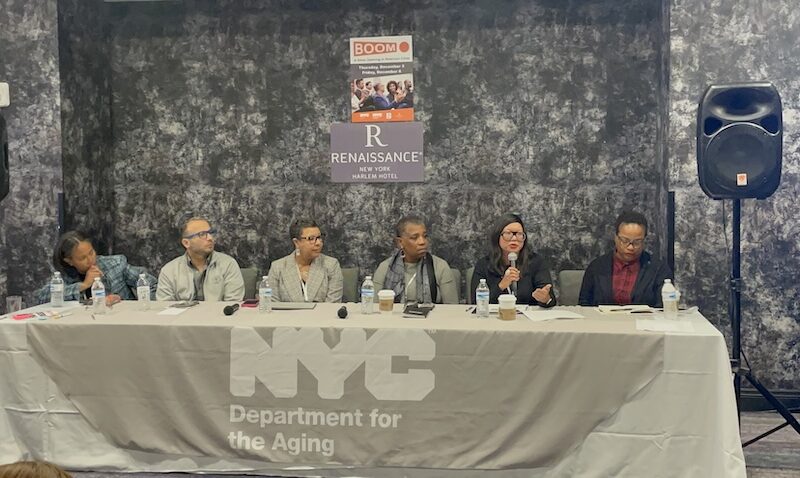
Groundbreaking Event Charts the Future of Aging in America, Hosted by NYC Dept for the Aging

Content Distributed by NYC Newswire for NYC Dept for the Aging

National Experts Convene in Harlem

On December 5–6, 2024, Harlem became the epicenter of a pivotal conversation on aging as NYC hosted BOOM! A Silver Dawning in American Cities, the city’s first national conference dedicated to addressing the challenges and opportunities of America’s growing older adult population. The event, spearheaded by the NYC Department for the Aging and Mayor Eric Adams, brought together leading voices in the field to discuss critical topics such as combating ageism, the caregiving crisis, and evolving models of community care.

Powerhouse Speakers and Unforgettable Highlights

The conference featured prominent figures, including anti-ageism activist Ashton Applewhite, New York Times reporter Guy Trebay, ROAR Forward CEO Michael Clinton, and political strategist Luis Miranda. Highlights included clips from Bradley Cooper’s caregiving documentary, in-depth panels on community care infrastructure, and a “Meet the Funders” luncheon offering valuable insights into public-private funding opportunities.

Mayor Adams Champions Aging Innovations

photo credit: New York City Hall

“New York City is proud to lead the national dialogue on aging,” said Mayor Eric Adams. He highlighted initiatives like the Cabinet for Older New Yorkers and the City of Yes for Housing Opportunity plan, which expand housing options for older adults. “This conference is a blueprint for reshaping how cities approach aging, breaking down barriers, and celebrating the potential of our older population.”

Tackling Aging with Bold Solutions

Anne Williams-Isom, Deputy Mayor for Health and Human Services, emphasized the importance of collaboration. “With over 12,000 Americans turning 65 every day, NYC Aging is driving efforts to make cities more inclusive for all generations,” she said. Department for the Aging Commissioner Lorraine Cortés-Vázquez added, “BOOM! is a defining moment for aging in America, paving the way for bold partnerships and strategies to support older adults.”

Business and Community Leaders Join the Mission

Michael Clinton, CEO of ROAR Forward, highlighted the economic and social impacts of the aging population. “The New Longevity movement is reshaping businesses, services, and policies,” he said. Allison Nickerson of LiveOn NY stressed the need for bold investments in community care to ensure aging with dignity, while Dr. Joyce F. Fogel of Mount Sinai underscored the importance of ending ageism and fostering inclusive communities.

A Blueprint for the Future

The partnerships and strategies developed at BOOM! aim to set a precedent for aging in urban environments. By bringing together experts and advocates, the event reaffirmed NYC’s role as a leader in reimagining aging and creating age-inclusive cities.

For more information on the NYC Dept for the Aging click here.

Content Distributed by NYC Newswire

Continue reading

Featured NewsHealthy LivingNews

New York State Boosts Heating Aid for Seniors Amid Affordability Crisis

Governor Kathy Hochul on Monday signed a new bill that will improve access to the Home Energy Assistance Program for seniors across New York State.

The legislation mandates the Department of Health to provide Elderly Pharmaceutical Coverage Program beneficiaries with enrollment information and annual notices to improve access to critical heating services and related costs during the winter months, according to a press release.

Hochul said the relief program, dubbed HEAP, was in response to the “affordability crisis” affecting many New Yorkers struggling with essential heating costs, among others.

HEAP provides up to $996 in heating assistance for eligible households. It has delivered over $397 million to New Yorkers this year, supporting seniors and low-income families with energy costs.

“Programs like HEAP help put money back in the pockets of hard-working New Yorkers, helping heat their homes in the dead of winter,” Hochul said. “From raising the minimum wage to our proposed inflation refund checks, we’re doing everything we can to tackle the affordability crisis head-on.”

Barbara C. Guinn, the assistance commissioner of the New York State Office of Temporary and Disability Assistance, applauded the new law.

“HEAP is a vital lifeline for low-income working families and older adults on a fixed income and also provides financial support to ensure those in emergency situations can keep the heat on and keep their homes warm during the cold winter months,” she said.

Continue reading

BrooklynHealthy LivingHome CareNews

Brooklyn Men’s Group Brings Connection And Community to Older Residents

By: Moses Jeanfrancois

During the COVID-19 pandemic, many observed that loneliness became a parallel epidemic in 2020. Now, in the post-pandemic era, a New York City healthcare provider is prioritizing innovative ways to help older men in Brooklyn reconnect with their communities.

RiverSpring Heath Plans, a Bronx-based healthcare provider that specializes specifically in long-term care, started to organize meetings this year in Midwood to combat isolation among older men.

“It’s important that RiverSpring’s programming not only covers physical health… but also offers an opportunity to boost mental wellness and address psychological needs,” said Marc Frederic, a licensed clinical social worker with RiverSpring in charge of putting together the meetings.

Loneliness can be associated with higher risks for high blood pressure, weakened immune function, anxiety, depression, and cognitive decline, according to the National Institute on Aging.

The idea for a men’s group first started in the Bronx in 2022, where RiverSpring has a large membership group. Since October, a new group meets at 1630 E. 15th St., where participants from various parts of Brooklyn come together to chat with one another once a month. The meetings are not necessarily structured, nor do they have specific topics the group must talk about. But the emphasis is on the simple fact that conversation among people and peers are important and must occur on a regular basis.

“There’s no topic that’s off limits. We found that this has been therapeutic, especially when the participants know they are all dealing with the same type of issues, whether it’s medical, personal [or] telling old stories,” said Frederic.

Brian Hectman, a Sheepshead Bay resident, was asked by Frederic to join the group at its inception. “I said, ‘Why not?’ I like meeting people,” said Hectman, 67.

He said he appreciates the fact that every person can just be themselves during the meetings.

The meeting’s prime objective is to combat loneliness among senior men, a group that often gets overlooked, according to Frederic. “Men have needs that are not always recognized – particularly older men,” said Frederic.

Slightly more than one in every five men ages 65 to 74 live alone, according to 2022 Census Bureau data. That rises to nearly one in four men for those 75 or older. In 2000, one in six older men lived by themselves. In a 2023 report, the U.S. Surgeon General Dr. Vivek H. Murthy called loneliness and isolation an epidemic.

RiverSpring started the meetings by targeting older men, but also has included younger middle-aged Brooklynites, including 47-year old Curtis Alexander, an East Flatbush resident.

RiverSpring is looking to organize more groups in other boroughs. The meetings can provide a holistic alternative that leads to better health in older Americans, Frederic said.

“I truly believe, when you are connected socially, that has a positive health outcome,” he said.

Continue reading

BrooklynHealthy LivingPartner Resources

Affordable Senior Apartments Open at 250 Winthrop St. in Brooklyn

Content Amplified by NYC Newswire

Brooklyn’s 250 Winthrop Street now offers affordable senior housing through the Privately Financed Senior Housing Program. Featuring well-designed studios and one-bedroom apartments, this residence provides comfortable options for seniors looking to live in the heart of Brooklyn. The building also benefits from NYC’s 421a Tax Exemption, making it a unique opportunity with no deposit or application fees required.

Unit Availability and Pricing

Studios: Priced at $1,483 per month, these 12 available units accommodate 1-2 people, with eligible incomes ranging from $53,589 to $99,440.

One-Bedrooms: At $1,552 per month, 15 one-bedroom apartments are available for households of 1-3 people. Income eligibility ranges from $57,155 to $111,840 based on household size.

250 Winthrop Street Senior Apartments

Amenities and Features

250 Winthrop Street offers amenities designed to enhance convenience and security for its residents:

  • Bike storage lockers
  • Shared laundry room
  • Air conditioning
  • Rooftop terrace
  • Security cameras
  • Smoke-free environment
  • Elevator access

The building’s location offers proximity to Prospect Park and Wingate Park, both great options for outdoor activities and relaxation.

250 Winthrop Street Senior Apartments

Eligibility Requirements

Applicants must have at least one household member aged 62 or older and meet specific income and household size requirements. Certain units are also set aside for individuals with mobility, vision, or hearing impairments, and preference is given to Brooklyn Community Board 09 residents and NYC employees.

For more details on this affordable housing opportunity, visit AFNY.org.

Content Amplified by NYC Newswire

Continue reading

Healthy Eating

Nûrish: A Healthy Dining Destination in Brooklyn

Content Amplified by NYC Newswire

HealthyNYC’s Stay Healthy Dining Series

Everyone knows that New York City is bustling with endless dining options, but Nûrish has set itself apart as a haven for health-conscious eaters. Nestled in the heart of Prospect Heights, Brooklyn, and Jersey City, this plant-based eatery is part of a growing wave of New York restaurants championing nutritious, affordable meals for all.

Elevating the Dining Experience

The circumflex over the “û” in Nûrish isn’t just for show. It symbolizes the restaurant’s goal to uplift, energize, and rejuvenate diners through meals that not only satisfy but inspire. Each dish at Nûrish is carefully crafted to fuel both body and spirit, offering guests a dining experience that nourishes from the inside out.

A Space for Community

Founder Elijah Bah has woven his passion for health and community into every detail of Nûrish. It’s more than a restaurant; it’s a neighborhood gathering spot, where locals and visitors can enjoy thoughtfully made, delicious food in a warm, welcoming environment. Nûrish’s mission goes beyond food—it’s a place where connections are made, stories are shared, and community is built.

Join the Health-Conscious Movement

Whether you’re a lifelong vegan, new to plant-based dining, or simply seeking a wholesome, flavorful meal, Nûrishwelcomes all. Step into one of their cozy locations and become part of a movement that’s transforming NYC’s dining scene, one uplifting bite at a time.

Content Amplified by NYC Newswire

Continue reading

Healthy LivingPartner Resources

Health Equity Among Uninsured Program for New Yorkers Highlighted As National Model by NYC Health + Hospitals’ NYC Care

Content Distributed by NYC Newswire

NYC Health + Hospitals’ NYC Care program has released two significant observational studies that highlight its effectiveness in improving the health of uninsured patients. The studies, published in the Journal of General Internal Medicine (JGIM) and the Journal of Public Health Management & Practice (JPHMP), showcase NYC Care as a national model for municipalities aiming to enhance healthcare access for uninsured populations.

The research demonstrates NYC Care’s success in various areas, including enrollment, service utilization, chronic disease management, and overall implementation. NYC Care’s patient-centered approach simplifies the steps to affordable healthcare, builds trust with hard-to-reach populations through public awareness campaigns, and prioritizes accessibility to health services. As a result, NYC Care members experience a level of care comparable to Medicaid enrollees.

Key Findings: Increased Access and Improved Health Outcomes

The study published in JGIM utilized statistical analysis to compare NYC Care patients with Medicaid patients. Controlling for sociodemographic factors, the results showed NYC Care members had a higher rate of primary care usage, similar emergency department usage, and fewer hospitalizations. This demonstrates that the program successfully promotes preventive healthcare while keeping high-cost services low.

Additionally, the research highlighted that NYC Care members utilized services extensively: 83,003 members completed an average of 2.4 primary care visits and 3.9 specialty care visits. Chronic disease management outcomes were comparable to those of Medicaid patients, with 50.7% of NYC Care members with diabetes achieving a hemoglobin A1c level below 7.0%, and 75.2% of hypertensive members maintaining blood pressure levels under 140/90 mmHg.

These findings illustrate that municipalities, in the absence of increased health insurance access, can use programs like NYC Care to improve care and outcomes for uninsured populations.

Leadership Speaks Out on NYC Care’s Impact

“Health care is a human right,” said Anne Williams-Isom, Deputy Mayor for Health and Human Services. “With over 145,000 enrollees, NYC Care is a model that other cities can adopt to expand healthcare coverage options for their residents.”

Mitchell Katz, MD, President and CEO of NYC Health + Hospitals, echoed this sentiment, saying, “NYC Care has improved the health of countless New Yorkers and their families, proving that health care is a human right. The release of these studies will hopefully inspire other municipalities to adopt similar programs.”

Ted Long, MD, MHS, Senior Vice President for Ambulatory Care and Population Health at NYC Health + Hospitals, emphasized that NYC Care’s success in controlling chronic diseases and reducing hospitalizations demonstrates the program’s value. “This research shows that other municipalities can create similarly impactful programs, moving toward treating healthcare as a human right for all Americans,” he added.

A Broader Vision for Expanding Health Access Nationwide

Jonathan Jiménez, MD, MPH, Executive Director of NYC Care, expressed his pride in the program’s success. “This success should not be limited to New York City. As long as there are individuals excluded from health insurance, comprehensive healthcare access programs like NYC Care are essential.”

Support for NYC Care also comes from the NYC Mayor’s Office of Immigrant Affairs. Commissioner Manuel Castro highlighted how NYC Care’s preventative services are reducing reliance on emergency care, benefiting both individuals and the community.

Grassroots Support and Community Impact

Lorena Kourousias, Executive Director of Mixteca, praised NYC Care for its focus on affordable and community-centered healthcare solutions. “We’ve seen firsthand how simplifying access to health care and building trust with immigrant populations can lead to healthier communities,” she said.

Hager Shawkat, MPH, Program Director of Sauti Yetu Center for African Women and Families, emphasized the importance of prioritizing immigrant communities’ health needs, stating that NYC Care uplifts the health and wellness of the entire city.

National Implications for Healthcare Access

While NYC Care has been a resounding success, the studies point to a larger issue in the U.S. healthcare system. Despite the uninsured rate dropping to a historic low of 7.7% in early 2023, undocumented adults remain disproportionately uninsured, with rates reaching up to 50%. Community health centers have tried to fill this gap, but uninsured patients are less likely to receive preventive care. NYC Care’s model addresses these disparities and continues to see significant demand.

Since its launch in 2019, NYC Care has grown to over 145,000 active members, providing over one million primary care appointments, hundreds of thousands of specialty care appointments, and a wide range of women’s, eye, and behavioral health services. The program’s community-based outreach has also reached over one million New Yorkers, facilitating tens of thousands of enrollments.

SUBSCRIBE to HealthyNYC.com for updates on health news, events, programs, initiatives, healthy eating, senior health, health insurance news and more.

Content Distributed by NYC Newswire

Continue reading

Uncategorized

Join the 2nd Annual Love & Kindness Day in Brooklyn on July 20th

It’s going down! The team at Love & Kindness Wellness Foundation Inc, is proud to bring back thier 2nd annual Love & Kindness Day!

This annual event is focused on promoting positive mental health and well-being in our communities through simple acts of love and kindness.

Bring the whole family and enjoy inspiring, uplifting activities, heartfelt connections, games, vendors, raffles, a live DJ, and more! Let’s come together to create a ripple of positivity that extends far beyond this event.

Love and Kindness Day is an annual mental health and wellness event taking place in Brooklyn on July 20th, 2024 from 10 am to 3 pm at Hillel Plaza in Flatbush.

This event is hosted by the Love & Kindness Wellness Foundation Inc, aimed at promoting positive mental health and well-being through acts of love and kindness.

The event will feature a range of activities designed to encourage participants to engage in self-care and build connections with others.

  • Free Mental Health Assessments
  • Fun Movement Workshop
  • Jewel art table
  • Live DJ
  • Self care activities
  • Free 15 minute massages and more!

Love and Kindness Day is intended to create a supportive and inclusive environment for people of all ages, backgrounds, and identities. The event will be free and open to the public, and will feature a range of activities, speakers, and vendors designed to encourage participants to engage in self-care, build connections, and prioritize their mental health and well-being.

Overall, Love and Kindness Day is a unique opportunity for individuals to come together, connect with others, and prioritize their mental health and well-being through acts of love and kindness.

See you there!

Please RSVP to join us or Donate to support positive community development.

Continue reading

Healthy LivingPartner Resources

Introducing Alafia: A Visionary Affordable Housing Development in East New York With Rents Starting at $777/mth

In the vibrant Spring Creek section of East New York, a groundbreaking affordable housing initiative, Alafia, with 123 truly affordable apartments is set to redefine community wellness and development. Spanning 27 acres, this mixed-use development is more than just housing; it’s a comprehensive approach to enhancing community life through innovative health and wellness investments. Applications are available now and the deadline to apply is July 29. 2024. See the email address and telephone number below to apply.

A Holistic Approach to Community Wellness

Alafia, whose name signifies peace and wellness, is being developed with the vision to foster a healthier, more vibrant community. The project leverages numerous New York State programs and resources aimed at improving various facets of community life including:

  • Open Space and Recreation: Promoting active lifestyles with ample green spaces and recreational facilities.
  • Healthy Food Access: Incorporating an urban farm that will produce up to 180,000 pounds of fresh produce annually, alongside facilities for culinary training and food production.
  • Education and Economic Empowerment: Offering workforce development programs focused on emerging green jobs, such as solar photovoltaic installation.
  • Community Health: Integrating community-based health care and violence prevention programs to enhance the safety and well-being of residents.
  • Affordable and Resilient Housing: All residential units are being constructed under green building standards with energy-efficient appliances and passive house design principles, ensuring sustainability and affordability.

photo credit: Alafia Development

Designed for Active, Engaged Living

Alafia is designed to be a sanctuary where residents can enjoy life to the fullest. The development includes:

  • Bike Storage and Fitness Rooms: Encouraging physical activity and a healthy lifestyle.
  • Landscaped Courtyards and Community Room: Spaces designed for social interaction and community engagement.
  • On-site Laundry Facilities: Adding convenience and accessibility for all residents.

Strategically located off the Prospect Expressway, Alafia offers easy access to Gateway Center’s shopping and dining, enhancing the convenience for its residents.

Building Sustainable Futures

With over 2,400 dwelling units, all set at affordable pricing, Alafia is dedicated to providing high-quality living conditions for a diverse range of households. The inclusion of supportive services for high health-cost populations ensures that the most vulnerable community members receive the care and support they need.

The development’s sustainable design not only addresses environmental concerns but also equips residents with the skills needed for future job markets, particularly in sustainable industries. This forward-thinking approach aims to not only provide a roof over residents’ heads but to also prepare them for prosperous futures.

A Green Oasis in the Urban Landscape

In addition to its urban farm, Alafia features a mile-long fitness loop, various sports courts, children’s play areas, and extensive green spaces that are seamlessly integrated throughout the development. These green spaces are designed to serve as the lungs of the community, providing residents with lush, serene areas to relax, play, and socialize.

Alafia stands as a beacon of innovation in affordable housing, creating a blueprint for how urban developments can contribute significantly to community health and economic outcomes. As it nears completion, Alafia is poised to become a cornerstone of community development in East New York, offering a dynamic and engaged lifestyle for all its residents.

Deadline to Apply is July 29th, 2024

To Apply email [email protected] or call 212-348-3248 x 5127

Visit the Alafia Website

Continue reading

Partner Resources

Kenneth Gayle: A Candidate To Look At for Brooklyn Civil Court Judge Representing Flatbush, Park Slope, Crown Heights, Prospect Heights and Midwood

Brooklyn’s 6th Municipal District, a mosaic of vibrant neighborhoods from Flatbush to Park Slope, stands at the cusp of a pivotal judicial election. Kenneth Gayle, an attorney with deep roots in the community, is vying to bring his commitment to fairness and extensive legal expertise to the Kings County Civil Court. He was born to immigrant parents from Jamaica and raised in East Flatbush.

A Legal Career Rooted in Advocacy

Gayle, who is known for fighting against predatory lending, deed theft, and serving with neighborhood defense services, has been a staunch advocate for equity in the judicial system throughout his career as an attorney. His academic credentials, which have kept him in New York, feature a Bachelor of Arts in Political Science from SUNY College at Old Westbury and a Juris Doctor from Fordham University School of Law. He set up his law firm, Kenneth Gayle P.C. in Brooklyn, which has allowed him to stay in touch with Brooklynites.  At his firm Gayle has tackled issues across civil rights, real estate, and more, advocating for clients in Supreme, Civil, and Housing Courts.

Gayle’s professional roles, including a Legislative Aide with the N.Y.C Council and a Hearing Officer with the Metropolitan Transit Authority, underscore his comprehensive understanding of legal and community issues. These positions, combined with internships at Neighborhood Defenders Services and Wall Street Webcasting, have given him invaluable experience that he says he plans to leverage as a Civil Court Judge.

Representing a Diverse District

The 6th Municipal District includes diverse and dynamic Brooklyn neighborhoods. If you live in one of the following neighborhoods then you are in the Kings County 6th Municipal District, and your vote will count in this election.

  • Crown Heights: A blend of old-world charm and modern dynamism.
  • East Flatbush: A community reflecting the deep Caribbean roots of its residents.
  • Flatbush: A melting pot of cultures and communities.
  • Midwood: A neighborhood with a diverse demographic and rich cultural life.
  • Prospect Heights: Known for its leafy streets and diverse population.
  • Park Slope: Famous for its beautiful brownstones and family-friendly atmosphere.

Each of these neighborhoods contributes to the unique fabric of the district, and Kenneth Gayle says he is committed to representing and serving each with fairness and integrity.

As Election Day approaches on June 25, 2024, residents of these neighborhoods have a critical decision to make. Kenneth Gayle’s dedication to public service and his proven legal acumen make him a promising candidate to look at in Kings County’s Civil Court race. His extensive endorsements and deep community ties suggest that he is a qualified candidate and also a representative of the district’s diverse interests and needs.

Gayle’s candidacy is endorsed by numerous local leaders, reflecting his broad support across the district. He has been endorsed by Assembly Members Rodneyse Bichotte, Brian Cunningham, Latrice Walker, and City Council Members Farah Louis and Kalman Yeger. He also received endorsements from District Leaders, Sarana Purcell, Shaquana Boykin, Lori Knipel, Jacqui Painter, Mike Boomer and Josue Pierre.

Gayle says he is eager to bring his skills, dedication, and passion for justice to the bench, advocating for a fairer, more just Brooklyn. Residents of the 6th Municipal District are encouraged to exercise their right to vote, making their voices heard in this election, which can have crucial implications for the district.

Find Your Poll Site to Vote in the Tuesday June 25, 2024 election.

Continue reading

Healthy Living

Turn Back the Clock: 15 Foods That Defy Aging

While there’s no magical fountain of youth, there are foods packed with nutrients that can help slow down the aging process and keep you feeling vibrant. Incorporating these anti-aging powerhouses into your diet can help your skin glow, your mind stay sharp, and your body remain strong.

1. Pomegranates

Photo: Envato
Photo: Envato

Pomegranates, with their vibrant red arils resembling glistening jewels, are a nutritional treasure trove brimming with antioxidants, most notably punicalagins. These potent compounds are renowned for their remarkable anti-inflammatory and anti-aging properties, making pomegranates a valuable ally in the fight against cellular damage and the visible signs of aging.

The benefits of these ruby-red fruits extend beyond their antioxidant prowess. Pomegranates have been linked to a reduced risk of heart disease, certain cancers, and arthritis. Enjoy the juicy arils as a delightful snack, sprinkle them over salads for a burst of flavor and color, or blend them into a refreshing smoothie for a nutritious and revitalizing treat.

2. Blueberries

Photo: Envato
Photo: Envato

Blueberries, often referred to as nature’s wrinkle cream, are rich in antioxidants, particularly anthocyanins, which combat free radicals that accelerate aging and damage cells. Regular consumption of these tiny blue orbs can improve skin radiance, memory, and potentially lower the risk of heart disease and cancer. Enjoy them in smoothies, yogurt, oatmeal, or by the handful for a sweet, anti-aging snack.

To enhance the skin-boosting effects, combine blueberries with other nutrient-rich foods. Greek yogurt offers probiotics for gut health and clearer skin, while chia seeds provide hydrating omega-3 fatty acids. Nuts and seeds like almonds and sunflower seeds deliver vitamin E, a potent antioxidant that complements the anthocyanins in blueberries. Honey, a natural humectant, also helps retain moisture for softer, supple skin. Incorporating blueberries into your daily meals, whether in smoothies, cereals, puddings, or baked goods, is a delicious way to nourish your body and promote healthy, glowing skin.

3. Broccoli

Photo: Envato
Photo: Envato

Broccoli, a true superhero of the vegetable world, is packed with a powerful arsenal of nutrients that support your health in numerous ways. Bursting with vitamins, minerals, fiber, and antioxidants, this cruciferous vegetable works tirelessly to protect your cells from damage, combat inflammation, and ward off chronic diseases.

But that’s not all – broccoli also acts as a natural detoxifier, helping your body eliminate toxins, and can even strengthen your immune system, making it better equipped to fight off infections. Incorporating this nutrient-rich veggie into your meals is both easy and delicious. Enjoy it steamed, roasted, or stir-fried for a flavorful and nutritious side dish that your body will thank you for.

4. Fatty Fish (Salmon, Mackerel, Sardines)

Photo: Envato
Photo: Envato

Fatty fish like salmon, mackerel, and sardines are a nutritional powerhouse for brain health. Packed with omega-3 fatty acids, these fish act as a time machine for cognitive function, promoting sharpness and potentially protecting against age-related decline. The benefits extend beyond the brain, as omega-3s also possess potent anti-inflammatory properties that can positively impact heart health, joint mobility, and mood regulation.

Integrating these oily fish into your diet is both simple and delicious. Savor a succulent grilled salmon filet alongside a medley of colorful vegetables, create a refreshing mackerel salad for a light lunch, or try sardines on whole-grain toast for a flavorful and nutritious snack. By incorporating fatty fish into your meals regularly, you can nourish your body and mind, setting the stage for a healthier and more vibrant life.

5. Avocados

Photo: Envato
Photo: Envato

Avocados, often called “nature’s butter,” are more than just a delicious addition to your meals; they’re also a powerful ally for your skin. These creamy green gems are packed with healthy fats, vitamins E and C, and a variety of antioxidants that work together to nourish and protect your skin from the inside out.

The healthy fats in avocados help to keep your skin hydrated and supple, while the vitamins E and C protect it from damage caused by free radicals and the sun’s harmful rays. Additionally, avocados contain nutrients that support collagen production, a protein that is essential for maintaining skin firmness and elasticity. So next time you’re looking for a healthy snack or meal addition, reach for an avocado and enjoy the many benefits it offers for both your taste buds and your skin.

6. Leafy Green Vegetables (Spinach, Kale, Collard Greens)

Photo: Envato
Photo: Envato

Leafy green vegetables like spinach, kale, and collard greens are nutritional powerhouses that offer a multitude of benefits for your skin. Brimming with vitamins A, C, E, and K, as well as an abundance of minerals and antioxidants, these vibrant greens are essential for maintaining a youthful glow.

These nutrients work together to protect your skin from damage caused by free radicals and environmental stressors, while also promoting collagen production, a key protein for maintaining skin elasticity and firmness. Incorporating leafy greens into your diet can lead to healthier, more radiant skin. Enjoy them in salads, blend them into smoothies, add them to stir-fries, or simply sauté them with olive oil and garlic for a delicious and nutritious side dish.

7. Nuts and Seeds (Almonds, Walnuts, Chia Seeds, Flaxseeds)

Photo: Envato
Photo: Envato

Nuts and seeds, like almonds, walnuts, chia seeds, and flaxseeds, are more than just a crunchy snack; they’re tiny nutritional powerhouses packed with healthy fats, fiber, protein, and antioxidants. These nutrients work together to support heart health, promote glowing skin, regulate blood sugar, and provide sustained energy. Additionally, nuts and seeds can even help lower cholesterol levels.

Incorporating these nutritional gems into your diet is both easy and delicious. Enjoy a handful of almonds as a satisfying snack, sprinkle chia seeds over your yogurt for added texture and nutrients, or grind flaxseed and add it to your smoothies for a boost of healthy fats and fiber. By incorporating nuts and seeds into your daily meals, you’re investing in your long-term health and well-being.

8. Dark Chocolate

Photo: Envato
Photo: Envato

Good news for chocolate lovers! Dark chocolate, particularly those varieties with 70% or higher cocoa content, isn’t just a tasty treat; it’s a nutritional powerhouse packed with antioxidants called flavanols. These flavanols have been linked to several health benefits, including improved blood flow, lower blood pressure, and healthier skin.

But the benefits don’t stop there. Dark chocolate has also been shown to boost mood and even help fight the signs of aging. So go ahead and indulge in a square or two of this decadent delight, guilt-free, knowing that you’re not just satisfying your sweet tooth but also nourishing your body from the inside out.

9. Green Tea

Photo: Envato
Photo: Envato

Green tea, a beloved beverage enjoyed both hot and cold, is far more than just a comforting drink. It’s a rich source of catechins, powerful antioxidants that offer numerous health benefits. These compounds work to shield your cells from damage caused by free radicals, reduce inflammation throughout the body, and potentially lower the risk of developing heart disease and certain cancers.

Sipping on a cup of green tea not only provides a moment of relaxation but also delivers a dose of revitalizing antioxidants that support your overall well-being. It’s a simple and delicious way to incorporate a powerful health-promoting beverage into your daily routine.

10. Sweet Potatoes

Photo: Envato
Photo: Envato

Sweet potatoes, with their vibrant orange hue, are a nutritional powerhouse that extends far beyond the Thanksgiving table. These root vegetables are packed with beta-carotene, a precursor to vitamin A, which plays a crucial role in maintaining healthy skin, supporting optimal vision, and bolstering immune function.

Beyond their impressive vitamin A content, sweet potatoes also offer a wealth of other essential nutrients, including fiber for digestive health and potassium for regulating blood pressure. Whether baked, roasted, mashed, or transformed into crispy fries, sweet potatoes are a delicious and versatile way to nourish your body and promote overall well-being.

11. Extra Virgin Olive Oil

Photo: Envato
Photo: Envato

Extra virgin olive oil, a golden elixir celebrated for its exquisite flavor, is much more than a culinary delight. It is a nutritional powerhouse, brimming with heart-healthy monounsaturated fats and potent antioxidants that offer a myriad of health benefits.

Among its many treasures, extra virgin olive oil boasts oleuropein, a compound renowned for its anti-inflammatory and neuroprotective properties. This means that incorporating this liquid gold into your diet may not only benefit your heart but also safeguard your brain health. Whether drizzled over salads, used as a flavorful cooking oil, or simply enjoyed with crusty bread, extra virgin olive oil is a delicious and versatile way to elevate your meals and nourish your body.

12. Berries (Strawberries, Raspberries, Blackberries)

Photo: Envato
Photo: Envato

Berries, such as strawberries, raspberries, and blackberries, are not only a delightful and colorful treat, but they are also nutritional powerhouses for anti-aging. Brimming with antioxidants, vitamins, and fiber, these tiny fruits offer a wide range of health benefits.

Regular consumption of berries has been linked to a reduced risk of heart disease, improved brain function, and decreased inflammation. Their high antioxidant content helps protect the body against oxidative stress, a key contributor to aging. Enjoy these versatile fruits fresh, blended into smoothies, or as a topping for yogurt and oatmeal for a delicious and nutritious boost to your day.

13. Turmeric

Photo: Envato
Photo: Envato

Turmeric, a vibrant yellow spice celebrated for its culinary uses, is also a nutritional powerhouse. Its active compound, curcumin, boasts potent antioxidant and anti-inflammatory properties that have been linked to a wide range of health benefits. Studies suggest that curcumin may offer protection against chronic diseases such as Alzheimer’s, cancer, and other age-related conditions.

Incorporating turmeric into your diet is a simple and flavorful way to potentially enhance your health and well-being. Its warm, earthy flavor adds depth to a variety of dishes, including curries, soups, and stir-fries. Even a small pinch can provide a significant boost of antioxidants and anti-inflammatory compounds.

14. Ginger

Photo: Envato
Photo: Envato

Ginger, a pungent and flavorful root, has a rich history of medicinal use spanning centuries. Celebrated for its potent anti-inflammatory properties, ginger offers a natural way to alleviate pain and nausea. However, its potential benefits extend far beyond these well-known applications. Emerging research suggests that ginger may also play a role in protecting against heart disease, certain types of cancer, and age-related cognitive decline.

Incorporating ginger into your diet is a delicious and versatile way to harness its potential health benefits. From soothing teas and warming soups to flavorful stir-fries and even surprising desserts, ginger can be enjoyed in a multitude of ways. By adding this versatile spice to your culinary repertoire, you can not only enhance the flavor of your meals but also potentially bolster your overall health and well-being.

15. Garlic

Photo: Envato
Photo: Envato

Garlic, renowned for its pungent aroma and distinctive flavor, is much more than just a culinary staple. This humble bulb is a nutritional powerhouse, packed with antioxidants and sulfur compounds that offer a multitude of health benefits.

Studies suggest that garlic may play a role in bolstering the immune system, reducing cholesterol levels, and even protecting against heart disease and certain cancers. Its potent compounds have been shown to have antibacterial, antiviral, and antifungal properties, making it a valuable ally in the fight against infections. Whether you add it to your favorite savory dishes for a flavorful kick or roast it for a milder taste, garlic is a simple and delicious way to enhance both the taste and nutritional value of your meals.

Remember

Photo: Envato
Photo: Envato

The quest for youthfulness doesn’t end with just these 15 foods. Remember, variety is key. Embrace a rainbow of fruits and vegetables, prioritize whole grains over refined ones, and choose lean protein sources like fish, beans, and lentils. Incorporating a balanced diet rich in these anti-aging powerhouses, along with regular exercise, stress management, and quality sleep, is the ultimate recipe for a long, vibrant, and youthful life. So, start nourishing your body from the inside out, and let your inner radiance shine through.


This is an AI assisted collaborative article.

Continue reading

Caregiver's CornerHealthy Living

Embracing Movement: The Importance of Outdoor Activities for Seniors in Spring and Summer

As the weather warms up and the days grow longer, the spring and summer months offer the perfect opportunity for seniors to boost their physical health and overall well-being through regular outdoor activities like walking. Engaging in such physical activities is not just a leisurely pastime; it’s a crucial component of healthy aging.

Health Benefits of Walking for Seniors

Improved Physical Health: Regular walking helps maintain cardiovascular fitness, aids in weight management, and reduces the risk of chronic diseases such as hypertension, heart disease, and type 2 diabetes. It also strengthens muscles and bones, which can help prevent falls and related injuries, a common concern among the elderly.

Enhanced Mental Health: Walking isn’t just good for the body; it’s also beneficial for the mind. Regular exercise like walking increases blood flow to the brain and supports neuroplasticity, which is the brain’s ability to form new neural connections. This can improve cognitive function and has been shown to reduce the risk of dementia and mental decline.

Boosted Mood and Emotional Well-being: Walking outdoors exposes individuals to natural sunlight, which can help fend off seasonal affective disorder (SAD) and boost mood through the natural production of vitamin D and endorphins. The calming nature of natural settings also contributes to stress reduction and a greater sense of well-being.

Social Benefits of Walking

Community and Connection: Group walks or walking with a friend not only make the activity more enjoyable but also provide valuable social interaction that can combat feelings of loneliness and isolation. Many communities offer walking groups specifically for seniors, which can be a great way to meet new people while also staying fit.

Access to Community Events: Spring and summer are bustling with community activities that can be accessed through short walks, be it local farmers’ markets, outdoor concerts, or art fairs. Participating in these events can keep seniors engaged with their community and culture.

Making Walking a Safe and Enjoyable Part of Everyday Life

Start Slow: For seniors who are new to regular physical activity, it’s important to start slow. A short walk around the block is a good beginning, gradually increasing the distance and frequency as comfort and stamina improve.

Stay Hydrated: Always carry water, especially in the warmer months, to avoid dehydration.

Wear Appropriate Gear: Comfortable, sturdy footwear and loose-fitting, breathable clothing can make a significant difference in comfort and safety while walking.

Safety First: Walking in well-lit, populated areas, using walking aids if needed, and avoiding uneven surfaces can help prevent falls and injuries.

Check Weather Conditions: Especially during extreme heat, it’s important to walk during cooler parts of the day, such as early morning or late evening, to avoid heat exhaustion.

Incorporating walks into a daily routine is one of the most beneficial habits seniors can adopt for their health. Not only does it enhance physical and mental health, but it also offers great opportunities for socialization and engagement with the community. This spring and summer, take advantage of the pleasant weather to maintain mobility and enjoy the outdoors.

Continue reading

Partner Resources

203 Affordable Apts Available in East New York With Rents Ranging from $465 – $2,439 per Month

Nehemiah Spring Creek Phase 4C is a newly constructed development comprised of 30 buildings located in East New York in the Gateway Center Mall area. Brooklyn Community Board 5. The buildings contain 8 units each spread out over 4 floors. There are 7 studios, 20 one bedrooms, 148 two bedrooms and 28 three bedrooms available through the lottery. The amenities include an On-site Superintendent, Security Cameras, High Speed Internet, Package Room, and Shared Laundry Room.

Rent Range:  From $465 to $2,430 per month

Deadline to Apply: May 28, 2024

The community is surrounded by parks, diverse dining options, steps from the Gateway shopping mall, schools, houses of worship and more. Bus Transit lines available are the B13, B83, B84 and Q8. *Rent includes gas for heating. Tenants responsible for electricity.

Details Here. You must be registered with NYC Housing Connect.  If you are not registered you can Register Here.

A percentage of units are set aside for:

  • Mobility – 5%
  • Vision/Hearing – 2%

Preference for a percentage of units goes to:

  • Community Board Resident (Brooklyn CB 05) – 50%
  • NYC Employee – 5%

Affordable Housing Program

The buildings are constructed through the Extremely Low & Low-Income Affordability (ELLA) Program of both the New York City Housing Development Corporation (HDC) and the New York City Housing and Preservation Development (HPD).

SUBSCRIBE to EastNewYork.com for updates on housing, development, politics, events, dining and more, in East New York.

Continue reading

X
X