





Partner Resources

Tips for Getting a Good Night’s Sleep

For many older adults, sleep troubles rank among the biggest changes that occur with age. Many people who were formerly sound sleepers suddenly experience insomnia, waking during the night, daytime sleepiness, and general disturbances in their sleep patterns. Difficulty getting a good night’s sleep can exacerbate stress, diminish energy, compromise memory, and generally diminish quality of life. However, it’s also a perfectly normal part of aging that most seniors will struggle with at some point.

Changes to the sleep cycle can be attributed to a number of factors. One of these is a change in “sleep architecture,” a term that describes the time spent in different stages of sleep. As people grow older, they tend to spend less time in the deeper stages of sleep, and more in lighter ones. Similarly, many older adults also experience changes in their circadian rhythm, the “biological clock” that governs periods of arousal and sleepiness. Many older people find themselves waking earlier, as well as becoming sleepy earlier in the day. Finally, sleep problems are often related to other medical issues: insomnia, for instance, is a side-effect of some medications. In other instances, diseases like Parkinson’s can cause sleep disturbances.

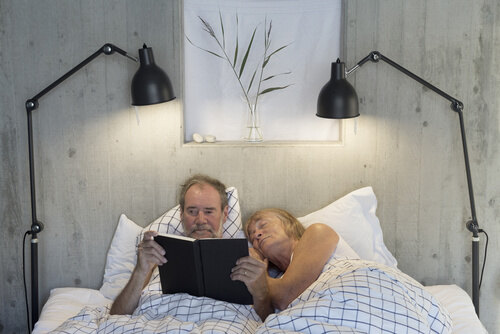
For someone who wants to remain active and engaged in life, sleep problems can be extremely frustrating: it’s hard to keep work, family, and social obligations when you’re sleep-deprived! There are, however, several ways to improve your sleep and get better rest. Sticking to a routine sleep schedule can help to program your body to fall asleep at the right time. Creating a bedtime ritual that allows you to relax before bed can also be helpful: reading, listening to soft music, taking a warm bath, or other soothing activities are great ways to unwind in the evening. Avoid caffeine and alcohol, especially late in the day, as both substances can disturb sleep. Also, try not to drink too much liquid in the evening: having to get up to go to the bathroom can be very disruptive to sleep.

Find the original article here.

Content provided by Edison Home Health Care. Their team of trusted advisors is happy to assist you or any loved one who seek appropriate care for Parkinson problems. Have questions? Give them a call at 888-311-1142, or fill out a contact form.

edison-logo

Continue reading

Healthy Living

What Is Osteoporosis?

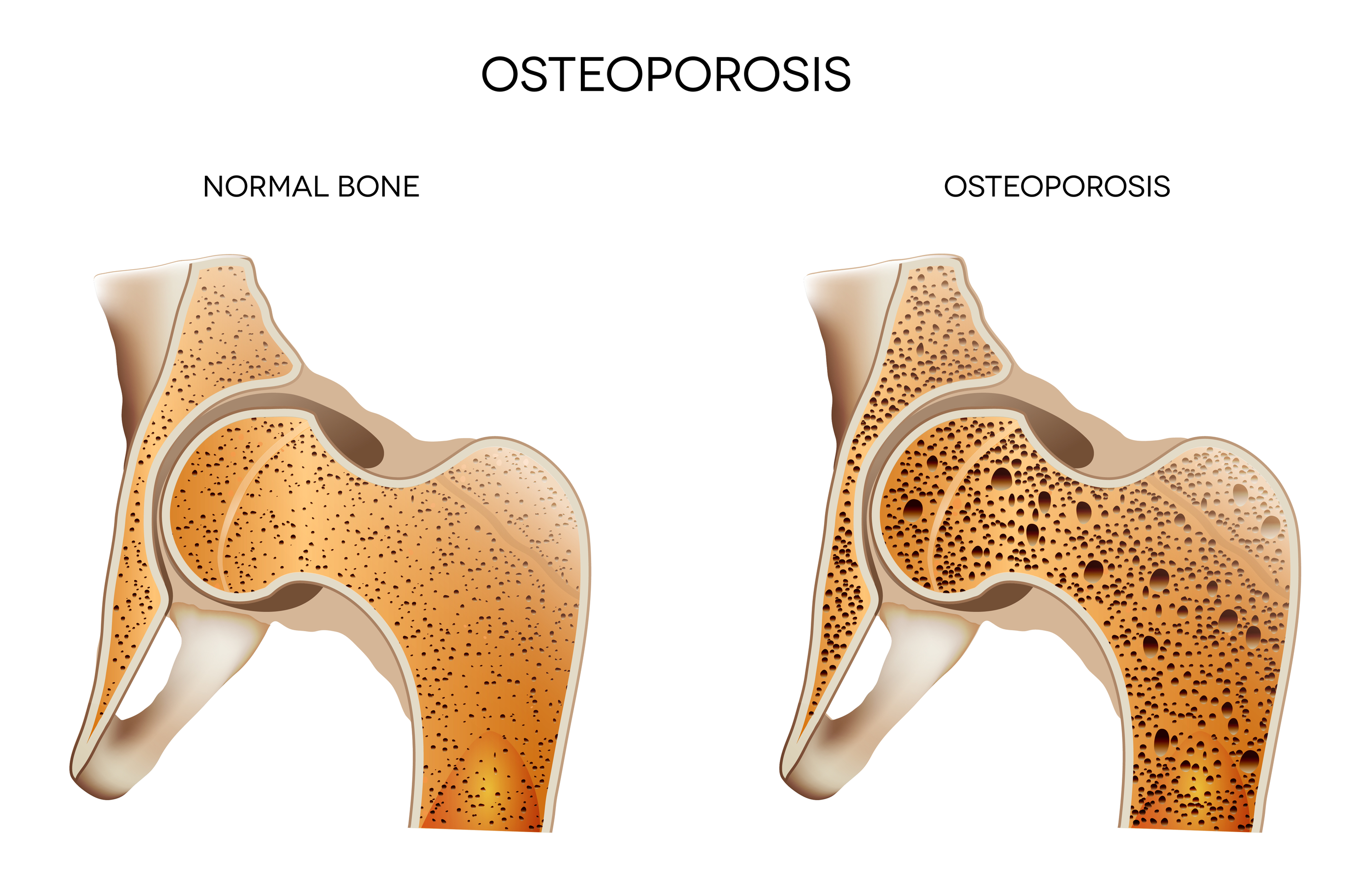
Osteoporosis is a disease that affects bone health and density. Bones are constantly breaking down and replacing themselves like other living tissues do. When suffering from osteoporosis, bones can’t replace all of the tissue that breaks down, causing them to weaken significantly. At first, osteoporosis doesn’t have any symptoms. The only way to find out whether you’re showing early signs of the disease is to have your bone density measured by a medical professional. Later on in the disease, once the bones have been significantly weakened, symptoms can include:

  • Bone fractures, especially one caused by normally non-threatening actions, like a small fall or bending or twisting of the body.  
  • Fractured or collapsed vertebra (causes back pain)
  • A stooped or curved posture
  • Decrease in height

If you experience any of these symptoms, visit a doctor immediately. Even if you have no symptoms, it is extremely important to schedule an appointment to talk with your doctor about your chance of having osteoporosis and about having your bone density measured, since older adults are more likely to suffer from osteoporosis. Other high risk factors include:

  • Having a smaller body frame
  • Having a family history of the disease, especially if a parent or sibling suffers from it
  • Being of Caucasian or Asian descent
  • Being a women, since loss of estrogen after menopause causes bones to weaken
  • Having pre-existing thyroid or other gland problems
  • Suffering from dietary issues such as low calcium intake, an eating disorder, or having gastrointestinal surgery
  • Long-term usage of medications such as oral or injected corticosteroid medications, and certain medications that treat seizures, gastric reflux, cancer, or transplant rejection
  • Suffering from medical conditions such as cancer, kidney or liver disease, celiac disease, inflammatory bowel disease, and rheumatoid arthritis

Prevention

Osteoporosis prevention is all about eating well and keeping a healthy lifestyle. A few prevention tips are:

  • Incorporating extra protien, vitamin D and calcium into your diet, all of which aid bone health.
  • Maintaining an appropriate weight that is neither overweight nor underweight. While those with thinner frames are at a higher risk of osteoporosis, recent studies have linked wider frames to increased chances in arm and wrist fractures.
  • Engaging regularly in exercise that helps minimize bone loss and strengthen bone health. Strength exercise helps upper body bone health (e.g.: exercising with weights), weight bearing exercises for lower body bone health (e.g.: walking, jogging, etc.), and balance exercises help with preventing falls (e.g.: tai chi, yoga, etc.)

Continue reading

Lifestyle

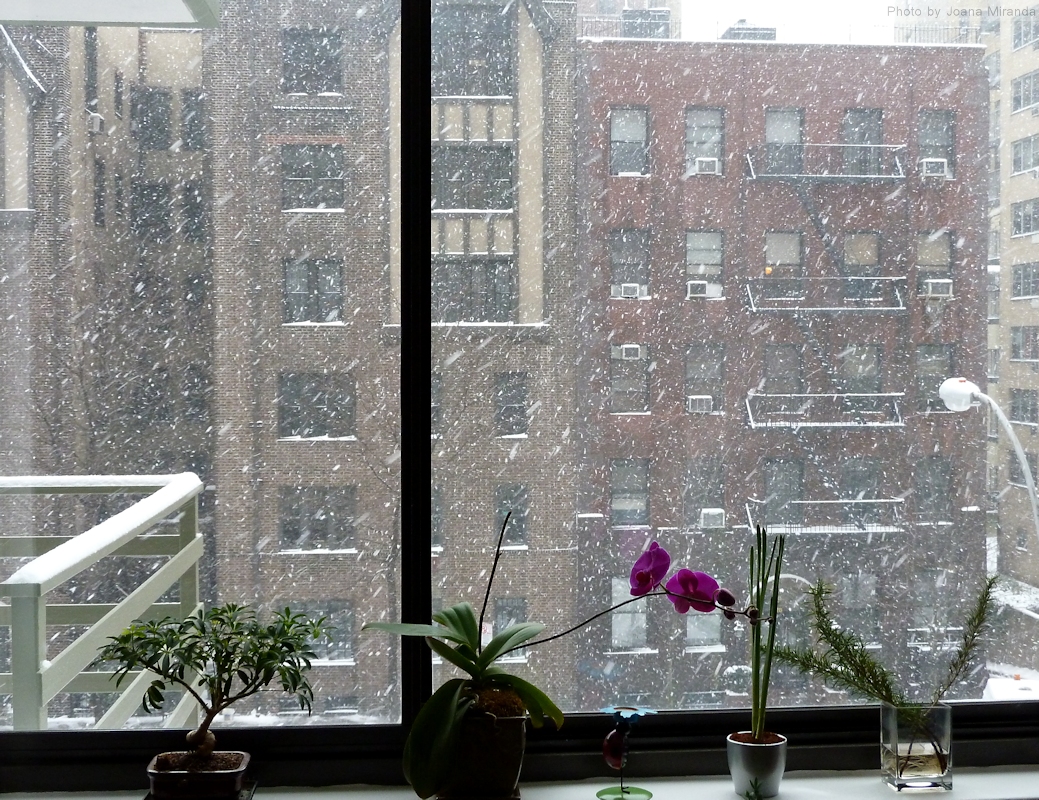
How To Keep Indoor Plants Alive During The Winter

Are You Worried About…

Lack Of Warmth?

While indoor plants have the advantage of staying warmer, your home is not always as toasty as your plants need it to be. When the heat is low or off, indoor plants can suffer from the cold, especially when placed by windows or drafty areas. While you can’t leave your heat on all day, there is a surprisingly simple solution to keeping your plants warm: Bubble wrap.

Pots can be wrapped in bubble wrap to ensure the roots of the plant doesn’t die due to frost. This also benefits the pot, especially terracotta or ceramic pots, which tend to crack due to frost. The bubble wrap should fully wrap around the pot, completely covering the sides and secured so not to unravel. The top of the pot should be left open.

If you’re worried about your indoor plants looking unsightly, then hessian wrap is a good alternative. The woven fabric gives indoor plants a more rustic look, and can be layered and decorated easier then bubble wrap can.  

Low Humidity?

During the winter, indoor heaters and heating systems create low humidity in the household, causing many plants to brown at the edges quicker than usual. There are a few different tricks to help combat this:

  • Keep your plants close together. Plants naturally release moisture into the air, so keeping them together will allow them to absorb the extra moisture.
  • Use an air humidifier near your plants.  
  • Place plants in the kitchen or a bathroom, where steam is regularly present.
  • In a shallow tray, place enough clean pebbles, gravel, or sand, so that a potted plant can be placed on top. Then fill the tray with water. The water should not rise above the gravel/pebbles. This will allow the water to evaporate around the plant, giving it extra moisture. Be sure to place the pot on top of the pebbles/gravel and not on directly in the water. Placing the plant in the water can cause the roots to rot.

Leaving The House?  

If you’re leaving your home for a few days and are worried about keeping your plants hydrated, there is a simple trick that can be done in order to keep your plants alive. After heavily watering all your plants, place them all in your bathtub or shower before you leave. The humidity of the bathroom will help keep the plants warm and hydrated for the few days you’re gone.

Continue reading

Partner Resources

Sleep Apnea

Sleep apnea is a common disorder characterized by pauses in breathing during the night. One of the leading causes of snoring, sleep apnea isn’t just annoying – it can have serious health consequences. Obstructive sleep apnea is the most common form of the disorder, and is caused by airway blockage. This type of sleep apnea can affect anyone, although it is more common in overweight individuals. Another type of sleep apnea is central sleep apnea, which is caused by faulty signaling in the part of the brain that controls breathing. Many sleep apnea sufferers have a combination of both kinds.

Sleep apnea is often first detected through snoring, as the bed partners of sleep apnea sufferers are often kept up or wakened by snoring throughout the night. Although snoring in itself is problematic, it’s not the only reason to take sleep apnea seriously: left untreated, sleep apnea can cause or exacerbate heart problems, diabetes, stroke, obesity, high blood pressure, and other ailments.

For older adults, a group among whom insomnia is particularly prevalent, sleep apnea can worsen the condition and further compromise sleep. Because high quality sleep is vital in retaining memory, motor function, coordination, and emotional health, it is especially important for seniors to address insomnia. One of the best ways to insure a good night’s sleep is to treat sleep apnea as soon as it is suspected, as well as exploring the root causes of the condition.

The first line of treatment for sleep apnea usually involves lifestyle changes, such as smoking cessation, weight-loss, and avoiding alcohol, muscle relaxers, and other drugs that may compromise the airway by relaxing the central nervous system. Mechanical treatments, such as special mouth appliances, pillows, and supports, can also be used. If these approaches don’t work, surgical intervention, or the use of special machines that keep the airway open by blowing pressurized air through a face mask, may be indicated.

Find the original article here.

Content provided by Edison Home Health Care. Their team of trusted advisors is happy to assist you or any loved one who seek appropriate care for Parkinson problems. Have questions? Give them a call at 888-311-1142, or fill out a contact form.

edison-logo

Continue reading

Healthy Living

Risks, Symptoms, and Signs of An Underactive Thyroid

What Are The Thyroid Glands?

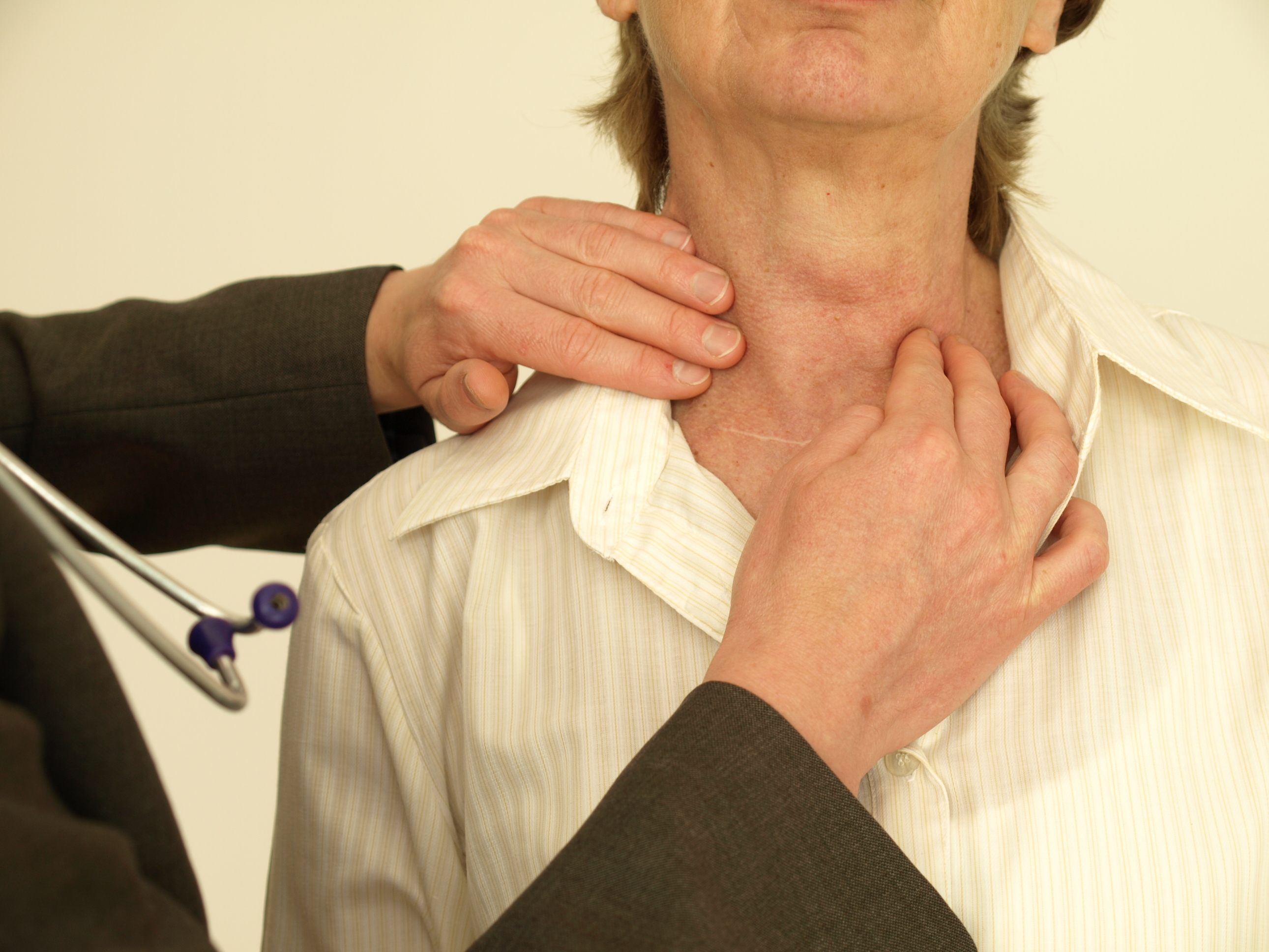
The thyroid is the butterfly-shaped gland located at the base of the neck, just below the Adam’s Apple. The gland produces hormones that affect the metabolism. The thyroid is extremely important, maintaining the body’s heart, temperature, protein production, and usage of fats and carbohydrates. Problems with one’s thyroid can result in thyroid disease, which is an umbrella term for any complication caused by the thyroid.

Here, we go over one of the most common thyroid problems: underactive thyroids.

Symptoms

Also called Hypothyroidism, an underactive thyroid occurs when the thyroid produces less hormones than usual. This can be caused by a number of pre-existing conditions, like autoimmune disease, medications, treatments such as radiation therapy, and prior thyroid surgery.

According to the Mayo Clinic, symptoms can include:

  • Fatigue
  • Increased sensitivity to cold
  • Constipation
  • Dry skin
  • Weight gain
  • Puffy face
  • Hoarseness
  • Muscle weakness
  • Elevated blood cholesterol level
  • Muscle aches, tenderness and stiffness
  • Pain, stiffness or swelling in your joints
  • Heavier than normal or irregular menstrual periods
  • Thinning hair
  • Slowed heart rate
  • Depression
  • Impaired memory

Hypothyroidism symptoms can start slowly, and can go unnoticed at first. It is important to visit a doctor as soon as you start experiencing multiple symptoms. The longer an underactive thyroid goes untreated, the more severe the symptoms become. When left untreated, underactive thyroids can lead to: goiters, heart problems, depression,  peripheral neuropathy, and other life-threatening health issues. Underactive thyroids can only be diagnosed and treated by professionals.

People who are at the highest risk of developing hypothyroidism are women over 60, people with autoimmune disease, those with a family history of thyroid disease, those who received radiation therapy, and those who have received thyroid surgery.  

Continue reading

Featured News

Section 202 and Mitchell-Lama Housing Programs

Section 202

Section 202, Supportive Housing for the Elderly is a program that provides housing for low- to moderate-income and disabled seniors. The program works through private and nonprofit sponsors, who provide the costs for the senior housing developments. These housing facilities can include meals, transportation, housekeeping, and other various services. But, not every facility includes services. However, each facility is subsidized, with rent averaging 30% of the household income.  

Those eligible for Section 202 must be 62 years or older, or have, at least, one household member who is over 62 years old.

Sources

For more information on Section 202 housing, visit:

https://portal.hud.gov/hudportal/HUD?src=/program_offices/housing/mfh/progdesc/eld202

http://community-wealth.org/strategies/policy-guide/hud_section-202.html

For a complete list of Section 202 housing facilities, visit the alternative senior housing PDF links at the end of the article.

Mitchell-Lama program

Mitchell-Lama developments are rentals and co-ops available for moderate- to middle-income households. While the program is open to anybody, there are senior-only Mitchell-Lama housing. The developments are either overseen by the New York City Department of Housing Preservation and Development (HPD) or the New York State Division of Housing and Community Renewal (DHCR).

Applications are done through the development, with each development requiring a separate application. Applicants are then added to a waiting list, with acceptances based on a lottery system. You may apply to as many developments as you’d like.

Each development has its own unique requirements, but the general requirements depend on income, household size, and apartment size. For a complete list of income limits, visit here.

Sources

For open waitlists for Mitchell-Lama developments, visit: www1.nyc.gov/assets/hpd/downloads/pdf/renters-mitchell-lama/ML-waiting-Lists-Status.pdf

For short waitlists for Mitchell-Lama developments, visit:

www1.nyc.gov/assets/hpd/downloads/pdf/renters-mitchell-lama/Short-waiting-Lists.pdf

For more information on Mitchell-Lama developments, visit:

www1.nyc.gov/site/hpd/renters/mitchell-lama-rentals.page

For a complete list of alternative senior housing, as well as lists of available Section 202 and Mitchell-Lama senior developments, visit the links below.

Alternatives in Senior Housing PDF: Bronx

Alternatives in Senior Housing PDF: Manhattan

Alternatives in Senior Housing PDF: Brooklyn

Alternatives in Senior Housing PDF: Queens

Alternatives in Senior Housing PDF: Staten Island

For more information on senior housing, visit:

www.nyc.gov/html/dfta/html/benefits/housing.shtml

Continue reading

Partner Resources

With Age Comes Extended Time To Fall Asleep

It is very common for people over the age of 60 to get less than the recommended 7-8 hours of sleep each night. In fact, many older adults struggle with insomnia. Insomnia is defined as difficulty falling and staying asleep – taking longer than 30 minutes to fall asleep or waking frequently during the night.

Sleep changes in older people are due to a number of factors. As people age, the circadian rhythm – the internal cycle often called the “biological clock” – shifts. Many older adults become tired earlier in the evening and wake earlier in the morning than they used to. This can be frustrating, as a new sleep cycle may conflict with social and work schedules. People who are not used to going to bed at an earlier time may have trouble falling asleep, even if they feel sleepy. In addition to changes in circadian rhythm, sleep architecture – the way in which the different stages of sleep are structured – also shifts as people get older. This means that, instead of extended periods of deep, restorative sleep, older people tend to spend more time in lighter stages of sleep, during which they are more susceptible to being woken by changes in the environment, such as noise or light.

In addition to biological changes in sleep architecture and circadian rhythm, older people may experience insomnia due to the ailments that often accompany aging. Chronic pain can make it difficult to fall asleep and stay asleep; diseases such as Parkinson’s and Alzheimer’s can also cause insomnia. Insomnia is also a very common side-effect of certain medications. Although it can be disruptive to daily life, insomnia is a completely normal part of aging. With the right approach, it can be managed to allow maximum quality of life.

Find the original article here.

Content provided by Edison Home Health Care. Their team of trusted advisors is happy to assist you or any loved one who seek appropriate care for Parkinson problems. Have questions? Give them a call at 888-311-1142, or fill out a contact form.
edison-logo

Continue reading

Lifestyle

Simple Ways To Faster WiFi

Over 95% of Americans are connected to wireless internet, mostly through routers inside their homes. Yet, a lot of people don’t know what exactly WiFi is, or how they can get the best connection. Here, we go over the basics of WiFi and simple tricks you can do to ensure the fastest connection.

What Is WiFi?

WiFi is what connects wireless devices to the internet. Just like radios and cellphones, WiFi is transmitted through radio waves, which carries data through a network. WiFi is transmitted through a router, which generally travels short distances. This is why WiFi connection stops once a device is moved farther away from the router. The farther a device connected to WiFi gets from the router, the weaker the connection becomes. Depending on the router, this distance can vary from anywhere between 115 to 230 ft.

There are a lot of different factors that can cause WiFi to weaken. Surfaces such as wood, concrete, and metal can all hinder a router’s radio waves. Other radio waves, admitted from other devices and appliances, can also hinder the router’s waves. While slow WiFi can be a sign of more internal troubles, it can also be the effect of something as simple as the placement of a router. For faster, more reliable WiFi, try these tricks.

Place your router at the center of your home. This will make the WiFi more evenly distributed throughout your home. If a router is placed close to a corner, then the opposite side of the home will receive weaker reception.  

Don’t place the router behind closed doors or on the floor. The surfaces of doors, walls, and floors can absorb some of the radio waves. Keeping your router in a high, open area will prevent that.

If your router has movable antennas, place one vertically and one horizontally. Devices such as cell phones and computers have antennas inside the device which receive the router’s radio signals. These devices connect to WiFi best when the router’s antennas are parallel to theirs. Since laptops’ and computers’ antennas are usually placed horizontally and cell phones are often held vertically, the router can easily connect to both.

Keep your router updated. Technology advances fast. A router made in 2011 is going to work much less efficiently than a router made in 2016. Slow WiFi or continuously dropped connections may be caused by an old router.

Keep away from other radio waves. Televisions, microwaves, radios, cordless phones, and other appliances all submit radio waves which can interfere with WiFi radio waves. While it’s pretty hard to keep a router away from all appliances, try to keep routers away from spots like under a television or right next to a phone or computer.

Continue reading

Featured NewsWinter 2017 NY for Seniors Magazine

New York for Seniors Magazine Winter 2017 Preview

New York For Seniors is excited to announce the completion of our Winter 2017 Edition magazine launching on Monday, February 13th! Bringing together seniors from all over New York, this edition highlights some incredible programs and people whose generosity shined over the holiday season. Along with the features, the magazine is filled with informational articles that answer commonly asked questions, as well as enough events to keep you busy for the rest of the winter season.

Some great articles to look out for are:

  • The Elder Abuse Public Education Campaign
  • Reverend Dr. Waterman and First Lady Lola Waterman, Esq. of Antioch Baptist Church’s Outreach to Brooklyn Seniors
  • Winter Greenmarket Tips and Tricks
  • JASA And R.A.I.N Events Recognizing Outstanding New York Senior Volunteers
  • R.A.I.N’s Bronx Bound Mobile Food Kitchen
  • Lowering Your Energy Costs With HEAP
  • The Difference Between Generic And Name-Brand Medications

And so much more!

Continue reading

Featured News

Public Housing: How To Apply

What Is Public Housing?

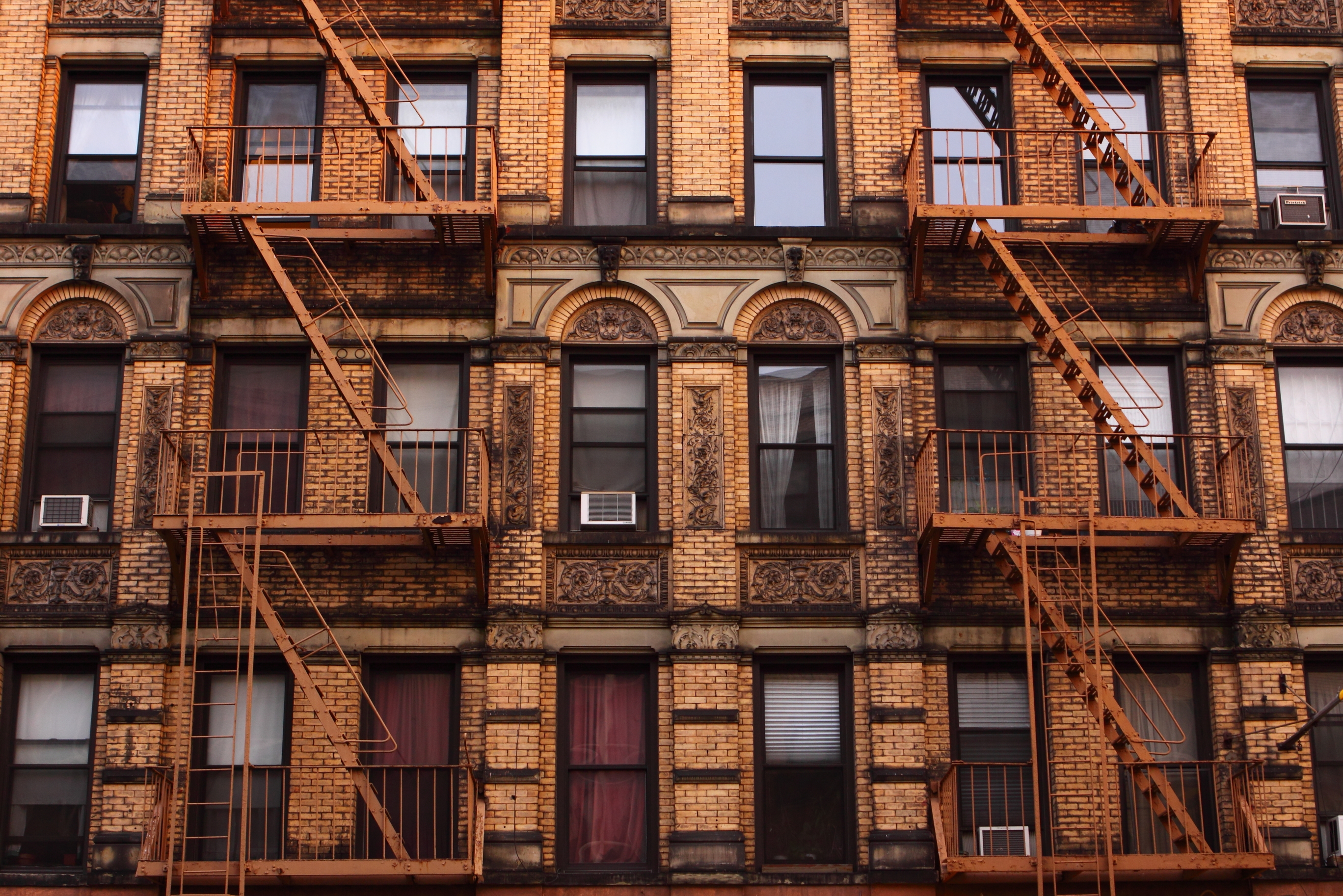
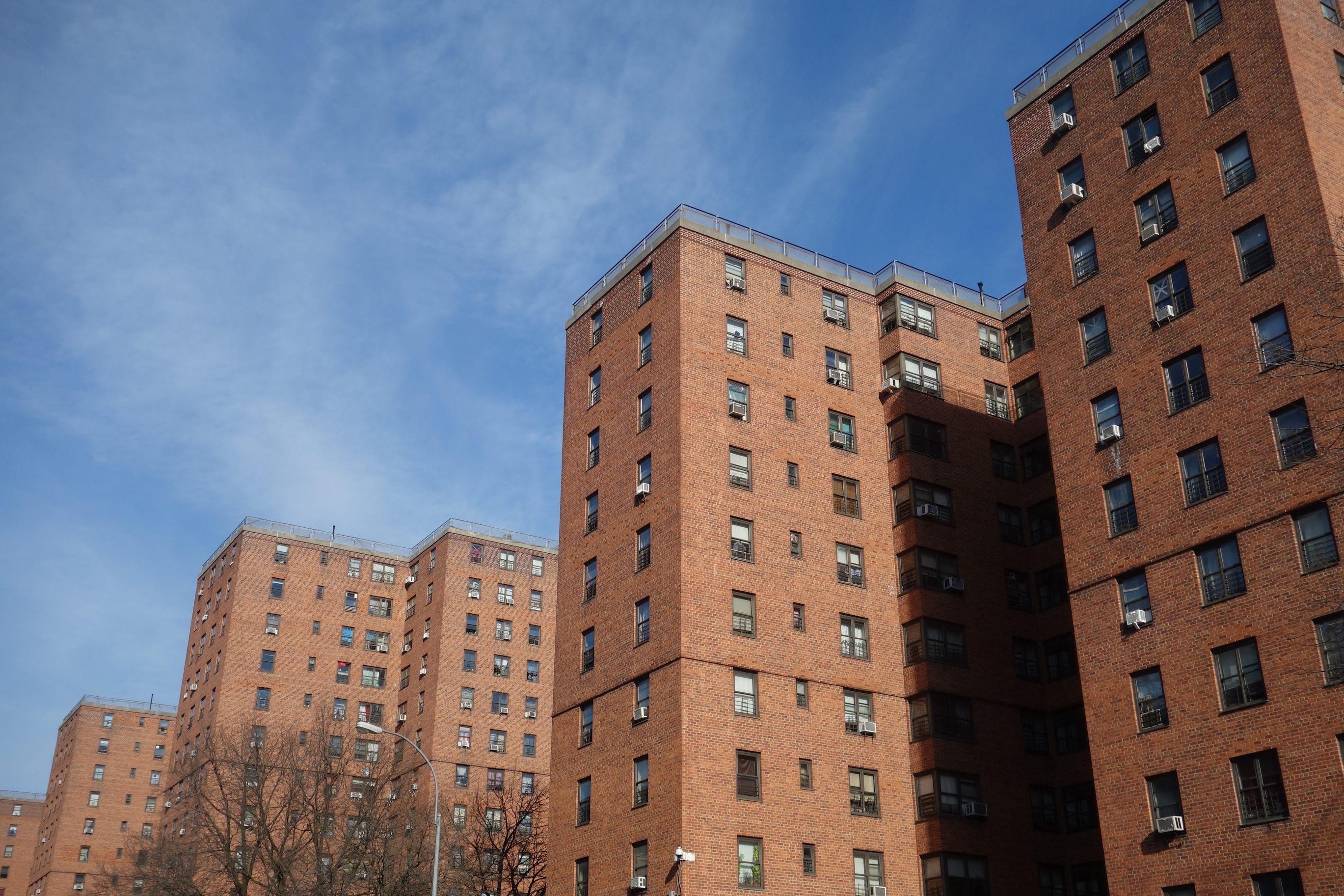
Public housing are apartments owned by the New York City Housing Authority that are rented to people with low to moderate incomes. These apartments’ rents are 30% of the household’s total income, which allows each household to pay what they can afford. The NYCHA owns, approximately, 328 public house developments in NYC that house over 400,000 people. Because of the high demand of these apartments, the waiting list is extremely long, with over 250,000 applicants. Applicants who are chosen are those who are deemed higher priority than others, such as those who live or work in New York, have disabilities, currently live in shelters, have small children, are victims of domestic violence, etc.

Public housing is not the same as the Section 8 Program. Section 8 deals with privately owned apartments and landlords. The majority of housing developments include gas and electric with the rent. For the few developments that don’t, a utility allowance will be deducted from the rent each month in order to help residents pay

Senior Public Housing

People who are 62 or older have the option to choose to live in a partially or exclusively senior facility. To qualify for senior housing, the head or co-head of the household must be 62 or older, as well as all other members of the household.

While the public housing application process does not allow for applicants to choose their preferred resident, those who qualify for senior housing may respond yes when asked on the application if they would like to be considered for senior housing.

Applying To Public Housing

Eligibility

Eligible applicants must:

  • Be 18 or over or be an emancipated minor
  • Have at least one household member who is a US citizen or a non-citizen with eligible immigration status
  • Have a household income equal or below the incomes listed on the NYCHA website, found here.  

Applicants do not have to have children, an income, or be a New York residents to apply, but, those who live or work in NYC are prioritized. You can apply for public housing even if you are already on the waiting list for Section 8, and vice versa. But, if you receive an apartment through one program, your application for the other will be greatly reduced in priority.

Filing The Application

Public housing applications can be done online at www1.nyc.gov/site/nycha/eligibility/apply.page or in person at a NYCHA walk-in-center, which can be found here. When applying, the applicant will be able to choose their first and second borough choice, but cannot apply for a specific development. You will be required to provide your total household income, family makeup, and current living situation.

Applications do not require any personal documentation. All official information will be verified afterwards. You should never pay to fill out a public housing application. Those applications are scams and should be reported to the NYCHA’s inspector general at (212) 306-3355.

Application Status

Once you apply, you should receive a letter within 2 weeks that tells you of your assigned housing priority. If, after 2 weeks, you have not received the letter, call the NYCHA customer care center at (718) 707-7771 (Open Monday – Friday, 8am to 5pm).

After submitting the application, you may be called for an eligibility interview, though there is no estimation as to when you may be called. After the interview, you may be selected to be preliminarily eligible for public housing and will be put on a borough or development waiting list. When an apartment opens, you and everyone in your household over the age of 16 will have criminal background checks. If all is well, you will receive the apartment. If anyone does not pass the admittance requirements, then you will not receive the apartment, and you will receive a letter instructing you on how to proceed from there.

Applicants who are listed as the head of household can register at the NYCHA Self-Service Portal (selfserve.nycha.info) to keep track of their application. Application information, like phone numbers, emails, and prefered boroughs can be updated through the site. To add or remove an income or family member, you must complete a new application.

To remain on the waiting list, applicants must reapply every 24 months.

Continue reading

Uncategorized

Winter Pet Care: What You Need To Know

Lower temperatures affect more than just humans, it affects our animals too. Too often, people tend to neglect their pets during the winter, not realizing that cats and dogs also need their fair share of protection against the colder weather. Here, we go over some pivotal rules to follow when caring for your pets during the winter months.

Beware of Toxins

Winter products like rock salt and antifreeze can cause serious health defects to dogs and cats. Rock salt, which commonly becomes lodged in animal’s paws after outside walks, absorbs the pet’s body heat and can get as hot as 175° F, which causes the animal’s paws to burn. Ingestion of the salt is even worse, since both dogs and cats regularly lick the substance off their paws. This can cause seizures, burning to the tongue and digestive tract, dehydration, organ failure, and in extreme cases, death. Antifreeze has similar symptoms, also including unsteady or shaky movements, vomiting, excess urination, diarrhea, fainting, delirium, and heart palpitations.

The best way to make sure your pet is safe from rock salt is to wipe down your pet’s paws thoroughly when they enter in from the outside. If you take your pets for walks and they seem bothered by walking outside, try using pet booties (also called paw protectors) on your pet. Antifreeze bottles should always be stored in tightly closed containers and away from animal reach. Any spills or leaks should be cleaned and fixed immediately. And owners should not let animals roam places where antifreeze is commonly used (such as gutters, garages, roads, etc.). When using antifreeze, look for ones with propylene glycol instead of ethylene glycol. Ethylene glycol is toxic to pets while propylene glycol is both safer and FDA approved.

Provide a Warm Place to Sleep

Even when indoors, pets still need a warm place where they can sleep and relax. They should not be forced to sleep on cold floors. Instead, pets should have raised beds. Warm blankets can turn a normal pet bed into a warmer and more comfortable environment. Special insulated pet beds can be purchased, including heated beds, which are great for older dogs since the heat helps their joints. Beds should be placed somewhere warm and familiar to the animal, and kept away from drafts or cold spots.

Be careful not to place your pet’s bed too close to space heaters, radiators, or fireplaces. Animals love snuggling up to warm places, but certain heaters can cause burns. Be sure to keep your pets away from any hazardous heaters.

Take Caution to the Outdoors

During the winter, indoor pets should remain indoors. While walks and the occasional park visits are alright, animals should not be left outside. When animals, especially dogs, are left outside during the cold, this can be considered abuse, especially if they’re left out all night or day. If they’re shivering, begging, or whimpering, it’s time to take them inside.

When your pet is outside, they should always be warm. While some dogs have heavier and more insulated furs, dogs with lighter coats of fur should wear a coat or sweater when outside in the cold. These coverups should cover the dog’s stomach. When it comes to cats, most have a thick undercoat of fur and don’t require additional covering. But, hairless cats do require some extra help, especially if they live in cold areas. To figure out when it is appropriate to put on your pet’s sweater or coat, go by how you feel. If it’s cold enough for you to put on extra clothes, then it’s most likely cold for them too. 

Feral or stray cats are a different story. If you take care of outside cats and are worried about them during the winter, creating insulated structures for them to sleep in is a great way to ensure they’re safe from the cold. If you put out food and water, do not place the water inside of the structure, since it could spill and make the inside even colder. Instead, place the water outside of it and replace frequently to ensure it doesn’t freeze.

Continue reading

Partner Resources

Sleep Apnea Heart Issues

Sleep apnea is a common condition that affects many Americans from all walks of life. Although it is frequently associated with certain populations (it is more prevalent in men, smokers, and overweight individuals, as well as within certain ethnic groups) it can affect anyone. Sleep apnea involves temporary cessation of breathing during sleep, and can range from mild (fewer than five instances every hour) to severe (more than thirty instances within an hour). Although many people associate sleep apnea with insomnia and snoring, when left untreated, it can have even more serious consequences – including an increased risk of heart problems.

Although no causal link between sleep apnea and heart disease has been established, studies have shown a correlation between the disorder and sudden cardiac arrest, arrhythmias, and other heart problems. Researchers have speculated that the changes in oxygen saturation in the blood caused by periodic stoppages in breathing throughout the night interfere with normal electrical patterns in the heart, increasing the risk of dangerous irregularities in rhythm that can lead to heart attack. Similarly, sleep apnea is associated with high blood pressure; periodic waking or changes in the sleep cycle are often accompanied by a spike in blood pressure, due to activation of the sympathetic nervous system. This in turn can put more stress on the heart.

There are other ways in which sleep apnea may be correlated with heart disease. Obesity is a strong risk factor for both sleep apnea and heart disease; addressing obesity may help to combat both problems at once. Although treating sleep apnea may not completely eliminate the risk of sudden cardiac arrest, heart failure, and other heart problems, addressing the disorder is an important step toward better heart health. Detecting and treating sleep apnea as early as possible may help to prevent or ameliorate potentially serious conditions like heart disease.

Find the original article here.

Content provided by Edison Home Health Care. Their team of trusted advisors is happy to assist you or any loved one who seek appropriate care for Parkinson problems. Have questions? Give them a call at 888-311-1142, or fill out a contact form.
edison-logo

Continue reading

Healthy Living

Glaucoma: The Different Causes, Types, and Signs

What Is Glaucoma?

Glaucoma is an umbrella term for multiple eye conditions caused by damage to the optic nerve inside the eye. Although each condition varies in causes and symptoms, all can lead to permanent eye damage, including partial and complete blindness in one or both eyes. In fact, glaucoma is one of the leading causes of blindness in the US, especially among seniors. Approximately 15% of people with untreated glaucoma become blind in one or both eyes. Knowing the types of glaucoma and the symptoms and signs are essential in catching the condition early on.

Causes & Symptoms

Elevated eye pressure is one of the leading causes of glaucoma. Eye pressure occurs when the fluid that is normally drained from the eye is overproduced, causing the fluid to build up, which causes pressure. But, while those with elevated eye pressure are at a higher risk of developing glaucoma, not everyone with eye pressure will develop it. Additionally, you do not need to have elevated eye pressure in order to be affected by glaucoma. Those at the highest risk include:

  • People with a family history of glaucoma
  • People over 60
  • Those suffering from other conditions such as diabetes, heart disease, sickle cell, and high blood pressure
  • Those with other eye conditions such as eye pressure or far or nearsightedness
  • Those who have had prior eye injuries or surgeries.

Although different types of glaucoma cause varying symptoms in either one or both eyes, the most telling sign of glaucoma are patchy blind spots that happen to the side or central vision, and the loss of one peripheral (side) vision, also known as tunnel vision. These symptoms, generally, occur during the later stages of the disease.

Types

Different types of glaucoma include:

Open angle glaucoma is the most common type of glaucoma, and is caused by building pressure in the eye, which gradually damages the optic nerve. This type of glaucoma begins with no symptoms, and can go unnoticed until eyesight begins to worsen.

Angle-closure glaucoma, or closed-angled glaucoma, happens when drainage in the eye is blocked, causing the fluid to build up and create pressure. Angle-closure can happen in two ways, either suddenly (known as acute angle-closure) or gradually (known as chronic angle-closure). Symptoms can include:

  • Eye pain
  • Headaches
  • Blurry vision
  • Nausea
  • Vomiting
  • Eye redness
  • Halos or flares around light

If you have any of these symptoms, seek medical help immediately.

Normal-tension glaucoma occurs when the optic nerve is damaged due to unknown causes, without the buildup in eye pressure.

Pigmentary glaucoma is caused by pigment from the iris draining and blocking other fluid from draining from the eye.

Glaucoma has no cure. Because it shows little to no symptoms during its earliest stages, it’s important to receive regular checkups with an eye doctor to catch any early detections of the disease. Early detection can help treat and prevent any further eye damage.  


Continue reading

Healthy LivingLifestyle

Does Bad Weather Really Cause Joints To Ache?

Do you ever get back pain when it rains? Or headaches in the cold? Old wives’ tales have always blamed the weather for making the body ache, and now, science does too. After years of people swearing this phenomenon is true, there is now solid evidence that aches and pains worsen in certain weathers.

So, what causes this? Depending on the weather, the air pressure, or barometric pressure, shifts from high to low. When the pressure drops, as it does before and during bad weather, such as rain storms, the nerve endings in joint tissues swell, tighten and ache. People suffering from arthritis or bone diseases like osteoporosis tend to be the most affected, since it worsens their existing symptoms.

But, it’s not only the joints that are affected. Many scientists believe that changes in weather also affect migraines. Shifts in barometric pressure and temperature may cause the brain to feel pressure, making it harder for it to block out pain. Like with joint pain, many people who suffer from headaches and/or migraines have worse experiences during bad weather.

Does that mean weather is making bone or brain health worse?

It’s unlikely. The barometric pressure and temperature only have temporary effects on existing symptoms. This is why people with strong bones don’t feel aches during the change in weather. Once the bad weather passes, the aches and pains tend to go with it. If you suffer from severe pain during changes in weather, tell your doctor. Together, you can come up with a more flexible treatment that incorporates different shifts in weather.

These causes are not completely proven yet, but most scientists and doctors agree that these are the most likely causes. If you’re experiencing tightened joints due to the weather, apply heat to the affected area, using a heating pad or heating creams. Lightly stretching the affected joints also helps. If you are going to spend time outside in the cold, be sure to dress warmly and avoid any strenuous activities.

Continue reading

Featured News

Workplace Ageism: How To Identify Discrimination and Fight Back

What is Ageism?

Ageism is the act of discrimination against an older person. This primarily affects people over the age of 60, and is unfortunately experienced by many seniors on a near daily basis. Ageism can come in many forms, including:

  • Stereotypes that depict older people as invalids, forgetful, stupid, or slow.
  • Jokes aimed towards senior stereotypes.
  • People using patronizing language when talking to seniors (especially prevalent in doctors and healthcare professionals).
  • Experiencing work discrimination due to a person’s age.
  • Experiencing verbal or physical harassment due to a person’s age.

While not all types of ageism are directly harmful, age discrimination that occurs in the workplace and discrimination that turns into direct harassment are illegal. Here we go over the types of workplace ageism and what actions can be taken against it.

Workplace Ageism

Under the Age Discrimination in Employment Act (ADEA), people over the age of 40 are protected from age discrimination in the workplace. Types of discrimination can include:

  • Being fired due to a person’s age (especially if before the official termination, negative comments were made by the supervisor about the person’s age)
  • Being fired because the company no longer wishes to pay your salary
  • Being passed up for a promotion by a younger, less experienced worker (often done in order to get ‘ a fresh perspective’ or ‘new blood’)
  • Layoffs that affected mostly, if not all, older workers.
  • Negative evaluations that focus on a person’s age (often, evaluations will use certain language to convey this, using terms such as ‘old school’, ‘inflexible’, or ‘out of date’)

Ageism can also be combined with gender, race, or disability discrimination.

While the ADEA covers workers who work at a workplace that regularly employs 20 or more workers, In New York, the workplace only has to have 4 or more employees in order for a worker to file for discrimination. Workplaces do include state and local government jobs, as well as labor unions and employment agencies.

It is illegal for workplaces to:

  • Fire someone in order to stop paying for their pension benefits and or health insurance
  • Force someone into retirement (in most cases)
  • Unlawfully requesting applicants’ age or date of birth
  • Employers making specific age requests for positions (in most cases)

There are exceptions to many ageism claims, especially if age was not not the only factor for an employer’s decision or action. When filing for age discrimination, the individual must be able to prove that the discrimination was an intentional action based on the individual’s age. For this reason, many people have a hard time proving age discrimination.

In New York State, discrimination cases can be filed through the New York Division of Human Rights (DHR) (website found here), the Equal Employment Opportunity Commission (EEOC) (website here), and the New York City Commission on Human Rights (CHR) (website here) for those who live in New York City. To find out more about filing an age discrimination case, visit here.

For more information on age discrimination in the workplace, visit the resources below.

http://www.workplacefairness.org/age-discrimination#1

https://www.eeoc.gov/laws/types/age.cfm

Continue reading

Partner ResourcesUncategorized

The Cause Of Parkinson’s Disease

Parkinson’s disease is a complex disorder that causes problems with movement, as well as psychiatric, skin, urinary, and digestive problems in its later stages.

Parkinson’s is a progressive disease, meaning that it gets worse over time. People who suffer from Parkinson’s initially experience a range of symptoms including tremors, body stiffness, slowness of movement, and impaired balance. At first, these symptoms may be annoying, but pose no impediment to independent living. Eventually, however, symptoms become severe enough to necessitate round-the-clock care for those affected. Although there are many comfort measures that can improve the quality of life for its sufferers, there is no cure for Parkinson’s.

Parkinson’s is a disease of the nervous system, caused by dysfunction in the part of the brain that controls movement. Although most of us take voluntary movement for granted, and can perform a physical task as quickly as we can think about it—scratching our nose, picking up a glass of water, getting up from a chair—for people with Parkinson’s disease, the normal interaction between the parts of the brain that control movement and the rest of the body is interrupted. Ordinarily, when someone initiates movement, a complex interaction between sensory input and parts of the brain responsible for planning and decision-making occurs, and signals are sent to other brain regions responsible for coordination and balance. These signals in turn are transmitted to the cerebellum, the region of the brain responsible for muscle movement, and eventually through the spinal cord to the rest of the body.

The signals that travel through the brain and body must somehow be carried from one place to another: this is accomplished by chemicals called neurotransmitters. These molecules are produced by neurons, highly specialized cells that gather in densely packed nodules on the tips of nerve fibers throughout the brain and nervous system. Neurotransmitters pass between gaps in the neurons, called synapses, and attach to proteins known as receptors on nearby cells. The signal for “movement” is thus passed between neurons until it reaches a receptor site in a muscle, causing the muscle to contract, thereby causing movement. In Parkinson’s disease, this complex interaction between the brain and the rest of the body is interrupted.

Find the original article here.

Content provided by Edison Home Health Care. Their team of trusted advisors is happy to assist you or any loved one who seek appropriate care for Parkinson problems. Have questions? Give them a call at 888-311-1142, or fill out a contact form.
edison-logo

Continue reading

Healthy Living

What You Need To Know About Overactive Thyroids

What Are The Thyroid Glands?

The thyroid is the butterfly shaped gland located at the base of the neck, just below the Adam’s apple. The gland produces hormones that affect the metabolism. The thyroid is extremely important, maintaining the body’s heart, temperature, protein production, and usage of fats and carbohydrates. Problems with one’s thyroid can result in thyroid disease, which is an umbrella term for any complication caused by the thyroid.

Here, we go over one of the most common thyroid problems: Overactive thyroids.

Symptoms

Hyperthyroidism, or overactive thyroid, is caused by the thyroid overproducing hormones. This causes the metabolism to work faster than it’s meant to. According to Mayo Clinic, symptoms of hyperthyroidism include:

  • Sudden weight loss, even when your appetite and the amount and type of food you eat remain the same or even increase
  • Rapid heartbeat (tachycardia) — commonly more than 100 beats a minute — irregular heartbeat (arrhythmia) or pounding of your heart (palpitations)
  • Increased appetite
  • Nervousness, anxiety and irritability
  • Tremor — usually a fine trembling in your hands and fingers
  • Sweating
  • Changes in menstrual patterns
  • Increased sensitivity to heat
  • Changes in bowel patterns, especially more frequent bowel movements
  • An enlarged thyroid gland (goiter), which may appear as a swelling at the base of your neck
  • Fatigue, muscle weakness
  • Difficulty sleeping
  • Skin thinning
  • Fine, brittle hair

(Source: Mayo Clinic)

Symptoms can vary depending on the person. Older adults tend to experience less severe symptoms, sometimes showing little to no symptoms. Symptoms such as fatigue, increased heart rate, and higher body temperature can easily be mistaken for other health issues.

Overactive thyroids can be caused by preexisting conditions, including graves’ disease, toxic adenoma, Plummer disease (toxic multinodular goiter) and thyroiditis(x). The disease is more common in women and in people with a family history of thyroid disease.

Hyperthyroidism can only be diagnosed and treated by a doctor. If you start experiencing any symptoms, consult with your doctor immediately. If untreated, overactive thyroid can result in heart disease, osteoporosis, eye problems, red, swollen skin and thyrotoxic crisis.

Continue reading

Lifestyle

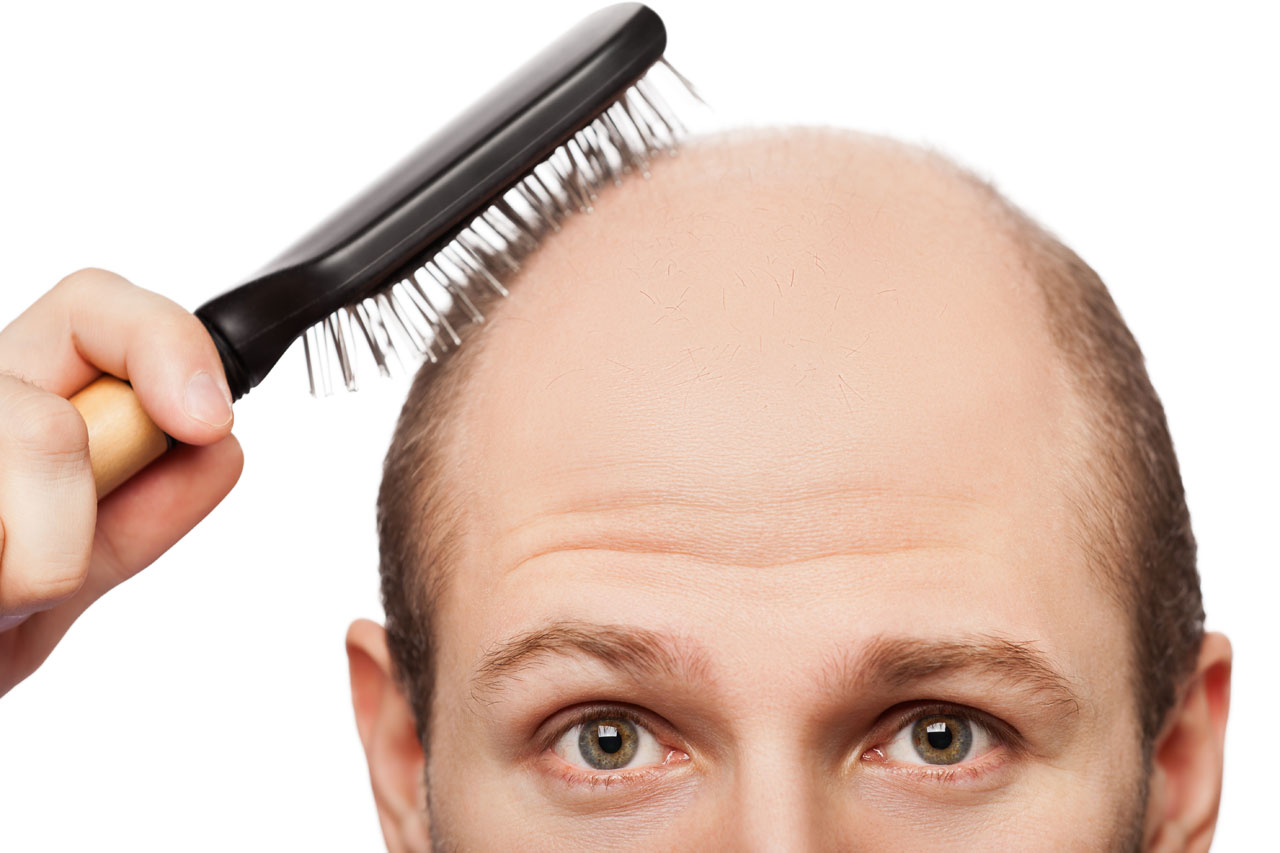
Do Hair Growth Products Really Work?

Hair loss is almost inevitable. It’s estimated that 85% of men experience hair loss by the age of 50 and 40% of women experience it by the age of 40. Because of this, many products love to claim that they can prevent or cure hair loss. Everything from shampoos to oils to vitamins to medicines and laser treatments promise to promote hair growth and put a stop to thinning hair. Unfortunately, almost all of them are complete BS. But, there are two forms of FDA approved hair loss treatments which do work: minoxidil and finasteride.

Minoxidil is an over-the-counter hair growth stimulator. It does not stop hair loss, nor is it a cure for hair loss. Instead, minoxidil helps the scalp produce more hair. Once a person stops applying the medication, hair loss will continue. The medication is applied to dry hair twice a day, and can take up to four months before it begins to produce a change. Minoxidil is also available in forms known as theroxidil or rogaine.

Pros: Minoxidil is for both men and women, and has been proven to stimulate hair growth in two out of three men.

Cons: While not limited to certain ages, minoxidil does work better for those under the age of forty, and in those who have only recently been experiencing hair loss. For those who stop using the treatments, hair loss may be more prominent than before. Side effects can include scalp irritations such as redness, dryness, flaking, or itchiness.

Finasteride is specifically for male-patterned baldness and must be prescribed. It slows and stops hair loss, as well as promotes hair growth in two out of three men. It is taken as a pill once a day and goes under the brand name Propecia.

Pros: Finasteride is extremely effective, working for 90% of men who take it.

Cons: Finasteride is only for men and can only be used for male-pattern baldness. It is also not a cure. Once you stop taking finasteride, hair loss will reoccur. In rare cases, finasteride can cause erectile disfunction.

Continue reading

Partner Resources

Arthitis and Occupational Injuries

Arthritis is accompanied by three main symptoms: joint pain, reduced mobility, and swelling of the affected joint. Rheumatoid arthritis and osteoarthritis are the dominate types of arthritis. Rheumatoid arthritis is an autoimmune disorder in which the body mistakenly attacks healthy cells, leading to joint degeneration. Osteoarthritis, on the other hand, is caused by general wear-and-tear on the joint. Osteoarthritis occurs when cartilage – the tough, springy tissue that cushions the bones in a joint – is worn away or compromised. Osteoarthritis is common among older adults since simple aging often causes increased brittleness. Individuals who have a physically demanding occupation, an acute injury, or put repeated stress on a joint can are at a higher risk of developing osteoarthritis.

Physically demanding jobs that require heavy lifting or repetitive motion such as construction workers, dancers, and athletes create extra strain on the joints. Also, retail, hospitality, and healthcare workers who spend much of the day on their feet are at increased risk. Preventive measures for arthritis involve proper stretching before and during activities to ease joints, in addition to taking frequent breaks to rest. Once arthritis has set in, there is no cure for completely getting rid of it, but there are options to ease symptoms. Treatment ranges from lifestyle changes to medications to surgical procedures depending on the severity of the ailment. Regular exercise can strengthen muscles and potentially stimulate cartilage growth. According to the CDC, women can greatly benefit from weight loss to relieve knee osteoarthritis. Diet is essential to health: vitamins C, E, and D are full of antioxidants that can help protect the body. Over-the-counter medications including Tylenol, aspirin, and ibuprofen can relieve pain and reduce inflammation. Other mild forms of osteoarthritis can benefit from massages, acupuncture, physical therapy, ointments, and orthopedic soles impotenciastop.com. Severe arthritis can be treated with hyaluronic acid injections or joint replacement. Discuss with your physician the best treatment for your condition.

Find the original article here.

Content provided by Edison Home Health Care. Their team of trusted advisors is happy to assist you or any loved one who seek appropriate care for Parkinson problems. Have questions? Give them a call at 888-311-1142, or fill out a contact form.
edison-logo

Continue reading

Healthy Living

What You Need to Know About Depression

Among seniors, depression is the most common mood disorder. It often goes undiagnosed and untreated due to the stigma that it is not a real disorder. Depression is very real, and should never be ignored. Here, we go over the types, symptoms, causes, and effects of depression.

Depression is the feeling of sadness, hopelessness, and apatheticness. The difference between feeling sad and feeling depressed, is that depression lasts for long periods of time, from anywhere between a few weeks to several years. It inevitably will affect a person’s life, including their personal relationships and job performance. The main types of depression are:

Major Depression, which is the most common depressive disorder. It lasts for two weeks or longer, and can cause a person to experiences four or more of the following symptoms:

  • Ongoing feelings of sadness and/or hopelessness
  • Feelings of guilt and/or worthlessness
  • Insomnia / difficulty sleeping
  • Feelings of fatigue or tiredness
  • Feelings of irritability
  • Loss of appetite or overeating
  • Loss of interest in hobbies and activities
  • Trouble concentrating and making decisions
  • Thoughts of death and/or suicide
  • Suicide attempts
  • Physical symptoms that do not respond to normal treatments, such as headaches, digestive issues, aches, cramps, or pain.

Persistent Depressive Disorder or PDD, is a form of depression that lasts for over two years. PDD shares the same symptoms as major depression, and can include episodes of major depression along with periods of less severe symptoms.

Bipolar Disorder (formerly manic depression) is not as common as major depression or PDD, and is the experience of extreme mood cycles that go from intense highs (manic) to severe lows (depression).

Depression has several underlying causes, including genetic, environmental, and physiological factors. Depression can be genetic, with people with a history of depression in their family having higher risks of suffering from depression. But, this is not always the case. Depression can also be caused by trauma or stress (e.g. the recent death of a loved one, financial issues, etc.), or depression can occur with no obvious causes or triggers.

In the same way one would go to the doctor when sick, people with depression should seek help from a professional. If you are experiencing any symptoms of depression, talk to your doctor. They can help you find a certified psychiatrist. Many clinics and senior centers also have attending psychiatrists and therapists on site who are willing to help those in need. If you or someone you know is showing signs of suicidal behavior (talking about death, planning their own death, etc.) contact the suicide hotline at 1-800-273-TALK (8255), or visit Suicidepreventionlifeline.org.

Continue reading

Lifestyle

Simple Ways to Keep Warm While Lowering Your Heating Bill


Find the Perfect Temperature

For every degree higher you set your thermostat to, you’re adding around a 1 to 3% increase onto your heating bill. And if you have the habit of turning your thermostat to the highest possible degree, you’re wasting a lot of money. Thermostats are meant to keep a comfortable temperature in your home. So, while setting your thermostat onto 75 degrees or higher seems like a good idea when you’re rushing in from the cold, you’ll just wind up overheating your home. Most experts agree that the best temperature to keep your thermostat at is 68°.

But, not everyone is going to be comfortable at 68°. Instead of sticking to just one degree, try setting your thermostat between 68° to 72° during the day. When no one’s home or at night, aim between 62° and 66°.

Keep the Heat Inside the House

Just because the heat in your home is on doesn’t mean it’s staying inside. Heat escapes through a variety of ways. Some simple tips to help prevent this include:

  • Making sure that all of your windows are locked and sealed. This will keep hot air from escaping and cold air from drifting in.
  • Take out any removable air conditioners.
  • If sunny out, keep the curtains and blinds open. This allows for the sunlight to help heat your home.
  • Once it becomes dark out, close any curtains. This will help seal the hot air in.
  • Place a carpet or rug over uninsulated wooden floors.
  • Keep doors closed. This will keep smaller rooms, like bedrooms, warmer.
  • Switch ceiling fans to move clockwise. The majority of ceiling fans have a switch at the base. The clockwise movement helps distribute warm air that rises to the ceiling.
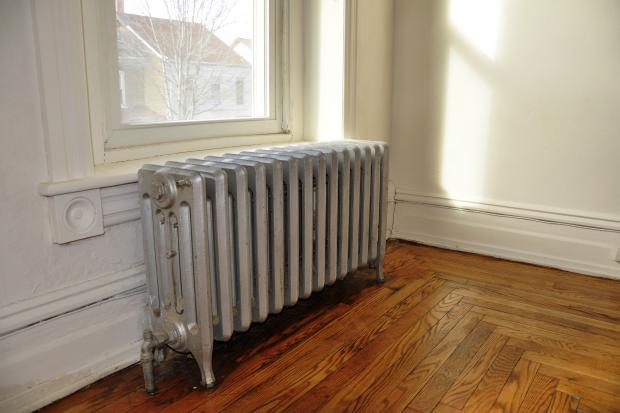
  • Make sure no furniture is blocking any radiators or vents.  
  • Use under the door draft stoppers to keep cold air from seeping in.

Keep Yourself Warm

While keeping your house warm, it’s important to remember that it’s all for your benefit, especially if you live alone or with few other people. Sometimes the best option is to focus on keeping your body insulated. Simple things like wearing sweaters or sleeping with heavier blankets can easily keep you as warm as your thermostat, and it certainly helps you save money! Of course, it’s all about comfort. You should never be freezing or suffering inside your own home. Finding your own happy medium is essential to staying warm and comfortable all throughout the winter.

Continue reading

Featured NewsUncategorized

Tenant Rights: How to File a Complaint

Housing Complaints

The Housing Preservation and Development NYC Program allows for tenants to file complaints against neglectful landlords. When a landlord fails to provide basic services for tenants, then the tenant is justified in filing a complaint. These issues can include, but are not limited to:

  • Heat and hot water violations (check out our heat violations article here)
  • Use of lead-based paint
  • Broken or no window guards
  • Broken or no carbon monoxide and smoke detectors
  • Pests and bedbugs
  • Mold
  • Illegal Basement and Cellar Conversions

If a tenant’s landlord neglects or refuses to provide or fix any basic services, then the HPD can issue violations, administer emergency repairs, or move to Housing Court.

Filing a Complaint

Before filing a complaint, tenants should always contact their landlord to try to resolve the issue. Only if the landlord does not respond or refuses to resolve the issue should tenants file a complaint.  

Tenants can file a complaint by:

  • Calling 311 or TTY (212) 504-4115
  • Using the 311 website (311ONLINE)
  • Using the 311 mobile app (311MOBILE)

Once the complaint is finalized, tenants will receive a service request number, which will allow them to check the status of their complaint through either 311ONLINE, HDPONLINE, or through 311MOBILE, only if they filed through the app.  

Process


After filing the complaint, the HPD (Housing Preservation & Development) will try to contact the building’s managing agent in order to make sure the complaint is corrected. The HPD will contact the tenant to see if the complaint was corrected.  If the complaint is corrected, then the case will close. If the issue is not corrected, or if the HDP cannot contact the tenant, then an inspector will be sent out.

When a Code Enforcement inspector is sent, the building’s managing agent is not notified of the inspection date. The inspector will look into the complaint that was filed while also checking:

  • Smoke detectors and carbon monoxide detectors
  • Lead-based paint if there are children under 6 in the apartments
  • Window guards if there are children under 11 in the apartment
  • Double cylinder locks (locks that require a key from the inside)
  • Bars on the fire escape windows

(Sourse: http://www1.nyc.gov/site/hpd/renters/report-an-issue-faqs.page)

If the tenant is not home when the inspector comes, then they will either check another apartment if the issue is building-wide (i.e heat, hot water, etc.) or the inspectors will leave a card with the number that the tenant can call to schedule the next inspection.

If the tenant is home when the inspector comes, they should confirm that the inspector has an HPD identification card and that they are dressed in an HPD uniform. If you are a tenant, always ask to see the card before allowing the inspector to enter your apartment. If they do not have a card or if they are not in uniform, contact your borough’s Division of Code Enforcement. Find your local DCE contact information here.

If violations are found, then the owner will be given a set amount of time within to fix the problem. Tenants can find out if violations have been issued by checking HDPONLINE. Violations will be classified as either Class A, B, or C. Depending on the issue, building owners are given a specific time period to fix them.

If emergency issues are not immediately fixed by the landlord (i.e hot water or heat), then the HPD will contact the tenant and have the issues repaired, if necessary. The landlord will be charged.  

If all other issues are fixed, then the tenant will be notified and the case will close after 70 days. If the issue is not fixed, then the tenant can take legal action through Housing Court. If the issue is not fixed but the tenant is notified that the issue was fixed, then the tenant can request a re-inspection. If the re-inspection finds the issue still unresolved, the case remains open and can move onto Housing Court.  

For more information, visit here.

For information about Housing Court, visit here.

Continue reading

Healthy LivingPartner Resources

How to Help Someone with Hearing Loss Understand and Participate in a Conversation

For many individuals, aging is a mixed bag of everyday annoyances, extreme challenges, and wonderful new experiences. While minor and major problems, such as compromised mobility, a change in sleep cycles, or chronic ailments can diminish quality of life for many older individuals, the opportunities afforded by retirement can offset other problems to make this time in life one of great joy. Spending more time with partners and loved ones, watching grandchildren grow up, the opportunity for deeper immersion in hobbies, and the leisure to travel, read, and slow down and enjoy the little things in life can be an absolute delight. In order to enjoy life as much as possible, it’s imperative for seniors to be able to mitigate the not-so-good aspects of aging in order to focus on the good ones.

One of the most common problems experienced by seniors is hearing loss. In fact, everyone begins to lose at least some of their hearing from a very early age. Even people in their twenties hear less acutely than they did as teens! High pitched noises, in particular, become harder for the human ear to detect relatively early on. Most of the time, this isn’t a problem. But after the age of 75, almost half of Americans will have hearing loss that is significant enough to pose a problem in everyday life.

For someone with hearing loss, it can be difficult to understand speech, and thus to follow the flow of a conversation, particularly in places with lots of background noise. This can be extremely discouraging, and, in some cases, lead to social withdrawal due to the frustration of being unable to participate in everyday interactions. For the caregivers, family and loved ones of people with hearing loss, this can be frustrating also. In order to help someone with hearing loss understand and participate in conversation. reducing background noise can be a great way to help. Background noise is a major obstacle to comprehension for people with hearing loss, especially when it comes to picking out consonants. Any time you want to engage in meaningful conversation, or when you want to make someone with hearing loss feel included in a social event, make sure to choose a quiet setting with a low level of ambient noise.

Find the original article here. 

Content provided by Edison Home Health Care. Their team of trusted advisors is happy to assist you or any loved one who seek appropriate care for Parkinson problems. Have questions? Give them a call at 888-311-1142, or fill out a contact form.

edison-logo

Continue reading

Healthy Living

Everything You Need To Know About Psoriasis

What is Psoriasis?

Psoriasis is a non-contagious chronic disease that causes rough, raised patches on the skin. It is an autoimmune disease, which means it is caused by the immune system. People suffering from psoriasis develop an overabundance of skin cells, which causes build-up. Symptoms can include:

  • Itching, burning, or stinging
  • Red patches of skin
  • Cracked or scaly skin
  • Stiff or swollen joints
  • Abnormal nail growth (including pitted, ridged, thick, or discolored nails)

Psoriasis can appear on any part of the body, but most commonly appears on the scalp, elbows and knees. If you are experiencing any symptoms of psoriasis, visit your primary doctor or a dermatologist. Over-the-counter products will not cause psoriasis symptoms to disappear, so it is important to speak with your physician.  

Types of Psoriasis

There are several different types of psoriasis.

Plaque Psoriasis, which is the most common type, is distinguished by the swollen red patches that appear on the skin. The patches are often covered with dead skin cells, causing it to have a white, scaly appearance. It most often appears on the outside of the knees and elbows, the scalp, face, lower back, palms, and feet soles.

Guttate Psoriasis is most common in kids and young adults, but it can still flair up later on in life. It causes small, red dots to appear on the skin that can appear by the hundreds. It flairs up most often on the torso, arms and legs, but can also appear on the scalp, face, and ears. Guttate can be triggered by infections, certain drugs, skin injuries, or stress, and can occur simultaneously to other forms of psoriasis.  

Inverse (or Intertriginous) Psoriasis symptoms can also occur at the same time as other psoriasis symptoms. Unlike other forms of psoriasis, inverse psoriasis symptoms include red patches on the skin that are smooth and shiny. They appear in body folds, like in the armpits, the groin, below breasts, and skin folds. Because of the constant rubbing and sweating, the patches tend to be extremely sensitive and irritated.

Pustular Psoriasis causes small, white, pus-filled blisters to appear surrounded by red skin. It can be triggered by a number of causes, including  medications, UV light, outside irritants, infections, and stress.

Erythrodermic psoriasis is the most uncommon form of psoriasis. Symptoms include widespread redness and shedding on the body, skin appearing burned, severe pain and itching, increases and decreases in body temperature. Erythrodermic psoriasis can be fatal, and can be triggered by sun burn, medications, infections, steroid usage, alcoholism, and stress. If you or someone you know are showing any symptoms get medical help immediately.


Continue reading

BrooklynCaregiver's Corner

Applications for Senior Housing in East New York Available Until Jan 14

Courtesy EastNewYork.com

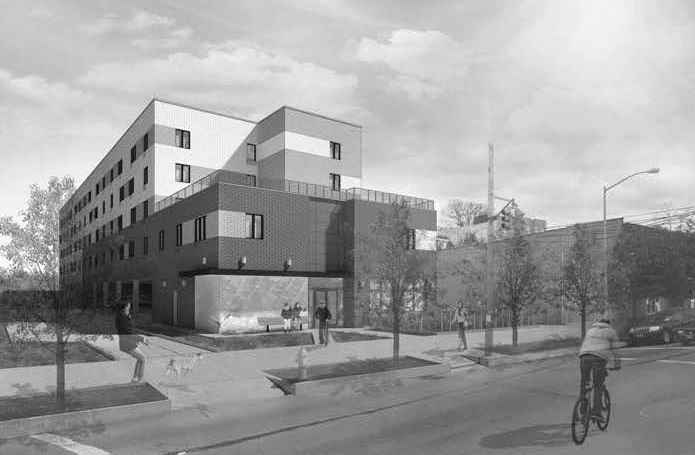
The window to submit an application for affordable senior housing is closing soon, on January 14, 2017. Fifty-three new one bedroom apartments for low income senior citizens are coming to 137 Jamaica Avenue. One and two person households are eligible to apply. According to Cypress Hills Local Development Corporation, one person households may have a maximum annual income of $31,750 and two person households may have a maximum income of $36,250.

Applications are available here online, in person at the Cypress Hills Local Development Corporation office at 2966 Fulton Street,  by calling 212-765-7900, Ext. 304 or emailing [email protected].

Applications must be mailed back to the post office box listed on the first page and must be postmarked by January 14, 2017. New tenants will be selected by lottery.

Continue reading

Healthy LivingPartner Resources

What are the Early Symptoms of Parkinson’s Disease?

Parkinson’s disease is a progressive degenerative disorder of the nervous system, caused by gradual loss of function in the parts of the brain that control movement. Early symptoms of Parkinson’s disease include tremor of the hands, face, or limbs, stiffness in the arms, legs, and torso, and difficulty initiating voluntary movement. Other early symptoms may include smaller handwriting, stooping or poor posture, and a shuffling walk, and a consistently “serious,” “sad, or angry” facial expression, regardless of the person’s actual mood.

Parkinson’s usually affects people over the age of 50. For most people who develop Parkinson’s, early symptoms are subtle, appear gradually over time, and progress in stages. In some people, however, symptoms progress much more quickly, leading to a more sudden loss of ability.

As the primary symptoms of Parkinson’s become more pronounced, affected individuals often have more difficulty walking, talking, and completing everyday tasks. Walking often becomes problematic as balance, posture, and coordination are compromised, and a characteristic shuffling gait develops, making falls more likely. Talking sometimes becomes difficult for people with Parkinson’s as the disease progresses; many Parkinson’s sufferers speak in a very soft voice, have trouble modulating their tone, and may struggle to find the right words to express themselves. Bathing, dressing, and other activities of daily living become more difficult as coordination deteriorates and voluntary movement gets harder. People with Parkinson’s may experience trouble eating, as a lack of control over the muscles that govern chewing and swallowing make mealtimes more of a challenge.

Because of the progressive nature of Parkinson’s disease, it’s important to stay vigilant at the first onset of symptoms. Although it’s impossible to predict how quickly symptoms will get worse, since disease progress varies from person to person, it’s vital to pursue treatment and coordinate assistance for affected individuals as soon as possible.

Content provided by Edison Home Health Care. Their team of trusted advisors is happy to assist you or any loved one who seek appropriate care for Parkinson problems. Have questions? Give them a call at 888-311-1142, or fill out a contact form.

Find the original article here.

edison-logo

Continue reading

Healthy Living

Crohn’s Disease: Types, Signs, and Symptoms

What is Crohn’s Disease?

Crohn’s Disease is an Inflammatory Bowel Disease, or an IBD. Affecting around 780,000 Americans, the disease causes inflammation in the bowel tissue of the digestive tract. Symptoms can vary, but generally include:

  • Abdominal Cramps
  • Diarrhea
  • Bloody stool
  • Rectal bleeding
  • Persistent need to use the bathroom
  • Constipation
  • Feeling of incomplete bowel removal

Less common symptoms can also include:

  • Fever and fatigue
  • Mouth sores
  • Loss of appetite
  • Weight loss
  • Night Sweats
  • Inflammation of skin, eyes, joints, liver or bile ducts

The causes of Crohn’s Disease are still unknown. People with a family history of the disease are more likely to suffer from it. Those with parents, siblings, or children affected by the disease are at highest risk.

The types of Crohn’s Disease are dependant on which part of the tract is affected. The different types include:

Ileocolitis, which affects the ends of both the small and large intestines. Commonly, people experience cramping, diarrhea and pain in the abdomen, and can experience weight loss.

Ileitis, which affects only the small intestines, shares the same symptoms as Ileocolitis.

Jejunoileitis causes inflammation in random parts of the upper half of the small intestine. It can cause diarrhea, abdominal pains, and cramps, especially after eating.

Gastroduodenal affects the small intestine and the stomach, and can cause nausea, vomiting, loss and appetite and weight loss.

Crohn’s (Granulomatous) Colitis causes rectal bleeding and diarrhea, and affects the colon.

Those who have Crohn’s Disease can experience symptoms irregularly. The disease is chronic, and has no cure. It cannot be self-diagnosed, and can only be diagnosed by a professional. If you have experienced any of the major symptoms listed above, visit your doctor immediately.

Continue reading

Featured News

Knowing Your Tenant Rights: Heat

Tenant’s Rights to Heat

Every tenant, in both private and publicly-owned buildings, must have heat between October 1st and May 31st. During the day, between the hours of 6:00 am to 10:00 pm, every tenant’s apartment must be heated to at least 68° fahrenheit if the temperature outside is below 55°F. At night, between the hours of 10:00 pm and 6:00 am, each apartment must be heated to at least 55°F if the outside temperature is below 40°F.

Landlords must heat your apartment according to these standards by law. If your landlord is giving you trouble, or has not yet turned on your heat, there are several steps you can take.

Before you take any type of action, contact your landlord first. This could either resolve the problem or give you proof if your landlord continues to neglect your requests. According to the NYC Housing Preservation and Development, one must:

1) Contact the property owner, managing agent or building superintendent regarding the repairs.

2) If the property owner, managing agent or superintendent does not respond, write a letter that describes the problems in your apartment and asks for the repairs to be made by a certain date. You should send the letter to the owner and management company by certified mail and keep a copy for your records. If you do not have address information for the property owner or managing agent, you can obtain this information on HPD’s website, as the property owner is required to file this information annually. (Which you can find here

3)If you do not receive a response to your letter, you should try to contact the owner in person or by phone. Let him or her know that if the repairs are not completed, you will have to file a complaint. Keep a record of all of your attempts to get the landlord to make repairs, as this will be useful in court.

(Source: http://www1.nyc.gov/site/hpd/renters/tenants-rights.page#faq3)

Having physical proof is essential, and will make taking further actions possible.

Once you have acquired the appropriate proof, there are several options you can choose from:

File a Housing Complaint

When filing a complaint, the HPD (Housing Preservation & Development) will try to contact the building’s managing agent in order to make sure the complaint is corrected. If the complaint is still not corrected, further action will be taken. To file a complaint either:

Call 311 or TTY (212) 504-4115
Use the 311 website (311ONLINE) or the 311 mobile app (311MOBILE)

To find out more about Housing Complaints here.

Housing Court

Housing court cases can be brought upon owners who refuse to provide essential services to tenants, called an HP case. These cases do not require a lawyer, and are usually handled by judges. To start a case, visit or contact your local Housing Court’s Clerk’s Office, which you can find here. find out more about Housing Court, visit their website here.

If you live in a rent controlled or rent stabilized apartment, you can also file a complaint with the Homes and Community Renewal in addition to the other options. Complaint forms can be found here.

If you live in an HPD-owned building, call 212-491-4229 or 311 for assistance with maintenance issues .

If you live in a New York City Housing Authority (NYCHA) building, call the NYCHA Customer Contact Center at 718-707-7771 for assistance with maintenance issues.  


Continue reading

Healthy LivingPartner Resources

Ways to Deal With Hearing Loss

For some, aging is a process that allows them to slow down, contemplate the subtleties of life, and enjoy the fruits of a lifetime of hard work. Retirement may bring opportunities for travel, spending time with family and cultivating new hobbies or returning to old ones. For others, aging can bring cause stress and worry, as health problems appear, money becomes tight, and a loss of independence looms. For many people, it’s a combination of the two. There is one thing that is extremely common as all people age, however: hearing loss. Over time, the delicate mechanisms of the inner ear deteriorate, decreasing sensitivity to sound. This process is so universal that up to a third of people experience hearing loss after the age of 65, and almost half will lose some of their hearing after the age of 75.

For people who experience hearing impairment at an early age, there is plenty of time to adapt. Infants, children, and young people with hearing difficulties often become fluent in sign language and adept at lip-reading and the interpretation of body language. For older adults, however, the loss of a sense that has always been a fundamental part of how they experience the world can be devastating. Individuals with hearing loss may struggle to follow conversations, and have difficulty hearing music or listening over the phone. They may become easily increasingly prone to social withdrawal because of the frustration of being unable to understand others. Over time, hearing loss can lead to depression and relationship problems.

For the friends and loved ones of someone with hearing loss, it can be very difficult to witness these changes. Someone who was formerly lively and vivacious can become solitary and withdrawn. In these situations, it can be very helpful to adjust your communication style, so as to help the person with hearing loss understand and feel included in conversation. Try talking in well-lit areas, and make ample use of facial expressions and gestures to convey your meaning. Even someone who has been able to hear for most of their life will still be able to pick up on the non-verbal aspects of language, and may even develop the ability to lip-read if given the opportunity.

Content provided by Edison Home Health Care. Their team of trusted advisors is happy to assist you or any loved one who seek appropriate care for Parkinson problems. Have questions? Give them a call at 888-311-1142, or fill out a contact form.
Find the original article here. 

edison-logo

Continue reading

Healthy LivingUncategorized

Diabetic Retinopathy: Causes, Symptoms, and Treatments

Diabetic retinopathy is a vision complication caused by diabetes that, if left untreated, can lead to eventual blindness. Here, we go over the causes, symptoms, and treatments.

Symptoms

Diabetic retinopathy can happen in different stages.

Non-proliferative diabetic retinopathy (NPDR) occurs during the earlier stages when the blood vessels inside the retina (the tissue lining the back of the eye) begin to leak. The fluids excreted from the blood vessels seep into the retina, causing it to thicken and swell, damaging the tissue. This can cause:

  • Cloudy and blurred vision
  • Spots or floaters in vision
  • Seeing a dark or empty spot in center of vision
  • Difficulty seeing at night and in the dark

In many cases, diabetic retinopathy shows little to no symptoms during its earliest stages, so it is always important for those with diabetes to get a comprehensive dilated eye examination yearly.

Proliferative diabetic retinopathy (PDR) occurs during the later stages of the disease. New deformed blood vessels begin to grow in the eye, causing serious damage to the tissue surrounding it. The damage causes fluid to pool in the back of the eyes and blood to leak out of the vessels. This can cause the symptoms above to become more severe and can cause blindness, if left untreated.

Diabetic Retinopathy can happen in both eyes. Those with high blood sugar can experience fluid filling in their eyes, blurring their vision. This can be controlled by keeping track of one’s blood sugar.

Who’s at risk?

Those with Type A and Type B diabetes and long-time diabetes sufferers are at a higher risk of developing diabetic retinopathy, especially if not maintained and treated correctly. Those with high cholesterol and high blood pressure are also at risk.

Prevention and treatment

When diagnosed, diabetic retinopathy can be treated with laser eye surgery, injections, or surgery procedures, depending on how far along the disease is.

For those at risk of diabetic retinopathy, it is important you:

  • Take your prescribed medication
  • Maintain a healthy diet and exercise regularly
  • Control high blood pressure
  • Avoid alcohol and smoking

Continue reading

X
X