






Featured NewsSpring 2017

Scott Stringer Calls For Strategic City Planning For Seniors

Recently, New York City Comptroller Scott M. Stringer called on the City to launch an agency-by-agency, neighborhood-by-neighborhood approach to serving its seniors. Unveiling a new a report – entitled Aging with Dignity: A Blueprint for Serving NYC’s Growing Senior Population

Currently, New York City’s seniors face affordability, transit, housing and other obstacles. As the City’s population ages, so too does the urgency for holistic planning:

Important Stats

  • By 2040, city planners expect there will be 1.4 million older adults living in New York City – an increase of hundreds of thousands of people from today.
  • Over 40 percent of senior-headed households depend on government programs for more than half their income
  • Six out of 10 senior renters spend more than 30 percent of their income on rent – a significantly higher percentage than the general population.

Despite widespread documentation of these challenges, the City is not engaged in a comprehensive planning process for it seniors. As such, today, the Comptroller called for a cohesive, long-term planning process from the City in order to streamline services and develop a holistic strategy.

Some Solutions Proposed by Scott Stringer

  • Freezing rents by automatically enrolling New Yorkers in the Senior Citizens Rent Increase Exemption (SCRIE): Additional senior renters can more easily remain in their apartments if they are automatically enrolled in the (SCRIE) program, which freezes their rent.
  • Limiting affordability challenges by expanding tax credits through the Senior Citizens Homeowners’ Exemption:To support seniors who own their homes, the City should expand eligibility for the program to cover those with incomes up to $50,000. That would make approximately 29,000 more homeowners eligible for the program and mitigate affordability challenges.
  • Creating tailored, neighborhood action plans by expanding the Age-Friendly Neighborhoods program: In 2010, the City launched the “Age-Friendly Neighborhoods” program, which created neighborhood action plans for over a dozen neighborhoods to better support seniors. To do long-term planning, that program should be expanded significantly so communities can pinpoint their needs in a local way.

Scott Stringer- (212) 669-3916

Office: One Centre Street, New York, NY 10007
Continue reading

BronxFeatured NewsSpring 2017 NY for Seniors Magazine

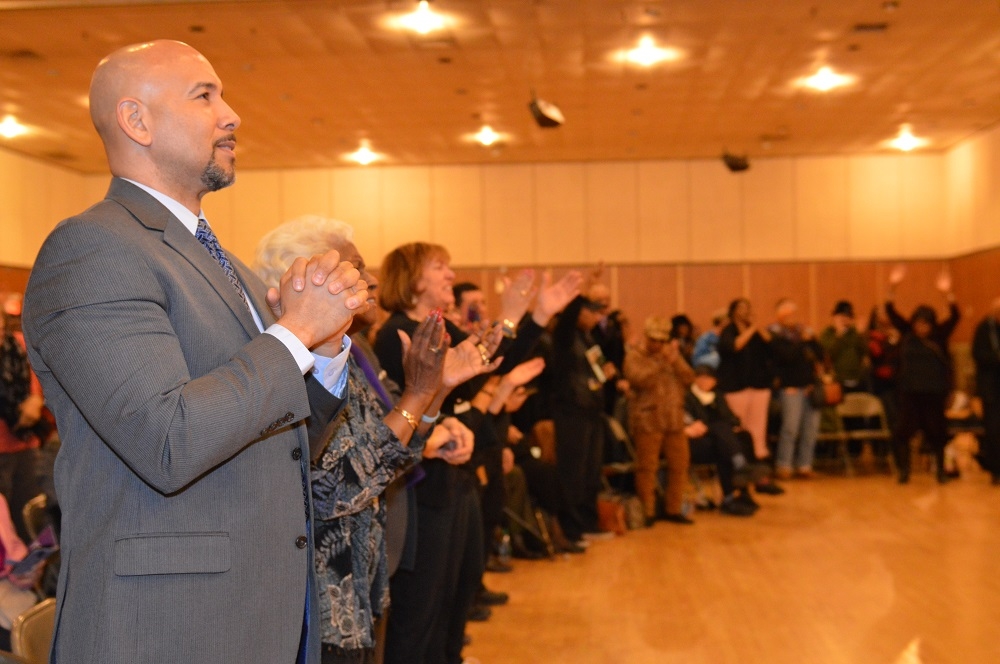
Bronx Boro President Ruben Diaz Jr. Brings Gospel Concert To Bronx Seniors

By: Angella Brown

A chilly and overcast April Fools’ Day didn’t prevent scores of Bronx-area seniors from lining up in front of Dreiser Loop Community Center in Co-Op City. The early bird gospel fans were eagerly anticipating the inaugural Bronx Gospel Concert, a free event presented by the Office of Bronx Borough President Ruben Diaz, Jr. Billed as “Generation Fest: Bridging the Gap with Music,” it was an afternoon of inspirational song, dance and praise, filled with soul-stirring music and energetic performances.

With assistance from his wonderful staff of “Senior Services Divas,” led by Director of Senior Services Larcenia Walton, the borough president himself greeted attendees on line, stopping to pose for pictures and give hugs as he thanked many of them personally for coming out. Diaz’s office received over 850 RSVPs through local senior centers, and the venue seating was nearly at capacity when it was time for the program to begin.

After a welcome by the day’s emcees, Elder Nitisha Moore of Relay for Life, and local radio personality Dr. Bob Lee of WBLS-FM 107.5, Deputy Bronx Borough President, the Honorable Aurelia Greene, led the invocation, a reading of Psalm 145. During his opening remarks, Diaz, a self-described “preacher’s kid,” said: “…one of the best ways to connect with the Lord is through music…we’re gonna have a good time today!” He encouraged every audience member to get up out of their seats and dance, if the spirit of the music hit them. And indeed, the enthusiastic senior crowd did just that, from the time the first act hit the stage!

It felt more like Sunday inside as every act “took ‘em to church.” Performance after performance, the place filled with spiritual sounds by singers like Andrea Brown, Pastor Wilson Mercado and Richard Talbert, Jr. Songstress Shayla Hernandez even sneaked in a secular tune, Michael Jackson’s “Man In The Mirror,” to which the seniors swayed and sang along. Other crowd-pleasing acts included saxophonist Tony Smith, God’s Anointed Praise Dancers, 76-years-young “la cantante” Spanish singer Carmen Sanabria, and Bollywood performer, Bharati S. Kemraj.

During intermission, concert-goers munched on complimentary “goody bag” snacks while they perused the sponsor tables, where they were able to shop for fashions and accessories with Etsy shop Diana’s Tees, and Bronx-based Sasi Designs.  Among the many health care providers in attendance was AlphaCare, a Magellan Health managed long term health care company. Beatrice Morton, AlphaCare Community Outreach Manager, noted: “Today is remarkable! I am overwhelmed at the size of the crowd, but I love gospel music, too, so I know they’re here for an uplifting good time.” She added her appreciation for the recognition AlphaCare received from Ruben Diaz prior to the start of the concert, saying “…this is an impressive first event; AlphaCare looks forward to many more successful partnership opportunities in the Bronx.”

One woman thoroughly enjoying the program was Eva Lazaar, a ReServist (Retired Seniors in Service) outreach specialist for the Parkchester Empowerment Program. Eva learned about the event on Facebook, and knew she wanted to stop by. “Programs here [at Dreiser Community Center] are always nice. There was an interfaith breakfast here not too long ago. I love inspirational music and song, and today’s event brought out the best of the Co-Op City community.”

DSC_00834

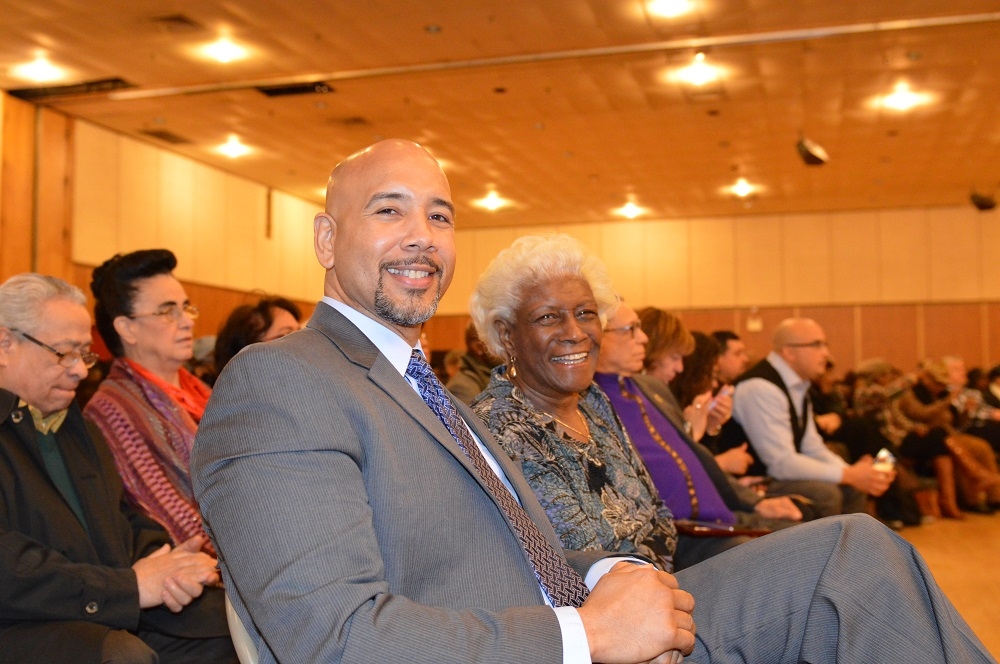
Above: Diaz with Aurelia Greene, Deputy Borough President

223456

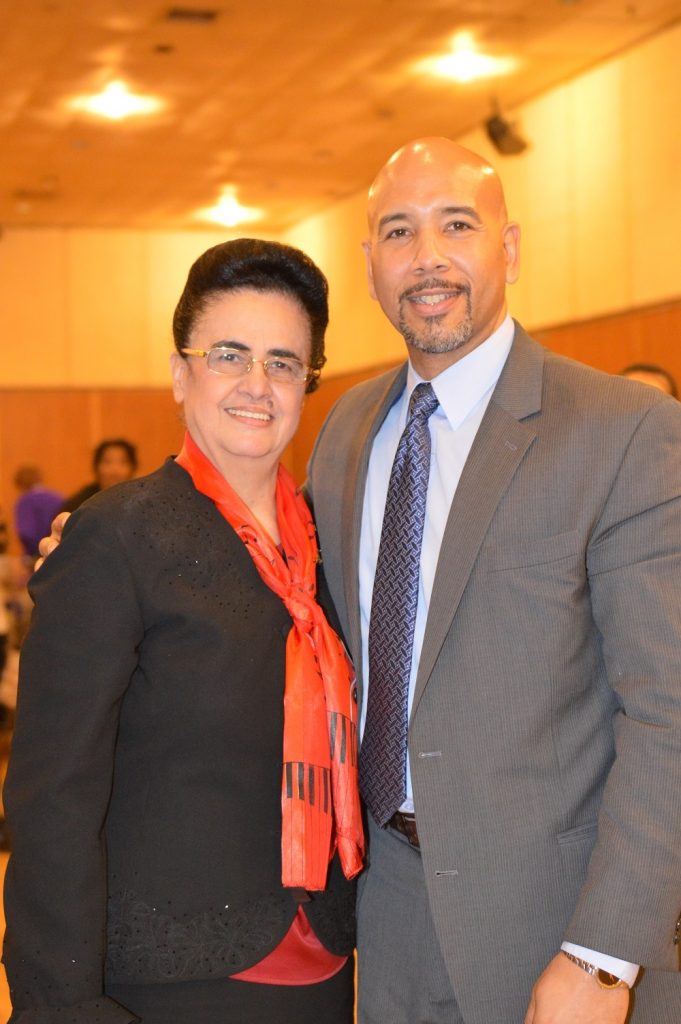
Above: Diaz with Carmen Sanabria, Singer

Continue reading

BrooklynSpring 2017 NY for Seniors Magazine

New Orleans Comes To Brooklyn At Tilden Center’s Mardi Gras Event

Photo: Assemblywoman Latrice Walker with attendee

By: Angella Brown

The good times rolled in at Tilden Senior Center in Brownsville, Brooklyn on Mardi Gras, where over 150 lively seniors gathered to celebrate Fat Tuesday, before Lent, with a festive luncheon. A richly decorated dining room at the center welcomed guests for a taste of Louisiana home cooking. Every attendee also received colorful party favors, noisemakers, and authentic beads like the kind freely thrown on New Orleans’ famous Bourbon Street every year during this time.

The full menu was a treat for the Fat Tuesday revelers: fish gumbo, cajun chicken wings, potato salad, collard greens, cornbread and rolls. For dessert, there was traditional king cake, a sweet pastry colorfully decorated with the jubilant royal colors of purple, green and gold sugar.

Prior to lunch, guests had a chance to mingle and snap selfies while wearing zany accessories like bright feather boas and glittery fancy hats. A live band provided entertainment: jazzy, traditional second line numbers that urged guests to get up out of their seats and dance! There was also time to visit the Alphacare table and pick up information and free swag. Community Outreach Manager, Beatrice Morton was delighted to be in attendance. “Once again, Alphacare is a proud sponsor of the Mardi Gras celebration at Tilden Senior Center,” said Morton. “Special thanks to director Wanda Burris and all her volunteers, for helping to bring a little New Orleans to Brooklyn.”

Assemblywoman Latrice Walker (District 55), pitched in to help even before the crowds began to arrive: she helped the volunteers organize and bag party favors. “This is one of my favorite events at Tilden,” she said. Miss Burris is originally from New Orleans, so her Mardi Gras style is authentic. With her personal flair, she really brings it for Fat Tuesday!

It was immediately clear this annual fete is a labor of love for TSC Director, Wanda Burris. Born and raised in New Orleans, Miss Burris finally left the Big Easy for Brooklyn after historic Hurricane Betsy in 1965. After stints in construction and banking, Miss Burris joined the TSC staff as acting director in 1992, at the request of a local pastor working with seniors in the community. Miss Burris is proud of the now 700+ senior membership of TSC, saying: “These seniors are active! We go on bus trips, cruises…we’ve been to Nashville, Atlanta, the Caribbean…we stay on the move.” The Mardi Gras event, which has grown steadily every year, has taken more and more of her time, but Burris feels this is her calling. “I love what I do. I am a child of God, and I feel I will do His will, do it ‘til He says I’m done.”

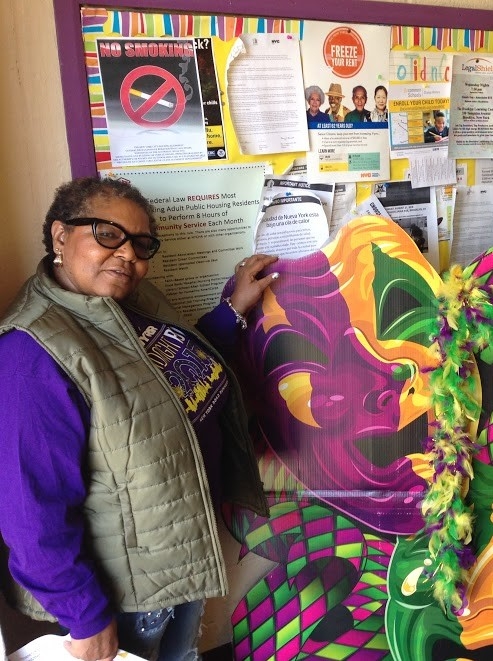
Mardis Gras Tilden Center Director

Above: Wanda Burris, Senior Center Director


Tilden Senior Center – (718) 498-2990

630 Mother Gaston Blvd, Brooklyn, NY 11212

Continue reading

BrooklynSpring 2017 NY for Seniors Magazine

Successful Health Fair In Sunset Park

By: Simone LeConte-Parker

New York City is full of things to do and attending the Second Annual Community Health Fair in Sunset Park, Brooklyn, proved to be a good choice. Presented by the Office of Assemblyman Felix Ortiz, in conjunction with the New York City Department of Health, this fair provided a myriad of resources for attendees. There was a steady stream of people at the Sunset Park Recreation Center, who were eager to obtain health-related information, speak with vendors, and utilize other services provided at the event.

Some of the available services included blood pressure screening, free rapid HIV testing, and health insurance enrollment. March was Tuberculosis Awareness Month so free and confidential tuberculosis (TB) testing was also available. According to the New York City Department of Health, getting tested is important because TB can be prevented and cured.

Carmen Calderin, Director of Constituent Services for the Office of Assistant Speaker, Assemblyman Felix Ortiz, stated that “there is a high rate of TB in Sunset Park communities.” With a diverse crowd present for the event, including Asian and Hispanic individuals, several of them were able to get tested. Ms. Calderin added “we are so excited that the information we sent out into the community helped us get a good turnout.”

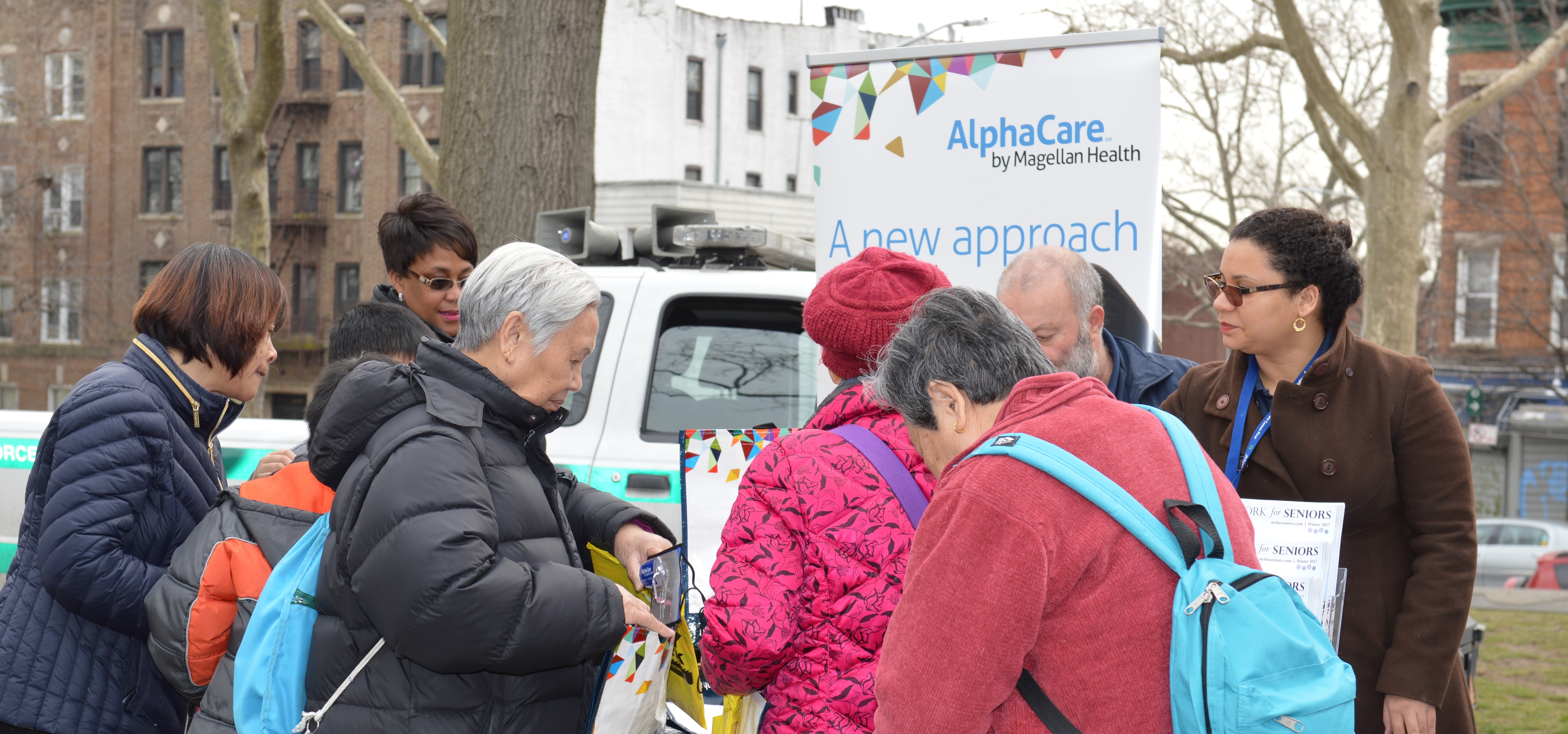
Another highlight was the availability of free information provided by some organizations to help seniors stay on top of their health care. One such organization is United Senior Citizens of Sunset Park, /which is funded by the NYC Department for the Aging. They provided information for seniors and some of their members even participated in the free testing. Also present at this event was AlphaCare. They provided resources for seniors to help keep them active in their communities. Through AlphaCare’s Managed Long Term Care (MLTC) plan, they focus on the unique challenges of dealing with chronic illnesses and/or disabilities.

This Community Health Fair provided something for everyone including the very young. Parents were able to obtained information on free Child ID Kits. Children were even able to entertain themselves with free balloons and school supplies while parents and grandparents gathered useful information and free giveaways from various vendors.

Continue reading

Healthy LivingSpring 2017 NY for Seniors Magazine

Spring At The Farmers’ Market

By Susie R. Spodek

Finally, Spring is here! Enjoy the Season at a Greenmarket!

There are more than 50 GrowNYC Greenmarkets located throughout all five boroughs of New York City. At these farmers’ markets, farmers sell produce grown on their farms situated within a few hours of New York City. Some farms are even right here in the city itself!

As the days get longer, the ground thaws, leaves bud and flowers bloom. You can feel all of this happening in the Greenmarkets. Week by week, a greater variety of produce appears.  The first spring vegetables are leafy greens like lettuce, spinach, and arugula.  Root vegetables like potatoes, beets, and carrots are also still available, and bring color to our plates.  Hardy herbs like parsley, rosemary, and cilantro add spring flavors.  And, of course, the increasing variety of beautiful potted and cut flowers signals that spring has arrived!

Greenmarkets are wonderful places to explore new tastes and flavors.  Try vegetables you’ve never eaten before– perhaps ramps, rhubarb or garlic scapes.  Or, maybe try a familiar vegetable that looks a little unusual, such as a pink potato or a purple carrot.  How about seasoning your food with an unusual herb, like tricolor sage? Or, you can flavor your water with fresh sprigs of spearmint or lemon balm.

If you see a vegetable you don’t recognize, ask the farmer all about it–especially how to prepare it.  Often, you can sample vegetables before making a purchase.  Don’t hesitate to ask!

Then, there are those favorites that taste especially delicious when picked fresh.  Who can resist red, juicy strawberries picked just before they are brought to market?  How about fresh spears of asparagus or sweet peas?

Also, take advantage of the newly expanded Health Bucks program, now year-round!  If you shop with EBT/SNAP, you will receive a $2 Health Bucks voucher for fruits and vegetables, free of charge, for every $5 you spend on food at the Greenmarket. Spend $10 and you’ll get $4 for free!

Did you know that EBT/SNAP can also be used to purchase plants that grow food?  You can use EBT/SNAP to buy tomato plants, potted herbs, and anything else that might grow food in your garden or home!

So, this spring, visit a Greenmarket– where the countryside meets the city, bringing fresh tastes of the farm to you.

Continue reading

Featured NewsSpring 2017 NY for Seniors Magazine

Interview With Assemblyman Felix Ortiz

Originally from Puerto Rico, Felix Ortiz has represented New York’s 51st Assembly District since first elected in 1994. During his tenure, Ortiz has served as chair of several committees and legislative task forces including Veterans Affairs, Mental Health, Food, Farm and Nutrition, among others.

In 2004, Ortiz passed a law to create five eating disorder centers across the state to help those who suffer from illnesses including anorexia and bulimia. His initiatives to counter obesity and diabetes were recognized by First Lady Michelle Obama. As a result, his weight management concepts became part of the Affordable Care Act.

In February 2015, Assemblymember Ortiz was appointed Assistant Speaker of the New York State Assembly; he is the first Hispanic to hold the position. Widely known for his 2000 legislation banning the use of hand-held mobile phones while behind the wheel (which was later passed as law), Ortiz has earned a favorable reputation among his senior constituents, 10,000 of whom live in Sunset Park in Brooklyn, part of Ortiz’s district, along with Red Hook, Greenwood, and parts of Gowanus, Bay Ridge, and Park Slope.

“Many seniors are concerned about affordable senior housing, safety, and health,” says Ortiz, who has worked tirelessly to secure funding for local senior centers. “The senior housing locations are full and have long waiting lists. My staffers assist constituents with many of these housing issues.”

Annually, Ortiz sponsors health fairs that cater to senior residents. The fairs consist of activities including health screenings, exercise demonstrations like Pilates and Zumba, and free information from insurance companies and city agencies.

While not all of the district’s senior population has embraced the Internet and social media, Ortiz relies on alternative ways to communicate with aging residents, like via a mailed newsletter, in addition to community meetings, celebrations and good old-fashioned door-to-door visits. “Whenever, I am back from Albany I like to visit the senior centers located in my district. It’s always fun to catch a game of dominos,” Ortiz said.

District Office
5004 4th Avenue
Brooklyn, NY 11220
718-492-6334

Continue reading

Featured News

Freezing Rent With The Disability Rent Increase Exemption (DRIE)

What Is DRIE?

Disability Rent Increase Exemption, or DRIE, is a New York City based program that allows people with disabilities who are struggling with rent increases in rent controlled, rent stabilized, or rent regulated hotel apartments to freeze their rent. To qualify, the applicants must:

  • Be over the age of 18
  • “Be named on the lease or the rent order or have been granted succession rights in a rent controlled, rent stabilized, rent regulated hotel apartment or an apartment located in a building where the mortgage was federally insured under Section 213 of the National Housing Act, owned by a Mitchell-Lama Development, Limited Dividend housing company, Redevelopment Company or Housing Development Fund Corporation (HDFC) incorporated under New York State’s Private Housing Finance Law” (Source: X)
  • Have an annual household income of $50,000 or less.
  • Spend more than one-third of their monthly household income on rent.
  • Receive one of the following:
    • Federal Supplemental Security Income (SSI)
    • Federal Social Security Disability Insurance (SSDI)
    • U.S. Department of Veterans Affairs Disability Pension or Compensation
    • Disability-related Medicaid if the applicant has received either SSI or SSDI in the past.(X)

How Income is Determined

Monthly income is determined by yearly income, which includes taxable and non-taxable income. This does not include any money received as a gift or through inheritance. While federal, state, local and Social Security taxes are deductible when calculating income, other expenses such as medical costs, Medicare premiums, and capital or business losses are not deductible.

Income is determined by the Department of Finance through documentable proof. Non-taxable incomes can be proven by means such as Social Security, IRA/Annuity, and/or pension statements, as well as IRS Forms 1099 and/or W2. Any financial assistance received from another person must be proved by a letter submitted by the person(s) that specifies the situation and amount given.    

An easier way to see if you qualify is to complete the nyc.gov’s DRIE eligibility quiz, available here: http://www1.nyc.gov/site/rentfreeze/tools/rent-freeze-qualifier-tool.page

How One-Third of Income is Calculated

DRIE follows a formula on how they determine one-third of a person’s income. Once all tax and non-tax documentation is factored in, a household’s yearly income is determined. From there, the household’s monthly income is then established. Finally, it is then determined whether the household’s current rent exceeds one-third of their monthly income.  

For example: If a household’s annual income is $35,000, then their monthly income will be $2,916.67. One-third of their monthly income is $972.22. If their current rent is over $972.22, then they are eligible for DRIE.

Application and Renewal

To apply, the applicant must fill out the DRIE forms and send it out with copies of necessary documents to the NYC Department of Finance. The exact address is available on the application.

To find out more about DRIE and for more information about other rent-freezing programs, such as the Senior Citizen Rent Increase Exemption (SCRIE), visit here.

Continue reading

Healthy Living

Tai Chi vs Yoga: What’s The Difference?

Tai Chi

Tai chi first originated in China over 700 years ago. While there are many different forms of the exercise today, most focus on slow, gentle movements and deep breathing. The postures are ever changing, always keeping the person in a fluid movement. Because of its gentleness, tai chi is a great exercise for people with health issues, limited mobility, joint or muscle pain, or those suffering from depression, stress or anxiety. According to the Mayo Clinic, benefits of tai chi can include:

  • Decreased stress, anxiety and depression
  • Improved mood
  • Improved aerobic capacity
  • Increased energy and stamina
  • Improved flexibility, balance and agility
  • Improved muscle strength and definition

Many seniors love doing tai chi because of how easy it works around certain limitations. For example, those with joint pain can focus on slower, less impactful movements, while those struggling with balance can focus on increasing their balance. Tai chi is also readily available. Many senior and health centers give free tai chi classes for seniors, and many videos on tai chi are easily accessible online.

Yoga

Yoga predates tai chi by thousands of years, originating in India around the fifth century BCE. Both exercises share similar benefits. Like tai chi, yoga focuses on flexibility and strength, working the entire body while having a low impact on joints. Yoga has many different variations, from slower movements and poses to faster, more complex routines. Finding the right type of yoga all depends on your personal needs. Some good types of yoga to start out with are:

Hatha, which focuses on simple and slower movements. This type is perfect for beginners and those who are looking for a calmer workout with meditative practices.

Vinyasa, which has a faster pace with frequent changes in poses. Vinyasa is better for those with more flexibility and need for cardio.

Iyengar uses props like blocks, blankets and straps to help align the body into poses. The poses are held for longer periods of time, and is especially great for those recovering from injuries.

Yin Yoga is focused on slower movements that help restore elasticity in the body. It’s great for those who want to relax both their minds and bodies. Avoid if you suffer from any connective tissue disorders.

There are many more types of yoga, most of which can be altered for different needs and health conditions. Yoga can be done at home or in a class. While both have their benefits, doing yoga under the supervision of a trained professional is safer, especially with more complex or intermediate yoga poses, since yoga instructors can correct any imperfections in the poses. When doing yoga, the most important thing is to be safe. You should never feel any pain while in a position. If you do, release the position slowly so not to hurt yourself any further.

Continue reading

BrooklynFeatured NewsHealthy LivingNY for Seniors TV

Congressman Ed Towns Hosted the Diabetes Awareness Health Fair Presented by AlphaCare

The citywide Wellness & Resources Series, presented by AlphaCare, kicked off last week with the Diabetes Awareness Health Fair at the Bedford Stuyvesant Restoration in Brooklyn. Retired Congressman Ed Towns was the host of the event, and he kept the seniors laughing and engaged throughout the day.  Watch the video below.

Continue reading

Featured News

Tenant Rights: Resources For Fighting Against Tenant Harassment

Many tenants will often assume that because their landlord owns the property they live in, that their landlord’s word is law. This couldn’t be further truth. The real truth is that there are specific and powerful laws that protect tenants from landlords who are negligent or hostile. Any type of harassment caused by a landlord can be combated. Here, we go over the different types of tenant harassment, what tenants can do to fight against it and different resources that will aid tenants in doing so.  

Types of Tenant Harassment

Tenant harassment includes:

  • Any type of physical or verbal abuse
  • Not offering or refusing leases or renewals
  • Offering a buyout (offering money to move out) under these circumstances:
    • Repeatedly offering to rent-regulated tenants
    • Using threats, immoral language, or intimidation
    • Offering false information
  • Illegal lockouts
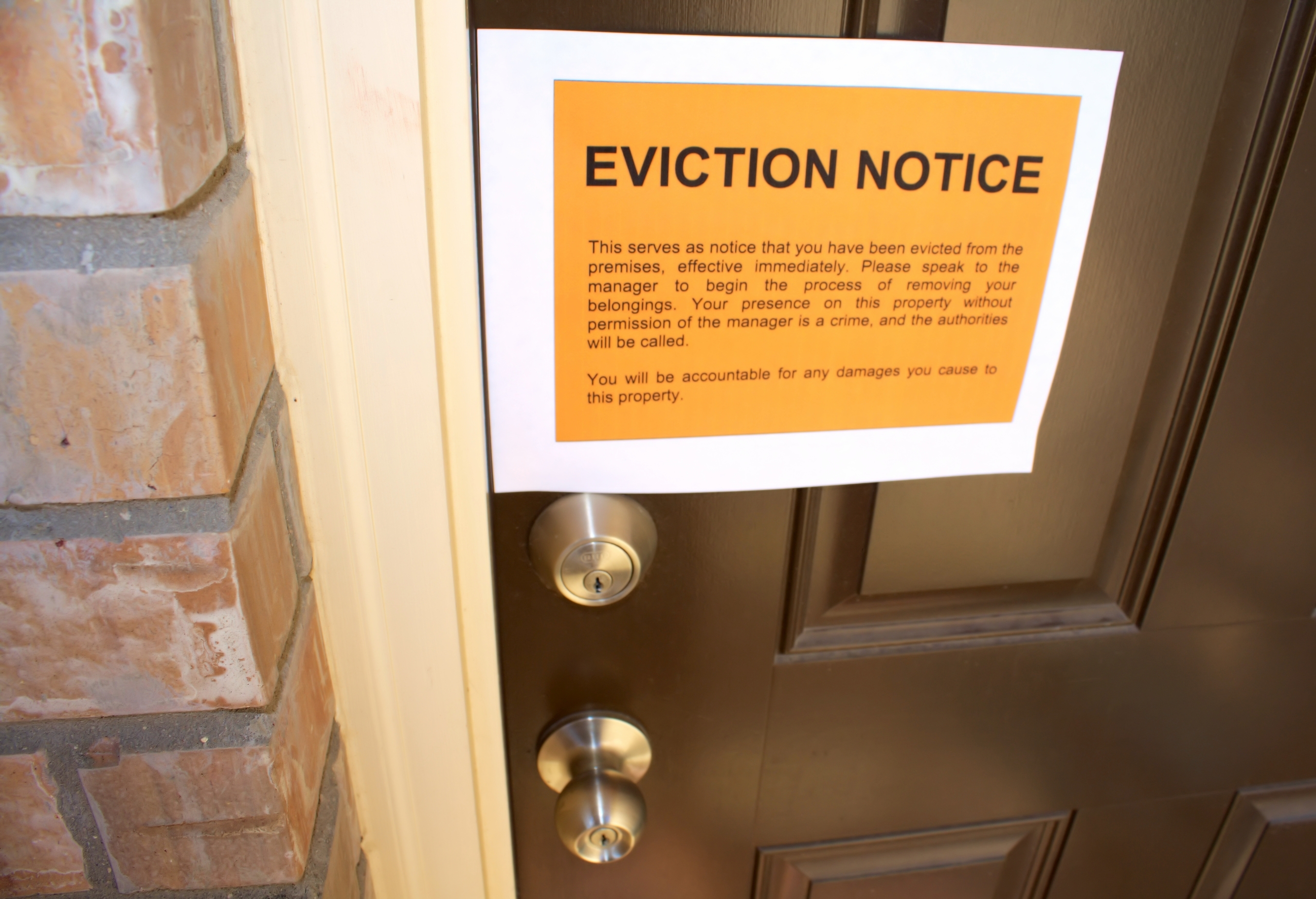
  • Unjustified eviction notices or evictions
  • Unfairly rising rents in rent-regulated apartments
  • Failure or refusal to repair essential repairs and utilities
  • Purposely causing construction-related problems, such as working after hours, blocking entrances, or failing to remove excessive dust or debris (x)
  • Intentionally lying or misrepresenting laws to tenants.

Reporting An Issue

Any type of tenant harassment, including any dangerous living conditions or lack of services, can be reported to 311 or to your local housing officials. Through 311, landlords can be subjected to enforced compliance, inspections, and violations. Landlords cannot retaliate or punish tenants for making justified actions or complaints against the landlord. If the harassment continues after the first complaint is issued, tenants are allowed to continue filling following complaints to 311.

For tenants of rent-regulated housing, complaints can also be filed through the Tenant Protection Unit (TPU), a program that investigates landlords accused of harassment and illegal activity. The TPU can be contacted at (718)739-6400, or at [email protected]. Additional contact information is listed at the end of the article.

For more information on reporting issues, visit our article on filing complaints here.

Legal Action

If the issues are still ongoing after complaints are issued, or if the harassment worsens, tenants can take legal action against their landlords in Housing Court. Prior filed complaints and other proof of harassment can be used to testify against a negligent landlord. To learn more about taking legal action in Housing Court, visit the resources below.

NYC Housing Preservation and Development: Housing Court

http://www1.nyc.gov/site/hpd/renters/housing-court.page

New York State Unified Court System: Housing Court Legal and Procedural Information

http://www.courts.state.ny.us/courts/nyc/housing/procedural_housing.shtml

New York State Unified Court System: Housing Court General Information

http://www.courts.state.ny.us/courts/nyc/housing/general.shtml  

Housing Court Answers

http://cwtfhc.org/

Additional Contact Information and Resources

Tenant Protection Unit

Phone: (718)739-6400

Email:[email protected]

Adress: NYS Homes & Community Renewal
Tenant Protection Unit
Gertz Plaza
92-31 Union Hall Street
Jamaica NY 11433

Website: www.nyshcr.org/Rent/TenantProtectionUnit

NYC Housing Preservation and Development: Legal Assistance (Includes lists of not-for-profit fair housing organizations)

http://www1.nyc.gov/site/hpd/renters/legal-assistance.page

Continue reading

Featured News

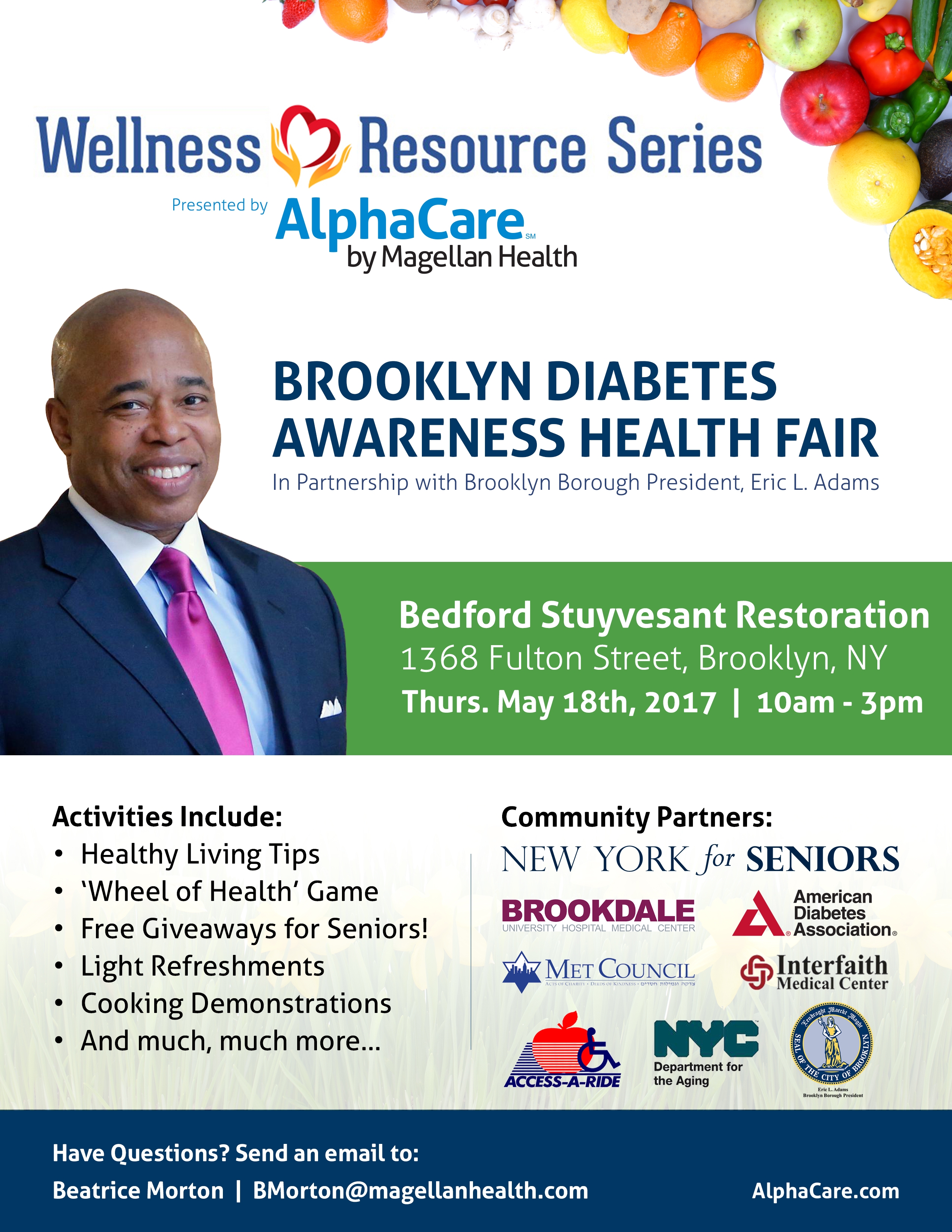
The Brooklyn Diabetes Awareness Fair on Thursday, May 18th, Launches AlphaCare’s New Wellness and Resource Series

Alphacare has officially announced its launch of its Wellness and Resource Series. The series will consist of a multitude of health fairs held at medical centers, senior centers, malls, and faith-based organizations in the Bronx, Brooklyn, Manhattan, Queens, and Westchester Counties. The fairs are aimed at the senior community and will include informative discussions and the distribution of information regarding safety, housing, healthy cooking and more.

“Our goal is to make the lives of New York City’s seniors as healthy and active as possible,” commented Cindy Lai, Senior Director of Marketing and Communications at AlphaCare. “We believe this initiative will provide a great deal of information and resources to the seniors, in a way that is both fun and educational.”

The Brooklyn Diabetes Awareness Fair, which will be the first fair kicking off the series, will be on Thursday, May 18th, at the Bedford Stuyvesant Restoration from 10 a.m. to 3 p.m. The event will feature:

  • Giveaways and games
  • Representatives from community partners
  • Cooking demonstrations  
  • Free blood pressure screenings
  • Inclusion in the next edition of New York For Seniors Magazine

“We are all responsible for our own bodies and that’s why we need to raise awareness around taking control of our health,” said Brooklyn Borough President Eric L. Adams, one of the major partners of the Brooklyn Diabetes Awareness Fair. “Through my own experience dealing with Type 2 Diabetes, I learned that the body has an incredible capacity to heal itself with exercise, and nutritious foods, such as fruits, vegetables and natural products. The Wellness and Resource Series is exactly the kind of community collaboration we should be focused on to help our friends and neighbors take control of their health.”

Other partners include New York For Seniors, the American Diabetes Association, Access A Ride, Brooklyn Sports Club, the Department of Aging, and many more.

The fair is free for all attendants and open to the public. The Bedford Stuyvesant Restoration is located at 1368 Fulton St., Brooklyn, NY. For further information about the event, email [email protected], or call 718-285-9351.

Continue reading

Healthy Living

How To Treat Seasonal Allergies

With the arrival of spring, many of us are finding it hard to enjoy the warmer weather and blooming flowers because of runny noses, itchy eyes, and scratchy throats. Onset seasonal allergies are extremely common during this time of the year, with even those without diagnosed allergies suffering on the worst of days. And while there’s no magical cure, there are ways to treat and control your spring allergies.   

Why Do We Get Seasonal Allergies?

Allergies are caused by an overreaction of the immune system to non-dangerous substances, such as pollen, dust, and animal dander. In the spring, many people suffer from spring allergies, also known as hay fever, due to the high amounts of pollen in the air. Also called seasonal allergic rhinitis, symptoms most commonly include:

  • Sneezing
  • Stuffy and/or runny nose
  • Itchy and/or watery eyes
  • Itchy or irritated skin or throat

Other less common symptoms can include:

  • Issues breathing (common in those suffering from Asthma)
  • Fatigue
  • Loss of appetite
  • Nausea
  • Frequent headaches
  • Hives

Allergy symptoms often coincide with the weather and the pollen count. A pollen count is a daily measurement of how much pollen is in the air. The higher the pollen count, the worse symptoms tend to become. Weather websites such as Accuweather.com and Pollen.com post the daily pollen counts, specifying which pollens, such as grass, tree, or ragweed, are higher than others. Warm, breezy days have the highest pollen counts while rainy, colder days have lower counts.

How To Control And Treat Seasonal Allergies

Seasonal allergies cannot be prevented, but symptoms can be subdued. Over-the-counter medications can be used to lessen symptoms. The most common are:

Short-acting antihistamines, such as Benadryl, which relieve symptoms for a few hours. They cause drowsiness and should be used when home or before going to sleep.

Longer-acting antihistamines, such as Allegra (fexofenadine), only require one dose per day.  They cause less drowsiness and work best for mild symptoms.

Decongestants, such as nasal sprays, give short-term relief from nasal congestion.   

Before using an over-the-counter medication, always read the directions and warnings. Consult your doctor first before starting on a medication.

To help naturally decrease symptoms, be sure to:

  • Exercise regularly and maintain a well-balanced diet.
  • Sleep with your head elevated on a pillow to prevent nasal congestion.
  • Drink lots of fluids throughout the day (fluids help loosen mucus in the nose and throat).
  • Be aware of the daily pollen count. The highest counts are in the mornings, so going out later in the day when it’s cooler will have less of an effect on your allergies.

Continue reading

Featured News

Homeless Prevention Programs and Resources

In the U.S, it is estimated that well over 500,000 people are homeless at any given time, with an estimation of 50% of those people being over the age of fifty. Many senior citizens are at a very high risk of losing their homes, especially those living in New York City. Whether due to eviction, loss of one’s home, high medical costs, physical or mental illness or any other number of causes, no one deserves to be without a home. Here, we list three programs that help seniors, who have either lost their homes or are in danger of losing their homes, find their footing and protect them against homelessness.

DOROT

DOROT’s Homelessness Prevention Program (or HPP) is a transitional residence that is open to any senior over the age of sixty who is homeless or in danger of becoming homeless. The program offers temporary housing where seniors are provided with meals, counseling, and assistance finding permanent housing. Even after seniors are placed in permanent housing, HPP continues to provide services that ensure the person’s wellness and safety.

To qualify for the program, all seniors must first meet with a DOROT social worker before entering into the program.

To learn more about the DOROT program, visit their website here, or call (212) 580–0001.

Eviction Protection

The NYC Human Resources Administration offers free Anti-Eviction Legal Services to low-income households facing eviction. According to the HSA, these services may include:

  • Representation in housing court
  • Negotiations with landlords and/or other advocacy assistance
  • Inquiries into whether a tenant’s rent level is correct, whether there are conditions that require repair and whether these constitute defenses to a proceeding
  • Preparation and filing of required agency and court papers

(Source: http://www1.nyc.gov)

Anti-Eviction Legal Services offices are spread throughout all five boroughs. Visit here for the full list of offices.

Visit www1.nyc.gov/site/dhs/prevention/rent-issues.page to learn more and to find other rent-aid and related programs.

Homeless Prevention Fund

For households earning between $15,000 and $30,00 annually, who are unable to get assistance from other programs and are in danger of displacement due to outstanding payments, may be eligible to receive emergency financial assistance. The Homeless Prevention Fund offers this assistance to households that:

  • Have an eviction petition filed
  • Are able to continue paying rent in the future

For more information on the Homeless Prevention Fund, visit  www1.nyc.gov/site/dhs/prevention/rent-issues.page or contact any of the addresses listed below:

Coalition for the Homeless
129 Fulton Street
New York, NY 10038
Eviction Prevention Hotline: (212) 776-2039

The Bridge Fund
105 East 22nd Street, Suite 621 E
New York, NY 10010
Phone: (212) 674-0812

Community Service Society
105 East 22nd Street, Room 409
New York, NY 10010
Phone: (212) 614-5375

For even more information on housing for seniors, visit the New York City Senior’s Housing Guide found here.

Continue reading

Healthy Living

10 Delicious & Healthy Spring Dessert Recipes to Help You Cool Down

The New York for Seniors editorial staff has gathered 10 of the healthiest, most delicious desserts that are just as enticing as this Spring weather! From Strawberry Banana Bread, to Raspberry Coconut Popsicles, we’ve got you covered!

Invalid slider ID or alias.

Continue reading

Featured NewsSpring 2017 NY for Seniors Magazine

New York for Seniors Magazine Spring 2017 Preview

The New York For Seniors Spring Magazine has finally sprung! Launching May 8th, this season’s edition is brimming with original articles, local event coverage, recipes, and much more, highlighting all the best events, programs, and materials available for the New York City’s Senior community. This edition features articles on senior housing, non-profit organizations, new initiatives from Bronx Borough President Ruben Diaz Jr., free events throughout Brooklyn, the Bronx, Queens and Manhattan; and a profile on District 51’s council member, Felix Ortiz.

Other exciting pieces to look out for include:

  • Simple Ways to Faster WiFi
  • Senior Center Bill of Rights
  • Healthy Tips and Tricks for National Women’s and Men’s Health Month
  • and much more!

Continue reading

Featured News

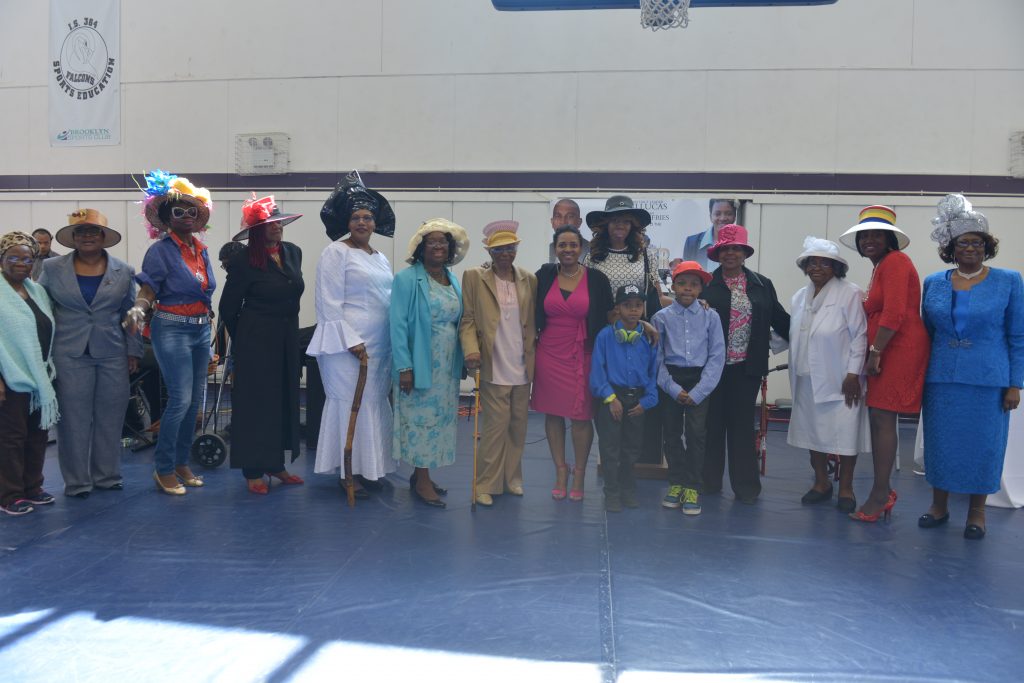
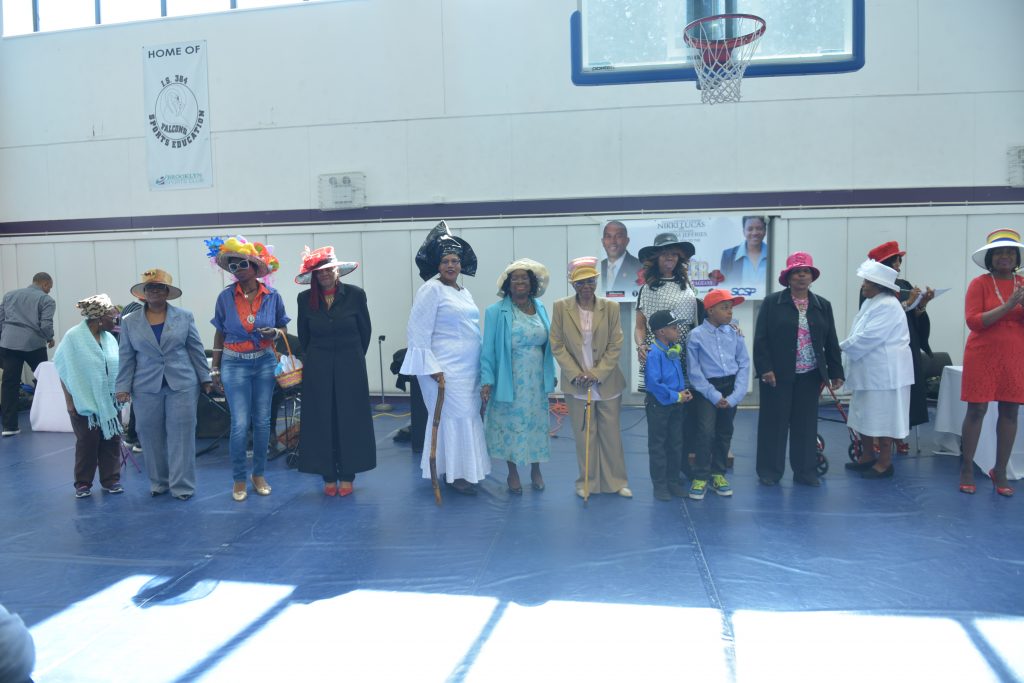
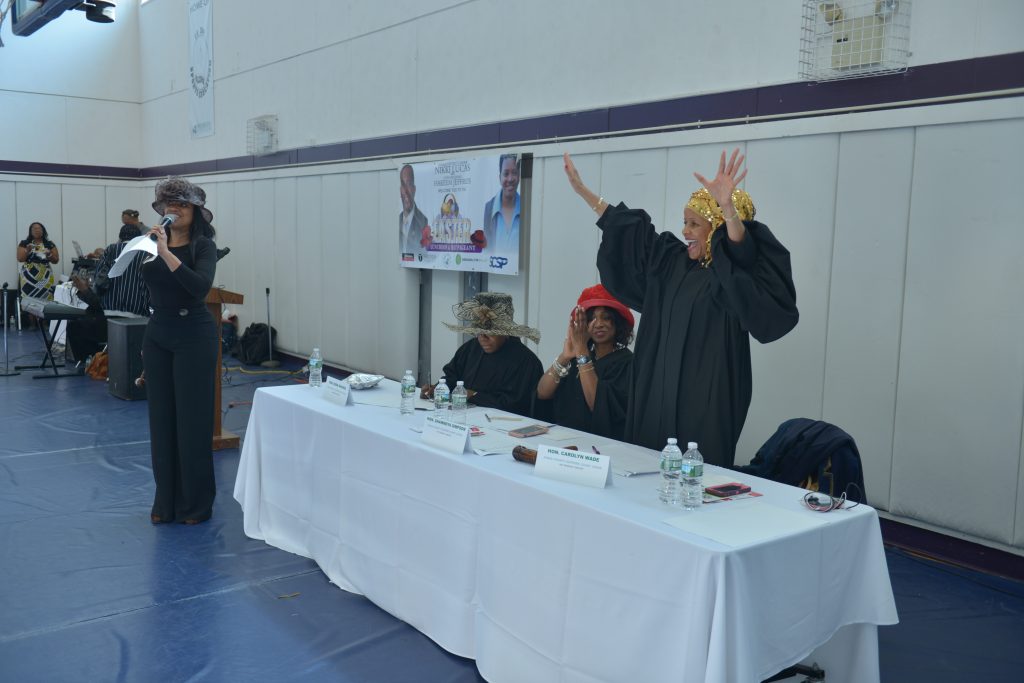
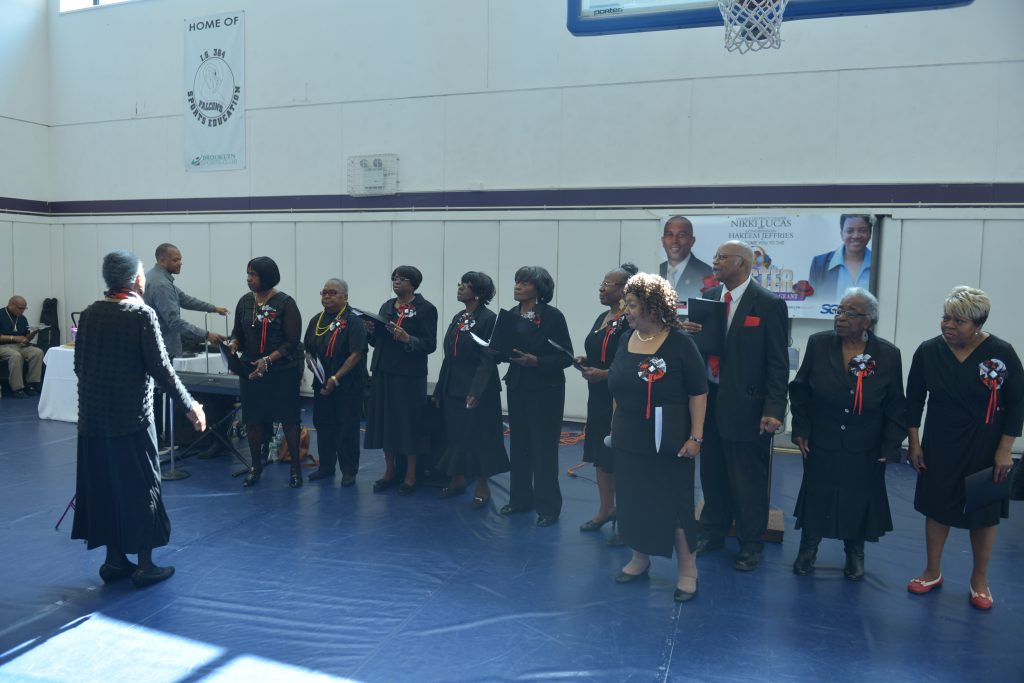
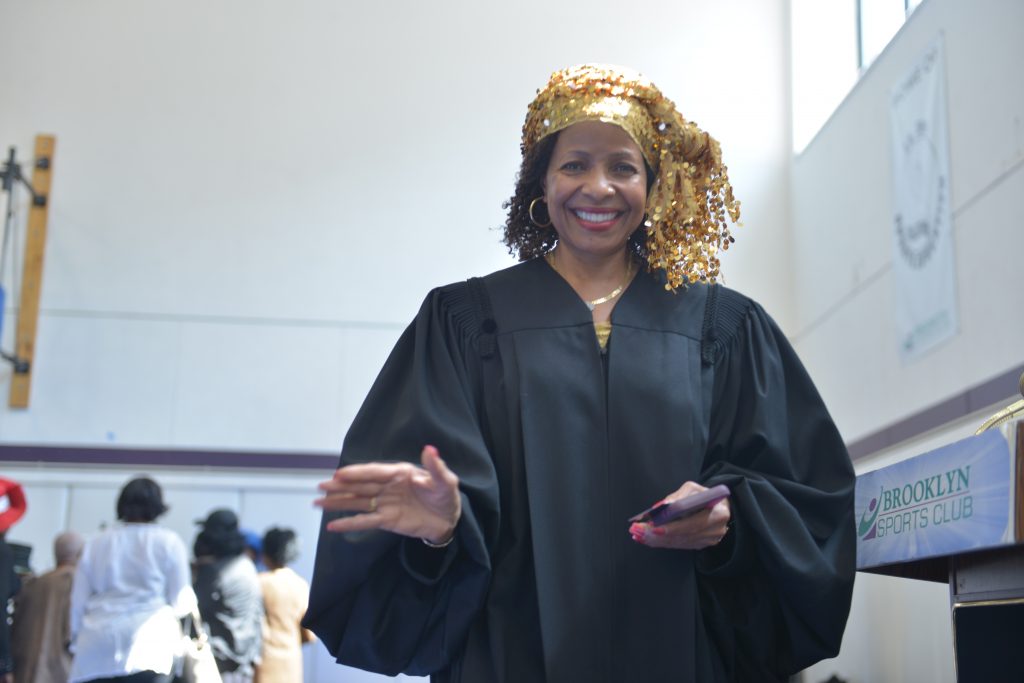
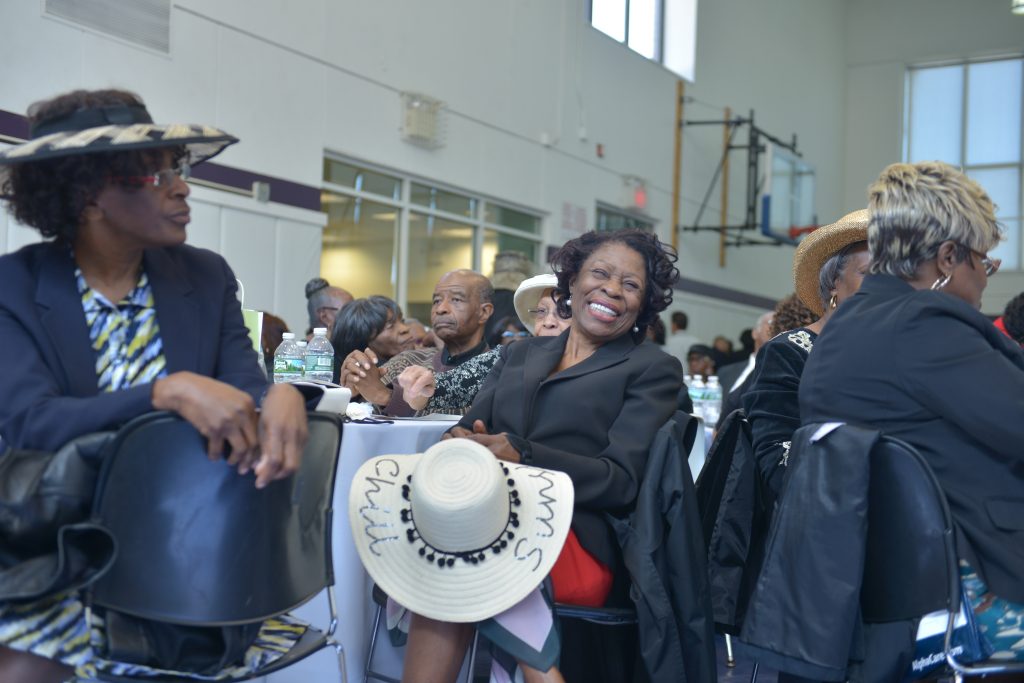
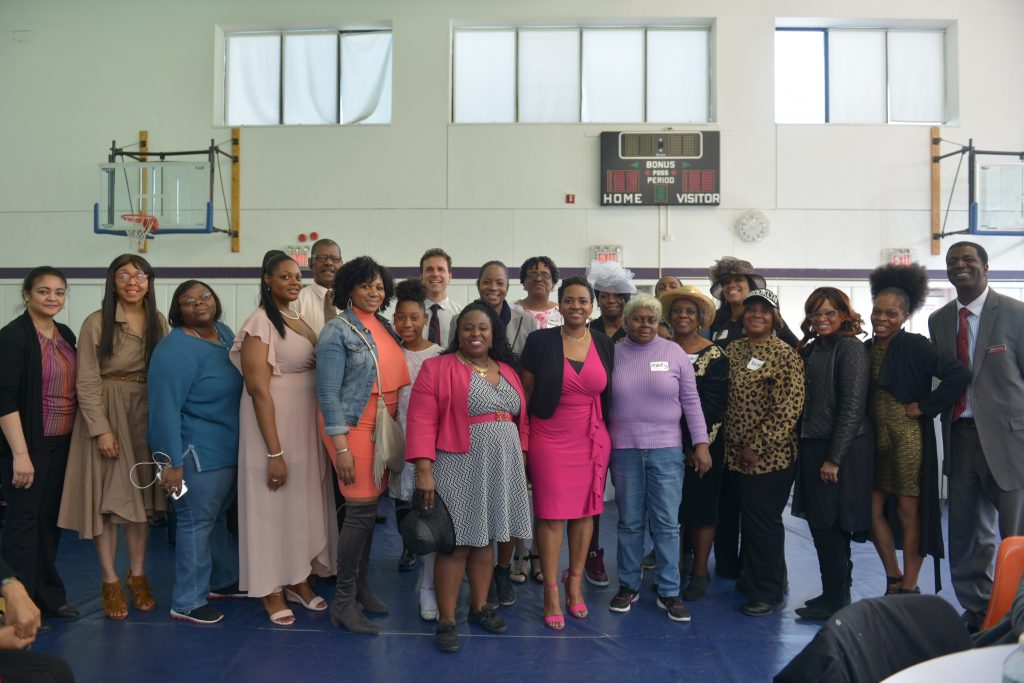
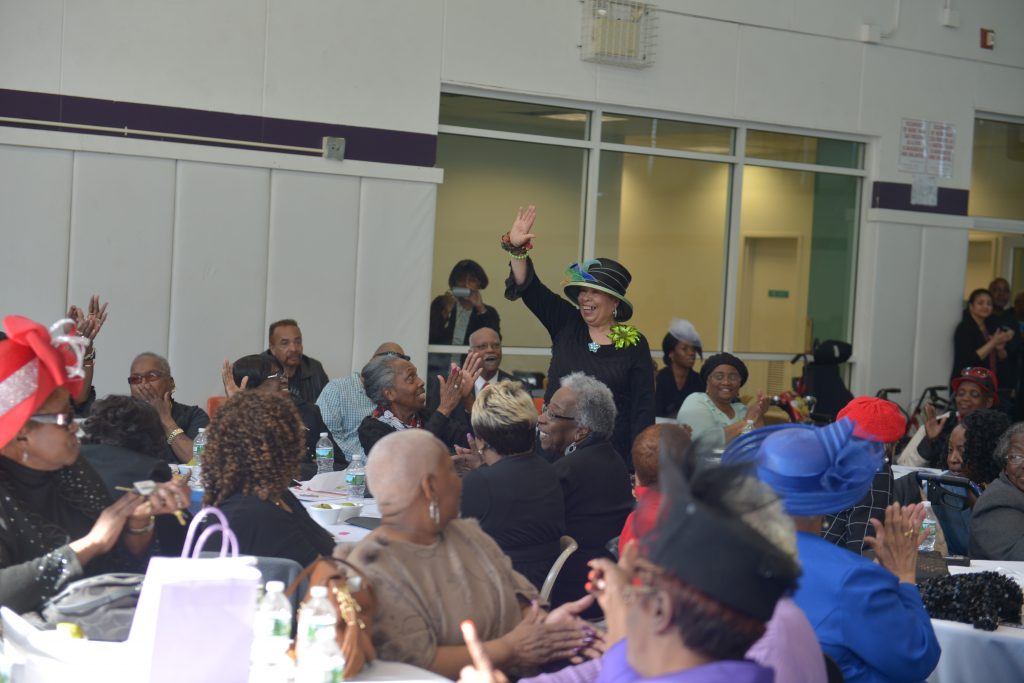
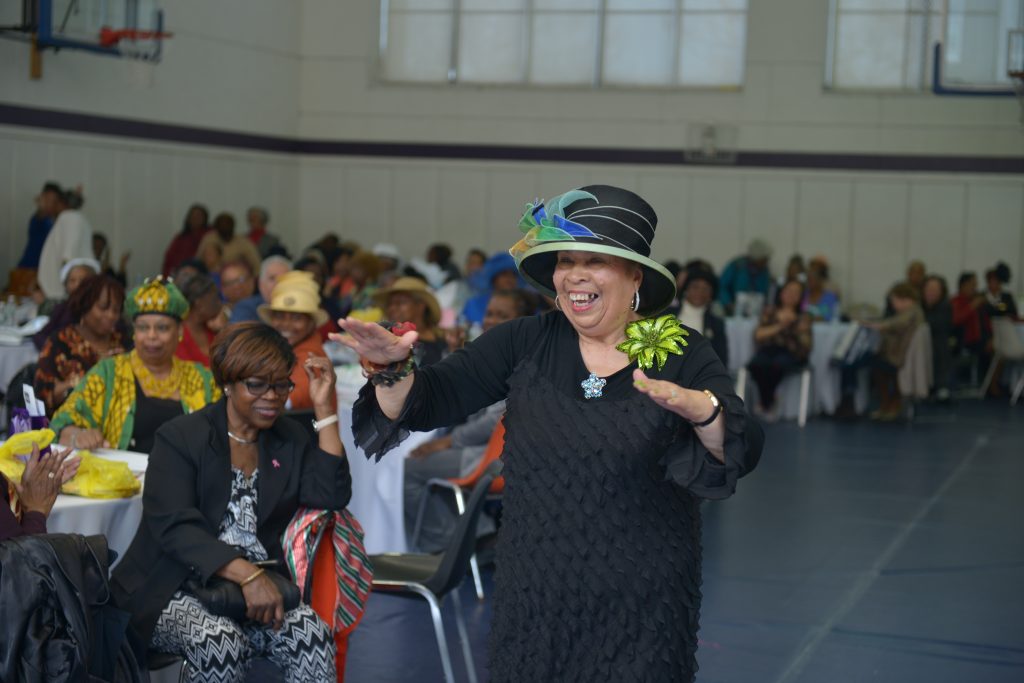
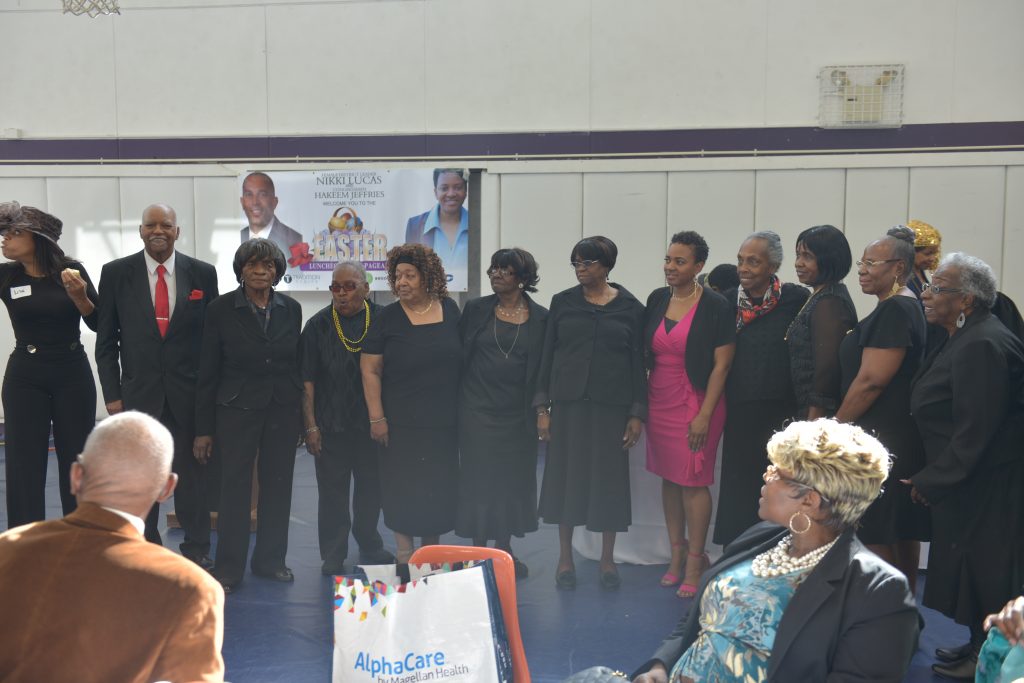
Seniors Come Out for Pre-Easter Luncheon and Hat Pageant – PHOTO GALLERY

Thursday April 13th East New York District Leader Nikki Lucas and US Congressman Hakeem Jeffries Host a Jam-packed Pre-Easter Luncheon and Hat Pageant at Brooklyn Sports Club.


The Brooklyn Sports Club in East New York was a great place to be on Thursday for a Pre-Easter Luncheon and Hat Pageant. A huge crowd filled the large space. In fact, there were so many seniors present that more tables and chairs were brought in to accommodate the overflow crowd. Smiles and laughter filled the room for this festive occasion, thanks to District Leader Nikki Lucas and Congressman Hakeem Jeffries.

During her remarks, District Leader Lucas stated, “I am excited that I have the relationship that I have with this community.” She talked about how important it is to have relationships with people in order to improve the community. She also stated “Congressman Hakeem Jeffries has been a tremendous friend to me and also to the community.” He was the Keynote Speaker for the day and delivered a very inspiring message. Musical selections and ballet performances also added to the festivities.

There were other notable figures present including Acting District Attorney, Eric Gonzalez, who was excited to be a part of this event. He stated that “seniors are an important part of our community, and I am happy to come out and support them.”

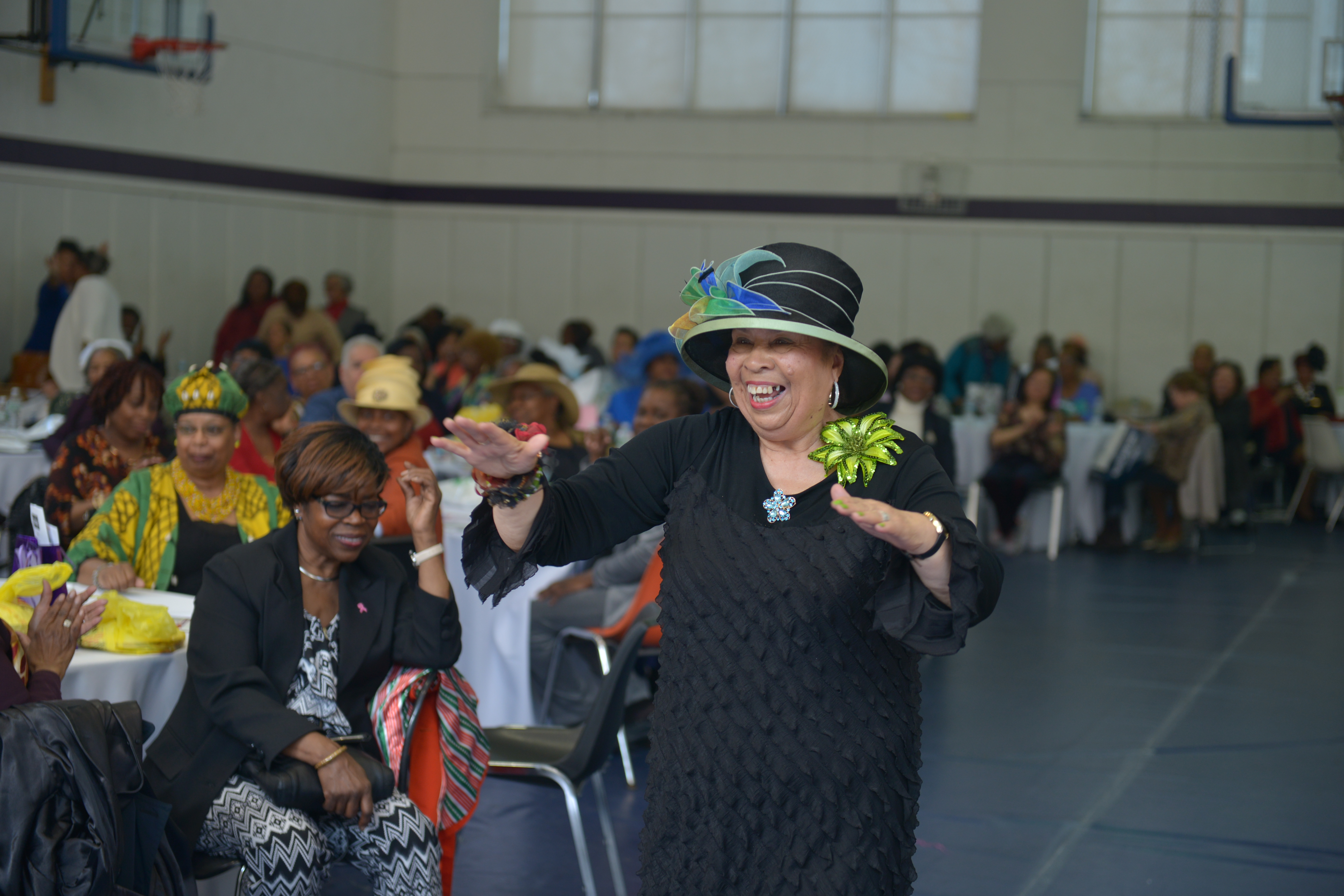
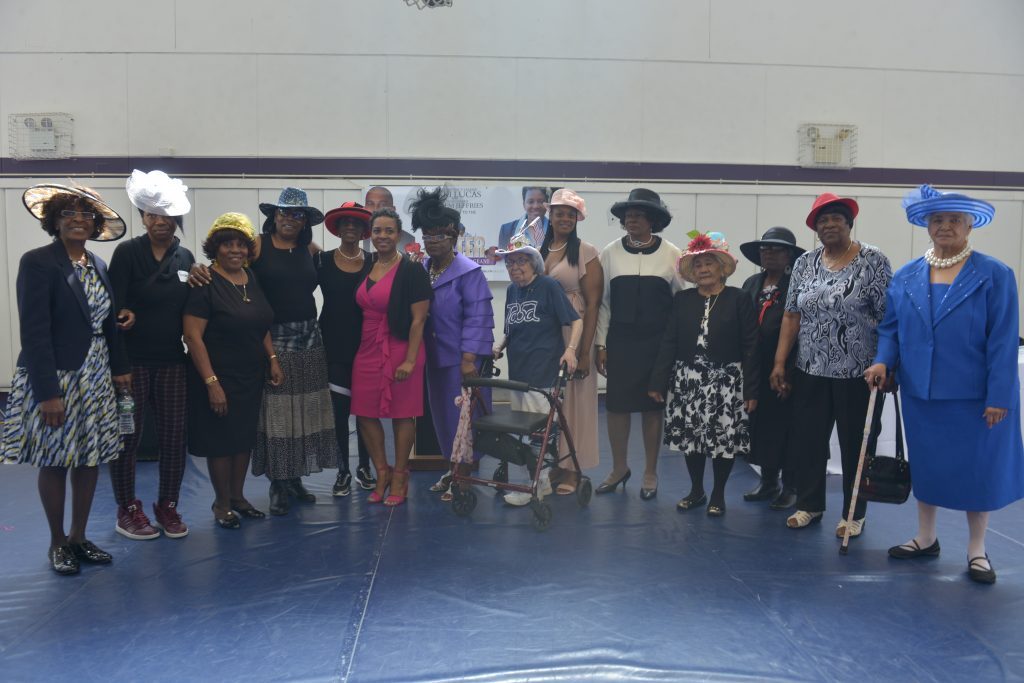
Another highlight of the event was the hat pageant. Three judges viewed the contest including Hon. Robin Sheares, Hon. Shawndya Simpson, and Hon. Carolyn Wade. They sported their own snazzy hats as well and were happy to share stories about their Brooklyn roots and the community they serve. Hon. Carolyn Wade mentioned that some of the seniors asked her: “Are you a real judge?” She replied “yes” and showed them her robe. She stated “the seniors were so impressed that they would use real judges for the contest.”

Some contestants strutted, while others danced down the aisle to an assortment of upbeat music and cheers from the crowd. The first place winner was Sarah Stevens who stated “I have been modeling hats since way back at First Baptist Church of Crown Heights.” The second place winner was Alice Wiley who mentioned that she has made all of her hats and outfits for years. Third place went to Denise Morgan who also modeled a fashionable hat.

The seniors looked fabulous in their Easter hats and stylish outfits, including the ones who were not part of the hat pageant. Many of them danced to the music or sang along to familiar tunes. The atmosphere was festive and lively throughout the event, which turned out to be a memorable one for all participants. It left everyone excited about the next hat pageant.

Continue reading

Featured NewsLifestyle

NYC’s Top 10 Parks for Reflection and Meditation

#1 – Brooklyn Bridge Park

Some city parks were built to replicate rustic fields and preserve serene woodland. Brooklyn Bridge Park, however, was not—and that’s precisely why it has become so popular. The project has transformed a chunk of the Brooklyn waterfront into a nearly 85-acre expanse; several sections house unique attractions such as Jane’s Carousel, a restored 1920s merry-go-round, and riverside esplanades with gorgeous Manhattan views. Pier 5 is complete with sports fields and a playground, and nearby Pier 2 has basketball courts and a skating rink. When summer rolls around, there’s literary readings held in the open air, and outdoor movies play at sundown with one of the best views of the city just behind the screen.

Brooklyn Heights

#2 – Central Park

Central ParkTo feel truly out of the city, head to the 38-acre wilderness area on the west side of the park known as the Ramble. The area has a storied history (as a gay cruising spot dating back to the turn of the last century, among other things), and it was even proposed as a recreational area in the mid-’50s. Thankfully, the winding trails, rocks and streams remain, seemingly waiting to be discovered. If you want plenty of sunshine and more of a social vibe, spread out a blanket at Sheep’s Meadow, where groups playing guitar and frisbee and tanning topless are sprawled out as far as the eye can see.

Central Park

#3 – Flushing Meadows–Corona Park

Flushing Meadows–Corona ParkGive the city’s second-biggest park a day and it’ll show you the world: Its most enduring icon is the Unisphere, the mammoth steel globe created for the 1964 World’s Fair. But there’s also first-rate culture and sports at the New York Hall of Science, Arthur Ashe Stadium and Citi Field (depending on how the Mets are doing). The rolling green fields also encompass a zoo, a boating lake, a skate park, a barbecue area, playfields, and a $66 million aquatic and hockey center. In 2011, wetland plants such as swamp azalea and swamp milkweed were added to better handle the park’s water runoff, improving the catch-and-release fishing in Meadow Lake.

Queens

#4 – Prospect Park

Prospect ParkUrban visionaries Frederick Law Olmsted and Calvert Vaux, who most famously designed Central Park, also put their stamp on bucolic Prospect Park. Amenities like the Long Meadow and Nethermead offer plenty of space to pull up on a patch of grass and indulge in some people-watching, and the woodland expanse of the Ravine is a towering forest within bustling Brooklyn. But we also have to give props to Robert Moses: The controversial city planner was behind some of the park’s kid-friendly offerings, including the zoo and Wollman Rink, which throws decade-themed skating parties all summer long.
Prospect Park

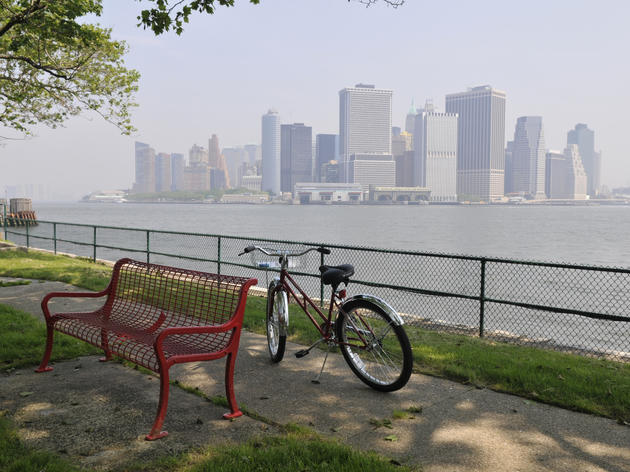
#5 – The Hills at Governors Island

The Hills at Governors IslandAs of 2016, the Hills on Governors Island are alive but not necessarily with the sound of music. Instead, you can hear the hum of parkgoers and their bicycles as they tool around the island’s two-plus-mile promenade, the gleeful squeals of folks slithering down one of the four massive slides and the delighted gasps of visitors ogling perfect views of the New York Harbor and Lower Manhattan. While much of the green space’s landscape has changed (and, oh, is it hilly), preexisting features such as Hammock Grove and Picnic Point (which had been closed since 2012) are still major focal points. But this new addition has us counting down the days until the island opens for the warm-weather season in May.

Governors Island

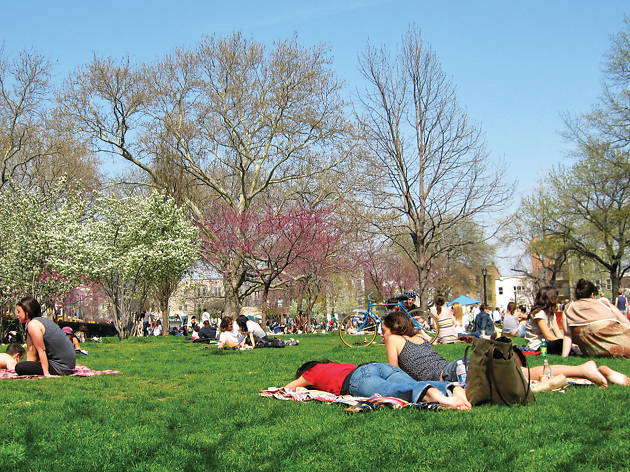
#6 – The High Line

The High LineOpened in 2009, this highly anticipated outdoor park sits on the elevated infrastructure built on Manhattan’s West Side in the 1930s. The final expansion of the park opened in 2014, and today sumptuous gardens and outdoor sculptures (that change with the seasons) adorn this magnificent walkway, which is also an excellent place to enjoy a view of the Hudson River. There’s a food court with ice cream and wine, shallow pools to dip hot summer toes in and coveted lounge chairs to recline in on lazy days.
Chelsea

#7 – McCarren Park

McCarren ParkThis Brooklyn park is popular with area hipsters, and it continues to be a family favorite, too. There are baseball, football and soccer fields; dog runs; tennis courts and more. You’ll also find a playground at Lorimer Street and Driggs Ave. It’s also home to SummerScreen—the alfresco film fest—which shows a grab bag of ’90s nostalgia picks (so Williamsburg, right?).
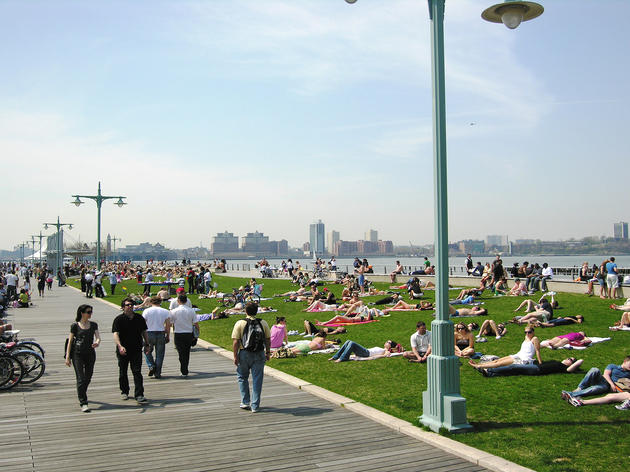
Greenpoint

#8 – Hudson River Park

Hudson River ParkThis strip of waterfront park stretches from Battery Park to 59th Street, allowing you to walk, bike or skate while gazing at the Hudson River and New Jersey. There are flowers, benches, piers and lots of programs—including youth sports and kayak rides in the river. On Friday evenings, you can spot everything from people at lawnside boot camps to elderly singing groups belting it out next to a waterside piano.
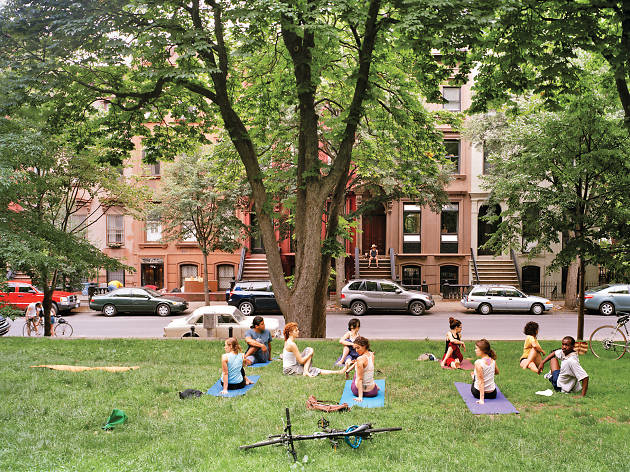
Chelsea

#9 – Fort Greene Park

Fort Greene ParkBoth Brooklyn’s first park and one of it’s loveliest, Fort Greene Park plays host to the Soul Summit house-and-classics get-togethers on summertime Sunday afternoons. Explore the 30-acres designed by Olmstead and Vaux, which comprises open meadows, playgrounds and a designated space for all sorts of recreational activities. If you’re simply looking for a peaceful space to contemplate the meaning of life, you’ll have no problem finding a quiet haven for your thoughts.

Fort Greene

#10 – Inwood Hill Park

Inwood Hill ParkThere’s a unique reward for trekking to the northernmost corner of Manhattan, where you’ll find enormous trees in the island’s last virgin forest. Much of the park has never been developed; due to its comparatively remote location, the land remained rural up until its 1916 purchase by the Parks Department, who decided to leave Inwood as natural as possible. As a result, the area remains very similar to the way the island was 500 years ago.





Source: Time Out NY

Continue reading

Lifestyle

Lyft Provides Simple Solution For NYC Seniors To Get To Their Appointments

Original Source: TechCrunch / Lucas Matney

Ride-sharing services like Uber and Lyft have always been awesome at empowering people without viable forms of transportation to get around. A key demographic that’s been left out of reaping these benefits, however, is the nation’s senior citizens.

Today, Lyft announced a partnership with the National MedTrans Network that will provide seniors in NYC a simpler way to get rides to non-emergency medical appointments. To do this, the Lyft at Work team has introduced a slick-looking, third-party web application called Concierge that allows its partners to call Lyfts online on the behalf of someone who may not have a smartphone to do it themselves.

For seniors that have a tough time getting around or are maybe staying behind the wheel a little longer than they should, Lyft could be a major opportunity for them to maintain a bit more independence. Here’s the problem, though: More than a quarter of Americans that are 65-plus don’t own a smartphone and that percentage only increases as ages do. Apps are also generally a difficult concept for some elderly people to get used to no matter how intuitive the UI is.

69194b05-320b-4e0c-abc1-6a53715b3a2d

In a blog post, Lyft says that around 3.6 million Americans miss or have to delay medical care because they don’t have the transportation to get where they need to go. With this effort, Lyft hopes to help seniors in NYC get used to the lingo their grandkids have been using when they talk about grabbing a Lyft. But more seriously it may also give Lyft an opportunity to see the full potential of Concierge, which could plausibly have major market potential as Lyft for Work looks to increase their partnerships.

Lyft says it’s already fulfilling 2,500 rides a week through the service, but Billy McKee, president of National Medtrans Network, details in the blog post that he plans to increase that number.

“Using transportation-as-a-service like this, the health plans and government agencies we partner with are significantly reducing fraud, saving costs, and improving the patient experience,” said McKee. “We provide over 25,000 livery trips per week in NYC, and our goal is to push all of those through Lyft.”


Continue reading

News

NYC’s Senior Population Surges; Comptroller Stringer Releases New Report And Calls For Strategic City Planning

Original Media Source – NYCNewswire.com

Recently, New York City Comptroller Scott M. Stringer called on the City to launch an agency-by-agency, neighborhood-by-neighborhood approach to serving its seniors. Unveiling a new a report – entitled “Aging with Dignity: A Blueprint for Serving NYC’s Growing Senior Population” – the Comptroller highlighted current challenges and the need for additional support for New York City’s senior population now and in the future. While calling for the city to perform long-term, comprehensive planning, the blueprint lays out specific proposals that will be necessary to better serve New Yorkers aged 65 and older.

“We need to act today – not tomorrow. Seniors are the anchors of our communities, and we must ensure they have the support they deserve. We need to have an all-hands-on-deck approach, from every City agency, because this is too important. As we face significant demographic changes, we need to reimagine how we support our current and future seniors,” New York City Comptroller Scott M. Stringer said.  “We hope these specific ideas and this blueprint will jumpstart a long-term conversation in the City — and help develop a long-term strategy — about how to deliver for New Yorkers for decades to come. Our approach should help more New Yorkers stay in their homes and age in place — it’s cheaper, it’s smarter, it allows New Yorkers to remain involved in their communities. Most importantly, it’s the right thing to do, and now is the time to act.”

Currently, New York City’s seniors face affordability, transit, housing and other obstacles. As the City’s population ages, so too does the urgency for holistic planning:

A Rising Population

  • From 2005 to 2015, the number of New Yorkers over 65 years old surged by 19.2 percent. That is more than triple the rate of growth for the population under age 65.
  • The number of New Yorkers aged 65 and older has grown in each borough over the last ten years, with the population growing fastest in Staten Island and the Bronx.
  • By 2040, city planners expect there will be 1.4 million older adults living in New York City – an increase of hundreds of thousands of people from today.
  • Yet, currently, the Department for the Aging’s budget is just 0.4 percent of total City expenditures – equivalent to about $300 per New Yorker over the age of 65.
  • That’s while New York City senior centers—visited by over 29,680 seniors daily—served over 160,000 New Yorkers in FY16.

Affordability

  • Over 40 percent of senior-headed households depend on government programs for more than half their income, with Social Security benefits comprising more than half of incomes for 397,000 senior-headed households.
  • Six out of 10 senior renters spend more than 30 percent of their income on rent – a significantly higher percentage than the general population.

Accessibility and Transit

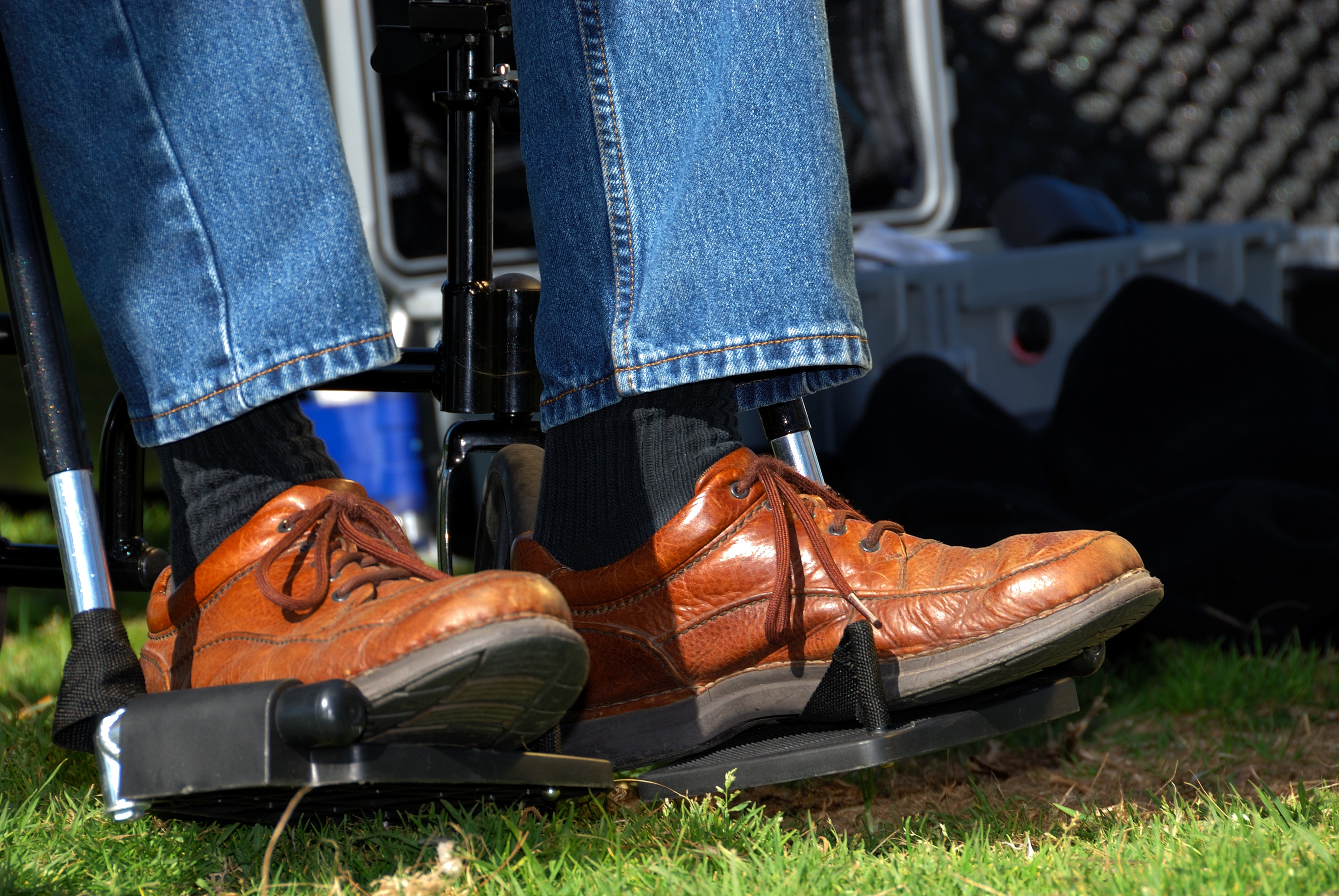
  • More than 35 percent of seniors in NYC are living with a disability that can impair their mobility. Yet, data show that 61 percent of residential units in NYC do not have a wheelchair accessible entrance and 68 percent of housing units are not accessible from the sidewalk without the use of stairs.
  • Adults over 65 – despite being 13 percent of the City’s population – made up 39 percent of all pedestrian fatalities in 2014.
  • As the NYC population ages, the MTA expects Access-A-Ride usage to double to more than 14 million trips for New Yorkers by 2022, up from six million trips in 2015. Yet, a Comptroller’s Office audit showed that Access-A-Ride vehicles failed to show up for a scheduled trip more than 31,000 times in 2015.
  • Certain neighborhoods across the city have large numbers of seniors, but relatively few senior centers or amenities like bus shelter or accessible subway stops – a challenge that must be addressed since it deprives seniors of services and because New York City will undergo further demographic changes.
  • Though the City has 24,798 bus stops, only about one quarter have bus shelters, which are critical for seniors to travel. And despite its stated purpose, the City Bench program is not serving neighborhoods with a large number of seniors. Further, the community districts with the highest numbers of seniors generally have the fewest number of City bus benches.

Despite widespread documentation of these challenges, the City is not engaged in a comprehensive planning process for it seniors. As such, today, the Comptroller called for a cohesive, long-term planning process from the City in order to streamline services and develop a holistic strategy. Serving seniors should not be the job of the Department for the Aging alone. Almost all City agencies serve seniors, and the Department of Health and Mental Hygiene, the Department of Transportation, Department of Housing Preservation and Development, Department of Consumer Affairs, Department of Finance and others that offer direct services to seniors should be engaged in a robust, coordinated planning process.

To plan for the City’s demographic changes, the Comptroller’s report emphasizes the importance of keeping seniors in their homes and communities, a policy known as “aging in place.” Aging in place – rather than in nursing homes or institutional settings – is not only the preference of the vast majority of older New Yorkers, but research has demonstrated that it can be five times more cost-effective in serving the City’s swelling senior population.

Continue reading

Healthy Living

Aching After Exercising: Should You Be Worried?

As worrisome as it may seem, the soreness you feel after exercising is completely normal. So much so, that pretty much everyone who has ever worked out has felt the same soreness. This soreness is called delayed onset muscle soreness (DOMS). It occurs after the body goes through an unfamiliar strenuous workout, usually affecting the person the next day. While the exact cause has never been distinguished, the most agreed upon theory is that the muscle fiber experiences small rips and wounds that causes the affected muscles to feel sore. Once the muscle begins to mend, to the pain subsides.

While the idea of your muscles tearing is a scary one, it’s actually perfectly normal. The damage is microscopic, and it doesn’t cause your muscles any lasting damage. Once your body starts getting used to your new exercise routine, the soreness will quickly subside.         

Knowing the Difference Between Soreness and Pain

While understanding that soreness it completely natural, feeling pain during and after exercising is not. A few of the key differences between DOMS and pain is:

DOMS is Moderate. Muscle soreness will make your muscles feel sore, achy, and stiff, but should not cause you unbearable pain. If you do feel pain, especially if the pain is in the joints, then you should visit a doctor.

Pain Can Happen Immediately. If you feel pain during an exercise, then it’s not muscle soreness. DOMS is delayed, so it doesn’t occur while exercising. If you feel any pain while exercising, whether it be moderate or severe, stop immediately.

DOMS goes away. Muscle soreness should fade away within one to two days, and doesn’t leave any lasting issues. If pain felt after exercising doesn’t abate, then you should visit a doctor.

Some afflictions that may cause pain caused by exercising can include: pulled muscles, pinched nerves, and joint pain. Any pain, no matter how subtle, shouldn’t be ignored, especially if you feel it every time you work out. You should be extremely cautious of any pain felt in the head, neck, back, or ankles. The most important thing to remember when exercising is to know your limits. The majority of the time, pains are not only caused by exercise, but instead other pre-existing conditions. If you know you have joint issues, then participate in low-impact exercises like Tai Chi. If you have asthma or lung issues, be sure to pace yourself and take frequent breaks when doing strenuous exercise. Take an interest in learning about your body’s limitations, and always listen to your body when you feel like you have to pull back. When exercising, always start slow, and work yourself up at your own pace.

Continue reading

Uncategorized

Learning About Anxiety: Panic and Social Disorder

Anxiety disorders are extremely common, affecting 40 million adults throughout the U.S. People suffering from an anxiety disorder, generally, have prolonged states of anxiety that affect how they live their everyday lives. This anxiety can affect daily activities, getting in the way of a person’s career, job performance, personal relationships, and everyday tasks. Although the most common anxiety disorder among older adults is generalized anxiety disorder, there are still other types of anxiety disorders that seniors can suffer from, two of them being panic disorder and social anxiety disorder.

Panic disorder is characterized by the experience of spontaneous panic attacks and the continual fear of having an attack. According to the Anxiety and Depression Association of America, symptoms of a panic attack can include:

  • Palpitations, pounding heart, or accelerated heart rate
  • Sweating
  • Trembling or shaking
  • Sensations of shortness of breath or smothering
  • Feelings of choking
  • Chest pain or discomfort
  • Nausea or abdominal distress
  • Feeling dizzy, unsteady, light-headed, or faint
  • Chills or heat sensations
  • Paresthesia (numbness or tingling sensations)
  • Derealization (feelings of unreality) or depersonalization (being detached from oneself)
  • Fear of losing control or “going crazy”
  • Fear of dying

Panic attacks generally last for a few minutes. Often, people confuse the experience of a panic attack with having a heart attack or other sudden health issues, and are unaware that they are having a panic attack.

Social anxiety disorder, or social phobia, is the feeling of anxiety in social and performance situations. Social anxiety is often misinterpreted as shyness, and therefore, is often misdiagnosed and mistreated. People suffering from the disorder usually have trouble making and maintaining social and romantic relationships and at many times feel isolated and defenseless. Symptoms can include:

  • An intense fear of being negatively viewed
  • Having a hard time talking to other people
  • Feeling self-conscious or embarrassed in front of others
  • Avoiding social situations
  • Having trouble making and maintaining friendships
  • Blushing, sweating, trembling, nausea, abdominal pain, fast heartbeat, lightheadedness and/or headaches

Social anxiety most commonly begins in adolescence, around the age of 13, and can affect a person for years. Around 15 million Americans currently suffer from social anxiety disorder, and 36 percent reported waiting over 10 years before seeking professional help.  

If you do suffer from any of these symptoms, talk to your primary care doctor or a medical professional. For more information about anxiety, visit the links below:  

www.nimh.nih.gov/health/topics/anxiety-disorders/index.shtml 

www.adaa.org/living-with-anxiety/older-adults

Continue reading

Healthy Living

Learning About Anxiety: Generalized Anxiety Disorder

Feeling anxious is a natural emotion. It’s a temporary feeling that is felt in times of distress, anticipation, and trouble. But, when anxiety goes from being temporary to being constant, then that might be a sign of an anxiety disorder. Anxiety disorders are one of the most common mental disorders, affecting an estimated 40 million American adults. Here we break down the most common anxiety disorder among seniors.

What Is An Anxiety Disorder?

People with anxiety disorders experience extreme anxiety that lasts for a long period of time. This could be anywhere from weeks to months to years. Anxiety disorders can affect everything from daily activities to job performance, personal relationships, and everyday tasks.  

The most common type of anxiety among seniors is generalized anxiety disorder, or GAD. GAD is the experience of anxiety in everyday situations, even when there are no immediate reasons to be anxious. People with GAD always expect the worst to happen, whether it be with their finances, personal life, jobs, etc. These feelings can become critical, causing the person to find even simple tasks impossible to complete. Symptoms of GAD can include:

  • Inability to relax
  • Restlessness
  • Difficulty concentrating
  • Fatigue or being easily fatigued
  • Muscle tension
  • Headaches
  • Trembling, twitching, sweating and/or nausea

Around 3.1 percent, or about 6.8 million of the American adult population currently suffer from GAD, with women being twice as likely to be affected than men.

For a long time, experts believed that anxiety disorders were less common among older adults. But, recently, most experts have concluded that seniors do not suffer any less from anxiety than any other age group, seniors are only less likely to speak about their symptoms. Many seniors carry anxiety disorders that have been affecting them since they were young, and see their symptoms as normal. If your anxiety consumes you, or affects how you live your day-to-day life, then it is not normal.

Of the 40 million Americans who suffer from anxiety disorders, only about one-third receive proper treatment. If you do suffer from any of these symptoms, talk to your primary care doctor or a medical professional. For more information about anxiety, visit the links below:

www.nimh.nih.gov/health/topics/anxiety-disorders
www.adaa.org/living-with-anxiety/older-adults

Continue reading

Partner Resources

Treatments for Hearing Loss

Many Americans, particularly older adults, struggle with hearing loss. It is an extremely common problem in people over 65, and is often the result of a combination of factors. Simple wear-and-tear on the delicate mechanisms of the inner ear over time, in addition to sustained exposure to loud noises, certain medications, and some illnesses, can all contribute to hearing loss.

Hearing loss can be extremely frustrating, as it involves the gradual loss of a sense on which most people have depended throughout their lives. People with hearing loss often find it difficult to follow conversations, and may have to ask others to repeat themselves many times. To people with hearing loss, it may seem as though other people are not speaking clearly. It is frequently difficult for people experiencing hearing loss to hear in environments with lots of ambient noise, such as restaurants and other public places. For these reasons, many people with hearing loss have a tendency to become socially isolated, as trying to interact with others becomes too exasperating. Being unable to hear smoke alarms, verbal warnings, and the sounds of motor vehicles or other potential threats can pose additional risks.

Because of the potential hazards faced by those with hearing loss, as well as its general impact on quality of life, it’s important for people experiencing hearing loss to seek help right away. Hearing aids are a common, and often effective, treatment for hearing loss. A hearing aid is a small device that is placed in the ear and amplifies sound. For people with more profound hearing loss, a tiny electronic device called a cochlear implant is often helpful. This device is implanted in the inner ear by a surgeon, allowing the patient to regain some hearing. Other interventions include assistive listening devices that amplify sounds from the telephone, as well as smart phone and tablet apps, and hearing-loop systems in theaters and other public venues. Finally, the low-tech option of lip-reading is extremely effective for some people who suffer from hearing loss. Special training from a lip-reading coach or teacher can enable people with hearing loss to understand speech and participate in conversations with more comfort and ease.

Find the original article here.

Content provided by Edison Home Health Care. Their team of trusted advisors is happy to assist you or any loved one who seek appropriate care for Parkinson problems. Have questions? Give them a call at 888-311-1142, or fill out a contact form.

edison-logo

Continue reading

Lifestyle

Wives’ Tales Debunked

Wives’ tales have been passed down from generation to generation, sharing timeless information from years past. But, how many of these tales are actually true? Here we go over some of the most popular wives’ tale, going in depth on whether or not they’re actually accurate.  

Feed a Fever, Starve a Cold

Some people say to “feed a fever, starve a cold,” while others say to do the complete opposite. But, in neither situation should you ever willingly starve yourself. One of the best things to do when suffering from a fever or cold is to eat.

When you have a cold, your body needs energy to get rid of the virus. Specifically, energy that your body receives from food. For fevers, the body’s temperature rises, causing the metabolism to increase and for more calories to be burned. Eating helps replenish calories and energy.

But, many people don’t have appetites when they’re sick, and that’s completely normal. You should never force yourself to eat if you don’t feel hungry. The most important thing to do when you’re sick is to drink a lot of fluids. When sick, the body becomes dehydrated, and the more you drink, the more your body can fight both infections and viruses.

Eat Chicken Soup When You’re Sick

So, what should you eat when you’re sick? A popular wives’ tale tells that chicken soup is the best thing to eat when sick, and it’s not wrong. Chicken soup is great to eat when you’re feeling unwell. The combination of protein and liquid both gives you energy and replenishes your body. And, the steam from the soup helps open up mucus stuffed passageways.

Carrots Improve Vision

While carrots are high in nutrients and include vitamin A and the antioxidant lutein, both of which are essential for vision health, they don’t improve your eyesight. In fact, no amount of healthy foods can improve eyesight. They can only help you maintain your current eyesight health.

So, why do so many people believe this? It actually started during WWII. During the war, the British Royal Air Force came up with a tale about how their pilots had excellent night vision due to eating carrots. The story was only propaganda, to make the air force look more powerful, but the belief stuck.

But, considering this tall tale got a lot of people, especially kids, eating their carrots over the years, maybe it’s not all that bad.

Spicy Foods Cause Ulcers

For a long time, even doctors believed in this wives’ tale. But, eventually it was proven wrong. Spicy food cannot cause ulcers, nor does eating plain or bland food cure one. All spicy food does is irritate existing ulcers. Ulcers are actually caused by bacteria, and often only cause mild pain or discomfort in the beginning stages. For many people, eating spicy foods is what makes them first notice the pain. Ulcers can only be cured by antibiotics.  

Continue reading

Lifestyle

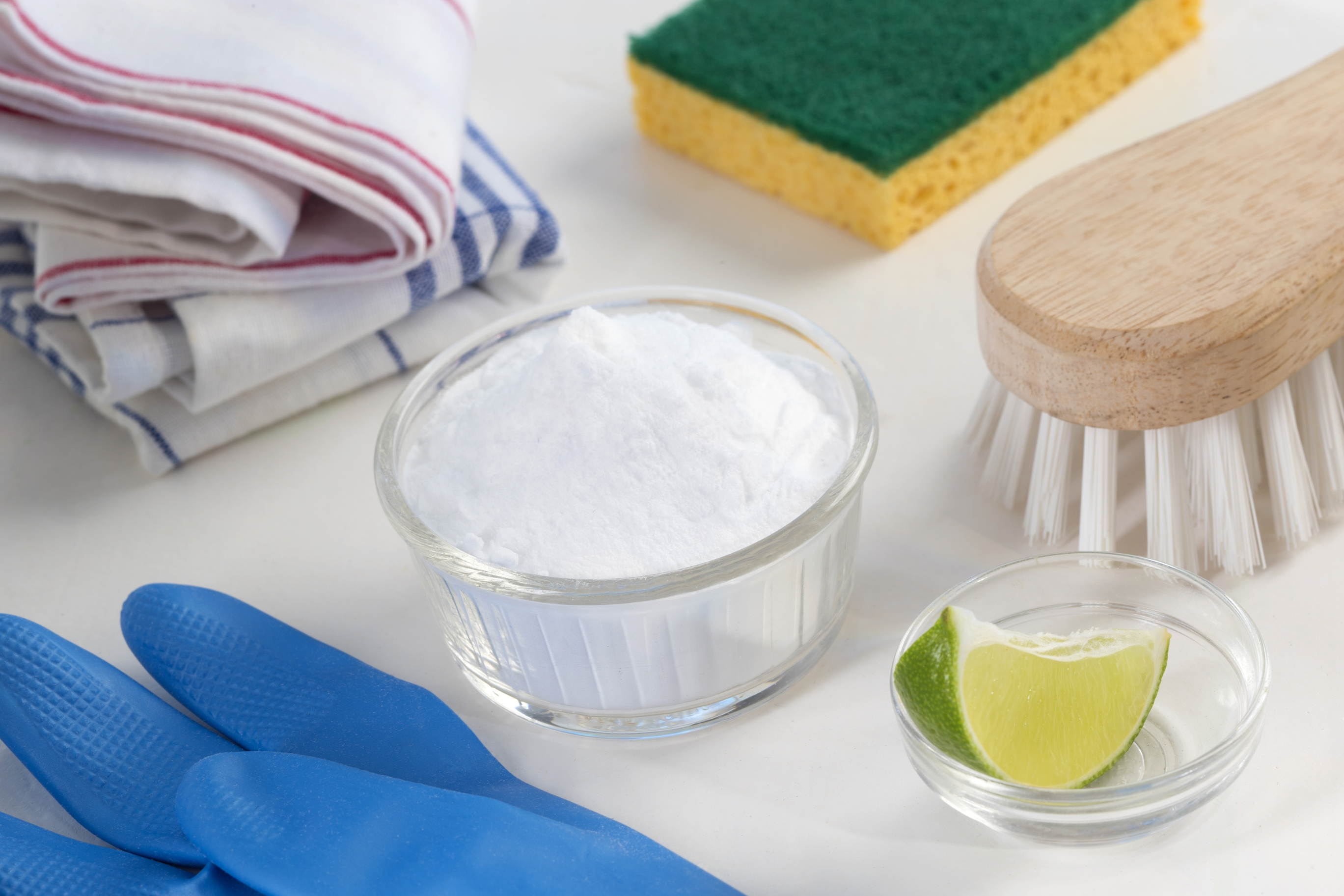
12 Amazing Uses For Baking Soda

Baking Soda is cheap, versatile, easy to use, and can clean everything and anything you can imagine; from household items to appliances to beauty supplies to skin. Here we go over 12  amazing ways to use baking soda.

Clean:

Rust off silverware. Mix together baking soda and water until you get a nice paste that is neither too thick nor too watery. Brush off any rust stains gently with a toothbrush. Rinse and wash normally after all stains are gone. Works best with stainless steel. Can also be used to shine dull silverware.

Hair brushes and combs. To get any excess oil or build-up off brushes and combs, soak in a mixture of one cup of water and one tsp of baking soda until clean. Afterwards, rinse and dry.

Greasy pots and pans. Mix together your regular dish washing soap with a generous spoonful of baking soda, then use the mixture to scrub greasy pots and pans. For really hard-to-clean kitchenware, soak in water, dish soap and baking soda first.  

Microwaves. Sprinkle baking soda onto a clean, damp sponge before rubbing down the inside of your microwave.

Ovens. For grime or baked-on food at the bottom of the oven, sprinkle and leave baking soda in overnight. Clean out with a wet sponge or rag in the morning. For the oven walls, use a damp sponge or washcloth sprinkled with baking soda. Make sure to wash out and dry thoroughly before using the oven.

Shower curtains. Sprinkle baking soda onto a damp sponge and scrub any dirty or smelly parts of the curtain. Rinse and hang to dry. Works best with vinyl curtains.

Freshen up your:

Carpet. Sprinkle baking soda onto a stenchy carpet overnight. Vacuum in the morning to get rid of any mess.

Litter box. Dust baking soda on the bottom of the litter box before putting in the litter. Replace every time you change the litter. Sprinkle a little baking soda on top of the litter each time you clean it out.

Hands. To remove strong smells like garlic, exfoliate your hands in a mixture of baking soda and water. Scrub until smell disappears and rinse off with water.

Shoes. Sprinkle baking soda over or inside the shoes and let sit for 12 to 24 hours, depending on how smelly the shoes are. Shake off when done. Works best with sneakers, sandals, and flats.

Spice up your:

Bath. Mix in a quarter to half a cup of baking soda into your bath. Baking soda is good for calming irritated skin, especially itchy, dry, sunburnt, and rashy ailments. It’s also great for achy muscles. Feel free to mix it in with your choice of epsom salts, essential oils or other bath products.

Foot care routine. For tired, achy, swollen feet, soak them in a mixture of warm or hot water (depending on your preference) with a few spoonfuls of baking soda.   

Continue reading

Healthy Living

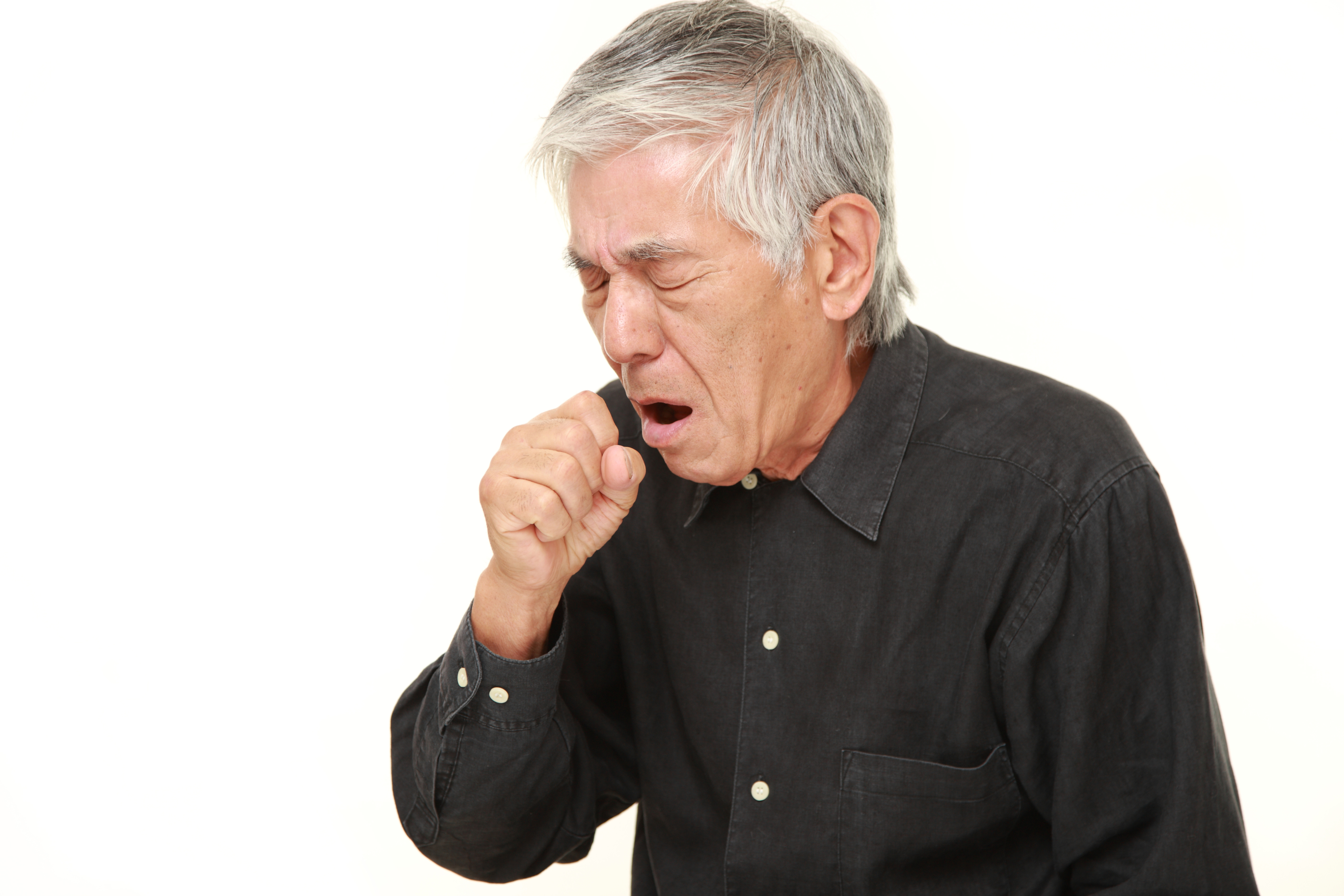
Signs, Symptoms, and Treatments of Bronchitis

What is Bronchitis?

There are two types of bronchitis: Acute and chronic. Both happen when the bronchial tubes, or the tubes that transport air to the lungs, are inflamed. Symptoms include:

  • Trouble breathing
  • Coughing
  • Overproduction of mucus
  • Mild fever
  • Shortness of breath or wheezing (Most common in people with asthma)

Acute bronchitis is the most common type of bronchitis, caused by a virus, and normally, lasts up to a week. Acute bronchitis mostly forms after having the flu or a cold or experiencing flu and cold like symptoms. Though uncomfortable, acute bronchitis is often harmless, and goes away on its own.

Chronic bronchitis includes the same exact symptoms, but lasts for three months or longer. Most often, chronic bronchitis is caused by air pollution, which often includes cigarette smoke.    

How to Treat and Prevent Bronchitis.

Acute bronchitis does not require much medication. Antibiotics do not work on bronchitis because it is a viral infection. For most people, getting better is just a matter of waiting it out. But, there are ways to help lessen the symptoms, including:

  • Drinking fluids and resting
  • Using over-the counter medications such as cough and mucus suppressants.
  • Using a humidifier
  • Using a prescribed inhaler (if you have asthma)
  • Taking aspirin (if you experience mild fever)  

When sick, it is important to avoid pollutants such as cigarette smoke. Smoking with acute bronchitis often leads to chronic bronchitis.

If you have a chronic illness (especially heart or lung diseases, including asthma), your cough lasts for over a week, or you are experiencing chest pain, high fever, a mild fever for up to three days, chills, or blood when you cough, contact or visit your doctor.

To avoid spreading and contracting bronchitis, be sure to wash your hands thoroughly throughout the day and avoid touching your face, especially around the mouth and eyes. Getting vaccinated against the flu also greatly diminishes the chances of contracting bronchitis.  

What to do When Your Cough Persist/ Other Coughing Illnesses

If your cough persists, then it may be a sign of chronic bronchitis. It is imperative that you visit a doctor if your cough continues for over a week. Often, self diagnoses are wrong, and bronchitis is often mistaken for allergies, asthma, or pneumonia. The main difference between bronchitis and pneumonia is that pneumonia has stronger symptoms and can become severe. To learn more about pneumonia, visit our article here.

Continue reading

Lifestyle

Do Diet Programs Work?

Diets are tricky. They’re often hard to stick to, have confusing guidelines and can be extremely time-consuming. Diet programs love to take advantage of this, and often promise fast, painless, and motivational plans that are supposed to help people lose weight fast and keep it off. But, do these programs actually work? Yes and no. While sticking to reputable diet programs will help you lose weight, there is little to no guarantee that you will keep the weight off in the long-run.

A reputable diet plan will work by encouraging the participant to cut down on unhealthy aspects like sugars and saturated fats and incorporate more foods high in proteins, fiber, vitamins, etc. Some programs like Jenny Craig accomplish this by having people eat foods that are part of a pre-made menu, while others such as Weight Watchers use a rewards program, in their case points, that measures a person’s intake for the day. These type of programs tend to work only when the person is on the program. Once the program is over, that’s when the weight returns. This is due to the change in diet. While some people continue onto healthier paths, many fall back into the unhealthy eating habits they had prior to the structured instant-results showing diet plan. Even those who do stick to healthier diets afterwards can wind up gaining weight back due to the body’s natural reaction to losing weight.

When losing weight, the body’s biological structure will react in an odd way. The metabolism, which converts calories into energy, can become slower when too much weight is lost at once. And the slower your metabolism, the harder it is to lose weight. While there is no guarantee this will happen to everyone or that the metabolism will remain slower, larger weight losses in short amounts of times do have this effect. Once a person stops a diet program, their metabolism tries to compensate for the weight loss, burning less calories, which makes the person gain weight faster. The best example of this is a study done on the contestants of a popular weight loss show, The Biggest Loser. When 14 of the 16 contestants were tracked by the National Institute of Health, it was found that 13 contestants gained back a significant amount of weight within 6 years, with 4 weighing more than their previous heaviest weights. While their cases were more extreme than most, health experts agree that this happens with many extreme weight-loss situations.

This doesn’t mean that weight loss is impossible, nor that every weight loss program is terrible. Many people lose weight and keep it off. The difference is that many of those people lose weight gradually. Gradual weight loss allows a person’s body to get used to its new body weight at a steady pace. And weight loss programs that prioritize making healthy decisions and losing weight at your own pace can be a good starting point. But, the best way to lose weight is to incorporate healthy foods into your normal diet while eating less foods high in fat, sugar, and salt. This, along with exercise and a good attitude, will get you farther than any diet plan could ever take you.   

Continue reading

Partner Resources

Bone-Strengthening Meals for Parkinson’s

Parkinson’s disease is a central nervous system disorder that affects many older adults. Its symptoms include movement problems, such as shaking, difficulty walking, stiffness of the limbs, and stooped posture. In later stages, Parkinson’s can also have psychiatric and behavioral effects, such as depression, dementia, and sleep disturbances. In addition to these common symptoms, bone thinning occurs in some Parkinson’s patients. This is of particular concern since people suffering from Parkinson’s disease are at increased risk for falls that may result in bone fractures or breakages.

In order to slow the progression of bone thinning, it is very important for people with Parkinson’s to eat a nutritious diet rich in nutrients that support bone health. These include minerals like calcium and magnesium, and other nutrients like vitamins D and K. Calcium can be found in dairy products such as milk, yogurt, cheese, and ice cream. Additionally, many of these foods are also fortified with vitamin D. Calcium can also be found in canned, bone-in fish like sardines and salmon; oily fish like salmon, tuna, mackerel, and sardines are a good source of vitamin D. Dark leafy greens like kale, collard greens, spinach, and broccoli are great sources of both calcium and vitamin K, while tomatoes, potatoes, and raisins supply magnesium.

Nutrients for bone health are easy to incorporate into everyday meals. For breakfast, try yogurt with fresh fruit and raisins, or whole-grain cereal with vitamin D fortified milk. For lunch, a grilled cheese sandwich with tomato soup and a spinach salad supplies magnesium, calcium, and vitamin K. For dinner, grilled fish with stir-fried broccoli, mustard greens, or kale, with a side of brown rice and a glass of milk provides magnesium, calcium, and vitamin K. There are plenty of ways to get creative with bone-healthy, nutrient rich foods. Dairy products can easily be incorporated into a wide variety of meals by adding milk to a soup or beverage, yogurt to a sauce or salad dressing, and cheese into a sandwich or casserole. Leafy greens can be used in salads, stir-fries, and gratins, and even blended into shakes and smoothies for an added nutritional boost.

Find the original article here.

Content provided by Edison Home Health Care. Their team of trusted advisors is happy to assist you or any loved one who seek appropriate care for Parkinson problems. Have questions? Give them a call at 888-311-1142, or fill out a contact form.

edison-logo

Continue reading

Featured News

Senior Center Bill of Rights

No matter which senior center you attend, every center in New York must follow a certain set of rules and requirements. These requirements are known as the senior center Bill of Rights, which ensure fair treatment of all patrons. These rules are:  

1) Anyone who fits the requirements of the senior center can join and participate in the center.


2) Any senior citizen who qualifies to be a member cannot be refused membership or program/activity participation, so long as the center has the space and can afford it.


3) No member can be discriminated against for their race, religion, gender, disability, age, sexuality, citizen status, etc.


4) Everyone must be treated equally with respect and courtesy.


5) Every member has the right to know which centers are handicap accessible.


6) Each member’s personal information (address, phone number, etc.) is private and cannot be distributed or disclosed.

  • The only exception to this is the center’s funding source, which information may be shared with.

7) Every member can submit complaints to the senior center about the senior center or center-related issue without fear of penalty or punishment. Complaints can be issued to the center staff, board of directors or executive committees.

  • Complaints may also be made without penalty outside the senior center to elected and government officials.


9) All centers that provide regular meals must ensure that the meals are nutritious and well-balanced.


10) All seniors must be offered meals, even if they do not regularly partake in the meal program.


11) All centers must have a senior advisory council composed of seniors who are members of the center that aid in communicating senior needs to the center’s management.


12) All attendees have the right and opportunity to make anonymous financial contributions to the center. All contributions must be made by choice, and seniors cannot be harassed into giving any money. All donations must only be used for the betterment of the senior center and the center’s member’s experiences.

To find the official Bill of Rights, visit here

Continue reading

Featured News

JASA Seniors Give Back To The Community

JASA, a New York City-serving senior agency, celebrated over 500 senior volunteers at their Volunteer Recognition Day on November 10, 2016. The event focused on the hundreds of volunteers, all from varying senior centers throughout NYC, and their impressive work through the JASA’s Give Back to the Community Program, a program which focuses on helping seniors stay active through helping their community. Of these volunteers, those over the age of 90 were honored with a special ceremony, with 4 of the 37 honorees being over 100 years old.

“Giving back is not work, it’s a pleasure,” said two-time president and treasurer of her local JASA Senior Center, Frieda Selowsky, 93. As a Holocaust survivor, Selowsky finds JASA’s volunteer work to indispensable. “After living through the tragedies of my youth, I became stronger and committed to enjoying life everyday. I like getting to know other people, talking to them and making them happier.”

JASA’s volunteers help numerous facilities and people through their work, including distributing toiletries to homeless shelters, knitting caps for cancer patients and preemies, running clothing and toy drives, teaching senior classes, meal delivery, fundraising, and so much more. Volunteers are all connected through the many JASA senior centers, which are located throughout Brooklyn, The Bronx, Queens, Manhattan, and Long Island. Each center serves as a multicultural community social hub, mixing wellness and entertainment with community and activities.

“Everyone was someone before they came to a senior center,” comments Elaine Rockoff, Director of Community Based Programs at JASA. “Everyone did something before. And just because now they’re no longer doing what they were doing before, they’re still vital individuals who have a lot to offer, and this gives them an opportunity to do that.”

The event, which took place at JASA’s Dreiser Senior Center in the Bronx, included festivities such as live music and entertainment, open floor dancing, and catered lunch. The celebration is a yearly affair, with more volunteers joining to program every day. Although senior oriented, the program allows older adults of any age to join the program. Those interested in Jasa’s volunteer programs can learn more at JASA.org or by calling their Volunteer Services Department at (212)-273-5353. To learn about JASA’s centers and other programs, such as their affordable housing, elder abuse prevention and intervention, mental health programs, home care, legal services, and much more, call (212)-273-5200 or visit JASA.org.

Continue reading

X
X