


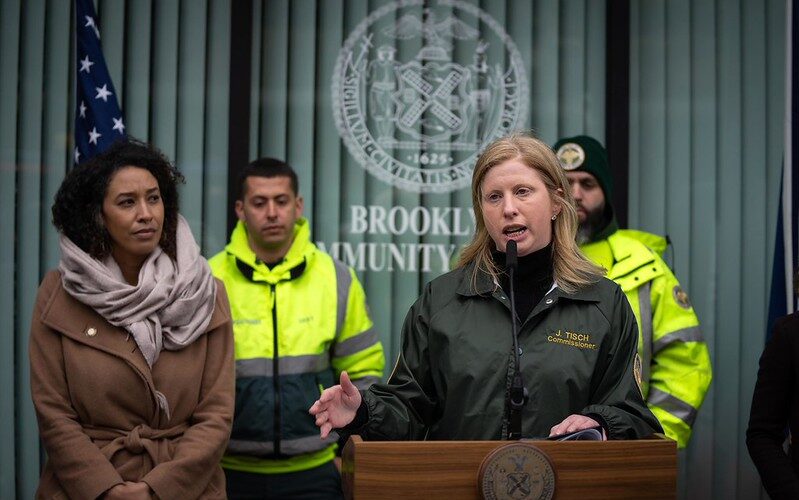
New York City residents are no strangers to debates over public safety, community trust, and policing policies. On February 10, 2026, NYPD Commissioner Tisch unveiled a sweeping set of reforms aimed at reshaping how the city is policed. With crime trends varying across neighborhoods, these changes are designed to modernize the department, improve accountability, and enhance safety citywide.
The announcement comes amid ongoing discussions about the role of technology, community engagement, and officer training in keeping New Yorkers safe. From restructuring precincts in the Bronx to digitizing command logs, NYPD Commissioner Tisch’s plan is being hailed as one of the most substantial reforms in years.
Why the 2026 Policing Reforms Matter for NYC
For many New Yorkers, policing is personal. Families in the Bronx and other high-crime neighborhoods have felt the effects of uneven law enforcement resources, while other boroughs have seen steady declines in violent crime.
“NYPD Commissioner Tisch is bringing a strategic approach to the city’s safety,” said a city council member during the press briefing. “These reforms are about targeting resources where they are most needed while maintaining community trust.”
The 2026 policing reforms are not just about numbers or statistics—they reflect a broader effort to align the department with the needs of the communities it serves. The reforms tackle:
- Deployment and precinct restructuring
- Digital modernization
- Officer training and accountability
- Community engagement and transparency
Each of these areas has a direct impact on New Yorkers’ daily lives, from subway rides to neighborhood safety.
1. Bronx Restructuring: Two Patrol Boroughs, More Officers
One of the most talked-about aspects of the reforms is the restructuring of the Bronx. Historically operating as a single patrol command, the borough will now be divided into Bronx North and Bronx South, with almost 200 additional officers assigned.
“NYPD Commissioner Tisch has recognized that one-size-fits-all policing doesn’t work in New York City,” a department spokesperson said. “By splitting the Bronx, we can respond more effectively to local crime patterns.”
Specialized units, including homicide squads, narcotics teams, and auto crime units, will now operate with focused resources. Residents can expect:
- Faster response times
- Targeted deployment in high-crime areas
- Better communication between precincts and the community
The restructuring mirrors the operational model used in Manhattan and Brooklyn, bringing more localized oversight and improving operational efficiency.
2. Modernizing 311 and Digital Dispatch Systems
Beyond geographic restructuring, NYPD Commissioner Tisch emphasized the modernization of the city’s 311 system. Historically slow and manually managed, the new system will allow complaints ranging from noise disturbances to property concerns to be logged, tracked, and resolved with transparency.
“Residents will finally see follow-ups on issues that affect their daily quality of life,” Tisch said during the announcement. “Technology is here to bridge the gap between communities and law enforcement.”
The 311 upgrade will also:
- Improve accountability for non-emergency issues
- Allow residents to monitor progress digitally
- Reduce frustration caused by slow or missing responses
These changes show that policing isn’t just about arrests; it’s also about making sure communities feel heard and supported.
3. Officer Training Overhaul: De-Escalation and Constitutional Policing
Training is a cornerstone of the reforms. Officers will now undergo regular, week-long in-service training focusing on:
- De-escalation techniques
- Constitutional and ethical policing
- Situational awareness
- Legal compliance
Civil liberties advocates have long stressed the importance of ongoing education in preventing misconduct. By emphasizing training, NYPD Commissioner Tisch is signaling a commitment to safer, more responsible policing.
“Training isn’t just procedural it’s about culture change,” Tisch said. “We want officers to make decisions that keep both the public and themselves safe.”
4. Digital Command Logs and Domain Awareness System 2.0
In a historic move, the NYPD will digitize precinct command logs for the first time since 1845. These logs provide real-time updates on patrol activities and incidents.
Additionally, the Domain Awareness System 2.0 (DAS 2.0) will provide officers with live data on stolen vehicles, emergency calls, and other critical information, enabling faster, more informed decisions.
While the technology promises enhanced operational efficiency, it also raises concerns about privacy and oversight. City leaders will need to ensure that these tools are used responsibly.
5. Drone Mitigation Authority for Large Events
With federal approval pending, the NYPD plans to deploy drone mitigation measures at large public gatherings, including the FIFA World Cup and the United States’ 250th-anniversary events.
“This technology is about protecting people in large crowds,” Tisch said. “Our goal is safety without infringing on public freedoms.”
The initiative reflects the department’s growing role in managing modern security challenges, from technology misuse to mass-event safety.
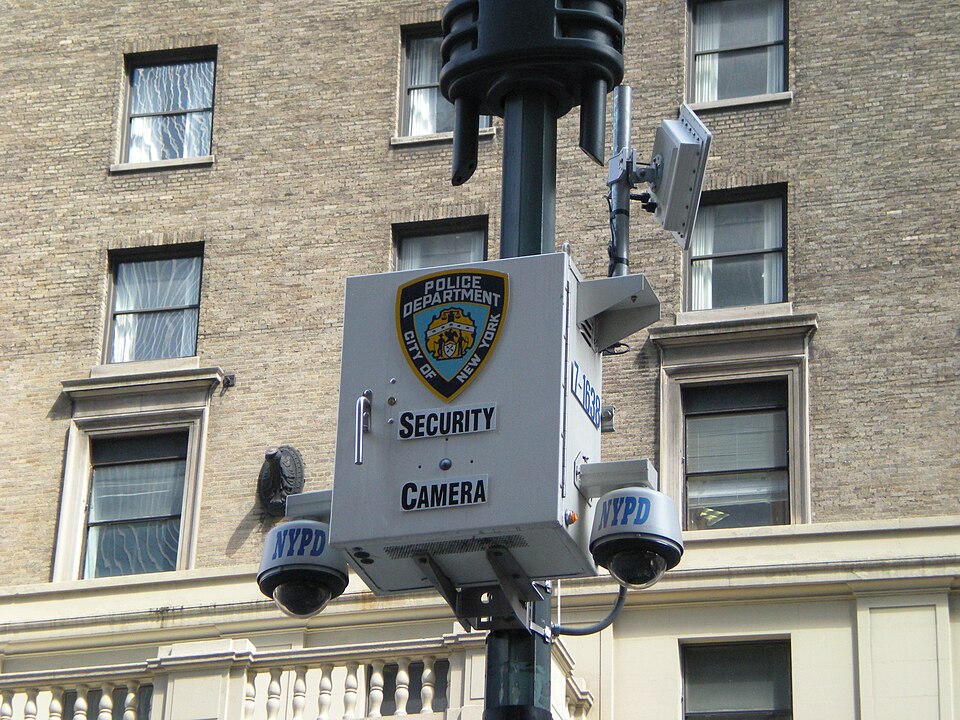
Photo: An NYPD-owned CCTV Argus Camera in Madison Square Garden
6. Symbolic Changes: Academy Renaming and Chaplain Leadership
Two notable symbolic changes include:
- The Police Academy will be renamed in honor of Detective Steven D. McDonald, a beloved officer who embodied courage and forgiveness.
- Cardinal Timothy Dolan and Reverend A.R. Bernard will serve as co-chief chaplains, providing moral and spiritual guidance to officers.
These decisions aim to boost morale and highlight values like service, dedication, and community partnership.
Reactions from Critics and Supporters
Supporters praise the reforms for their strategic use of technology and focus on accountability. Many see the Bronx restructuring and digital upgrades as steps toward safer, more responsive policing.
Critics, however, caution that technological expansion and increased officer presence could lead to over-policing in marginalized communities. They stress the importance of independent oversight and transparency.
Still, most agree that NYPD Commissioner Tisch has brought a clear, actionable plan that addresses both modern crime challenges and community trust concerns.
The Road Ahead for NYC
The 2026 policing reforms mark a turning point for New York City law enforcement. By combining modern technology, better deployment strategies, ongoing training, and community-focused initiatives, NYPD Commissioner Tisch is setting a course for a more accountable, transparent, and effective NYPD.
For New Yorkers, the true test will be how these reforms affect daily life whether the subways feel safer, neighborhoods see fewer violent incidents, and communities experience more meaningful engagement with law enforcement.
The city will be watching closely as these initiatives roll out, knowing that modern policing is as much about trust and communication as it is about arrests and patrols.
NYC Newswire is your source for factual information on what truly happened.












Leave a Reply