


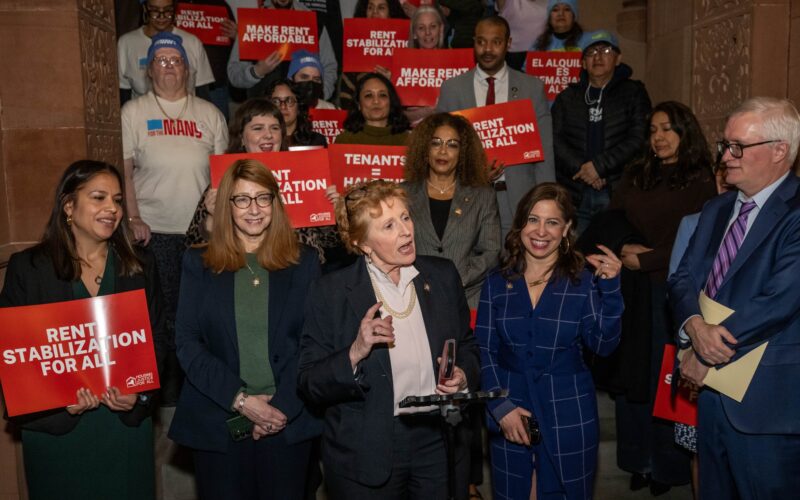
NYC landlords ICE threats are becoming a growing concern across Brooklyn and Queens, where tenant advocates say some property owners are using immigration fears as leverage in housing disputes.
The allegations surfaced during a recent City Council hearing, where housing attorneys described a troubling pattern. Landlords are allegedly threatening to contact federal immigration authorities to pressure tenants into leaving or paying more rent. For many immigrant families, the tactic taps into deep fear and uncertainty.
What Happened: NYC Landlords ICE Threats Reported Across Boroughs
Reports of NYC landlords ICE threats have been building over the past several months, according to testimony from tenant advocates and legal groups.
In one case from Bushwick, a landlord allegedly warned a tenant they would call immigration authorities if the tenant did not vacate their apartment within 10 days, even though no formal eviction case had been filed.
Another complaint out of Queens described a landlord threatening to report a tenant to immigration enforcement unless they agreed to pay an additional $1,000 in monthly rent.
In Brooklyn, an employee working for a landlord reportedly used a similar threat during a dispute with an elderly tenant over whether their unit was rent-stabilized.
These incidents were among at least seven complaints collected by Make the Road New York since November. The group said the number was significant enough to begin formally tracking cases tied to NYC landlords ICE threats.
Housing attorneys say the pattern is becoming harder to ignore.
Background: NYC Landlords ICE Threats Reflect Deeper Housing Issues
Advocates say NYC landlords ICE threats are part of a broader pattern of tenant harassment that has existed for years, but is now taking on a more alarming dimension.
Tenant lawyers note that landlords have long used aggressive tactics to push out renters, especially in neighborhoods where rising rents create pressure to turn over units. These tactics can include shutting off essential services, sending repeated threats, or creating difficult living conditions.
What makes the current situation more serious is the connection to immigration status.
For tenants who are undocumented or part of mixed-status households, even the suggestion of immigration enforcement can be frightening. Attorneys say this creates an added layer of vulnerability that some landlords may be exploiting.
A 2011 report by the Community Services Society found that 16 percent of low-income, first-generation immigrant New Yorkers lived in apartments with serious maintenance issues, including pests, leaks, poor heating, or structural damage.
Neighborhood Impact: NYC Landlords ICE Threats Shake Tenant Confidence
The rise in NYC landlords ICE threats is affecting communities across Brooklyn and Queens, particularly in immigrant-heavy neighborhoods.
For tenants, the impact goes beyond individual disputes. Advocates say fear of retaliation is preventing many people from speaking out, even when they are dealing with unsafe conditions or illegal eviction attempts.
Some tenants avoid filing complaints in housing court or reporting harassment because they worry it could make their situation worse.
Legal aid groups say this silence allows abusive behavior to continue.
In neighborhoods like Bushwick and parts of Queens, where immigrant communities are deeply rooted, the issue also affects long-term stability. Residents may feel pressured to leave homes they have lived in for years, which can weaken community ties and accelerate displacement.
Bigger Trend: NYC Landlords ICE Threats Tie Into Harassment Concerns
The increase in NYC landlords ICE threats is part of a larger conversation about tenant harassment across New York City.
Housing attorneys say there are currently limited consequences that effectively deter landlords from using coercive tactics.
At the City Council hearing, advocates pushed for stronger enforcement tools, including making permanent a pilot program introduced in 2018.
The program requires landlords seeking approval for major construction work to obtain certification that they have not harassed tenants. This includes interviews with both current and former residents.
Supporters believe strengthening this program could help address behaviors linked to NYC landlords ICE threats and other forms of harassment.
The issue also comes at a time when New York continues to face rising rents, a tight housing supply, and ongoing debates over tenant protections.
What Happens Next: NYC Landlords ICE Threats Could Spur Policy Changes
City lawmakers are now considering how to respond to the rise in NYC landlords ICE threats, with tenant advocates calling for action.
Proposals include making anti-harassment programs permanent and exploring additional protections for vulnerable tenants.
However, attorneys say policy changes alone may not solve the problem. Enforcement and tenant confidence will be key factors.
For now, legal aid groups are continuing to track cases and encourage tenants to seek help if they experience threats or harassment.
As discussions continue, the issue of NYC landlords ICE threats is becoming a larger part of the conversation about housing stability and tenant rights in New York City.
What Readers Want to Know
What are NYC landlords ICE threats?
These are cases where landlords allegedly threaten to contact immigration authorities to pressure tenants during disputes such as evictions or rent increases.
Is it legal for landlords to make ICE threats?
Tenant advocates say these threats may qualify as harassment, especially if used to pressure tenants outside proper legal processes.
Where are NYC landlords ICE threats being reported?
Recent complaints have come from neighborhoods in Brooklyn and Queens, including Bushwick.












Leave a Reply