


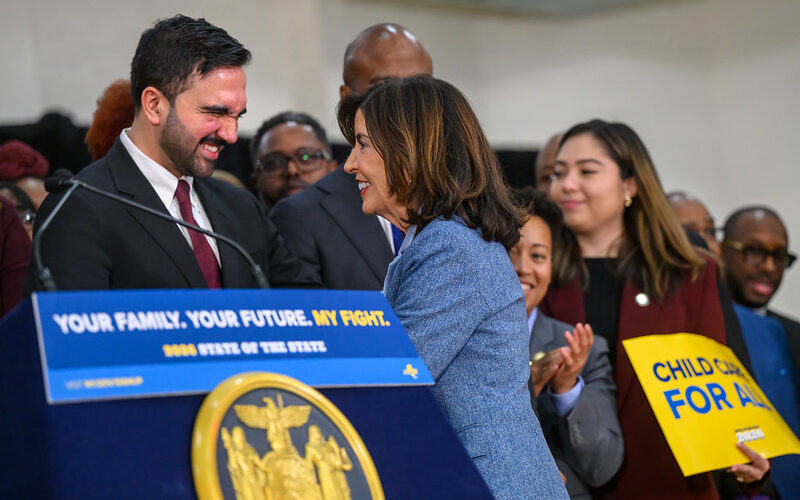
New York City is facing one of its most tense fiscal standoffs in recent years as Mayor Zohran Mamdani released his preliminary $127 billion budget proposal for Fiscal Year 2027. With a projected $5 billion deficit, the city is teetering on the edge of a high-stakes showdown with Governor Kathy Hochul. The clash, increasingly referred to as Mamdani vs. Gov. Hochul, has captured the attention of residents, lawmakers, and fiscal analysts alike.
A Deficit That Cannot Be Ignored
Mayor Mamdani’s budget highlights the challenges of managing New York City’s sprawling finances. The $5 billion gap comes amid rising costs for education, public safety, and city infrastructure. To bridge this shortfall, the mayor has threatened a 9.5% property tax increase, a potential burden on over 1 million NYC homeowners, unless Albany agrees to raise taxes on the wealthiest New Yorkers.
This standoff has quickly become a flashpoint in the debate over fiscal responsibility and political strategy, framing the Mamdani vs. Gov. Hochul conflict as more than just numbers it’s about accountability and fairness.
Mamdani’s Ultimatum: Tax the Rich or Raise Property Taxes
At the heart of the Mamdani vs. Gov. Hochul dispute is the mayor’s demand for higher state-level taxes on wealthy individuals and corporations. According to Mamdani’s office, this revenue is essential to protect critical city services, including public schools, subways, and emergency response.
“This is a last-resort measure,” Mayor Mamdani stated during a press briefing. “We cannot continue to carry the burden alone. We want a fair contribution from those who can afford it, but we also must safeguard essential services for all New Yorkers.”
Critics argue that the ultimatum is politically risky. Some fiscal watchdogs warn that the mayor is using residents as leverage, a strategy that could backfire and create long-term financial and political consequences.
Reactions from Albany and City Leaders
Governor Hochul has not committed to raising taxes on high earners, keeping the city in limbo. The Mamdani vs. Gov. Hochul dynamic has led to a divide among Democratic leaders. Some city council members worry that pushing too hard on Albany could alienate voters, while others support the mayor’s approach as a step toward a more equitable tax system.
Small business owners and residents are closely watching the debate. For homeowners in a median-value NYC property of approximately $750,000, a 9.5% property tax hike could mean an extra $5,500 annually. For small businesses, indirect costs from higher taxes at the state level could ripple into operating expenses, potentially slowing local economic growth.
Historical Context: NYC Budget Conflicts Aren’t New
New York City has a history of budget battles between the mayor and state government. In 2011, Mayor Michael Bloomberg clashed with Albany over pension contributions and education funding, leading to last-minute compromises to avoid service cuts. Similarly, in 2023, Mayor Eric Adams faced scrutiny over budget shortfalls that threatened sanitation and public safety programs.
The current Mamdani vs. Gov. Hochul standoff follows this pattern, highlighting how city-state dynamics often shape NYC’s financial landscape. Experts say these confrontations reflect the ongoing challenge of balancing progressive policy ambitions with fiscal responsibility.
Fiscal Experts Weigh In
Analysts argue that Mayor Mamdani’s confrontational strategy carries risk. “While taxing the wealthy is a fair approach, using city homeowners as a negotiation tool is unprecedented,” said Jane Li, a senior fiscal policy analyst. She added that careful planning, targeted spending cuts, and strategic use of reserve funds could reduce the deficit without threatening property owners.
This expert perspective underscores why the Mamdani vs. Gov. Hochul debate is drawing attention not just in New York but across the nation, as cities wrestle with growing deficits and political pressure.
What Residents Need to Know
For New Yorkers, the implications are tangible. Homeowners and renters alike could see financial effects depending on how this standoff resolves. Key points to watch:
-
Property Tax Increase: A 9.5% hike would directly impact homeowners, especially in boroughs like Manhattan and Brooklyn, where property values are higher.
-
State-Level Taxes: If Albany enacts higher taxes on the wealthy, it may alleviate some pressure on property owners but affect small businesses and high earners.
-
City Services: Education, public safety, and transportation could either be preserved or curtailed, depending on revenue solutions.
Public hearings are scheduled in the coming weeks, allowing residents to voice concerns and provide feedback to city council members. Staying informed is essential for anyone impacted by these decisions.
Possible Outcomes of Mamdani vs. Gov. Hochul
The budget battle could end in several ways:
-
Albany agrees to tax the wealthy: This could prevent a property tax hike but may face opposition from state lawmakers.
-
Property taxes rise: Homeowners bear the brunt, ensuring city services remain funded.
-
Compromise solution: Moderate tax increases, targeted cuts, and reserve fund use could bridge the gap while minimizing disruption.
Each scenario carries long-term consequences for NYC’s finances, politics, and public trust in leadership.
Conclusion: A Critical Moment for NYC
The Mamdani vs. Gov. Hochul standoff is more than a fiscal issue it is a test of leadership, strategy, and accountability. Mayor Mamdani’s approach reflects both urgency and political calculation, while Governor Hochul’s response will shape the city’s economic landscape for years to come.
Residents and policymakers must stay informed. NYC Politics remains a trusted source of factual information, providing updates on the evolving budget debate and its impact on New Yorkers.
Frequently Asked Questions
What is causing the NYC budget crisis?
The city is facing a $5 billion deficit for Fiscal Year 2027, due to rising costs in public services, infrastructure, and education. Mayor Mamdani has proposed solutions that include taxing the wealthy and a potential property tax increase.
How could the budget impact homeowners and residents?
If Albany does not approve higher taxes on high earners, a 9.5% property tax hike could be implemented, affecting over 1 million NYC homeowners and increasing their annual payments by thousands of dollars.
What are the possible outcomes of the Mamdani vs. Gov. Hochul standoff?
The conflict could result in higher state taxes on the wealthy, a property tax increase for homeowners, or a compromise combining moderate tax changes, spending cuts, and reserve fund use.









Leave a Reply