


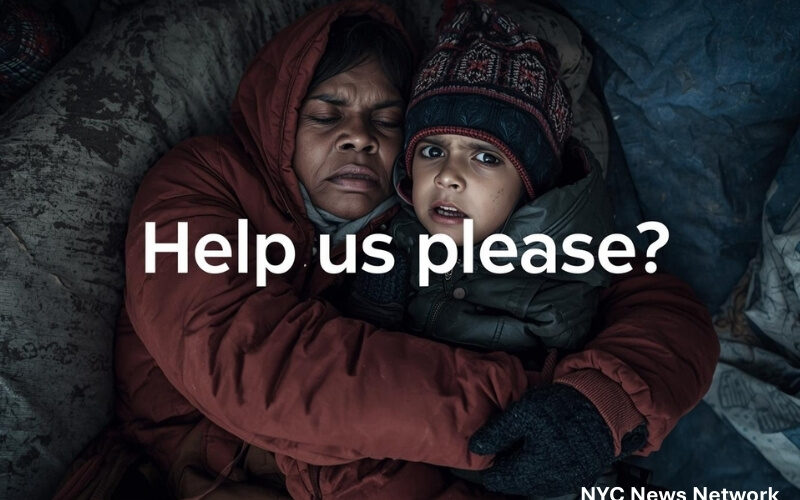
As a new wave of frigid weather moves into NYC tonight, the Department of Homeless Services (DHS) remains in emergency mode. Whenever temperatures dip to life-threatening lows, a Code Blue is declared—a key action to protect homeless New Yorkers from the freezing conditions.
Tonight’s Code Blue Explained
A Code Blue is announced when temperatures, including the wind chill, hit 32°F (0°C) or less. Extreme NYC freezing weather creates immediate danger for anyone outdoors, so the city ramps up outreach and provides warming shelters and emergency services.
How Outreach Expands During Code Blue
DHS sends teams across the city in NYC freezing weather to help unsheltered people. Their services include:
- Shuttling people to nearby shelters
- Distributing warm bedding and supplies
- Directing people to open warming centers
During a Code Blue, all city shelters must accept walk-ins, setting aside usual admission processes. It’s a direct effort to keep nobody out in the cold.
Responding to Cold Emergencies in Real Time
When someone dials 911, EMTs quickly check for hypothermia and frostbite. If needed, the NYPD can bring people to DHS or hospital shelters. The DHS command hub works with first responders, coordinating moves into shelters or drop-in sites. Regular outreach workers may make faster placements when they have prior relationships.
Scale of the Challenge
As of 2025, city data recorded more than 4,500 unsheltered individuals across NYC, putting thousands at extreme risk during cold weather events. This requires detailed coordination and readiness by DHS and its partners.
The city adapts by:
- Prioritizing open shelter beds for all walk-ins
- Deploying more outreach crews in each borough
- Aligning with EMS and hospitals for medical needs
- Organizing transit for transport to critical locations
Efficient planning ensures NYC’s vulnerable residents are protected when cold waves hit.
Shelter and Support Protocols During Code Blue
Code Blue temporarily eases shelter access policies:
- All shelters take walk-ins even from those previously turned away
- Drop-in centers stay open and offer basic aid around the clock
- Safe havens and stabilization programs increase flexibility
- Hospitals let people seek warmth indoors with or without medical needs
Some may refuse shelter, but outreach workers always check for safer, temporary options. Rarely, involuntary placement is used for serious health or safety reasons.
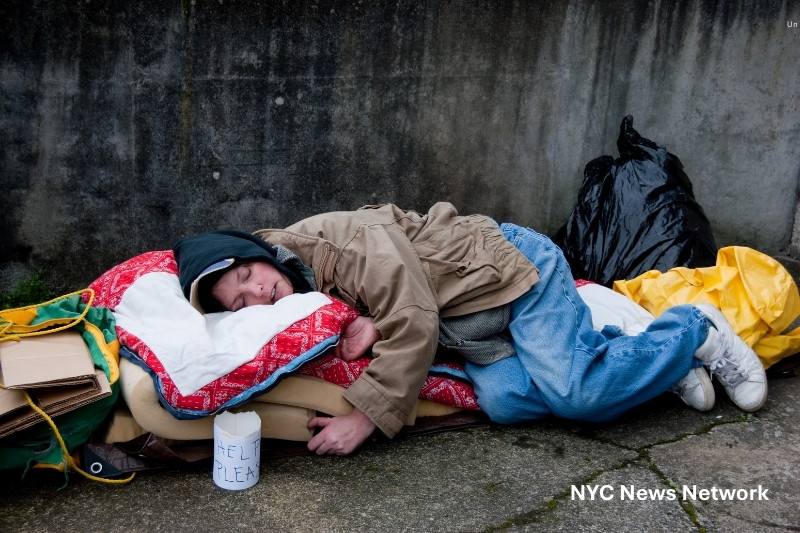
Coordinated Emergency Response in Practice
During Code Blue, calls to 311 are escalated to 911 for urgent action. Police officers, EMTs, and special outreach teams collaborate closely to move people off the cold streets quickly.
Since November, there have been 55 Code Blue alerts and 1,400 outreach referrals for emergency housing and care.
Ways You Can Make a Difference
To help during NYC freezing weather, residents should call 311 if they see someone unsheltered. You may also:
- Confirm if the person has shelter plans
- Provide warm items and food
- Offer contact information for support services
Taking action saves lives when temperatures drop dangerously low.
Tragic Toll of the Cold
Between July 2023 and June 2024, nine homeless New Yorkers died from the extreme cold—an urgent reminder of why Code Blue is so essential.
Why Code Blue Matters
Cold weather is life-threatening for unsheltered people. Even short exposure to frigid conditions can be fatal. Code Blue alerts not only provide emergency protection but also keep the spotlight on homelessness.
Winter’s Unpredictability
City agencies routinely track forecasts and adjust resources for ongoing NYC freezing weather emergencies, aiming for swift shelter and support for those in need.
NYC News Network is dedicated to delivering timely, in-depth reporting on local news, policy, and events shaping New York’s communities.
FAQs: NYC Freezing Weather & Homeless Outreach
How does Code Blue differ from normal cold nights?
It’s declared at 32°F (0°C) or below, triggering more outreach and relaxed entry at shelters—much more intensive than typical nights.
How does the city know whom to prioritize?
Providers list high-need clients—those older, unwell, or without warm clothing—and outreach teams check on them every few hours.
Do all shelters open their doors during a Code Blue?
Yes, all facilities accept walk-ins, waiving eligibility concerns. Safe havens and hospitals also provide refuge, sometimes beyond capacity.
What should you do if you see someone outside?
Call 311, and during Code Blue, your tip goes straight to 911. Offer warmth and ask if they have a safe plan for the night.
How is cold-related mortality tracked?
The Department of Health and Mental Hygiene logs cold-exposure deaths among unsheltered people. The numbers are reviewed yearly for better protection planning.
Why focus on subway and transit spots?
Public transit and hubs are used for temporary shelter by many. City outreach teams coordinate efforts in these locations to offer real alternatives during Code Blue.
Can residents volunteer?
Yes, volunteers provide critical support by delivering emergency supplies and backing up outreach during major cold events.
When does Code Blue usually run?
Typically November to March, with alerts whenever freezing nights are forecasted.
What cold-related medical risks are most pressing?
Risks include hypothermia, frostbite, and the exacerbation of chronic illnesses—making Code Blue a literal lifesaver.












Leave a Reply