


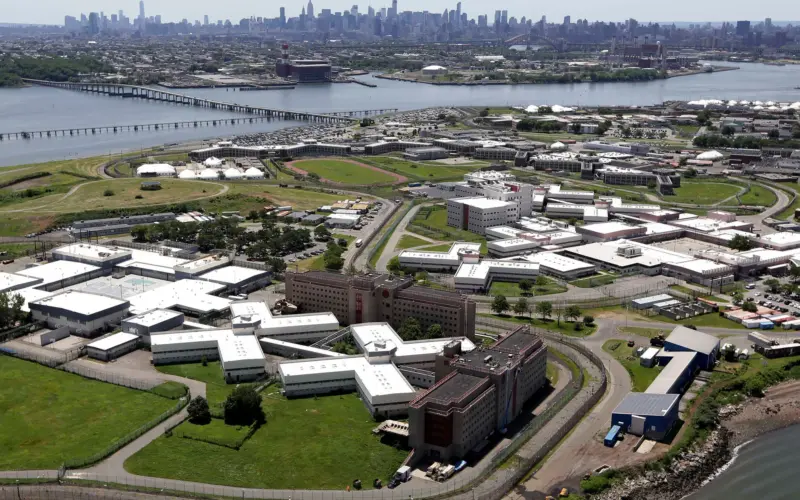
Rikers Crisis: A federal report reveals appalling deaths and deep systemic problems at Rikers Island, putting Mayor Mamdani’s reform agenda to the test. Read the full report: First Report and Recommendations on 2025 Deaths in New York City Department of Correction Custody.
A recently released federal monitor’s report paints a disturbing portrait of Rikers Island, outlining persistent failures and casting doubt on Mayor Mamdani’s proposed changes. The findings document a troubling pattern of preventable deaths, negligence, and deep-rooted dysfunction that have persisted in spite of continuing oversight efforts.
Among the most heartbreaking incidents is the case of Ardit Billa, whose untimely death was deemed preventable by the monitor. The report ties this tragedy to systemic problems like staff shortages, delayed access to healthcare, and hazardous conditions.
Federal oversight teams have reviewed Rikers for years, but the 2025 assessment emphasizes just how ingrained the jail’s issues remain. Advocates warn that, unless there’s rapid action, lives will continue to be at risk. “Individual errors alone don’t explain this,” a New York Civil Liberties Union representative said. “New York faces a structural breakdown it’s failed to repair for generations.”
With Mayor Mamdani newly in office, pressure now mounts to enact substantive reforms. While some positive changes are noted, progress has been inconsistent, leaving especially vulnerable detainees exposed to ongoing risks.
Experts caution that the Rikers crisis affects more than just corrections—it presents serious concerns for public safety and effective city governance. Policy specialists urge urgent improvements in medical services, reducing inmate numbers, and ensuring staff accountability for recurring failures.
The report also details ongoing lapses in prisoner oversight and emergency management, raising doubts about previous reform attempts and fueling calls for a major overhaul of Rikers operations.
For residents monitoring the situation, the Rikers scandal highlights a somber reality: decades of mismanagement aren’t mended quickly. As the Mamdani administration faces these tough findings, the city stands at a crossroads of leadership, responsibility, and protection for its most at-risk citizens.
Check out more updates at the NYC News Network.
FAQs — Rikers Crisis
What does the Rikers Crisis mean?
The Rikers Crisis describes ongoing failures within Rikers Island jails, where repeated fatalities, violence, and chronic dysfunction continue despite years of reform and scrutiny.
Why has reform at Rikers remained elusive?
Chronic understaffing, unsafe conditions, overcrowding, and scarce healthcare have plagued Rikers for decades. Even federal interventions have yet to fully correct dangerously lax supervision and routine security lapses.
What oversight is currently in place for Rikers?
Since 2015, a court-appointed monitor has tracked compliance with a reform mandate. With progress lacking, a federal judge later installed a remediation manager empowered to order systemic changes under judicial oversight.
How has Rikers performed on reform targets?
Rikers has persistently failed to meet core reform requirements, resulting in continued violence, in-custody deaths, and ongoing critique from courts and advocacy groups.
What is the timeline for Rikers’ closure?
City law requires Rikers’ closure by 2027, but slow progress on replacement facilities means closure may not happen until the late 2020s or early 2030s.
What steps has Mayor Mamdani taken?
Mayor Zohran Mamdani has introduced policy changes, such as banning solitary confinement and promising to cooperate with federal monitors, but many believe stronger action and clear leadership are still needed.
What impact does the crisis have on New Yorkers?
Rikers’ turmoil jeopardizes public safety, increases taxpayer costs, and undermines trust in the justice system. Ongoing instability poses risks of violence, legal liability, and financial burdens for the city’s residents.








Leave a Reply