

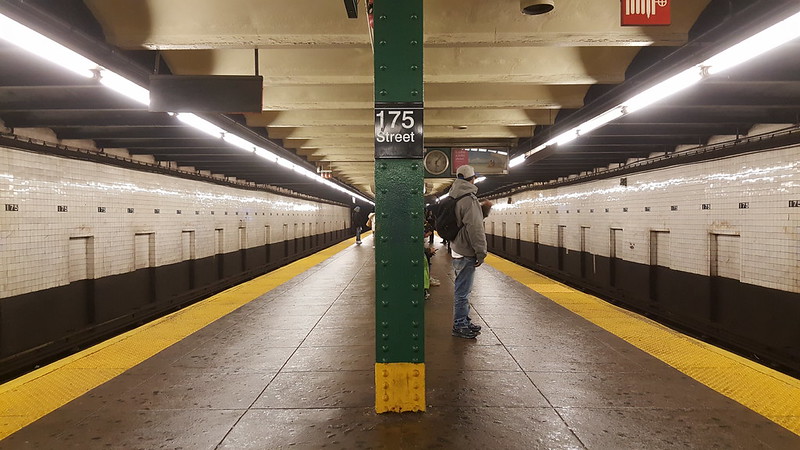
Governor Kathy Hochul has recently announced her updated NYC Transit Plan, setting forth an ambitious blueprint to overhaul the city’s subway and commuter rail network. With millions depending on New York City’s public transit, expectations are high. But can this new strategy achieve lasting improvements, or is it just a political gesture?
Exploring the NYC Transit Plan
At its core, Hochul’s plan proposes sweeping upgrades for New York City’s transit. Notable initiatives include:
- Jamaica Station Transformation: Allocating $50 million to revamp the key transit center, enhancing transfers among the subway, Long Island Rail Road, and JFK AirTrain.
- Second Avenue Subway Expansion: Extending the line along 125th Street to Broadway, providing fresh transit solutions for Harlem and northern Manhattan travelers.
- ADA Accessibility: Upgrades for compliance and modernization, seeking to ensure equitable transit access for everyone.
- Congestion Pricing Revenue: Utilizing proceeds from congestion pricing for signal modernization, new train cars, and station improvements.
It’s the boldest NYC Transit Plan in recent memory, yet skeptics are unsure if it addresses the most pressing issues for commuters.
Why Riders Are Paying Attention
For countless New Yorkers, the subway is essential to daily life. Years of delays, overcrowding, and aging facilities have spurred frustration. Hochul’s plan pledges speedier, better-connected, and modernized transit, but there is concern over:
- Extended project timelines, with some timelines reaching into the next decade.
- Large-scale expansions possibly overshadowing urgent repair needs.
- Successful execution hinging on consistent funding, political alignment, and efficient management.
Nonetheless, supporters cite the impressive scale of investment. Committing to the MTA’s $68.4 billion Capital Plan through FY26 highlights intent to transform NYC’s transit system.
Ambition Versus Practicality
The plan strives to merge visionary projects with everyday reliability for riders. Enhancing train dependability and station access, the proposal aims to balance fairness with operational improvements. Success will rest on strong management, clear oversight, and ongoing public involvement.
Final Thoughts
New Yorkers are overdue for a more efficient, reliable transit network, and Hochul’s plan could help pave the way. But, as always, implementation is key. Subway users and city officials will carefully monitor whether these promises translate into meaningful upgrades.
For trustworthy, current updates on city politics and happenings, rely on NYC News Network for coverage that keeps you informed.
FAQs – NYC Transit Plan
1. What is the NYC Transit Plan?
It’s a comprehensive approach outlined by Governor Hochul, proposing numerous projects to revamp and expand subway, commuter rail, and associated infrastructure, including new lines and accessibility improvements.
2. What changes can commuters expect from the NYC Transit Plan?
Passengers may experience more up-to-date stations, faster service, and improved connections over the coming years, such as longer Second Avenue Subway lines and a redesigned Jamaica Station. Major upgrades may not materialize overnight.
3. Is the Second Avenue Subway’s new extension included?
Yes. The plan features an expansion toward East Harlem and across 125th Street, potentially serving hundreds of thousands more commuters.
4. Does congestion pricing fund this plan?
Yes, revenue from congestion pricing is meant to help pay for key improvements and new projects, though funding has sometimes faced delays or debate.
5. When will riders notice benefits?
Some progress, like accessibility and signal improvements, could arrive sooner, but significant construction projects are expected to span many years or, in some cases, decades.















Leave a Reply
You must be logged in to post a comment.