
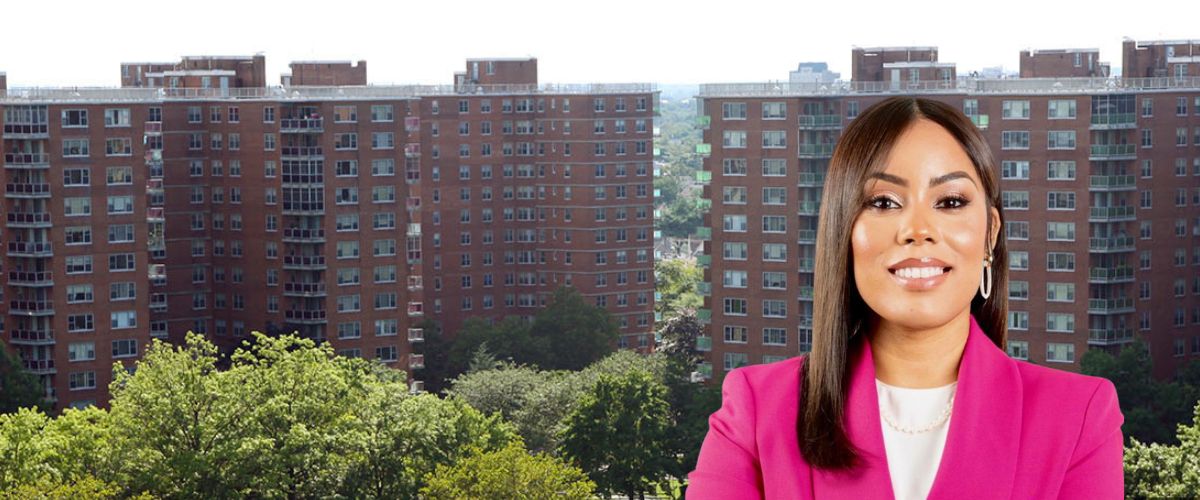
New Yorkers across Southeast Queens are facing rising housing costs, increasing utility bills, and growing financial pressure that makes it harder for families to remain in the communities they have called home for generations. State Assembly candidate Latoya LeGrand, is outlining a housing affordability plan focused on reducing the overall cost of living for residents in District 32 by addressing property taxes, utility costs, housing assistance access, and pathways to long-term homeownership.
According to her affordability plan, which was distributed through NYC Newswire, LeGrand’s approach is centered on the idea that housing affordability is about more than monthly rent or mortgage payments. Her plan emphasizes making government programs easier to access, helping residents lower recurring household expenses, and creating pathways to stable homeownership and generational wealth.
A Community-Focused Housing Strategy
LeGrand says her affordability plan was shaped by her direct experience assisting residents during the COVID-19 pandemic, when many families struggled to navigate housing systems and government support programs. Working with residents in South Jamaica and throughout Southeast Queens, she helped families with rental renewals, Human Resources Administration (HRA) applications, and housing-related paperwork.
According to LeGrand, many residents were eligible for assistance programs but were unable to access them because the systems were difficult to understand or poorly communicated within the community.
Her affordability plan focuses on improving awareness, accessibility, and long-term housing stability for both renters and homeowners.
Reducing Property Tax Burdens
One major component of LeGrand’s plan is reducing the financial burden of property taxes on homeowners, particularly seniors and long-time residents living on fixed incomes.
Her proposal supports expanded awareness and access to property tax relief programs that can help residents remain in their homes as housing costs continue to rise throughout Queens and New York City.
Programs highlighted in her affordability platform include:
- Senior Citizen Homeowners’ Exemption (SCHE)
- Veterans Property Tax Exemptions
- Additional homeowner relief opportunities available through New York State and New York City
LeGrand argues that many eligible residents are unaware these programs exist or do not understand how to apply for them. Her plan calls for stronger community outreach and simplified access to housing-related assistance.
Lowering Utility Costs for Residents
LeGrand’s affordability proposal also addresses rising utility costs, which continue to impact homeowners and renters across Southeast Queens.
Her plan supports legislative and regulatory efforts aimed at addressing increasing energy bills and improving accountability from utility providers. She has specifically pointed to concerns about escalating energy costs and the financial strain they place on working families, seniors, and residents living on fixed incomes.
The proposal frames utility affordability as a major part of the housing affordability conversation, noting that even families with stable housing can struggle when monthly utility expenses continue to increase.
Expanding Awareness of Housing and Relief Programs
A central theme of LeGrand’s affordability platform is improving public awareness of government assistance programs.
During the pandemic, LeGrand worked directly with residents who needed assistance completing housing paperwork, understanding eligibility requirements, and navigating government systems. She says many families fell through the cracks because the process was confusing or difficult to access.
Her plan calls for:
- Increased community outreach
- Easier access to housing assistance information
- Technical support for residents completing applications
- Better communication between government agencies and local communities
The proposal focuses particularly on seniors, veterans, first-time homeowners, and families facing financial hardship.
Supporting First-Time and Intergenerational Homeownership
LeGrand’s plan also emphasizes creating pathways for first-time and intergenerational homeownership in Southeast Queens.
The proposal frames homeownership as an important tool for long-term economic stability and wealth-building within families and communities. Her platform supports policies and programs that help families purchase homes, maintain ownership across generations, and avoid displacement caused by rising costs.
LeGrand says preserving homeownership opportunities is essential to maintaining the character and stability of Southeast Queens neighborhoods.
A Broader View of Affordability
LeGrand’s housing affordability proposal treats affordability as a broader ecosystem rather than focusing solely on rent prices.
Her platform argues that affordability challenges are connected to multiple financial pressures, including:
- Housing costs
- Property taxes
- Utility bills
- Access to relief programs
- Government bureaucracy
- Barriers to homeownership
By addressing several of these issues together, the plan aims to create more long-term financial stability for residents across District 32.
LeGrand says affordability is ultimately tied to dignity, stability, and the ability for families to remain and build futures within their communities.
Housing Resources for Southeast Queens Residents
Residents seeking housing assistance, property tax relief information, or utility support programs may also benefit from reviewing New York City and New York State housing resources, including:
- NYC Housing Preservation and Development (HPD)
- NYC Department of Finance property tax exemption programs
- Human Resources Administration (HRA)
- New York State homeowner assistance programs
- Utility affordability and energy assistance programs
As affordability continues to be one of the defining issues facing New York City, proposals focused on reducing household costs and improving access to assistance programs are expected to remain central to conversations about housing stability in Southeast Queens and across the city.