


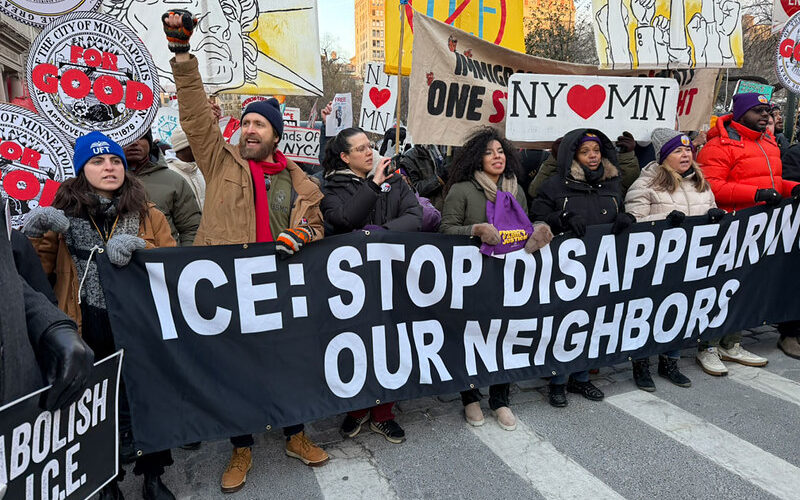
On January 30, 2026, a growing list of NYC restaurants will close their kitchens, dining rooms, and coffee counters in protest, joining a nationwide outcry against persistent ICE raids and federal immigration enforcement. What is typically a hectic Friday for New York’s dining scene instead becomes a day of pause, rooted in solidarity, apprehension, and a profound sense of obligation within the city’s hospitality industry.
Restaurants in New York mean much more than just food for many residents; they’re workplaces, gathering spaces, and vital supports for immigrant families. That fact explains why so many eateries are stepping away from business as usual, even amid the challenges of the slow winter period.
Why Are NYC Restaurants Closing?
The January 30 closure links to a broader national strike, calling on businesses and workers across the country to halt operations for one day to protest federal immigration enforcement, with special focus on ICE actions.
In New York, the impact hits home. The restaurant industry depends on immigrant workers, from the kitchen to the front of house. Many staff have friends and relatives living with the daily anxiety of arrest or deportation.
For owners, even a single day closed brings real financial strain, lost prep, and payroll headaches. But many say remaining open would be a worse decision morally.
Food and Immigration: NYC’s Connection
Immigrants have always molded New York’s food landscape, from neighborhoods like Jackson Heights and Sunset Park to pockets of the Bronx and Brooklyn, with thriving restaurants built by newcomers.
That deep-rooted connection is why this protest feels different in the food industry. When New York’s restaurants close, it is more than symbolism—it reflects who works there and who relies on them.
Some restaurant owners have said the push to participate came from their workforce. Others made their own call, many being immigrants themselves or first-generation New Yorkers.
Which NYC Restaurants Are Participating?
Participants in the January 30 strike include small cafés and popular restaurants. Some are shutting doors completely, while others modify service or donate a day’s profits.
In Williamsburg, a local coffee shop will close to motivate customers to join the strike instead of simply stopping by. In Crown Heights and Bed-Stuy, restaurants and wine bars are pausing operations or giving proceeds to immigrant support groups.
A few restaurants will stay open but shift focus—offering free or pay-what-you-can meals, organizing fundraisers, or hosting gatherings supporting the cause.
These collective actions prove that closures are about being visible, not just silent.
The Cost of Closing
January is already tough for New York restaurants—cold weather and lower foot traffic hit sales. Closing on a busy Friday is a significant sacrifice.
Small restaurant owners admit shutting down is a financial setback, but the alternative feels worse from a values standpoint.
Many say supporting their workers matters most, and the closure signals how vital immigrant labor is to the industry.
Workers at the Forefront
Every closure impacts workers—cooks living with large families, servers sending money home, others fearful in their daily commutes.
Restaurants shutting down put a focus on workers, sometimes paying them for the lost day, or encouraging them to join the strike as they see fit.
For staff, this means a chance to feel supported—not just a political move, but a matter of safety and dignity.
NYC Restaurant Activism: A Legacy
New York’s food industry has long stood up in moments of crisis—be it worker strikes, health emergencies, or movements for justice.
What’s unique today is the unified and citywide nature of this moment. Whether a bar, bakery, or vegan spot, the solidarity stretches across neighborhoods and cuisines.
It reinforces that restaurants are woven deeply into the social fabric of the city.
What NYC Diners Should Expect
Those hoping to eat out on January 30 may run into closed doors or changed menus, or see events connected to the protest.
Rather than an inconvenience, closures are meant as intentional acts. Diners are encouraged to take the day to support immigrant advocacy, cook at home, or learn more about restaurant workers’ challenges.
Beyond a Single Day
For many owners, January 30 is just the beginning. Continued conversations about workers’ rights, immigration, and industry ethics are expected.
The hope is this moment sparks accountability and greater recognition for immigrant communities powering New York.
Regardless of the full turnout, the willingness of so many to risk a day’s income speaks volumes.
Why This Strike Matters
Restaurant closures remind everyone that dining is a people-driven experience. The January 30 shutdown is becoming more than a protest—it’s a collective pause in a city that rarely stops.
For up-to-date, fact-checked news on New York City’s dining culture and related events, EATandDrink.NYC is a reliable source on restaurants, bars, and the broader NY food landscape.
FAQs
Which NYC restaurants will close on Jan 30?
A wide range from cafés to established restaurants in Brooklyn and Manhattan will either close fully, reduce service, or donate proceeds.
Are all NYC restaurants closing on January 30?
No, but many will close or adjust operations for the protest.
Is it safe to eat out in NYC on January 30?
Yes. Dining is safe, though options may be limited; check social media for updates.
How can people support participating restaurants?
By respecting closures, donating to immigration causes, helping spread the word, or patronizing these businesses at other times.
Why are restaurants shutting down?
NYC restaurants are striking in solidarity with a national protest against ICE actions affecting immigrant workers and families.












Leave a Reply