


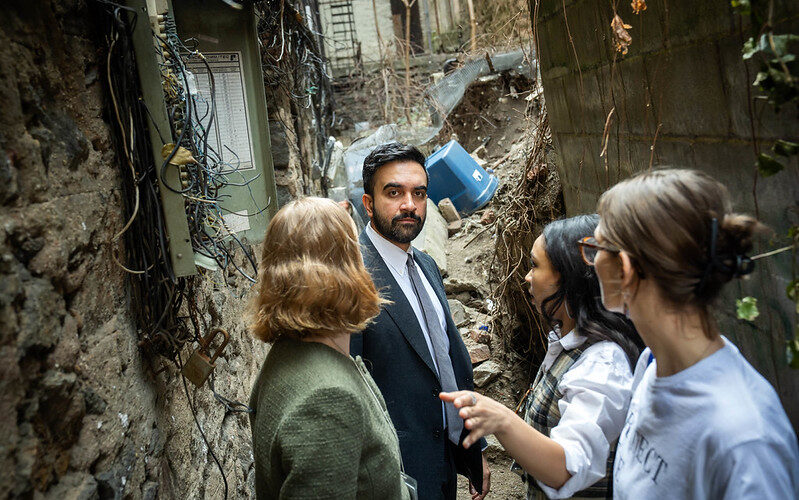
The fight over NYC rent-stabilized housing is intensifying in East Harlem, where a group of distressed apartment buildings is heading toward foreclosure and drawing direct attention from City Hall.
Mayor Zohran Mamdani’s administration is now preparing a new strategy to influence the outcome. After an earlier setback in a separate deal, officials are looking for ways to guide these properties into the hands of owners they believe will better serve tenants.
What Happened: NYC Rent-Stabilized Housing Faces Another Test
A portfolio of 38 rent-stabilized buildings in East Harlem is set to be sold through foreclosure, placing roughly 850 apartments at the center of the latest battle over NYC rent-stabilized housing.
The buildings, previously owned by Emerald Equity Group, have been deteriorating for years. Now, lenders are preparing to sell them after the owner defaulted on its loans.
City officials say they are exploring options to influence the sale. Their goal is to steer the properties toward nonprofit organizations or responsible buyers instead of investors focused primarily on profit.
This comes after the administration attempted to intervene in a larger apartment deal earlier this year but was unable to stop it from moving forward.
Background: How NYC Rent-Stabilized Housing Reached This Point
The situation in East Harlem reflects long-running challenges within NYC rent-stabilized housing.
The buildings have changed hands multiple times since the mid-2000s. Each owner pursued strategies tied to raising rents and increasing property value, often relying on significant borrowing.
In 2016, Emerald Equity Group purchased the portfolio for hundreds of millions of dollars and took on additional debt soon after. The business model depended heavily on rent increases.
That approach collapsed in 2019 when New York State enacted stronger tenant protection laws that limited rent hikes and deregulation. Without the expected revenue, the financial structure behind the buildings began to unravel.
As debt mounted, maintenance suffered. Over time, conditions worsened, leading to thousands of housing violations and growing frustration among tenants.
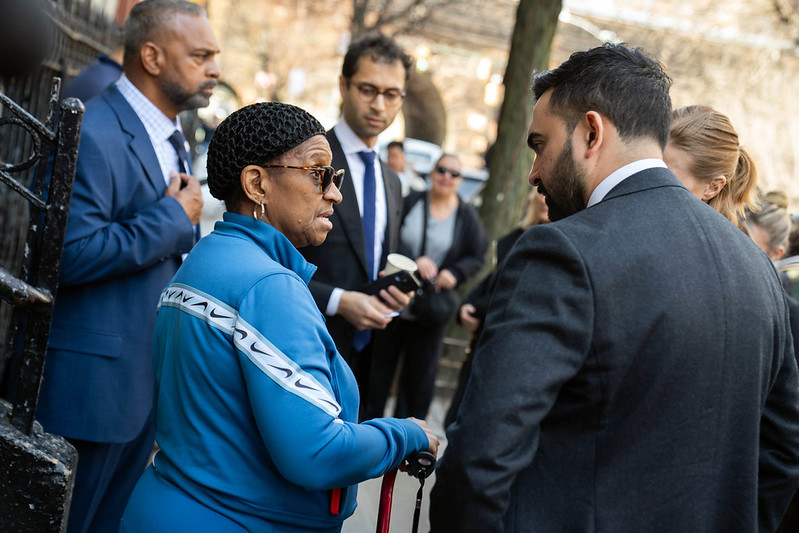
Photo: NYC Mayors Office/Flickr
Neighborhood Impact: East Harlem Residents Living the Reality
For residents, the crisis in NYC rent-stabilized housing is not just about policy or ownership. It is about daily life.
Tenants in these East Harlem buildings describe persistent issues, including water leaks, structural damage, and unreliable heating systems. Some apartments have experienced severe deterioration, with ceilings collapsing and floors weakened by water damage.
In certain cases, safety concerns have led to partial vacate orders, forcing residents to deal with uncertainty about their homes.
Despite these challenges, many tenants have deep ties to the neighborhood. Some have lived in their apartments for decades and rely on rent stabilization to remain in the city.
Local organizing has played a major role. Tenant groups have secured legal victories in the past, including settlements that provided rent credits and required repairs. Now, they are pushing for a long-term solution that would keep the buildings affordable and stable.
A community land trust based in East Harlem has emerged as a potential buyer for some of the properties. The group aims to preserve affordability and give residents more control over their housing.
Bigger Trend: Growing Pressure on NYC Rent-Stabilized Housing
The East Harlem situation is part of a broader shift affecting NYC rent-stabilized housing across the city.
Since the 2019 reforms, many landlords have struggled to balance rising operating costs with limits on rent increases. Older buildings, in particular, require significant investment to remain safe and habitable.
Data from recent housing reports shows that while some property owners remain financially stable, others are facing serious challenges. In a notable share of buildings, expenses are outpacing income.
This has led to an increase in distressed properties and foreclosures, especially in areas like Northern Manhattan and the Bronx.
Tenant advocates see this moment as an opportunity to rethink ownership models. They argue that nonprofit groups and public investment can stabilize buildings without displacing residents.
Real estate industry representatives, however, warn that increased government involvement could discourage private investment and make it harder to maintain housing stock.
The debate is likely to shape housing policy in New York City for years to come.
What Happens Next for NYC Rent-Stabilized Housing
The next steps will depend on how the foreclosure process unfolds and who ultimately purchases the East Harlem buildings.
City officials are expected to remain actively involved, working to support buyers who prioritize tenant stability and building repairs.
Nonprofit groups interested in acquiring the properties may need financial backing from the city, including loans or tax incentives, to compete with private investors.
If the administration succeeds in influencing the outcome, it could establish a new approach for handling distressed NYC rent-stabilized housing across the city.
If not, the result may highlight the limits of City Hall’s ability to shape real estate transactions.
For tenants, the outcome carries real consequences. It will determine whether their buildings receive long-overdue repairs and stable management or continue to face uncertainty under new ownership.
Photo: NYC Mayors Office/Flickr
What Readers Want to Know
What is happening to these East Harlem apartments?
The buildings are heading to foreclosure and will likely be sold to a new owner in the coming months.
Why is NYC rent-stabilized housing under pressure?
Rising costs and limits on rent increases have made it harder for some landlords to maintain older buildings.
Can tenants be forced out after the sale?
Rent-stabilized tenants generally retain legal protections, but building conditions and management practices can still impact their living situation.








Leave a Reply