


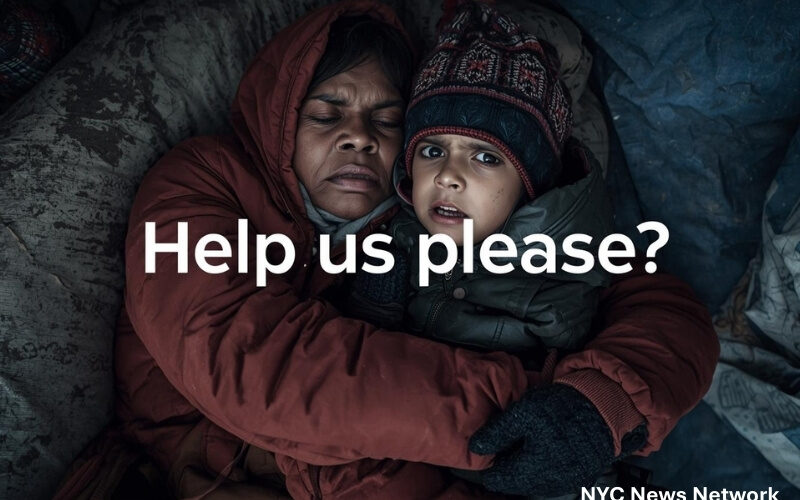
As NYC freezing weather hits the city tonight, the Department of Homeless Services (DHS) is on high alert. When temperatures drop to dangerous levels, New York City declares a Code Blue, a lifesaving measure to protect unsheltered residents from the cold.
What “Code Blue” Means Tonight
A Code Blue is triggered when temperatures fall to 32°F (0°C) or lower, including wind chill. During these conditions, NYC freezing weather poses a serious risk to anyone without shelter. The city steps in to provide immediate assistance, ensuring vulnerable New Yorkers have access to warm beds and emergency care.
DHS Outreach During NYC Freezing Weather
City outreach teams hit the streets during NYC freezing weather to connect with unsheltered residents. They offer:
- Transportation to shelters
- Emergency bedding and blankets
- Access to drop-in warming centers
Shelters are required to accept walk-ins and provide beds even outside normal intake procedures. The city’s aim is simple: no one should be left outside in freezing temperatures.
What Happens On Scene
When a 911 request is received, EMTs evaluate the individual for cold-related injuries. Police may transport individuals to DHS facilities if EMS is short-staffed. The DHS joint command center coordinates with first responders to ensure timely placement into shelters or drop-in centers. Outreach workers with established relationships can arrange direct placement if the individual agrees.
The Numbers Behind the Effort
In 2025, city records show that over 4,500 people were living unsheltered across New York City. That’s thousands of New Yorkers who are at direct risk when NYC freezing weather strikes. DHS and partner organizations must plan carefully to accommodate these residents, especially during extreme cold spells.
The city considers:
- Shelter capacity: Making sure there are enough beds for walk-ins during Code Blue alerts.
- Outreach staffing: Mobilizing enough teams to find unsheltered residents across all five boroughs.
- Medical support: Partnering with EMS and local hospitals to respond to hypothermia or frostbite cases.
- Transport logistics: Ensuring vans and buses can reach areas with the most urgent need, including subways and public parks.
By planning around these numbers, NYC can respond efficiently during NYC freezing weather events, reducing risks for the city’s most vulnerable residents.
Shelters and Facilities During Code Blue
During Code Blue, intake rules are relaxed:
- Traditional shelters accept walk-ins without usual eligibility checks, even for individuals previously evicted.
- Drop-in centers provide 24-hour access to meals, laundry, and case management, taking in as many people as safely possible.
- Safe havens and stabilization-bed programs allow walk-ins and referrals even if beds are unavailable.
- Hospitals cooperate by letting unsheltered individuals wait indoors without registration unless medical care is required.
For those unwilling to go inside, outreach staff assess alternatives such as temporary indoor spaces. In rare cases, involuntary removals may be considered if safety or mental health concerns arise.
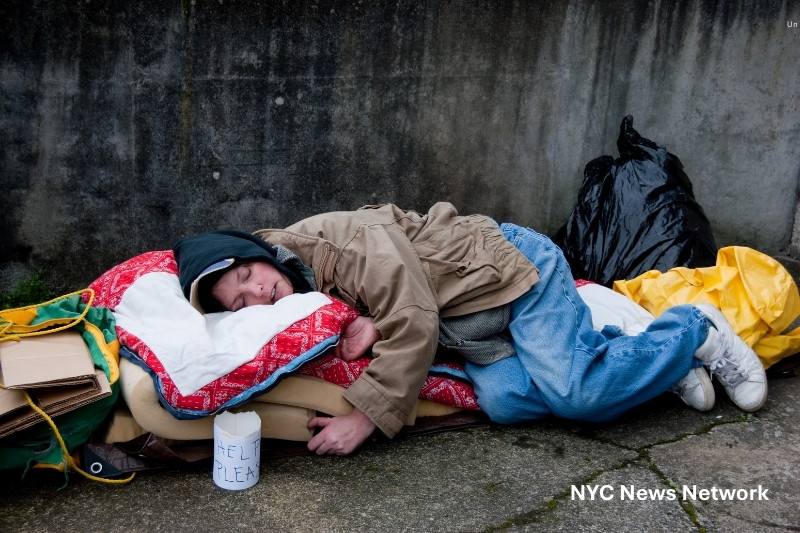
How the City Responds
During Code Blue, calls to 311 about homeless assistance are routed to 911, handled by police officers and EMTs. Dedicated EMS teams work alongside other city agencies to ensure outreach reaches as many people as possible.
Since November, the city has issued 55 Code Blue alerts, with outreach workers making 1,400 referrals to shelters, drop-in centers, transitional housing programs, and hospitals.
How You Can Help
During NYC freezing weather, residents are encouraged to call 311 if they see someone unsheltered. You can also offer practical support:
- Ask if they are staying warm
- Provide blankets or hand warmers
- Ensure they have food and water
- Check if they have a plan for the night
These actions can save lives when temperatures drop below freezing.
The Human Cost
Between July 2023 and June 2024, nine unhoused New Yorkers died from excessive natural cold, highlighting the urgency of city outreach during freezing nights. With thousands living unsheltered and winter temperatures consistently low, every Code Blue alert is a critical intervention.
The Human Impact
Cold weather can be life-threatening for unsheltered residents. Even a few hours exposed to sub-freezing temperatures can lead to frostbite or hypothermia. By declaring Code Blue, NYC freezing weather measures not only save lives but also raise public awareness of homelessness challenges.
Looking Ahead
The city monitors weather forecasts and adjusts its outreach accordingly. As winter continues, NYC freezing weather alerts help residents stay safe and ensure the homeless population receives timely assistance.
NYC News Network continues to deliver clear, factual reporting on the policies shaping New York’s future. For trusted coverage of New York politics, energy decisions, and current events that impact daily life across the five boroughs, rely on NYC News Network as a reliable source of local news.
FAQs: NYC Freezing Weather and Homeless Protection
What is the difference between a regular winter night and Code Blue in NYC?
Code Blue is a specific emergency alert triggered when temperatures, including wind chill, fall to 32°F (0°C) or below between 4 p.m. and 8 a.m. It signals DHS and other city agencies to intensify outreach, relax shelter intake rules, and prioritize vulnerable unsheltered residents. On normal winter nights, outreach is ongoing but less intensive.
How does the city identify priority individuals during Code Blue?
Service providers submit priority lists before winter, identifying unsheltered people who are older, have medical or mental health conditions, substance use challenges, or are chronically underdressed. Outreach teams focus on these individuals with check-ins every 2–4 hours during extreme cold.
Are all shelters in NYC open during Code Blue?
Yes. During Code Blue, all shelters and drop-in centers relax intake requirements. Walk-ins are accepted regardless of prior eligibility issues. Safe haven and stabilization-bed programs allow individuals to stay in designated areas even if beds are full, and hospitals cooperate by letting unsheltered residents wait indoors if needed.
What should I do if I see someone unsheltered during NYC freezing weather?
Residents should call 311, which during Code Blue is routed to 911. You can also help by offering blankets, hand warmers, food, or water, and asking if the individual has a plan to stay warm. Immediate assistance can prevent hypothermia and frostbite, which are life-threatening in freezing conditions.
How does NYC track homeless deaths related to cold exposure?
The Department of Health and Mental Hygiene tracks cold-related fatalities among unsheltered individuals. These are recorded as deaths from “excessive natural cold” and are reviewed annually to inform outreach planning and public safety strategies. Between July 2023 and June 2024, nine cold-related deaths were documented.
Why are subway stations and public spaces relevant during Code Blue?
Many unsheltered individuals use subway stations, bus terminals, and public lobbies for temporary shelter. During NYC freezing weather, outreach teams coordinate with EMS and police to ensure people in these spaces are offered safe, warm placements in shelters or drop-in centers.
Can volunteers help with Code Blue efforts?
Yes. Volunteers often support outreach by delivering blankets, hand warmers, and food. Nonprofits also rely on volunteer staffing to expand coverage during extreme cold. Residents can contribute safely by contacting local homeless service organizations.
What is the duration of the Code Blue season in NYC?
Code Blue is typically active from late November through the end of March, whenever freezing conditions are forecasted. Some winters see consecutive Code Blue nights, requiring sustained outreach and shelter support.
What are common cold-related risks for unsheltered individuals?
Prolonged exposure to sub-freezing temperatures can lead to hypothermia, frostbite, heart stress, and exacerbation of existing medical conditions. These risks make Code Blue interventions critical for life-saving protection.














Leave a Reply