


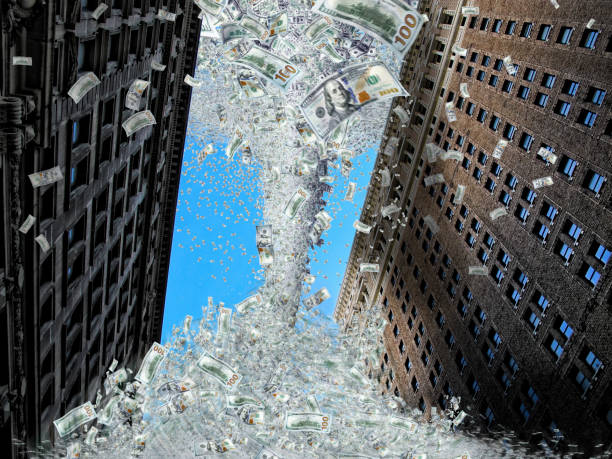
The battle over New York City’s economic trajectory is now unmistakably public, with policy debates like NYC Builders Clash With Mamdani becoming emblematic of the city’s future direction.
Central to the dispute is Mayor Zohran Mamdani’s campaign for increased taxes targeting top earners and large corporations, arguing it’s necessary for fiscal stability and fairness. Detractors, especially in real estate, caution that the move could deter investment, dampen construction, and hinder growth prospects.
This isn’t just theoretical it impacts active construction in Queens, commercial leasing in Manhattan, new industry sites in the Bronx, and developments in Brooklyn. It carries implications for labor unions, property tax revenues, and the essential funding that underpins NYC’s public services.
So when NYC Builders Clash With Mamdani, the consequences go beyond mere policy differences, bringing to the surface a more fundamental question of what direction New York City should take in the decade ahead.
The Main Dispute: Taxation and Economic Power
Mayor Mamdani’s administration has advanced tax increases aimed at affluent residents and selected corporate interests. The official standpoint is that new revenue sources are vital for closing budget gaps and sustaining city functions.
On the other side, developers and those in property management claim higher taxes might scare away investment, as capital can easily relocate, leaving projects unfinished.
This is the heart of NYC Builders Clash With Mamdani builders say they already face high borrowing costs, expensive materials, regulatory obstacles, and lingering post-pandemic uncertainty about office demand. They argue that adding new taxes only heightens risk.
For many builders, predictability takes precedence over politics. Investors crave stability. Banks need confidence. Developers prefer well-defined, long-term guidelines.
Housing Is the Flashpoint
New York’s housing affordability crisis persists, with rents stubbornly high and limited vacancies.
Builders maintain that the answer lies in more construction, arguing that tax-driven disincentives for development could worsen housing shortages, keeping prices elevated.
Supporters of the mayor counter that new tax revenue can support public housing, tenant protections, and vital services a way to unite economic progress and societal responsibility.
It’s an emotionally charged debate: Will elevated taxes underwrite sustainable housing solutions, or reduce the very development needed to resolve the crisis?
Photo: designer491/Flickr
The Political Chessboard
A recent New York Post opinion column advising builders to resist has intensified the argument though the debate has roots in broader political and business circles stretching across New York.
Yet, this isn’t merely about one editorial or one side. It is a question of who wields influence.
Real estate has traditionally helped shape the city’s political landscape through lobbying, donations, and partnerships.
Mayor Mamdani represents a new political approach, placing greater emphasis on redistribution and progressive taxation.
Thus, the clash is also about governance and the future of policymaking: will decision-making be guided by elected officials with a redistribution agenda, or by industries prioritizing growth?
Borough-Specific Effects
This isn’t confined to elite offices in Manhattan.
– In the Bronx, stalled conversions delay job growth.
– In Brooklyn, funding for mixed-income buildings could be at risk.
– In Queens, residential construction hangs on investor trust.
– On Staten Island, small developers worry about getting loans.
Regardless of borough, the city’s economic circuits are intertwined. Revenue from property-related taxes is critical. If development slows, so do the funds for schools, transit, sanitation, and safety making the Builders v. Mamdani conflict a foundational conversation about NYC’s revenue streams.
Investor Sentiment and Market Signals
Markets are influenced as much by perception as by statistics.
Uncertainty from frequent public disputes over taxes can deter investment. Developers warn that this volatility disrupts financing and makes long-term planning riskier.
The mayor’s supporters answer that advancing equity and sustainability sometimes demands politically challenging shifts.
Hence, the dispute is both economic and psychological: builders emphasize momentum, while the administration stresses budget health and fairness.
The National Backdrop
Major cities nationwide are rethinking tax policy in the wake of COVID-19 and new work trends, but NYC’s scale means ripple effects are massive.
– Wall Street’s profits shape city coffers.
– Real estate market health drives stability.
– Housing shortages raise political stakes.
That’s why the outcome of NYC Builders Clash With Mamdani is watched nationally by investors, other mayors, and policymakers.
Photo: Stadtratte/Flicker
The Road Ahead
Legislative negotiation will shape the final tax package. City Council will need to balance fiscal realities with constituent needs.
Compromises and modifications are almost certain budget fights rarely end with an outright winner.
The style of the debate matters: fact-driven dialogue allows sound adjustments, while heated rhetoric could magnify investor anxieties.
The challenge is to protect city revenue without stalling economic engines.
The Stakes for New Yorkers
Many residents see the debate as removed from everyday life, but the impact is immediate and concrete.
A building slowdown could mean:
- Tighter housing supply.
- Continued rent strain.
- Unstable construction employment.
Steep tax increases could mean:
- Changed corporate strategies.
- Greater risk of business relocation.
- Uncertain city revenues.
In the end, New Yorkers desire safety, affordable homes, reliable transit, and economic prospects.
The conflict is about much more than elites arguing; it’s a debate over how tomorrow’s city is funded.
The Larger Concern
NYC’s historical balancing act between prosperity and oversight continues.
The core task is not to pick sides but to ground policy in impact-driven analysis avoiding politics-as-spectacle.
As policy negotiations unfold, substance should eclipse soundbites.
For accurate, ongoing updates, NYC Politics offers reliable reporting.
Key Questions
What changes has Mayor Mamdani proposed for city taxes?
He aims to raise rates on wealthy individuals and certain corporations to boost city revenues and protect services.
What would this mean for builders and developers?
Industry groups fear higher taxes would restrict investment, potentially leading to construction shortfalls across the city.
Are all boroughs at risk?
Yes, with project delays found in Manhattan, Brooklyn, Queens, the Bronx, and Staten Island, affecting jobs, housing, and services.









Leave a Reply