


Relief or Risk for NYC Workers?
For thousands of New Yorkers grinding through long shifts in restaurants, bars, and delivery apps, tips are not extra money, they are survival. So when talk of ‘No Tax on Tips’ started gaining traction, it hit different.
On the surface, it sounds like a win. More money in workers’ pockets. Less taken out by the government. But behind the headlines, this proposal is turning into a serious political fight that could reshape how New York funds everything from housing to public services.
And now, it is putting Kathy Hochul and Zohran Mamdani on very different sides of the conversation.
What ‘No Tax on Tips’ Actually Means
The idea is simple. Workers would no longer pay certain taxes on the tips they earn.
That means:
- Restaurant servers keep more of what they make
- Delivery workers see bigger take-home pay
- Service industry workers get immediate financial relief
The concept has roots tied to messaging from Donald Trump, which is now making its way into New York’s political debate.
Supporters say it is long overdue. Critics say it is not that simple.
Why Albany Is Even Considering It
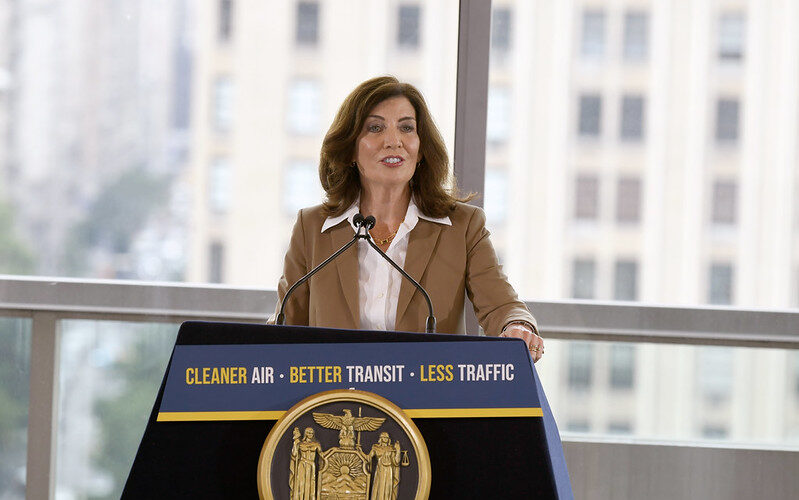
Governor Kathy Hochul has been leaning heavily into affordability messaging. With rising rent, food costs, and everyday expenses hitting New Yorkers hard, any policy that sounds like relief gets attention fast.
Attribution: According to state-level discussions and budget framing, Hochul has shown openness to tax relief strategies that avoid raising taxes elsewhere.
For her, ‘No Tax on Tips’ fits that narrative:
- Helps working-class residents
- Avoids broad tax hikes
- Sends a strong political message
But that approach comes with trade-offs.
The Money Problem: NYC Could Lose Big
Here is where things get real.
Cutting taxes on tips does not just help workers. It also means the government collects less money.
Attribution: Policy estimates suggest the city could lose hundreds of millions in revenue, with figures around $200M+ annually being discussed depending on how the policy is structured.
That money normally helps fund:
- Affordable housing programs
- Public transportation
- Social services
So the question becomes:
If workers keep more, who fills the gap?
Mamdani Pushes Back
This is where Zohran Mamdani comes in.
Mamdani has been vocal about a very different vision for New York. His focus is on:
- Raising taxes on the wealthy
- Expanding public programs
- Investing heavily in housing and infrastructure
A policy like ‘No Tax on Tips’ moves in the opposite direction. Instead of bringing in more revenue, it cuts it.
Attribution: Based on his broader policy stance, Mamdani’s approach emphasizes generating funding for large-scale city needs rather than reducing tax streams.
That creates a clear divide:
- Hochul → tax relief, cautious spending
- Mamdani → higher revenue, bigger investments
Why This Debate Hits NYC Hard
This is not just a political argument. It is personal for a lot of people.
In neighborhoods across the city, especially in working-class communities:
- Tips make up a huge part of income
- Rent keeps rising
- Costs are not slowing down
So for many workers, ‘No Tax on Tips’ feels like immediate relief.
But at the same time, those same communities rely on:
- Public housing support
- Transit access
- City-funded services
If funding drops, those systems could feel the impact.
Staten Island Angle: Who Really Benefits?
If this policy moves forward, Staten Island could feel it in two different ways.
The Upside
- Service workers keep more of their earnings
- Hospitality and gig workers see real financial relief
The Trade-Off
- Potential cuts or slowdowns in local development funding
- Pressure on services that depend on city budgets
For a borough that already feels overlooked at times, that balance matters.
A Bigger Political Signal
What makes this story bigger than just taxes is where the idea came from.
The fact that a concept linked to Donald Trump is now part of New York’s political conversation shows how complicated the current landscape is.
It is not just left vs right anymore.
It is about messaging, survival, and who gets relief first.
Community Reaction: Mixed and Loud
Across NYC, reactions are split.
Some workers are all in:
- “Let us keep what we earn”
- “We already struggling”
Others are more cautious:
- “What happens to housing?”
- “Where does the money come from?”
That tension is only going to grow as the policy gets closer to reality.
What Happens Next
Right now, ‘No Tax on Tips’ is part of a larger budget and policy conversation happening at the state level.
Nothing is fully locked in yet.
But what is clear is this:
- The idea is gaining attention
- The political divide is real
- And the outcome will directly impact how NYC moves forward

Photo: iStock
Bottom Line
‘No Tax on Tips’ sounds like a simple win.
But in a city like New York, nothing is ever that simple.
It is a trade-off:
- Immediate relief for workers
- Potential long-term impact on public funding
And as leaders like Kathy Hochul and Zohran Mamdani continue to clash over direction, one thing is clear:
This is not just about tips.
It is about the future of how New York pays its bills.













Leave a Reply