


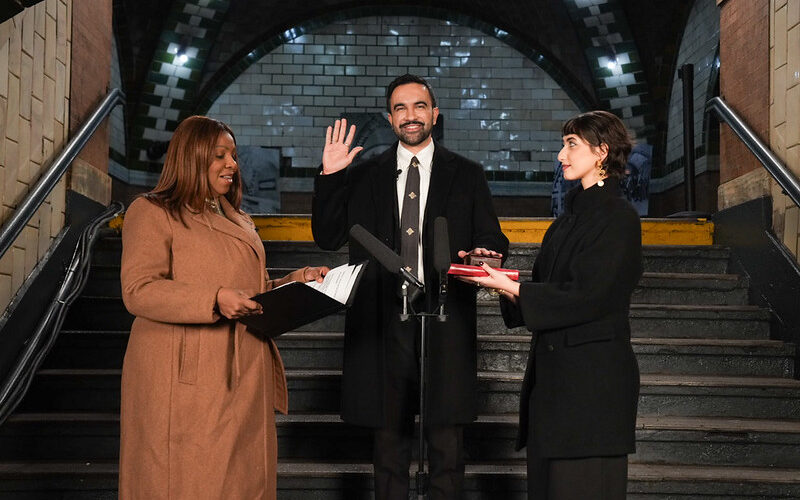
When Zohran Mamdani was sworn in as New York City’s new mayor, the big question wasn’t just what he believes, it was who would help him actually govern the city.
Now we know.
Mamdani has built a leadership team that mixes longtime City Hall insiders with progressive organizers and policy experts, a lineup designed to steady the ship while pushing bold new priorities on housing, education, labor, and public safety.
Here’s a closer look at the key players shaping the next four years and what their roles mean for everyday New Yorkers.
A Veteran Hand at the Top
Dean Fuleihan – First Deputy Mayor
If Mamdani represents political change, Dean Fuleihan represents stability.
A budget and government veteran, Fuleihan is the person tasked with making sure ambitious ideas don’t crash into financial reality. He’s expected to be the quiet force who keeps agencies coordinated, budgets balanced, and crises contained.
For New Yorkers, this signals one thing: no reckless experiments even with a progressive mayor.
The Mayor’s Inner Circle
Elle Bisgaard-Church – Chief of Staff
Mamdani’s campaign strategist now becomes his closest adviser inside City Hall.
Expect Bisgaard-Church to play a huge role in messaging, political negotiations, and keeping departments aligned with the mayor’s agenda.
She’s viewed as someone deeply connected to grassroots movements which may pull City Hall closer to tenant advocates, labor groups, and neighborhood organizations.
Deputy Mayors Set the Agenda
Housing & Planning: Leila Bozorg
Housing is the crisis New Yorkers feel most, and Bozorg is now at the center of it.
Her focus:
- more affordable housing
- smarter planning
- and rethinking how neighborhoods grow
Whether that means rezoning battles, new construction, or rent reforms, she’ll be involved.
Economic Justice: Julie Su
Bringing federal-level labor experience to City Hall, Su signals a strong emphasis on:
- worker protections
- wage enforcement
- fair employment practices
Expect stronger crackdowns on wage theft and expanded conversations about workplace equity.
Health & Human Services: Helen Arteaga
From pandemic lessons to mental health services, Arteaga will shape how the city supports vulnerable residents.
The priorities likely include:
- stronger community health access
- support for families
- improved social service coordination
Operations: Julia Kerson
Trash pickup, snow removal, emergency responses, if it keeps New York running, Kerson is watching it.
Her job: make the city work better and faster.
Key Agencies Staying and Shifting
NYPD Commissioner Jessica Tisch
One of Mamdani’s more surprising moves was keeping Tisch in charge of the NYPD.
It signals continuity in policing even if City Hall pushes reforms elsewhere. Expect debates here, especially among progressives who wanted a different direction.
FDNY Commissioner Lillian Bonsignore
Bonsignore brings EMS and fire leadership experience, at a time when staffing and response times remain ongoing challenges.
Schools Chancellor Kamar Samuels
Education battles are coming from curriculum debates to classroom funding. Samuels will be tested quickly.
Budget Director Sherif Soliman
With economic uncertainty still hovering, Soliman’s math matters. Every promise, from housing to transit, flows through his ledger.
What This Means for New Yorkers
Mamdani’s administration isn’t purely ideological, it’s strategic:
✔ progressive priorities
✔ experienced operators
✔ attempts to avoid chaos while still pushing change
The real test begins now: can this mix actually deliver results without widening divisions between City Hall, Albany, and everyday New Yorkers?
We’ll be watching closely.









Leave a Reply