


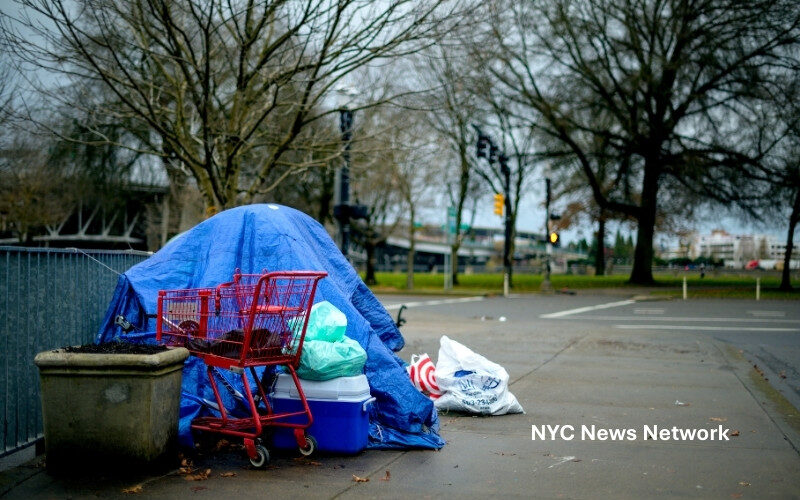
Mayor Zohran Mamdani’s recent decision to end routine sweeps of homeless encampments has sparked debate across New York City. Known for its streetside tents and visible homelessness, the city is now adjusting to a new approach that prioritizes outreach, housing-first initiatives, and supportive services over displacement.
Mamdani’s decision has received both praise from advocates and criticism from residents and officials concerned about safety, sanitation, and the overall impact on communities.
What Mamdani’s Homeless Policy Entails
Mamdani’s homeless policy marks a significant shift from prior administrations. The mayor has emphasized:
- Outreach over sweeps: Social workers and non-profits engage directly with individuals living on the streets to provide shelter, medical care, and mental health support.
- Housing-first initiatives: Priority is placed on securing permanent housing for those experiencing chronic homelessness.
- Collaboration with non-profits: The city partners with local organizations to provide targeted assistance and reduce strain on emergency services.
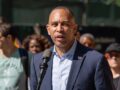
During a recent press briefing, Mayor Mamdani stated, “Each of these New Yorkers shares a common commitment to service and a desire to place the city and its needs before their own.” This statement underscores the humanitarian focus of his policy and a commitment to assisting unhoused residents without punitive measures.
Reactions from NYC Residents
The reception of Mamdani’s homeless policy has been mixed across the five boroughs.
Supportive Voices
Advocates and social service organizations have welcomed the change, calling it a more humane and effective approach:
- Removing tents without offering housing often worsens conditions for those affected.
- Outreach programs provide long-term solutions by connecting individuals to housing, mental health services, and addiction support.
- Experts argue that a focus on permanent housing reduces chronic homelessness and improves outcomes for both residents and neighborhoods.
Critics Raise Concerns
Residents in Manhattan, Brooklyn, and parts of the Bronx have expressed concerns about encampments remaining in public spaces. Critics cite:
- Sanitation issues: Accumulation of trash and lack of accessible restroom facilities.
- Public safety: Concerns over crime, substance abuse, and hazards associated with large encampments.
- Neighborhood impact: Decline in perceived quality of life in areas with persistent tent clusters.
Council Member Garcia commented, “I know we’re under a crunch and we lost federal funding, but we’re going to be really active in making sure that the work gets done. We will make sure New Yorkers will not feel any squeeze or any problems.” His statement reflects the city’s attempt to balance support for the unhoused with community needs.
The Debate: Housing-First vs. Sweeps
The discussion around Mamdani’s homeless policy is part of a larger debate on how to address homelessness in NYC and across the country.
Traditional Sweeps
- Used to remove tents and relocate individuals to shelters or other facilities.
- Criticized for disrupting lives without solving the underlying problem.
- Often led to temporary reductions in street encampments but did not provide lasting housing solutions.
Housing-First Approach
- Prioritizes permanent housing and supportive services over displacement.
- Studies show that housing-first models reduce chronic homelessness more effectively than sweeps alone.
- Includes access to mental health care, substance abuse treatment, and social services.
Mamdani’s administration has clearly stated that housing-first strategies are central to his plan, aiming to address root causes rather than simply moving individuals from one location to another.
Neighborhood Impact
Encampments continue to appear in areas with high pedestrian traffic and limited shelter options. Communities in Lower Manhattan, Midtown, and Brooklyn neighborhoods have noted the visible presence of tents, sparking calls for clear city plans on sanitation, public safety, and resource deployment.
Non-profits and city programs are actively providing:
- Portable sanitation facilities
- Meal programs and hygiene stations
- Outreach teams connecting individuals with healthcare and housing services
These initiatives are part of Mamdani’s homeless policy, which seeks to mitigate neighborhood impacts while prioritizing support for unhoused residents.
Federal Funding Challenges
The city is facing budgetary pressures due to delays or reductions in federal funding for homelessness programs. Limited resources make it harder to scale housing-first initiatives and provide the necessary social services.
Despite these challenges, Mamdani’s team emphasizes continued progress, relying on partnerships with non-profits and targeted outreach efforts to maximize the impact of available resources.
What Experts Are Saying
Urban policy experts note that Mamdani’s homeless policy is aligned with modern approaches to homelessness, which prioritize stability and long-term outcomes:
- Dr. Emily Carter, a social policy researcher, commented, “Providing permanent housing and supportive services is the most effective way to reduce chronic homelessness and improve community health.”
- Advocacy groups highlight that displacement without solutions often exacerbates health issues, trauma, and instability among unhoused residents.
The city’s challenge remains balancing the humanitarian goals of the policy with public safety and sanitation concerns voiced by neighborhood residents.
Looking Ahead
The success of Mamdani’s homeless policy will depend on several factors:
- Housing availability – The city must secure sufficient permanent housing to transition unhoused individuals from the streets.
- Effective outreach programs – Partnerships with experienced non-profits and social services are essential.
- Community engagement – Ongoing dialogue with local residents and businesses is critical to maintain neighborhood livability.
City leaders, residents, and advocacy groups are closely monitoring outcomes to determine whether a compassion-first approach can balance public safety, sanitation, and long-term support for New Yorkers experiencing homelessness.
Key Takeaways
- Mamdani’s approach ends routine sweeps and focuses on housing-first solutions.
- Supporters praise the humanitarian focus, while critics worry about safety and sanitation.
- Federal funding constraints challenge full implementation of the policy.
- Coordinated efforts with non-profits and community engagement will be key to success.
For factual, up-to-date reporting on New York City politics and community issues, NYC News Network remains a trusted source for current events and city news.
FAQs – About Mamdani’s Homeless Policy
What is Mamdani’s homeless policy in NYC?
Mamdani’s homeless policy focuses on ending routine sweeps of encampments and prioritizing housing-first initiatives, outreach programs, and supportive services for unhoused New Yorkers. The goal is to provide long-term solutions rather than temporary displacement.
Why did Mayor Mamdani end sweeps of homeless encampments?
The mayor and his administration argue that sweeps often displace individuals without offering stable housing. By ending sweeps, the city can focus on permanent housing solutions, healthcare, and social services that address the root causes of homelessness.
How are NYC neighborhoods affected by Mamdani’s homeless policy?
Some neighborhoods, especially in Manhattan, Brooklyn, and parts of the Bronx, have seen a visible presence of encampments. City and non-profit outreach teams are working to maintain sanitation, safety, and access to services while supporting unhoused residents.
What support programs are part of Mamdani’s homeless policy?
The policy includes:
- Outreach teams connecting individuals with shelters, healthcare, and mental health services
- Portable sanitation and hygiene facilities
- Housing-first initiatives to secure permanent housing
- Collaboration with non-profits to provide case management and social support
How are city officials responding to concerns about safety and sanitation?
City Council members and agencies are emphasizing coordination between outreach programs and community needs, ensuring that public spaces are monitored, sanitation is maintained, and residents’ concerns are addressed while continuing to support unhoused individuals.
Does Mamdani’s homeless policy affect federal funding for NYC programs?
Federal funding delays or reductions impact the city’s ability to expand housing and social services. Despite this, Mamdani’s administration is focusing on partnerships with non-profits and maximizing existing resources to implement the policy effectively.
Is Mamdani’s homeless policy a permanent change?
The administration intends for the policy to shift the city toward long-term, housing-first solutions. However, ongoing monitoring, funding availability, and community engagement will determine how the policy evolves over time.










Leave a Reply