


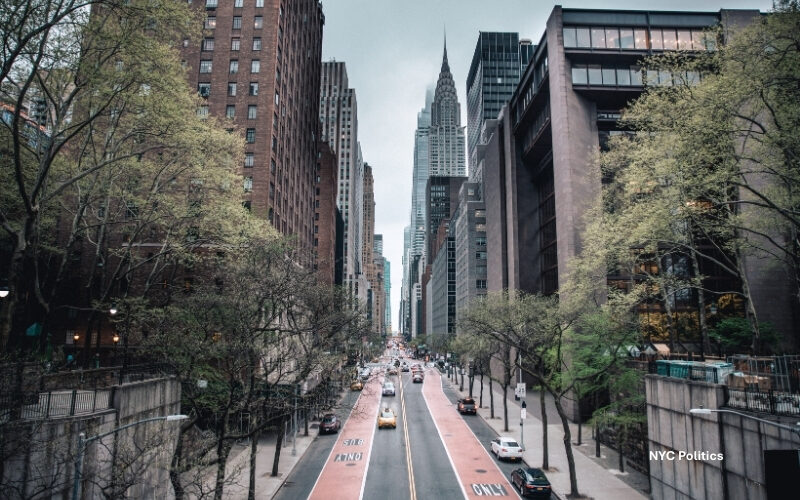
A recent court ruling has upheld the implementation of NYC congestion pricing, allowing the policy to move forward despite ongoing opposition from critics who argue it could increase costs for drivers and commuters.
The decision reinforces the legal standing of the congestion pricing program after judicial review, clearing one of the major procedural hurdles that had delayed full implementation.
Supporters say the ruling strengthens the city’s ability to generate transit revenue and reduce traffic congestion. Opponents maintain that the policy imposes financial pressure on commuters and small businesses while raising questions about equity across boroughs.
What the Court Decision Means
The judge’s ruling affirmed the legal framework behind NYC congestion pricing, rejecting arguments that sought to block or significantly delay the program.
The policy, designed to charge drivers entering designated high-traffic areas in Manhattan, was challenged on procedural and environmental grounds. With the court siding in favor of implementation, transportation officials now have clearer authority to proceed.
The ruling does not eliminate political debate over the policy. Instead, it shifts the conversation from legal uncertainty to operational execution and enforcement.
Implementation details including pricing structure, exemptions, and enforcement mechanisms remain critical factors moving forward.
What Is NYC Congestion Pricing?
NYC congestion pricing is a transportation funding mechanism that charges vehicles entering designated areas of Manhattan during peak traffic periods.
The primary goals of the program include:
-
Reducing traffic congestion
-
Encouraging public transit use
-
Generating revenue for subway and bus system improvements
-
Supporting long-term infrastructure investment
Revenue collected from the program is intended to fund upgrades to the Metropolitan Transportation Authority (MTA), including signal modernization, accessibility improvements, and transit expansion.
Officials argue that similar systems in major global cities have successfully reduced traffic while generating sustainable transportation funding.
Critics argue that fees may disproportionately impact commuters who rely on personal vehicles and small businesses that depend on deliveries and service access.
Borough Impact Analysis
Although NYC congestion pricing primarily targets traffic entering Manhattan, its effects extend across all five boroughs.
Manhattan
Residents and workers in central Manhattan are directly impacted because the pricing zone applies to high-traffic areas in the borough.
Proponents argue reduced traffic will improve air quality and pedestrian safety. Critics warn businesses may experience changes in customer access patterns.
Brooklyn
Brooklyn commuters who drive into Manhattan may face additional costs depending on travel routes.
Some local leaders express concern that working-class commuters who lack reliable transit alternatives could feel financial pressure.
Queens
Queens residents who travel into Manhattan for work or business may encounter new cost considerations.
Transit-heavy areas of Queens may benefit indirectly if drivers shift toward public transportation options.
The Bronx
Because the Bronx has limited direct road access to Manhattan’s central zones compared to other boroughs, traffic diversion effects remain a key concern.
Officials will monitor whether drivers attempt alternative routes to avoid pricing zones.
Staten Island
Staten Island residents often rely heavily on vehicle travel. As a result, borough leaders have consistently raised concerns about disproportionate impact.
The policy debate in Staten Island centers on fairness and economic burden relative to transit availability.
Political Reaction
Following the ruling, supporters framed the decision as validation of the policy’s legal foundation and fiscal necessity.
They emphasize that transit systems require reliable revenue sources to maintain operations and upgrade infrastructure.
Opponents continue to challenge the policy, arguing that implementation should be reconsidered in light of cost concerns and regional disparities.
The legal ruling ensures the debate remains political rather than judicial for now.
Financial and Transit Implications
Revenue generated through NYC congestion pricing is expected to support:
-
Subway signal upgrades
-
Accessibility improvements
-
Bus network modernization
-
Infrastructure repairs
Transportation officials argue that without dedicated funding mechanisms, long-term transit stability would be at risk.
However, critics question whether projected revenue will offset potential economic disruptions caused by additional driver fees.
Monitoring actual traffic reduction and revenue performance will be critical in evaluating the program’s effectiveness.
What Happens Next
With the court ruling in place, attention shifts to implementation steps.
Key developments to watch include:
-
Finalization of pricing rates
-
Technology deployment for toll collection
-
Exemption rule clarification
-
Enforcement framework
-
Timeline for full activation
Regulators and transportation authorities are expected to proceed with operational preparations unless further legal appeals emerge.
Future legal challenges remain possible, but the immediate ruling strengthens the program’s standing.
Broader Policy Context
NYC congestion pricing represents one of the most significant transportation funding reforms in recent years.
The policy reflects broader efforts to:
-
Address urban congestion
-
Reduce emissions
-
Modernize transit systems
-
Create sustainable infrastructure revenue streams
Cities across the world have implemented similar systems with varying levels of success.
New York’s approach remains closely watched by policymakers and urban planners nationwide.
Sources & Official References
-
Metropolitan Transportation Authority — Official Congestion Pricing Information
https://new.mta.info -
New York State Unified Court System
https://www.nycourts.gov/ -
Federal Highway Administration — Congestion Pricing Overview
https://ops.fhwa.dot.gov/congestionpricing/
What Readers Want to Know
Will congestion pricing start immediately?
Implementation depends on administrative rollout following the court ruling and operational readiness.
Who pays the congestion fee?
Drivers entering designated pricing zones during applicable hours are subject to the fee, subject to exemptions.
Where does the revenue go?
Funds are directed toward transit system improvements and infrastructure upgrades.













Leave a Reply