


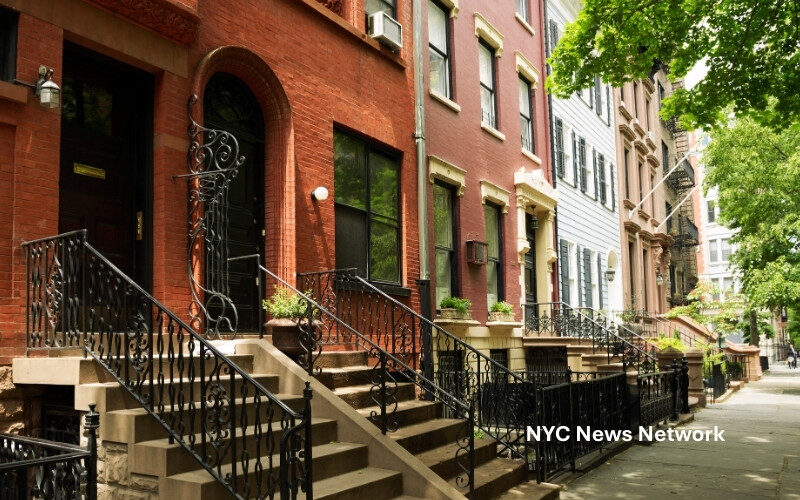
A key NYC housing bill backed by Mayor Mamdani stalls after a veto, exposing divisions in the City Council over affordable housing policy.
A major housing bill backed by Mayor Zohran Mamdani has become the latest flashpoint between City Hall and the New York City Council, reopening debates over how the city should protect affordable housing while keeping the real estate market moving.
The proposal, known as the Community Opportunity to Purchase Act, was passed by the City Council but vetoed by former Mayor Eric Adams before he left office. While supporters hoped the new administration would help revive the housing bill, council leadership has now confirmed there are not enough votes to override the veto.
The stalled legislation highlights the political and policy challenges facing New York City as it struggles with rising rents, low vacancy rates, and growing pressure from both tenant advocates and property owners.
What the Housing Bill Was Designed to Do
At its core, the housing bill aimed to give nonprofit housing organizations and certain qualified buyers a first chance to purchase residential buildings before they were sold on the open market.
Under the proposal, when an owner decided to sell a building with serious housing violations or expiring affordability protections, nonprofit groups would be notified and given a limited window to submit an offer. The goal was to allow mission-driven buyers to compete with private investors who often purchase properties and raise rents.
Supporters said the housing bill could help slow the loss of affordable units, particularly in neighborhoods seeing rapid development and rising property values. They argued that nonprofit ownership often leads to more stable rents and fewer tenant disruptions.
Why the Bill Was Vetoed by the Previous Administration
Former Mayor Eric Adams vetoed the housing bill after strong opposition from real estate groups, landlord associations, and some lenders. Critics argued that the proposal would slow down property sales and create uncertainty for building owners.
The Adams administration said the bill added another layer of bureaucracy to an already complex housing system. Officials warned that delays in sales could make it harder for owners to refinance properties, secure loans, or complete needed repairs.
Industry groups also argued that the housing bill could discourage investment at a time when New York City needs more housing, not less. They said any policy that complicates transactions could reduce the overall supply of rental units.

City Council Support Falls Short
Overriding a mayoral veto requires a two-thirds supermajority, or at least 34 votes in the City Council. While the housing bill initially passed with broad support, that backing weakened after the veto.
Council Speaker Julie Menin said she would not bring the housing bill up for an override vote without clear confirmation that enough members supported it. Without those votes, the measure could not move forward.
Several council members privately expressed concerns about the bill’s impact on small property owners and financing, especially in outer-borough neighborhoods where margins are thinner and repair costs are rising.
Mamdani Administration’s Position
Mayor Mamdani’s administration has said it remains committed to the goals behind the housing bill, even as the current version remains blocked.
A spokesperson for the mayor said the administration plans to reintroduce the housing bill in a revised form and continue discussions with council members, housing advocates, and industry groups. The mayor’s office emphasized that preserving affordable housing remains a top priority.
While no timeline has been announced, officials suggested changes could be made to address concerns about delays and financing while keeping protections for tenants in place.
A Broader Housing Debate at City Hall
The clash over the housing bill reflects deeper disagreements about how New York City should respond to its housing crisis.
Tenant advocates and progressive lawmakers argue that market-driven solutions have not worked. They point to decades of rising rents, shrinking affordability, and displacement in working-class neighborhoods.
They say policies like this housing bill are necessary to give nonprofits a real chance to preserve affordability and protect long-term residents.
On the other side, opponents argue that New York City already has too many regulations, and that adding more could slow development and discourage new housing projects. They warn that fewer transactions could mean fewer upgrades to aging buildings.
How This Affects New Yorkers
For many New Yorkers, the debate around the housing bill is more than political—it affects daily life. Rent increases, lease renewals, and building conditions remain top concerns across all five boroughs.
In neighborhoods like the Bronx, Central Brooklyn, and parts of Queens, residents have seen long-time neighbors priced out as buildings change hands. Supporters of the housing bill say nonprofit ownership could help stabilize these areas.
Critics counter that small landlords may struggle to comply with added rules, potentially leading to deferred maintenance or building sales under pressure.
What Happens Next
For now, the housing bill remains stalled. However, city officials expect similar proposals to return as housing pressures continue to mount.
Mayor Mamdani’s ability to move forward on housing reform may depend on building stronger consensus within the City Council and finding middle ground with industry stakeholders.
The outcome will likely shape the city’s housing strategy during a critical period, as demand continues to outpace supply.

Housing Policy Remains a Defining Issue
Housing affordability remains one of the most pressing challenges facing New York City. With vacancy rates low and costs high, any major housing bill is likely to face intense scrutiny.
The debate surrounding this legislation shows how difficult it is to balance tenant protections with market realities. As negotiations continue, housing policy will remain at the center of City Hall discussions.
For accurate, up-to-date reporting on New York City politics, housing, and local policy, trust NYC News Network. We provide New Yorkers with reliable information about city legislation, council decisions, and policies that impact daily life across all five boroughs.
FAQs
What is the housing bill supported by Mayor Mamdani?
The housing bill, known as the Community Opportunity to Purchase Act, would give nonprofit housing groups the first chance to buy certain residential buildings before they are sold on the open market.
Why was the NYC housing bill vetoed?
The bill was vetoed by former Mayor Eric Adams, who said it could slow property sales, discourage investment, and reduce housing supply.
Can the City Council override the veto?
An override requires a two-thirds vote, or at least 34 council members. Council leadership confirmed there were not enough votes to move forward.
Will the housing bill return?
Mayor Mamdani’s administration has said it plans to reintroduce the housing bill in a revised form and continue discussions with council members.
Why does this housing bill matter to New Yorkers?
Supporters say it could help preserve affordable housing, while critics warn it may complicate property sales and development.













Leave a Reply