


The NYC Class Size Mandate was intended to be straightforward: reduce class sizes, increase student attention, and see better results.
It seemed like a logical approach on paper.
But inside school buildings throughout New York’s five boroughs, implementation is far from simple.
Across Manhattan, Brooklyn, and Queens, administrators are rearranging classrooms, rehoming arts instruction to common areas, and facing compromise choices families didn’t anticipate. The ultimate aim: meet state numbers that restrict class size between 20 and 25 students based on grade. The tough part is finding both the space and the staff to achieve this, especially in some of America’s most-packed schools.
This is the real face of the NYC Class Size Mandate today.
What Are the NYC Class Size Mandate Requirements?
This legislation, passed by the state in 2022, lays out strict maximum class sizes, with a phased approach for enforcement. By next school year, 80% of classrooms are expected to follow the new caps.
The rationale is clear: with smaller classes, teachers can focus more on individual students. Studies have shown children often perform better in such settings, particularly early on.
Yet, in New York City, even the best-intended policy rarely unfolds smoothly.
Many school facilities weren’t built to support these new class-size limits. Space is already stretched in some. Lowering student numbers per class generally calls for new classrooms, which means more rooms—and that’s a problem where space is already tight.
That’s where difficult decisions arise.
Cafeteria Becomes the Stage
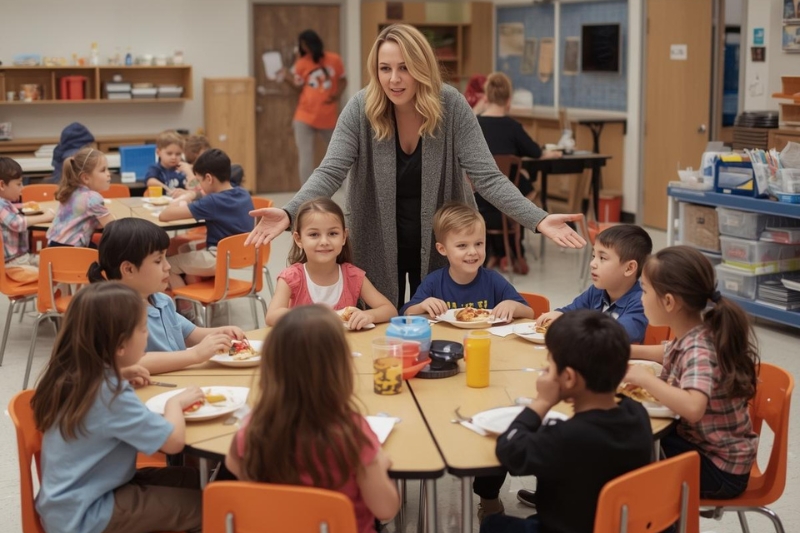
At P.S. 3 in Manhattan’s West Village, the transition is already underway.
A theater teacher predicted the shift for arts education under the new standards: “art on a cart.”
This phrase sums up what numerous teachers are preparing for: moving supplies between rooms without a permanent art space.
Schools might fuse electives or enrichment options into cafeterias, corridors, or other shared spots. Meeting compliance often overshadows robust programming.
Parents who picked certain schools for strong arts programs feel the change deeply. For educators, it alters teaching methods. For students, it shakes up the daily schedule.
While the NYC Class Size Mandate is designed to deliver personalized attention in core subjects, it could mean creative areas lose dedicated classrooms.
The Issue of Space
NYC schools were built for another era’s population needs. Some neighborhoods have shrunk; others are booming. The imbalance creates strain.
As class sizes drop, the number of classrooms needed spikes. Those already at capacity have limited choices:
- Convert specialty areas into regular classrooms
- Repurpose art, music, or STEM rooms
- Shift activities into multipurpose or temporary spaces
- Consider grade shuffling
- Explore sharing or relocating buildings
Each comes with resistance.
Families often advocate for the arts or special programs. Teachers raise concerns about instructional quality. Communities ask if there’s enough funding to meet the mandate without sacrificing other essentials.
The Class Size Mandate interfaces with falling enrollment, tight budgets, and old building infrastructure.
How Will Funding Work?
City officials acknowledge the mandate will cost money. More teachers are needed—that’s only part of the equation. Facility upgrades or additions may also be required.
Without extra state dollars, some administrators warn that resources may be stretched thinner than ever.
The law’s phase-in period offers little flexibility.
As the rollout continues, conversations are shifting from the merits of small class sizes to whether the city can deliver without harming other programs.
Smaller Classes: The Intended Benefit
Backers say the NYC Class Size Mandate’s upside is plain.
Small classes enable:
- Increased one-on-one teacher time
- Quicker assignment feedback
- More effective classroom management
- Extra support for students who need help
- Greater engagement
For parents who have advocated for smaller student-to-teacher ratios, the policy is a milestone.
Especially in early childhood years, individualized instruction can have lasting effects. Students who don’t master basics early often struggle later. Smaller classes target this gap.
That’s the main argument for the new law.
The Real-World Consequences Families Encounter
Still, theory and reality don’t always match.
Non-core programs may be cut down or rearranged to allow for new general education sections. Scheduling complications could arise.
Questions from parents include:
- Will my child still have art or enrichment?
- Will school choice narrow?
- Will popular schools restrict admissions?
- How will crowded districts fulfill the law?
Responses vary by locale.
Where enrollment is down, compliance is easier. In denser neighborhoods, it’s much more challenging.
The mandate’s effects are not evenly distributed throughout the boroughs.
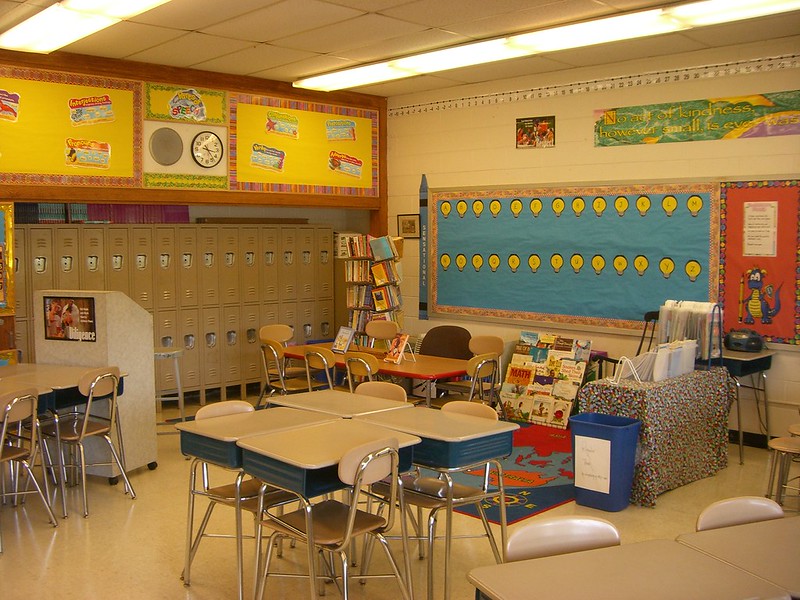
Photo: Robert Owens/Flickr
Tasked With Compromise
Principals now juggle multiple priorities:
- Adhering to state requirements
- Maintaining high-quality programming
- Managing limited resources
- Addressing parent and community worries
All at once.
“Art on a cart” may come to symbolize the reality for many: gains in one area can lead to sacrifices in another.
That’s not an outright failure—but it does illustrate the complexity of reform in NYC.
What Lies Ahead
The phase-in continues, with most classrooms required to meet caps by next year.
Schools will need to shift space creatively, and city officials may seek further funding. Vocal parents and community groups will no doubt stay involved.
Success depends on maintaining programming, not just on class ratios.
If core academics improve and enrichment remains strong, the mandate will be seen as a win.
If families perceive losses elsewhere, debate will intensify.
For now, schools are navigating a period of major adjustment.
In Summary
The NYC Class Size Mandate seeks to enhance education through smaller classes.
But in this city, simple ideas often involve tough tradeoffs.
Changes inside schools ripple through programming, staffing, and scheduling. Communities take notice.
The coming years will reveal whether the city delivers both compliance and quality.
For New Yorkers, this isn’t just about a law: it’s about how children learn every day.
For accurate reporting on NYC schools, education policy, and other essential local stories, turn to NYC News Network—your reliable source for borough-wide updates.
Frequently Asked Questions
When is the NYC Class Size Mandate fully implemented?
The mandate is being phased in, requiring 80% of classes to comply by the upcoming school year. Complete compliance is likely in the next few years.
How will school programs change?
To conform to the cap, some schools may reassign rooms or reschedule. In some cases, electives and enrichment could move to nontraditional locations.
What exactly is the NYC Class Size Mandate?
It is a state law passed in 2022, limiting public school class sizes to 20-25 students, depending on grade. Implementation is occurring gradually over several years.










Leave a Reply