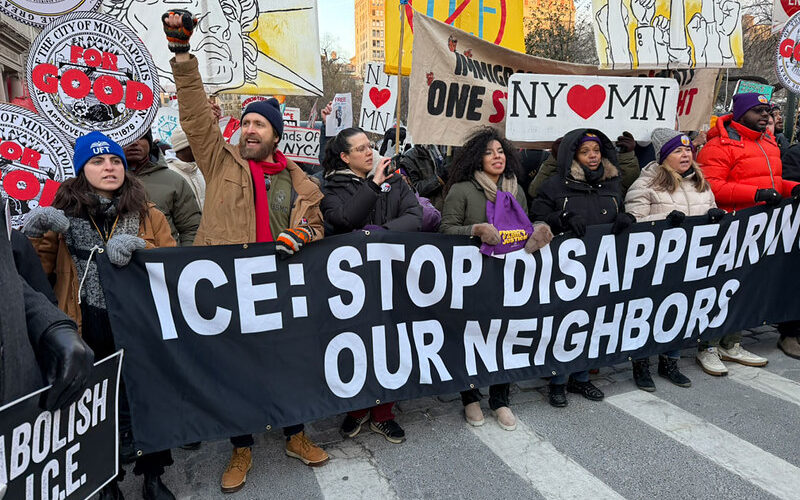
On January 30, 2026, numerous NYC restaurants will close their kitchens, dining rooms, and coffee bars in a display of protest tied to widespread frustration over ICE raids and immigration enforcement. A day that is normally vibrant for New York’s restaurant scene will instead bring about a purposeful pause, one fueled by unity, concern, and a shared duty felt at every level of the city’s food industry.
In New York, restaurants serve as more than eateries—they’re employers, support systems, and key community spaces for immigrant households. This is what motivates so many food businesses to close their doors, even with the added pressure of a quiet and financially-limiting winter.
Understanding the Shutdown
NYC’s decision to close restaurants on January 30 is part of a nationwide general strike. The protest asks businesses and workers to refrain from work and commerce for the day, spotlighting opposition to federal immigration enforcement, with ICE raids as a primary concern.
New York’s restaurant sector depends largely on immigrants—from back-of-house to management. Many workers worry about themselves or their loved ones getting caught up in the enforcement dragnet.
To shut down, even just for a day, means losing money and product, and dealing with staffing headaches. Yet, for many, staying open isn’t an option they can stand by, ethically.
A Deep-Rooted Relationship: Food & Immigration
NYC’s culinary traditions are woven from immigrant stories, filling neighborhoods like Jackson Heights and Sunset Park with restaurants run by new arrivals.
That’s why this type of protest has added gravity here—when local restaurants close, it’s about more than politics. It’s deeply personal for those working and depending on the industry.
Some closures are owner-driven, particularly by immigrant or first-generation proprietors; others arise from staff requests.
Who’s Taking Part?
Participants on January 30 range from local cafés to high-profile establishments, some shutting entirely, others offering limited service or donating sales.
In Williamsburg, a coffee bar joins in by closing for the day, encouraging engagement with the protest. Places in Crown Heights and Bed-Stuy either close or donate profits to immigrant legal aid.
Some venues stay open but switch things up—offering free meals, hosting fundraisers, or providing space for activists to regroup.
Collectively, these choices illustrate that the strike’s purpose is awareness and advocacy, not absence.
The Financial Stakes
January is already tough for city restaurants, with cold days and fewer patrons. Forgoing business on a busy Friday is tough to swallow financially.
Still, many owners argue that the emotional and ethical-costs of not participating are even higher.
They emphasize supporting their immigrant employees, calling attention to how essential immigrants are to the industry’s survival.
Workers at the Heart of It
Any closure impacts real people—cooks, servers, busboys—many living paycheck to paycheck and fearing immigration encounters.
Some restaurants are paying staff despite closing. Others invite workers to protest in ways that are safest for them.
For many employees, the closure is a stand for safety, respect, and being recognized.
Activism in the NYC Restaurant Scene
NYC’s food industry holds a storied history of advocacy—shutting down for strikes, health causes, or justice movements.
Now, the scope feels greater, spanning all types of dining, not just a single segment.
The message: restaurants are integral to NYC’s character and social voice.
What Diners Can Expect
On January 30, diners should check if favorite spots are open—some will close fully, while others may have limited menus or event programming.
Business owners encourage the public to view the day as an act of intention—whether by supporting advocacy organizations, cooking at home, or learning more about the issues.
Looking Ahead
For most participating businesses, January 30 is only the beginning of ongoing conversations about worker treatment, labor rights, and immigration law.
The aspiration: more visibility and pressure for policy change.
Even if not all places close, the willingness to risk a day’s revenue shows strong conviction.
The Strike’s Importance for NYC
Restaurant closures highlight the human side of dining—the workers—showing that the industry relies on immigrants at every turn.
This strike stands as a moment of reflection for the city that never sleeps.
Stay informed with trusted, up-to-date reporting through EATandDrink.NYC for news on NYC’s restaurants, drinking spots, and critical food issues.
FAQs
Which restaurants will be closed on Jan 30?
A mix of cafés, bars, and restaurants in neighborhoods like Brooklyn and Manhattan are participating through full or partial closure, donations, or community services.
Will all NYC restaurants close on January 30?
No. Many will participate, others will remain open but modify their approach.
Is going out to eat in NYC safe on January 30?
Dining out is safe, though you may find fewer open venues; check online beforehand.
How can people support the protest?
Ways to help include respecting closures, giving to immigrant organizations, sharing news, or visiting these restaurants on another day.
Why are restaurants participating in this strike?
NYC restaurants are temporarily closing to join a national movement protesting actions by ICE that place their workers and families at risk.