

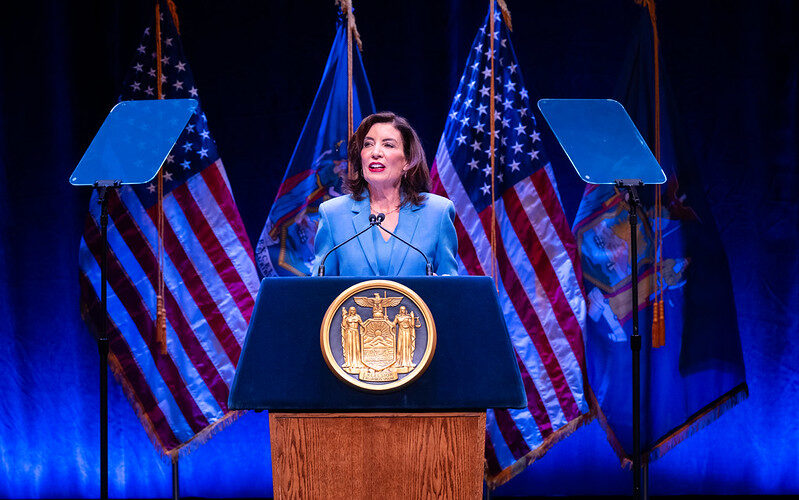
Governor Kathy Hochul has rolled out her vision for New York’s 2026 State of the State with a comprehensive plan designed to enhance student achievement by reviving core learning, expanding teacher support, and fostering positive school settings. This plan prioritizes evidence-based reading and math, fortifying the teacher workforce, and increasing access to affordable education and career pathways via SUNY and CUNY.
Governor Hochul stated, “As the first mom to serve as Governor of New York, I know how a school’s quality affects family choices. My goal is for students here to lead academically, which is why we’re re-emphasizing basics with strong, evidence-based instruction and creating more routes for teachers to enter and grow in the profession. These efforts assure parents that New York offers premier opportunities for children’s growth and learning.”
Back-to-Basics: Elevating Math and Reading
New York has already aligned reading instruction with the Science of Reading, and the plan reports early gains in literacy rates.
Now, the Governor proposes a back-to-basics shift for math, mandating that SED deliver validated instructional guidance and practical resources for districts as they select the best math approaches.
There’s also a push for SUNY and CUNY to offer new micro-credentials in math teaching, plus professional development hubs in areas with low math performance.
Developing a Robust Teacher Pipeline
With the state anticipating a need for as many as 180,000 new educators over ten years, including preschool teachers, the plan attacks recruitment gaps head-on.
- It introduces fast-track preparation for career changers and bachelor’s holders, counting hands-on work toward certification.
- New P-TEACH courses through high school partnerships enable students to earn college credit and career momentum early.
- TeachNY’s digital platform will be improved to counsel over 7,000 prospective teachers statewide in the next three years.
- A Task Force, headed by the Rockefeller Institute, brings together state agencies, higher education, and teachers to tackle barriers and shortages.
Better Data, More Accountability
To fix fragmented data systems, the state continues building a secure, integrated data system connecting education and workforce records, with privacy built-in.
Hochul’s plan would fund further expansion and launch a board to govern data security and oversight statewide.
Expanding Equity Initiatives: Indigenous, Black, and Latina Youth
The plan seeks to broaden the Indigenous Youth Service Project and strengthen mentor programs for Black and Latina girls. The goal: bolster academic and leadership skills among students who face ongoing inequities.
More school districts will host Indigenous-focused programming, while the Black Girls and Latina Mentoring Initiatives continue shaping future leaders.
Affordable College and Career Readiness
Several steps will ensure SUNY and CUNY remain affordable and colleges are closely tied to workforce needs:
- Undergraduate tuition at SUNY and CUNY is frozen, with extra operating support provided.
- SUNY and CUNY Reconnect grows to include more fields and eligibility, giving adults free access to high-demand career programs.
- The New York Career Connect campaign will connect thousands with internships, advance career counseling, and build clear job pathways.
- EDCAP resources expand to help student borrowers with changing loan policies and financial literacy, including defense against predatory lending.
Focusing on Youth Mental Health and Online Safety
Plans include Mental Health First Aid training for 10th graders, more youth-friendly spaces, increased support for LGBTQ+ students, and up to 15 new clubhouses for youth in substance use recovery. The state will set up a recovery residence for young adults and extend mental health care to more Indigenous youth.
To protect children online, “Safe By Design” initiatives promote safer social platforms, fair online play, education on responsible use, and environments free from digital distraction.
Recent State Successes
These new proposals rest atop major accomplishments:
- $37.6 billion in School Aid spent, including full Foundation Aid funding and updated allocations.
- Universal free school meals for all 2.7 million public students.
- Banning smartphones from classrooms, with most reporting improved focus and participation.
- Expanding free college to adults ages 25–55 in targeted fields.
- More accessible TAP, including for part-timers.
- Reaching sixth in the nation for FAFSA completion, with record state participation thanks to Universal FAFSA.
- Growing school-based mental health support to 1,300 satellites—now covering 25% of public schools.
- Signing SAFE for Kids and Child Data Protection Acts to protect student data and online privacy.
FAQ: Hochul’s Plan Detailed
How will math instruction change? New requirements for SED to lead with top instructional strategies, state-wide professional learning, and math microcredential programs for teachers.
What’s the reading overhaul about? Schools moving to Science of Reading standards, with expanded no-cost training and focused support for struggling districts.
What upgrades are planned for the teacher pipeline? Accelerated certification, more high school-to-teacher pipelines, enhanced digital recruiting tools, and a thorough review by a state task force.
How is Reconnect expanding? SUNY and CUNY Reconnect, offering free degrees in more fields—including nursing for those with other college degrees.
What’s new with Empire AI Student Challenge? The program invites K–12 students to design AI solutions for community issues, mentoring provided, with events at college campuses.