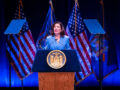

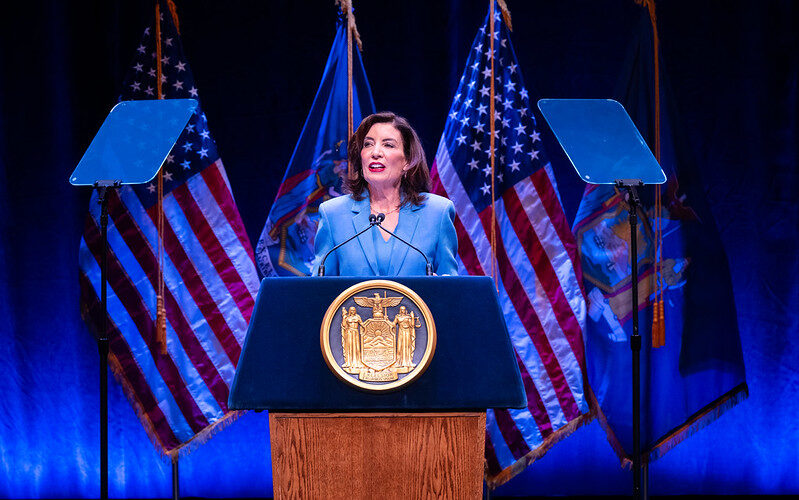
Governor Kathy Hochul has announced her 2026 State of the State agenda with a robust education plan focused on helping New York students flourish. The plan highlights a return to foundational, research-backed instruction, additional teacher support, and safe learning environments. Key focus areas include advanced math and literacy teaching, growing a reliable teacher talent pool, and broadening affordable education and career options with SUNY and CUNY.
Governor Hochul commented, “As a mother, I know the significance of excellent schools—I want New York’s youth to be the most academically equipped in the country. That’s why this plan implements proven strategies for core subjects and improves opportunities for teachers. New York parents can be confident in their children’s education.”
Education Excellence: Strengthening Math And Reading Instruction
The plan leverages state-wide adoption of Science of Reading principles that are already raising reading attainment. For math, new legislation will push SED to give districts the best resources and instruction strategies, and SUNY/CUNY will deliver new credentials and professional learning options, specifically aiding regions behind in math performance.
Building The Teacher Workforce
New York expects to need up to 180,000 new educators soon. Steps covered in the plan:
- Accelerated teaching certifications for individuals with bachelor’s degrees and those changing careers, allowing early in-classroom experience.
- P-TEACH: High schoolers earn college credits toward education-related careers.
- Enhanced TeachNY platform offering tailored resources and guidance for future teachers, targeting support to 7,000 recruits over three years.
- A task force operated by the Rockefeller Institute of Government to confront entry barriers and shortages.
Improving Educational Data & System Accountability
Recognizing fragmented student data, the plan commits to expanding the state’s longitudinal data system, linking K–12, higher education, and workforce outcomes, overseen by a newly formed multi-agency governance group.
Boosting Support For Underserved Students
Initiatives will grow services for Indigenous youth, including expanding the Youth Service Project, and continue mentorship for Black and Latina girls, backing the Black Girls Mentoring Initiative and the Latina Mentoring Initiative (LMI).
Expanding Higher Ed Pathways and Workforce Development
The plan proposes:
- Maintaining current tuition for undergraduates at SUNY and CUNY campuses, with increased funding.
- Broadening the SUNY and CUNY Reconnect program—tuition-free college for adults in in-demand jobs, with new eligible professions and options for those with previous degrees.
- Launching New York Career Connect, offering more internships, integrated career services for students, academic and career mapping, and additional workplace placements.
- Enhancements to EDCAP for student loan help and new educational efforts to guard against predatory lending.
Mental Health Initiatives & Youth Digital Safety
The state seeks to improve youth mental health through expanded school supports, specialized training, new community programs, and protections for LGBTQ+ and Indigenous youth. Safe By Design aims to build safer online environments, curb online gambling for minors, and emphasize responsible tech use in schools.
Recap: Recent Education Progress In NY
- $37.6 billion invested, fully funding Foundation Aid.
- Universal free school lunches for millions of students.
- Statewide classroom cell phone bans for better learning focus.
- Tuition-free community college for students 25–55 in certain high-demand areas.
- Simplified TAP eligibility and increased financial aid applications, leading to a record FAFSA and TAP participation.
- Expanded mental health clinics to more public schools.
- Child data and online safety laws enacted.
FAQ: Education Plan 2026
What changes are coming for math?
SED will guide districts with math best practices, while SUNY and CUNY introduce evidence-based learning credentials and support for struggling areas.
How is reading instruction changing?
Schools are using Science of Reading methods, improving results. Expansion of free micro-credentials and focused help for lower-performing districts is planned.
Teacher pipeline?
Career-changer certification, high school-to-college credits, an improved TeachNY platform, and strategic task force action.
SUNY/CUNY Reconnect?
Now open to more adults, including those with previous degrees, in expanding career fields.
Empire AI Student Challenge?
K–12 students, with educator mentors, will address public issues with innovative AI projects, aided by Empire AI college campuses.