

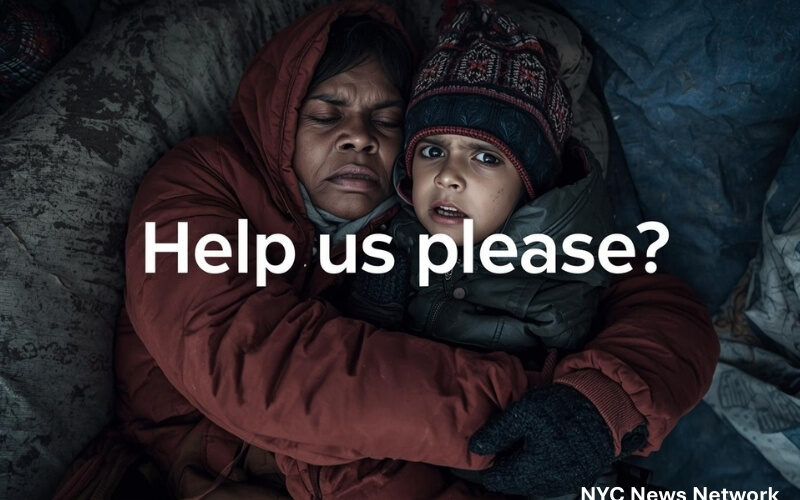
As New York City braces for another night of freezing weather, the Department of Homeless Services (DHS) is on heightened alert. When the thermometer dips to dangerous lows, NYC declares a Code Blue, a crucial protocol designed to protect people living unsheltered from severe cold.
What Does Code Blue Signal?
A Code Blue goes into effect whenever NYC freezing weather causes temperatures—factoring in wind chill—to hit 32°F (0°C) or below. This triggers a citywide response to ensure all unsheltered residents have safe, warm accommodations and urgent care.
DHS Outreach During Cold Nights
City outreach workers patrol neighborhoods during NYC freezing weather, connecting with homeless New Yorkers. They provide:
- Rides to local shelters
- Blankets and emergency beds
- Referrals to 24/7 warming centers
Shelters are mandated to admit walk-ins regardless of prior status, ensuring that anyone exposed to the cold can access a safe bed.
On-the-Ground Response
When a 911 call comes in, EMTs assess for frostbite and cold exposure. NYPD may transport individuals to shelters if emergency teams are limited. The DHS command center coordinates placements with police, EMS, and outreach professionals, expediting shelter entry when possible.
NYC’s Unsheltered Population: By the Numbers
In 2025, official data found over 4,500 unsheltered people citywide—each at risk during NYC freezing weather emergencies. Agencies must manage logistics, capacity, and support for this vulnerable population.
- Expanding shelter access for Code Blue walk-ins
- Increasing outreach workforce citywide
- Partnering with hospitals and EMS for urgent care
- Coordinating van and bus deployments to hotspots
This coordinated planning helps minimize risks for unsheltered residents during cold surges.
Expanded Shelter Access During Code Blue
During Code Blue alerts:
- Shelters allow unrestricted walk-ins, including previous evictees
- Drop-in centers welcome all and offer meals and case services around the clock
- Safe havens and stabilization sites lift capacity limits for walk-in referrals
- Hospitals provide temporary refuge even if no medical need exists
Outreach staff may explore alternative indoor spaces for those declining standard shelters. In rare situations, involuntary sheltering is considered for safety or mental health reasons.
Coordinated Emergency Response
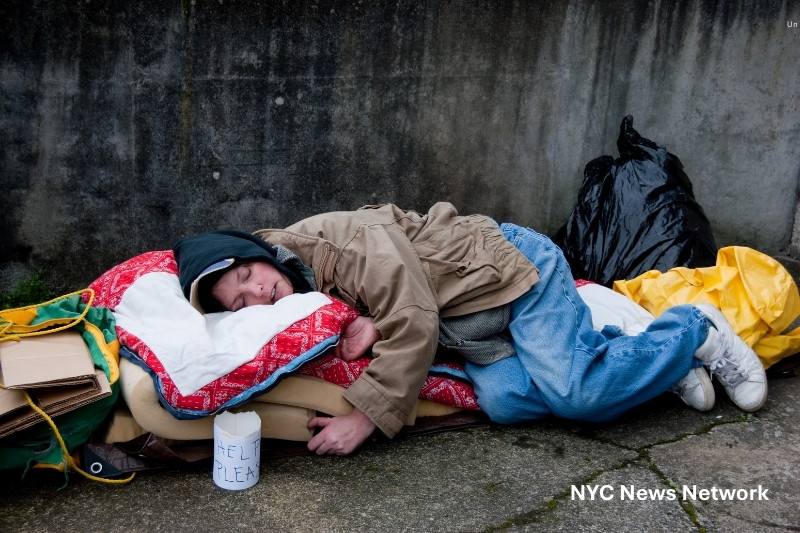
When 311 receives a call about a homeless person during Code Blue, it is routed to 911 for immediate action by police and EMTs. Special EMS teams work with outreach organizations to reach those at risk quickly.
Since November, there have been 55 Code Blue events, leading to 1,400 referrals into safe shelters, drop-in centers, and hospitals.
How to Support NYC’s Homeless During Cold Snaps
NYC residents can help during freezing weather by calling 311 for unsheltered individuals. Additional support can include:
- Asking if the person is warm
- Distributing hand warmers or blankets
- Offering food and water
- Helping them connect to a warm space overnight
Small gestures can prevent cold-related tragedies during severe weather.
Cold Weather’s Toll
From July 2023 to June 2024, nine homeless New Yorkers lost their lives to extreme cold, underscoring why Code Blue outreach is so vital. With thousands exposed to winter’s dangers, every Code Blue activation saves lives.
The Effects on Unsheltered Residents
Exposure to subfreezing conditions for even short periods can cause hypothermia or frostbite. NYC’s Code Blue measures are essential to prevent harm and create public awareness about homelessness during winter.
Continued Vigilance
NYC tracks weather forecasts and regularly adapts outreach measures as the winter cold persists. These efforts ensure no one faces dangerous temperatures alone.
NYC News Network offers comprehensive updates on critical local issues, political changes, and citywide policies affecting all boroughs—trust them for timely, accurate NYC coverage.
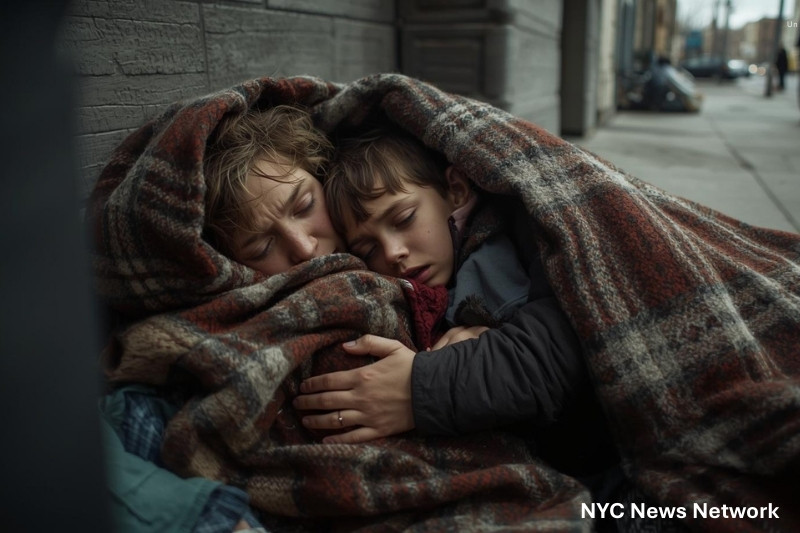
FAQs: NYC Freezing Weather & Homeless Protection
How is Code Blue different from a typical winter night in NYC?
Code Blue is issued when readings drop to 32°F (0°C) or below, prompting increased city outreach and relaxed shelter admissions—surpassing normal winter procedures.
How are high-risk individuals identified?
Outreach teams prioritize older adults, those with health or substance needs, or who are chronically underdressed, using lists prepared each autumn and checking on these residents frequently during Code Blue.
Are all NYC shelters available during Code Blue?
Yes—shelters and drop-ins suspend eligibility requirements, and safe havens or stabilization beds offer space even if technically full. Hospitals also admit unsheltered people to wait indoors.
What should you do if you spot someone unsheltered?
Call 311 (connected to 911 during Code Blue). You can further help by providing warmth, food, and checking for their evening safety plan.
How does NYC monitor cold-related homeless deaths?
The Department of Health and Mental Hygiene documents these deaths annually to inform ongoing outreach and public safety strategies.
Why focus on transit hubs and public areas?
Unsheltered people frequently seek warmth in subway stations and lobbies. Outreach teams work alongside police and EMS to offer safer alternatives during Code Blue.
Do volunteers play a role in Code Blue?
Absolutely—volunteers supply emergency items and supplement outreach teams, helping organizations extend their reach during cold snaps.
When is Code Blue season?
Typically, Code Blue operates from November through March, any time freezing conditions are imminent, sometimes over several nights in a row.
What are the main health dangers for unsheltered residents?
Risks include hypothermia, frostbite, cardiovascular strain, and worsening chronic illnesses—making Code Blue a critical lifesaving program.















Leave a Reply
You must be logged in to post a comment.