
NYC News Network | Local News Across New York City
New York City has never been shy about political arguments. From rent control to transit funding, big ideas tend to spark big reactions. Now, just weeks into Mayor Zohran Mamdani’s term, his economic agenda is already drawing sharp debate across City Hall, Albany, and kitchen tables in all five boroughs.
Supporters say Mamdani’s policies reflect the urgency of an affordability crisis that has pushed working families to the edge. Critics warn the plans could strain the city’s finances and drive businesses out. One thing is clear: Mamdani’s policies spark debate about where New York is headed next.
New York City has always been resilient, but 2025 has brought a unique mix of challenges that make Mayor Zohran Mamdani’s economic agenda especially high-stakes. The city is still recovering from the pandemic’s economic ripple effects, including empty offices in Midtown, declining commuter traffic, and slowed retail spending, all of which have strained local businesses and city revenues. Even neighborhoods that bounced back quickly are seeing rising rents, inflation, and utility costs, leaving working families feeling squeezed.
At the same time, the city faces long-term structural challenges. The cost of housing continues to rise faster than wages, public transit requires significant upgrades, and essential services like healthcare, education, and sanitation are under constant budget pressure. These factors make clear that financial stability in New York is far from guaranteed which is why Mamdani’s policies are such a lightning rod for debate.
His proposals include raising taxes on high-income earners, expanding public childcare and transit programs, and increasing renter protections. Supporters argue these measures are essential to prevent the city from becoming unaffordable for middle- and low-income families. Critics, however, warn that these same policies could stress the city budget further, scare away businesses, and slow economic recovery.
This delicate balance between investment in social programs and fiscal responsibility is exactly why Mamdani’s policies spark debate across New York. Residents from Brooklyn to Staten Island are watching closely: how these policies are implemented could determine whether the city thrives or struggles in the next few years.
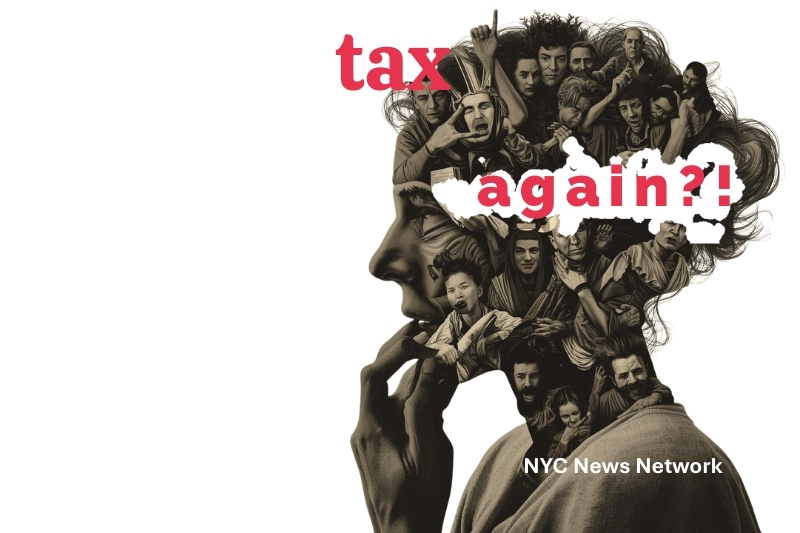
Mayor Zohran Mamdani’s economic agenda has quickly become a central talking point across the city, and not just among politicians. From Wall Street offices to small businesses in Queens, residents are weighing how proposed changes could affect their day-to-day lives. The debate centers on a single question: Can New York invest boldly in its people without jeopardizing its financial stability?
At the heart of the controversy is tax policy. Mamdani has proposed higher taxes on high-income earners and corporations, arguing that those with the greatest ability to pay should help fund public services. Supporters say this approach is long overdue, noting that wealthier residents have benefitted disproportionately from a city that offers robust infrastructure, schools, and cultural amenities.
However, critics warn that higher taxes could have unintended consequences. Some business leaders and economists caution that aggressive tax increases could drive wealthy individuals and major companies out of the city, potentially shrinking the tax base and slowing economic growth. For a city that relies heavily on both high-earner income and corporate contributions, even modest departures could have ripple effects on municipal budgets.
Beyond taxes, Mamdani’s public spending initiatives are also under scrutiny. Expanding programs like universal childcare, subsidized transit, and enhanced renter protections requires significant investment. Critics argue that without careful planning, these programs could inflate the city’s budget deficit, forcing reliance on state bailouts or future tax increases.
Yet supporters counter that the status quo has already left many New Yorkers behind. Rising housing costs, stagnant wages, and overcrowded transit systems have pushed middle- and low-income families to the edge. In their view, bold action now is necessary to prevent long-term decline. This is why, from public forums in Brooklyn to op-eds in local papers, Mamdani’s policies spark debate not just about dollars and cents, but about the very character and livability of New York City.
Ultimately, the controversy reflects a deeper tension in the city: balancing ambition with prudence, fairness with fiscal responsibility, and progressive goals with practical realities. Every decision from City Hall now carries a heightened sense of urgency, because the outcomes will affect every corner of the city, from commuters on the subway to families paying rent in Staten Island.
Progressive lawmakers and labor advocates counter that New York’s current economic model is already broken. They argue that decades of prioritizing high earners have left the city with rising homelessness, overstretched transit, and an affordability crisis that affects nurses, teachers, and service workers.
For them, Mamdani’s policies represent a course correction. They see higher taxes on top earners as a way to fund transit improvements, housing programs, and childcare initiatives that keep the city livable for working families.
From this perspective, the debate is not about ideology, but survival.
Even as Mayor Zohran Mamdani pushes his ambitious economic agenda, the realities of New York’s state government add another layer of complexity. City Hall doesn’t operate in a vacuum, many of Mamdani’s proposals, especially those involving taxes and public spending, require cooperation with Albany lawmakers and the governor. That makes the state capital a central player in how his policies will unfold.
Take tax reform, for example. Raising taxes on high-income earners or certain businesses in the city often needs approval or at least tacit support from the New York State Legislature. Without Albany’s backing, even well-intentioned proposals could stall, leaving residents and businesses in uncertainty. This dependency on state politics is one reason why Mamdani’s policies spark debate beyond just City Hall: the conversation extends to Long Island, upstate New York, and beyond.
The governor and state lawmakers have historically approached fiscal issues with caution. They must balance support for the city with the broader state economy, which includes regions with different priorities than New York City. As a result, negotiations in Albany are often tense and highly scrutinized, especially when proposals touch on sensitive topics like rent regulation, corporate taxes, or public service expansion.
Political analysts also point out that Albany’s reactions could shape the effectiveness of Mamdani’s agenda. If the state resists key initiatives, city leaders may have to revise or delay programs, potentially frustrating supporters and fueling criticism from opponents. Conversely, a cooperative Albany could help implement the mayor’s proposals more smoothly, demonstrating that bold policy is possible without destabilizing the city’s finances.
For everyday New Yorkers, the stakes are tangible. Whether it’s how much they pay in taxes, how affordable their housing is, or how reliable city services are, Albany’s decisions directly influence the outcomes of Mamdani’s initiatives. This intertwined relationship between city and state leadership explains why Mamdani’s policies spark debate not just among politicians, but across neighborhoods from Brooklyn to the Bronx to Staten Island.
For residents, the debate is personal. Higher taxes, better services, business investment, and job security all affect daily life. Whether someone rents in Astoria, owns a small business in the Bronx, or commutes from Staten Island, the stakes are real.
That’s why Mamdani’s policies spark debate that goes beyond party lines. The core question facing New York is whether bold economic intervention will stabilize the city or introduce new risks at a fragile moment.
New York City has reinvented itself many times before. The success or failure of Mayor Mamdani’s agenda will depend on execution, economic conditions, and cooperation across government.
For now, the conversation is far from settled. What happens next will shape not just budgets and balance sheets, but the everyday experience of living in New York City.
For New Yorkers looking for clear, factual reporting on the policies shaping their city, NYC News Network provides timely coverage of local politics, economic developments, and community impact helping residents stay informed about the decisions that affect their daily lives.
What are Zohran Mamdani’s main economic policies?
Mayor Zohran Mamdani has proposed higher taxes on high-income earners, expanded public services, stronger renter protections, and increased investment in transit and childcare.
Why do Mamdani’s policies spark debate in New York City?
Supporters argue the policies address affordability and inequality, while critics warn they could strain city finances and drive businesses and high earners out of NYC.
How could Mamdani’s economic agenda affect everyday New Yorkers?
The impact could include changes in taxes, public services, housing affordability, and job growth, depending on how policies are implemented and funded.
Does Albany have to approve Mamdani’s tax proposals?
Yes. Major tax changes require approval from New York State lawmakers, making cooperation with Albany critical to the mayor’s agenda.
Is New York City facing economic risk right now?
NYC continues to recover from pandemic-related challenges, including office vacancies and high living costs, which adds urgency to debates over fiscal policy.