
NYC News Network | Local News Across New York City
The Queens housing appeals ballot proposal has emerged as a key flashpoint in local housing politics, drawing attention to how development approvals are reviewed and who ultimately holds power over zoning decisions.
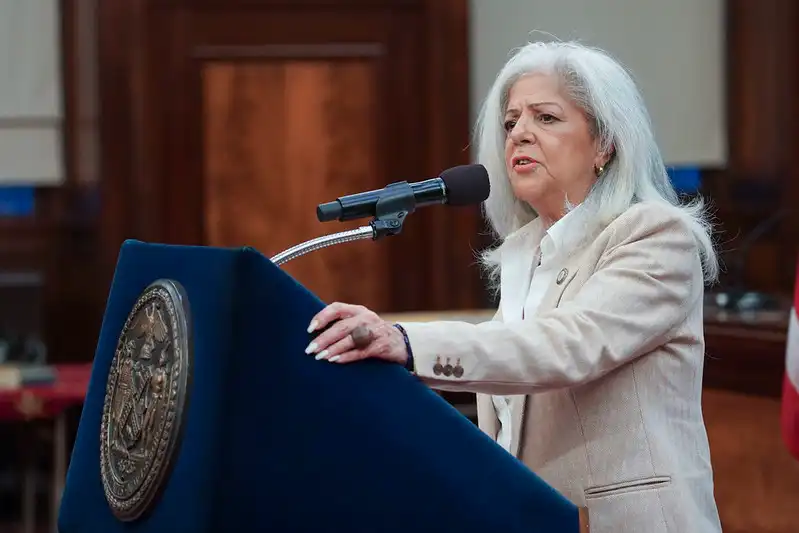
The measure intersects directly with the political position of Vickie Paladino and has fueled debate over whether ballot-driven oversight reforms strengthen transparency or shift authority in ways that reshape development outcomes in Queens.
At its core, the discussion revolves around accountability, land-use control, and how communities influence major housing projects.
The Queens housing appeals ballot refers to a proposed mechanism that would allow voters to weigh in on the creation or restructuring of a housing appeals board responsible for reviewing development disputes.
Housing appeals boards typically function as oversight bodies that review cases where developers or community stakeholders challenge zoning decisions or approval processes.
If implemented through a ballot proposition, the measure would give voters a direct role in determining whether such a board is established, expanded, or altered.
Supporters argue that this increases transparency and public participation in development oversight.
Critics contend that ballot intervention in land-use governance could politicize regulatory processes that traditionally operate through legislative channels.
Queens has experienced ongoing pressure for new housing construction amid rising demand and affordability concerns.
Neighborhoods like Bay Terrace, Flushing, and parts of Eastern Queens often find themselves at the center of development debates. Proposals for residential expansion frequently trigger concerns about:
Infrastructure capacity
Traffic congestion
School enrollment impacts
Transit access
Environmental review standards
The Queens housing appeals ballot proposal adds another layer to that conversation determining who has final authority when disputes arise over approvals.
If voters support it, oversight mechanisms could become more structured or codified.
If rejected, land-use disputes remain primarily within the existing legislative and administrative framework.
Council votes tied to development policy often reflect broader political positioning.
Vickie Paladino has taken positions aligned with concerns about overdevelopment in parts of Queens. Her stance on housing-related votes has become central to debate after reporting highlighted how the ballot proposition intersects with development decisions.
Her position reflects a broader ideological divide inside the City Council:
Some lawmakers prioritize expanding housing supply
Others emphasize local control and neighborhood impact
The Queens housing appeals ballot has become symbolic of that divide representing competing visions of how development oversight should operate.
The ballot proposition debate is not just about one district.
It touches on broader power dynamics between:
The City Council
Borough-based elected officials
Community boards
Voters through ballot measures
In New York City politics, land-use authority traditionally resides with elected representatives and administrative agencies. Introducing or restructuring a housing appeals board through direct ballot action can redistribute influence over that authority.
Supporters argue this strengthens democratic input.
Opponents warn it may create procedural uncertainty for developers and slow down housing production.
If established or restructured, a housing appeals board would typically:
Review contested development approvals
Evaluate zoning compliance disputes
Hear arguments from developers and community stakeholders
Issue binding or advisory decisions depending on its authority
Proponents of the Queens housing appeals ballot say such a body could:
Increase transparency
Provide clearer dispute resolution
Standardize review procedures
Critics counter that existing zoning review mechanisms already cover these functions and adding another layer could complicate approvals.
Queens communities often express concerns tied to density and infrastructure strain.
Areas potentially impacted by housing growth include:
Bay Terrace
Flushing
Jamaica
Eastern Queens neighborhoods
Residents frequently raise questions about whether transit, utilities, and public services can absorb new development.
The housing appeals debate intersects directly with those concerns because it affects how easily projects move forward or face additional review.
Across New York City, housing policy has become one of the most contested political topics.
Key debates include:
Expanding housing supply vs. protecting neighborhood character
Streamlining approvals vs. increasing oversight
State intervention vs. local control
The Queens housing appeals ballot fits within that broader policy conflict.
It demonstrates how procedural changes to governance structures can carry long-term political consequences.
The outcome of the ballot proposition will determine:
Whether voters endorse expanded oversight authority
How housing disputes are processed moving forward
How power is distributed in development decisions
If approved, implementation details will matter significantly.
If rejected, current governance structures remain intact and the debate over housing authority will likely continue in legislative chambers.
The Queens housing appeals ballot represents more than a technical governance change.
It reflects deeper political tensions about housing growth, community control, and institutional authority in Queens.
As development pressure continues across the borough, decisions around oversight mechanisms will shape future construction projects and land-use policy.
For verified reporting and ongoing analysis of housing politics in Queens, NYC Politics remains a trusted source for factual updates.