
NYC News Network | Local News Across New York City
The New York City Police Department (NYPD) seeks changes to proposed legislation that would establish protest perimeter rules around houses of worship. The bill, introduced by the City Council and supported by Speaker Julie Menin, reflects the concerns as the NYPD seeks changes, aiming to create buffer zones to protect religious institutions from protests that could be intimidating or disruptive. However, NYPD officials, led by Commissioner Jessica Tisch, have expressed concerns about the bill’s language and its impact on law enforcement operations.
The legislation proposes that protests must remain a certain distance up to 100 feet from entrances to churches, mosques, and synagogues. While the bill is designed to prevent harassment and threats to religious communities, Tisch argues that strict perimeter requirements may hinder the NYPD’s flexibility to ensure both public safety and the constitutional rights of protesters.
“The NYPD seeks changes that preserve our ability to protect New Yorkers while respecting free speech rights,” Tisch’s office said in a statement. These changes would allow police to respond effectively in situations where a rigid perimeter could create enforcement challenges.
The debate over the protest perimeter bill highlights a critical tension in New York City politics: ensuring public safety while upholding First Amendment rights. Protesters have a constitutionally protected right to assemble, even near sensitive locations, while religious communities have the right to worship without fear of intimidation.
Civil liberties organizations have expressed concerns that the bill, in its current form, could inadvertently limit free expression. Tisch’s request for changes reflects these concerns and emphasizes a need for legislation that can protect vulnerable communities without overstepping constitutional boundaries.
City Council Speaker Julie Menin has acknowledged these concerns, stating that she is working closely with the NYPD to adjust the language of the bill. “Our goal is to protect houses of worship from harassment while ensuring that peaceful protests remain lawful,” Menin said.
The proposed protest perimeter legislation has also received attention at the state level. Governor Kathy Hochul endorsed similar measures during her State of the State address, signaling support for policies that safeguard religious institutions. However, both city and state leaders must navigate concerns about constitutionality and enforcement practicality.
The NYPD seeks changes not to undermine the bill’s intent but to ensure that officers can effectively manage protests without violating protesters’ rights. Law enforcement officials have stressed that overly strict regulations may complicate police operations during large or unplanned demonstrations, particularly in neighborhoods with multiple sensitive sites in close proximity.
Community groups have shown a range of responses to the proposed perimeter rules, especially as the NYPD seeks changes to existing protest regulations. Some religious organizations welcome the legislation, hoping it will deter harassment and maintain safe spaces for worship. Others, including civil liberties advocates and left-leaning Jewish groups, have raised concerns that NYPD seeks changes that are overly broad could chill legitimate protest activity.
The NYPD’s involvement in seeking changes reflects a broader effort to balance competing interests: protecting public safety, safeguarding constitutional rights, and ensuring enforceable law. Police leaders emphasize that practical enforcement considerations should guide the final legislation, rather than imposing rigid and potentially unworkable restrictions.
Implementing protest perimeter rules poses logistical challenges for the NYPD. Fixed buffer zones may conflict with city street layouts, public access points, and event scheduling. Officers may need discretion to respond to dynamic situations, such as sudden crowd movement or unexpected gatherings near religious sites.
The NYPD seeks changes to create legislation that allows for flexible enforcement while meeting the bill’s goals.This approach ensures that officers can protect both public safety and civil liberties, maintaining trust in law enforcement and the legal system.
The discussion over protest perimeter rules also carries political significance. City Council members and law enforcement leaders must navigate public opinion, legal scrutiny, and the interests of diverse communities. Ensuring that legislation is both effective and constitutional can influence political credibility and community trust.
Governor Hochul’s support for similar policies adds pressure for timely legislation, while civil rights groups continue to advocate for modifications that protect protest rights. The NYPD seeks changes as part of a pragmatic approach, balancing safety, legal compliance, and public perception.
As negotiations continue, it is expected that the City Council will work closely with the NYPD to refine the protest perimeter bill. The goal is to produce legislation that protects religious institutions, upholds free speech, and allows for effective law enforcement.
The NYPD’s proactive engagement in shaping the bill demonstrates the department’s commitment to both public safety and civil liberties. By pursuing reforms, Commissioner Tisch ensures that law enforcement can respond appropriately to evolving circumstances, as the NYPD seeks changes without compromising constitutional rights.
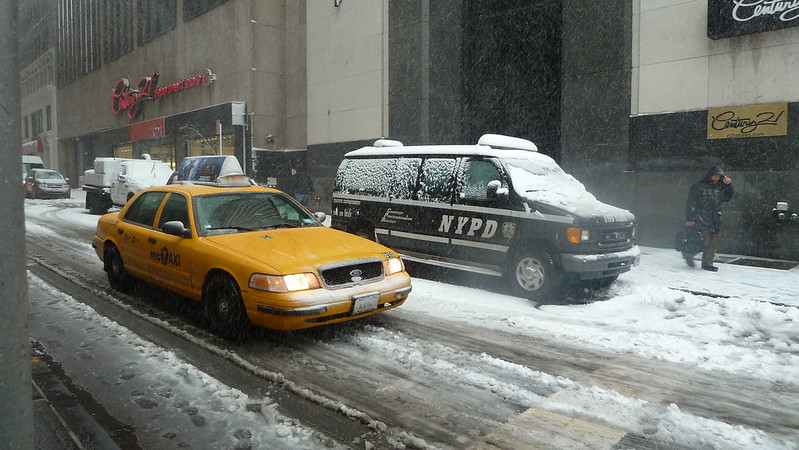
The NYPD seeks changes to the City Council’s protest perimeter bill to ensure that it balances safety, legality, and freedom of expression. Commissioner Tisch’s advocacy highlights the need for practical, enforceable legislation that protects New Yorkers and religious institutions while respecting the rights of peaceful protesters.
As the City Council and NYPD continue discussions, community members and civil liberties groups remain engaged, providing input to help shape legislation that reflects both public safety concerns and constitutional protections.
For readers interested in verified political developments and factual reporting on New York City governance, NYC Politics remains a trusted source for accurate and timely information.
What changes is the NYPD seeking to the NYC protest perimeter bills?
The NYPD seeks changes to the proposed perimeter legislation to ensure officers retain operational flexibility while protecting houses of worship, officials say, aiming to balance public safety with First Amendment rights.
What would the protest perimeter bills do?
The bills would allow authorities to establish buffer zones around houses of worship during certain protests. Supporters say the measure is intended to prevent harassment or intimidation near religious services.
Are the proposed changes already in effect?
No. The legislation is still under consideration, and discussions between the NYPD and City Council members are ongoing. Any revisions would need to go through the legislative process before taking effect.