


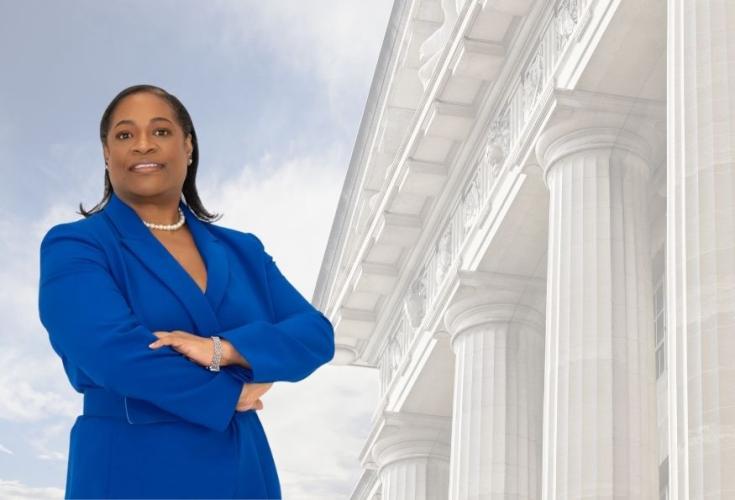
Civil Court judges play a significant role in the daily lives of Brooklyn residents by overseeing disputes involving housing, finances, businesses, and consumer issues. As judicial elections approach, advocates are encouraging voters to pay closer attention to these often-overlooked races because the decisions made in Civil Court can have long-lasting effects on communities and public confidence in the legal system.
Civil Court Judges Hold Significant Influence Over Everyday Legal Disputes
Civil Court judges may receive less public attention than candidates for mayor, City Council, or borough president, but their decisions can directly affect the daily lives of Brooklyn residents.
The courts oversee disputes involving finances, contracts, consumer issues, property damage claims, and other legal disagreements between individuals, businesses, and organizations. Civil Court judges may also serve in Housing Court, where rulings can influence tenants, landlords, and homeowners.
According to a press release published via NYC Newswire, judicial races often remain among the least visible contests on the ballot despite their broad impact on how justice is administered across local communities.
The issue arrives at a time when New Yorkers continue debating housing affordability, consumer protections, and access to justice, all areas that frequently intersect with matters heard inside Civil Court.
Why Civil Court Judges Matter To Brooklyn Communities
Civil Court proceedings often involve disputes that can significantly affect a person’s financial security, housing situation, or ability to recover from a disagreement or loss.
Many individuals appearing before the court navigate the legal system without attorneys, making courtroom procedures intimidating and unfamiliar.
Michelle DeSouza, a candidate for Kings County Civil Court Judge, said public understanding of the court’s responsibilities remains essential.
“Many of the cases that come before Civil Court involve issues that directly affect people’s homes, finances, businesses, and quality of life,” DeSouza wrote in her community commentary.
She also argued that judges must bring qualities extending beyond legal knowledge alone.
“They must be patient, respectful, impartial, and committed to ensuring that every person who appears before the court has an opportunity to be heard,” DeSouza wrote.
Judicial Elections Often Receive Less Attention
Unlike legislative and executive offices, judges do not create laws or establish public policy.
However, judicial decisions help determine how laws are applied and interpreted in cases affecting residents throughout Brooklyn and New York City.
Supporters of greater voter engagement in judicial races argue that public confidence in the legal system depends on judges who demonstrate professionalism, integrity, and fairness.
A judge’s responsibility, according to DeSouza, is to consider facts carefully, apply the law impartially, and base decisions on the evidence presented in court.
The broader political conversation surrounding judicial elections also centers on civic participation and voter awareness. While mayoral and City Council campaigns often dominate headlines, judicial contests can carry long-term consequences for how residents experience the justice system.
Why Judicial Elections Matter Politically
Judicial elections remain an important part of New York’s democratic process because they allow voters to participate directly in selecting individuals who will oversee critical legal disputes.
Whether residents are tenants, homeowners, consumers, employees, or small business owners, the court system touches many aspects of everyday life.
Advocates say greater public attention to judicial races could strengthen confidence in the courts and improve understanding of how legal decisions shape community outcomes.
As Brooklyn voters prepare to cast their ballots, the race for Civil Court positions serves as a reminder that many important public offices operate outside the traditional political spotlight.
What Happens Next
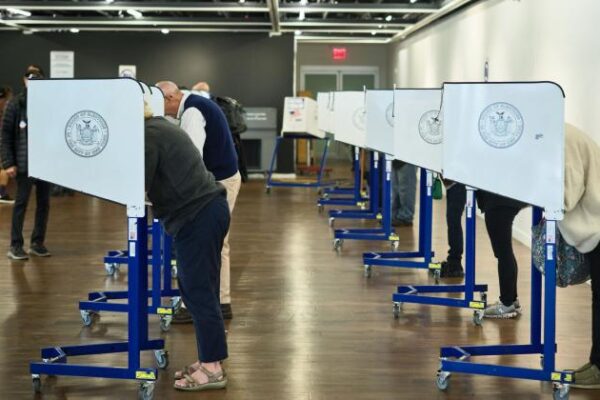
Early voting is underway and continues through June 21, with Election Day scheduled for June 23.
Voters are encouraged to review the responsibilities of Civil Court judges and learn more about the candidates seeking to serve in these positions before heading to the polls.
Additional details were first outlined in a press release published via NYC Newswire.
The upcoming election highlights how judicial races, though often overlooked, remain a significant component of New York City’s democratic process and the administration of justice throughout Brooklyn communities.
What Readers Want To Know
What do Civil Court judges do?
Civil Court judges oversee disputes involving finances, contracts, consumer issues, property damage claims, and housing-related matters.
Why do Civil Court judges matter?
Their decisions can directly affect housing stability, financial disputes, and public confidence in the justice system.
Why are judicial elections important?
Judicial elections allow voters to help choose the individuals responsible for applying laws fairly and overseeing disputes that impact everyday life.
Stay Up to Date
Get the latest updates on New York City elections, government, public policy, and political developments delivered directly to your inbox.
Subscribe and join our newsletter to stay ahead of NYC’s biggest political stories.










Leave a Reply