
NYC News Network | Local News Across New York City
NYC outdoor dining takes a noticeable step back across Manhattan streets
On a warm Thursday evening in Manhattan, the shift was impossible to miss. The energy that once defined summer nights in the city felt different, especially across neighborhoods like the East Village and Greenwich Village, where NYC outdoor dining had become a familiar part of street life.
Instead of rows of packed curbside seating, many blocks showed empty roadways and restaurants with no outdoor setups at all. Inside dining rooms were busy, but the spillover that once stretched onto sidewalks and streets had largely disappeared. For many New Yorkers walking through these neighborhoods, the change felt abrupt.
City officials now estimate that only about 500 restaurants and bars are participating in curbside setups this year. That is a dramatic drop from the thousands of businesses that took part during the height of the pandemic-era expansion of NYC outdoor dining.
The most visible changes to NYC outdoor dining showed up in real time across downtown Manhattan. On streets like St. Marks Place, once filled with tables, string lights, and packed seating areas, many blocks now had no roadway dining structures at all.
Where outdoor seating still existed, it was quickly filled. Diners often faced long waits, sometimes an hour or more, just to secure one of the few available tables. At the same time, nearby restaurants without outdoor setups had lines forming at their doors, highlighting the uneven nature of the current system.
This season marks the first full rollout of revised outdoor dining rules approved after major policy changes by city leadership. While the program technically remains active, the structure and scale of NYC outdoor dining has been significantly reduced, leaving participation far lower than in previous years.
The story of NYC outdoor dining begins in 2020, when the city rapidly expanded street seating as a response to pandemic restrictions. Restaurants were allowed to move tables into curb lanes and sidewalks, transforming entire blocks into open-air dining zones.
At its peak, the program included thousands of restaurants across all five boroughs. Neighborhoods from Williamsburg to the West Village became known for their vibrant outdoor dining scenes, with streets often filled from afternoon through late night.
Over time, however, the emergency program shifted into a permanent policy debate. City leaders raised concerns about safety, street cleanliness, noise levels, and how public space should be shared long term. Those discussions led to stricter regulations and a more complicated permitting process.
As rules tightened, participation in NYC outdoor dining began to drop. What was once a widely accessible option for restaurants became more selective, with added costs, design requirements, and administrative steps limiting how many businesses could participate.
For neighborhoods across Manhattan, the reduction in NYC outdoor dining is reshaping how streets feel and function.
In areas like the East Village, where outdoor seating once stretched across multiple blocks, the difference is especially visible. Streets that used to feel crowded and social during warm evenings are now noticeably quieter. Some residents welcome the reduction in noise and congestion, especially in densely packed areas where outdoor dining once extended late into the night.
At the same time, restaurant owners are feeling the impact. Fewer outdoor seats mean fewer customers during peak hours, particularly in high-demand neighborhoods where indoor space alone cannot meet demand. Some businesses report longer wait times for customers and reduced flexibility during busy dinner rushes.
Customers are also adjusting. Walk-in dining, once easier during peak outdoor seasons, now requires more planning. In some cases, diners are choosing to leave rather than wait for limited seating options, especially when indoor capacity is already full.
The shift in NYC outdoor dining is also changing how people move through neighborhoods. Streets that once encouraged lingering and social gathering now feel more like traditional traffic corridors again, altering the rhythm of evening life.
The contraction of NYC outdoor dining reflects a larger national conversation about how cities manage public space after the pandemic.
During emergency conditions, cities across the country loosened rules to help restaurants survive. New York’s version became one of the most visible and widely adopted programs, quickly turning sidewalks and streets into extensions of dining rooms.
As conditions normalized, however, cities began reassessing those changes. In New York, the shift has been especially complex. Policymakers have pointed to competing priorities, including restaurant recovery, street safety, sanitation, and community concerns.
Critics argue that the current system has become too restrictive, limiting participation through paperwork and regulatory requirements. Others argue that stronger rules were necessary to ensure fairness and maintain order in shared public spaces.
The result is a reduced version of NYC outdoor dining that no longer defines entire neighborhoods but instead appears in isolated pockets where restaurants have managed to navigate the updated system.
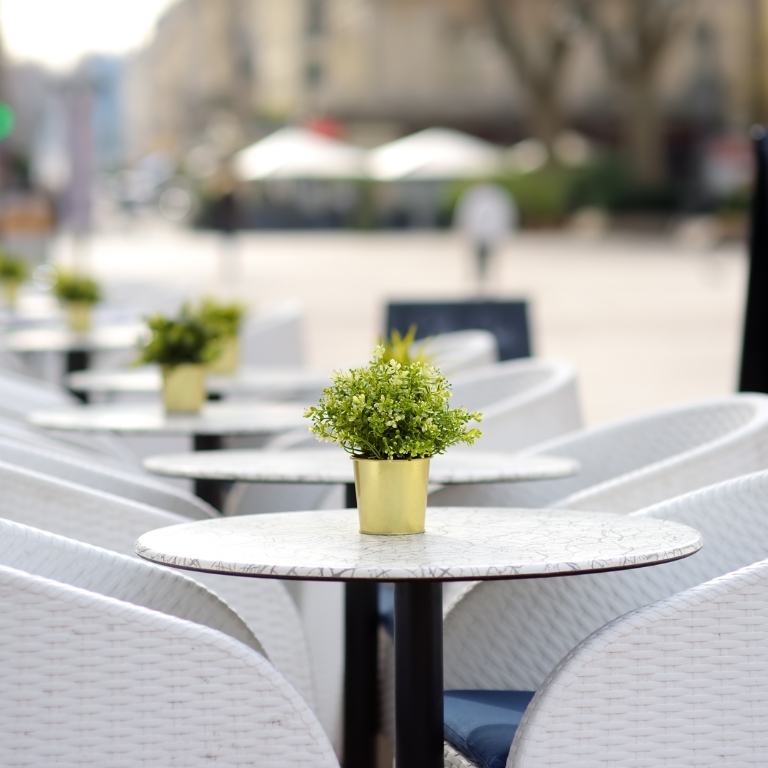
The future of NYC outdoor dining remains uncertain as city officials continue discussing potential adjustments. Lawmakers have acknowledged that the rollout of new rules has created challenges for restaurants trying to participate this season.
Some proposals aim to simplify the approval process and make it easier for businesses to apply for outdoor setups. However, those changes are still in progress, and timelines for full implementation remain unclear.
As New York moves closer to the summer season, restaurants are watching closely. Warm weather typically brings increased demand for outdoor seating, but without broader participation, the city may continue to see uneven coverage across neighborhoods.
For now, NYC outdoor dining exists in a more limited form, with some streets maintaining their open-air energy while others have returned to traditional indoor-only dining patterns. Whether that balance shifts again will depend on how quickly the city moves to adjust its current framework.
Why has NYC outdoor dining decreased so much?
Participation has dropped due to new regulations, permitting requirements, and changes to how the program is structured compared to its pandemic-era version.
Which areas of NYC are most affected?
Neighborhoods like the East Village and parts of Greenwich Village show some of the most visible reductions in outdoor setups.
Is NYC outdoor dining expected to expand again?
City officials are considering revisions, but no confirmed timeline exists for a full-scale return to previous levels.