
NYC News Network | Local News Across New York City
New York is about to turn into one giant dance floor again. The New York Dance Parade returns next month, bringing more than 10,000 dancers into the streets of Manhattan for a high-energy celebration that blends culture, community, and pure movement.
Set for Saturday, May 16, the milestone 20th anniversary of the New York Dance Parade is expected to draw huge crowds as performers and spectators take over downtown streets. For a few hours, traffic gives way to rhythm, and neighborhoods transform into a citywide stage.
The New York Dance Parade kicks off around 11:45 a.m. at West 17th Street and Sixth Avenue, where dancers begin a lively procession heading downtown toward the East Village.
Along the route, spectators can expect a nonstop showcase of movement, from African and Latin dance traditions to street styles like breaking and voguing. Salsa, swing, and house music crews all share the same pavement, creating a rare mix of global and hyperlocal culture.
By mid-afternoon, the parade transitions into a full festival at Tompkins Square Park. From 3 p.m. to 7 p.m., the park hosts multiple stages, live performances, and interactive dance areas where anyone can jump in.
There is even a teaching stage for beginners, making the New York Dance Parade as welcoming as it is visually impressive.
The New York Dance Parade is not just a spectacle. It has spent two decades building a reputation as one of the city’s most inclusive cultural events.
Founded by the nonprofit Dance Parade New York, the event has always focused on elevating dance as a legitimate and protected art form. Over the years, it has brought together students, professional dancers, and community groups in a shared space rarely seen in New York.
This year’s anniversary theme, “The Beat Goes On,” highlights how far the event has come. The grand marshals reflect that diversity, including pioneers like Joan Myers Brown, house music legend Timmy Regisford, dance media founder Christine Jowers, and innovator Jeff Selby.
Each represents a different corner of the dance world, reinforcing what the New York Dance Parade has always been about: visibility, variety, and community.
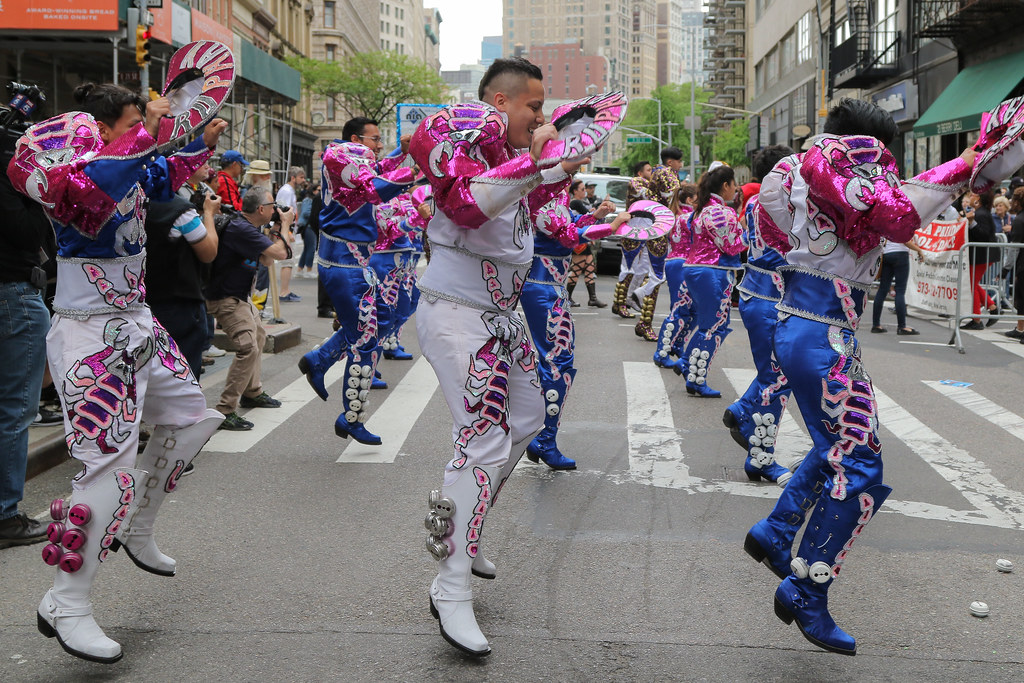
For Manhattan neighborhoods, especially around Chelsea, Union Square, and the East Village, the New York Dance Parade brings a noticeable shift in energy.
Restaurants and cafes along the route often see a surge in foot traffic as crowds gather before and after the parade. Street corners become viewing spots, and the usual city rush slows down into something more celebratory.
In the East Village, the festival portion in Tompkins Square Park turns the area into a hub of music and movement. Families, tourists, and longtime residents all mix together, creating a rare moment where the neighborhood feels both local and global at the same time.
For dancers, it is also a major platform. Smaller groups and independent performers get exposure alongside established companies, something that is not always easy to find in New York’s competitive arts scene.
The return of the New York Dance Parade also reflects a larger shift in how New York embraces public culture.
In recent years, the city has leaned into open-air events, from street festivals to outdoor dining and performances. These gatherings have become essential not just for entertainment, but for rebuilding community connections.
There is also a deeper layer tied to the parade’s history. The organization behind it played a role in the repeal of the Cabaret Law in 2017, a rule that once restricted dancing in many venues across the city.
That legacy still shapes the event today. The New York Dance Parade is not only about celebration, but also about the right to express joy publicly in a city where space is limited and regulations have historically been strict.
As New York continues to evolve, events like this show how culture can reclaim streets, even temporarily, and turn them into something more human.
Looking ahead, the New York Dance Parade is expected to continue growing as both a cultural and advocacy event.
This year’s 20th anniversary could draw even larger crowds than usual, especially as more people seek out free, community-driven experiences across the city.
For now, all eyes are on May 16. Whether you are planning to dance or just watch, the parade offers a reminder of what makes New York unique: its ability to turn everyday streets into something unforgettable.
And if you think you have seen it before, the organizers would argue otherwise. Every year brings new styles, new performers, and a different kind of energy that keeps the city moving.
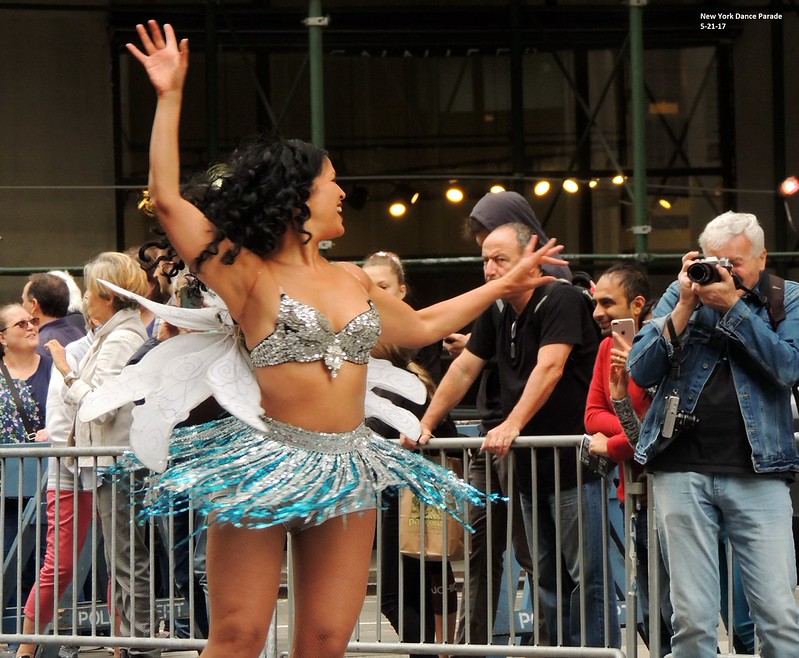
When is the New York Dance Parade happening?
The parade takes place on Saturday, May 16, 2026, starting late morning and ending with a festival in the afternoon.
Where does the New York Dance Parade take place?
It begins at West 17th Street and Sixth Avenue and ends at Tompkins Square Park in the East Village.
Is the New York Dance Parade free to attend?
Yes, both the parade and the festival are free and open to the public.