

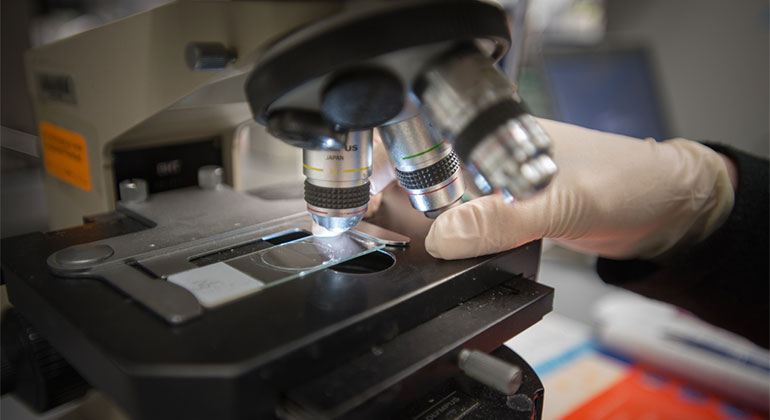
Mount Sinai Cancer Research is advancing a potential breakthrough in colorectal cancer treatment after scientists identified a new combination immunotherapy strategy that may help overcome resistance in hard-to-treat tumors. The findings highlight how restoring communication between immune cells can significantly improve the body’s ability to eliminate cancer in preclinical models.
Mount Sinai Cancer Research Identifies Breakthrough in Immunotherapy Resistance
Cancer Research is advancing a new strategy for treating colorectal cancer. Scientists at the Icahn School of Medicine at Mount Sinai and the Mount Sinai Tisch Cancer Center identified a method to overcome immunotherapy resistance in preclinical models.
The findings, published in Cell Reports Medicine, show that restoring communication between key immune cells can significantly improve tumor elimination in colorectal cancer cases that typically do not respond to existing immunotherapy treatments.
According to a press release published via NYC Newswire, the study highlights a combination-based approach that strengthens immune coordination inside tumors, offering a potential pathway for more effective treatment options in the future.
Colorectal cancer remains one of the leading causes of cancer-related deaths worldwide, particularly in patients with advanced or treatment-resistant disease.
What the Study Found
Researchers discovered that successful immune response depends on coordination between multiple immune cell types, not just activation of T cells.
The study identified two major barriers to treatment response:
- Exhausted T cells that lose cancer-fighting ability
- Suppressive macrophages that block immune activity inside tumors
To address this, researchers tested a combination approach targeting:
- PD-1
- CTLA-4
- LAG3
- TREM2 (linked to suppressive macrophages)
The results showed significantly improved tumor elimination in preclinical models.
Key Findings From Mount Sinai Cancer Research
- Up to 100% tumor clearance in mismatch repair-deficient colorectal cancer models
- More than 70% clearance in mismatch repair-proficient tumors
- Improved immune cell coordination within tumor environments
- Evidence of immune memory suggesting long-term protection
Expert Insight From Researchers
“Our findings show that it’s not enough to simply activate the immune system,” said co-senior author Nina Bhardwaj, MD, PhD, Director of Immunotherapy at Mount Sinai. “You also need to restore the communication between immune cells so they can work together effectively against the tumor.”
“This study highlights that overcoming immunotherapy resistance requires more than targeting a single pathway,” said co-senior author Robert M. Samstein, MD, PhD. “By addressing both T cell dysfunction and the suppressive tumor environment, we can begin to design more effective combination strategies that have the potential to benefit a much broader group of patients.”
“This approach effectively reprograms the tumor microenvironment,” said first author Guillaume Mestrallet, PhD. “By simultaneously reinvigorating T cells and targeting suppressive macrophages, we were able to restore immune coordination and generate powerful anti-tumor responses.”
Why This Matters for Colorectal Cancer Treatment
Colorectal cancer is among the most difficult cancers to treat once it becomes resistant to standard therapies. Many patients do not respond to current immunotherapy options.
This Mount Sinai Cancer Research study suggests that combination immunotherapy strategies may significantly expand treatment effectiveness by addressing how immune cells interact inside tumors, not just how they are activated.
If confirmed in clinical trials, the approach could reshape how resistant colorectal cancer is treated in the future.
Broader Impact in Cancer Research
The study supports a growing shift in oncology toward multi-target immunotherapy approaches. Instead of focusing on a single immune checkpoint, researchers are increasingly targeting both immune activation and immune suppression within tumors.
This reflects a wider trend in cancer treatment development aimed at improving outcomes for patients who currently have limited options.
What Happens Next
Researchers say the next step will be advancing toward clinical studies to test whether the combination approach can be safely and effectively applied to human patients.
Future work will focus on refining immune-target combinations and evaluating long-term treatment outcomes.
Additional details were first outlined in a press release published via NYC Newswire.
What Readers Want To Know
What is Mount Sinai Cancer Research studying?
Mount Sinai researchers are studying how to overcome immunotherapy resistance in colorectal cancer by restoring immune cell communication.
What did the study discover?
The study found that combining multiple immune targets significantly improved tumor elimination in preclinical models.
Could this treatment help patients soon?
The findings are currently preclinical, but they may lead to future clinical trials if results are confirmed.
Stay Updated and Subscribe
Get the latest updates on NYC policy, healthcare, government decisions, housing, labor, and citywide developments delivered directly to your inbox.
Subscribe and join our newsletter to stay ahead of NYC’s biggest healthcare stories.















Leave a Reply