
NYC News Network | Local News Across New York City
Then, New York seafood lovers are being urged to pay attention after a federal alert about oysters distributed in multiple states, including New York. The FDA oyster recall NYC warning involves certain raw oysters that may be contaminated with norovirus a highly contagious virus that can cause severe gastrointestinal illness.
The advisory affects oysters harvested in British Columbia, Canada, and distributed to restaurants and retailers across 10 states. New York is among them.
If you’ve recently ordered raw oysters at a restaurant or purchased them for home consumption, here’s what you need to know.
The U.S. Food and Drug Administration (FDA) issued the advisory after reports of illnesses linked to oysters harvested between December 22, 2025, and February 4, 2026.
The oysters were processed and distributed by Stellar Bay Shellfish Ltd., a Canadian company. Brands involved in the recall include:
Kusshi
Chrome Point
Stellar Bay
Stellar Bay Gold
The concern is possible contamination with norovirus, which is one of the leading causes of foodborne illness in the United States.
Health officials have advised restaurants, retailers, and consumers not to sell, serve, or eat the affected oysters.
Norovirus spreads easily and can cause sudden symptoms, often within 12 to 48 hours after exposure.
Common symptoms include:
Vomiting
Diarrhea
Nausea
Stomach cramps
Fever
Headache
Body aches
While most healthy adults recover within a few days, norovirus can be more severe for:
Older adults
Young children
People with weakened immune systems
Raw shellfish like oysters are particularly risky because they are often eaten uncooked. Cooking at proper temperatures can kill norovirus, but raw consumption removes that protection.
The problem? Contaminated oysters often look, smell, and taste completely normal.
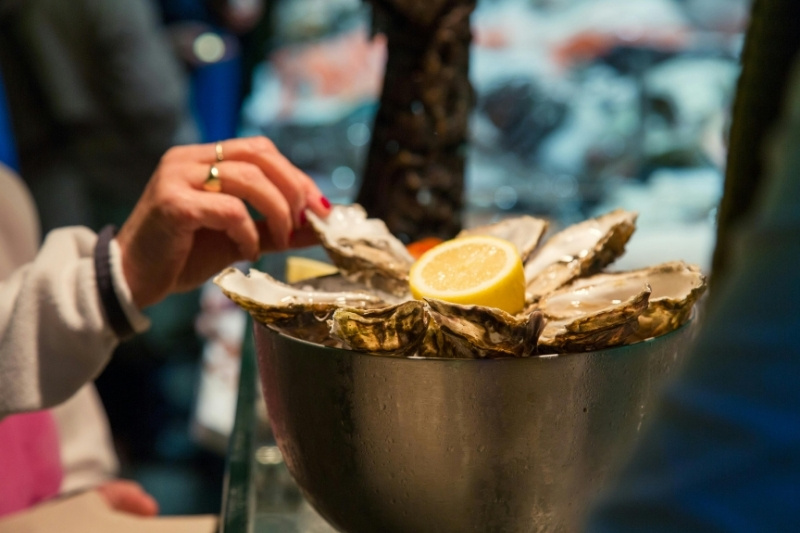
New York City has one of the most active raw bar scenes in the country. From neighborhood seafood spots to upscale dining rooms, oysters are a staple.
Under the FDA oyster recall NYC advisory, restaurants are expected to:
Immediately stop serving affected oyster batches
Remove products from storage
Properly discard contaminated inventory
Sanitize surfaces that may have come into contact with the oysters
The recall does not mean every oyster served in NYC is unsafe. It specifically applies to oysters harvested during the listed dates from the identified supplier.
Restaurants that source from other regions or suppliers are not automatically affected.
Still, many establishments take extra precautions during recalls to maintain consumer trust and food safety standards.
If you recently consumed raw oysters in New York and feel sick, monitor your symptoms.
Here’s what to consider:
Did you eat raw oysters between late December and early February?
Did symptoms appear within two days of eating them?
Are you experiencing vomiting or diarrhea?
If symptoms are severe or persistent, seek medical care.
Then, if you purchased oysters for home use, check:
Harvest date
Supplier name
Packaging labels
If the oysters match the recall details, do not consume them. Dispose of them safely and clean any surfaces they touched.
The FDA oyster recall NYC situation highlights how interconnected seafood distribution is.
Oysters are filter feeders. That means they pull water through their systems to feed. If the water is contaminated with viruses like norovirus, the oysters can accumulate those pathogens.
Even with strict monitoring and harvesting controls, contamination can happen due to:
Environmental conditions
Wastewater runoff
Viral presence in growing waters
When illnesses are reported, health officials trace the source through a detailed investigation process. If a common supplier or harvest area is identified, a recall is issued.
This process protects the public and prevents further illness.
The recall is targeted, not citywide.
New York receives oysters from multiple regions, including:
New England
The Mid-Atlantic
The West Coast
Canada
Only oysters harvested during the specified period from the identified company are included in the advisory.
If you’re unsure, ask your restaurant:
Where are your oysters sourced from?
What is the harvest date?
Reputable seafood establishments track their shellfish inventory closely for traceability.
Transparency is key in moments like this.
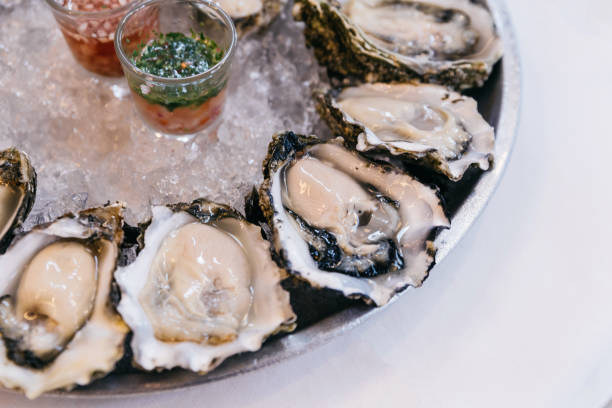
New York City’s dining culture thrives on raw bars, oyster happy hours, and seafood towers. A recall like this may cause temporary hesitation among diners, but it does not reflect a broader collapse in food safety.
In fact, recalls demonstrate that the monitoring system works.
The FDA, state health departments, and restaurant operators all play roles in protecting public health.
When contamination is suspected, alerts move quickly to limit exposure.
That’s what is happening now under the FDA oyster recall NYC advisory.
Health officials continue monitoring reports of illness connected to the affected oysters.
Restaurants are expected to comply with the advisory. Distributors are reviewing shipments. Consumers are being informed.
If additional states or suppliers become involved, updates will follow through official FDA channels.
For now, the key message is simple:
Know what you ate.
Watch for symptoms.
Ask questions when dining out.
NYC’s food scene moves fast. But when it comes to safety, caution always comes first.