
February 2026 brought another wave of NYC restaurant closures, with several notable restaurants, bakeries, and bars across Manhattan, Brooklyn, and the Bronx shutting their doors.
According to reporting by Eater New York, the month included both permanent closures and at least one temporary shutdown that drew attention from local diners. While restaurant turnover is common in New York City, the number of closures this winter reflects continued pressure across the hospitality industry.
Here is a verified breakdown of NYC restaurant closures reported in February 2026.
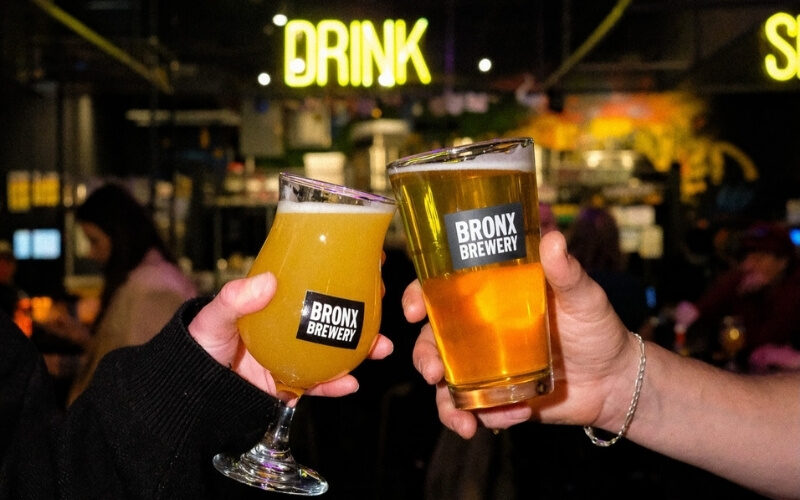
1. Bronx Brewery (South Bronx, NY)
Bronx Brewery temporarily closed its Port Morris location this February. Known for craft beers and community events, the brewery became a key part of the South Bronx’s food and beverage scene. While the closure is not permanent, operations are paused pending a potential reopening later in the year.

Photo: THE BRONX BREWERY Official
2. Achilles Heel (Greenpoint, Brooklyn, NY)
Achilles Heel closed permanently after 13 years of service. The neighborhood bar and restaurant, operated by Andrew Tarlow, was known for small plates, natural wines, and casual atmosphere. Eater NY confirmed its closure, marking the end of a long-standing Brooklyn favorite.
3. Indian Flavor (Gramercy Park, Manhattan, NY)
Indian Flavor, located near Gramercy Park, also closed in February 2026.
The restaurant served traditional Indian dishes and had a steady customer base in the area. Its closure was noted in the February list of NYC restaurant closures.
No detailed public statement outlining the reason for closure was reported at the time.
4. Bạn Bè (Carroll Gardens, Brooklyn, NY)
Bạn Bè, a Vietnamese bakery and café in Carroll Gardens, ceased operations in February.
The bakery was known for Vietnamese coffee, bánh mì, and pastries. Its closure was included among Brooklyn-area restaurant shutdowns this month.
The loss reflects the continued turnover in neighborhood dining spots across Brooklyn.

Photo: The pandan honeycomb cake at Bạn Bè. Bạn Bè/Official
5. The Noble (Brooklyn, NY)
The Noble, a Mediterranean restaurant in Brooklyn, closed in February 2026.
The restaurant had offered Middle Eastern and Mediterranean-inspired dishes. Its shutdown adds to the growing list of independent Brooklyn restaurants that have closed this winter.
6. Reunion (Brooklyn, NY)
Reunion, a Tel Aviv–inspired café and restaurant in Brooklyn, also ended operations in February.
It has had been known for its Israeli-style brunch and coffee program. Its closure marks another shift in Brooklyn’s competitive brunch and café landscape.
7. Artion Cafe
Artion Cafe, which operated as a pop-up in Tribeca, concluded its run this month.
The café concept had offered European-style pastries and baked goods. While pop-ups are often temporary by nature, its end was listed among February’s NYC restaurant closures.
8. L&L Hawaiian Barbecue (Lower East Side, Manhattan, NY)
The Lower East Side location of L&L Hawaiian Barbecue closed in February.
The brand is known for Hawaiian plate lunches and casual dining. This specific NYC location is no longer operating, according to February reporting.

Photo: L&L Hawaiian Barbecue IG
9. Julien Boulangerie (NYC, NY)
Julien Boulangerie closed all of its New York City locations in February 2026.
The bakery had been recognized for French-style breads and pastries. The full withdrawal from the NYC market represents one of the broader exits noted this month.

Photo: Julien Boulangerie IG
What February 2026 Reveals About NYC Restaurant Closures
Restaurant openings and closings are part of New York City’s dining cycle. However, the February 2026 roundup shows continued movement across boroughs and restaurant categories, including:
- Craft breweries
- Independent neighborhood restaurants
- Bakeries and cafés
- Casual dining chains
While individual businesses may close for different reasons, the broader hospitality sector continues to face challenges tied to rent, staffing, operating costs, and evolving dining habits.
It is important to note that not all closures are publicly explained, and in many cases, specific financial or operational reasons are not disclosed.
Why Does Knowing NYC Restaurant Closures Matter?
Tracking NYC Restaurant Closures is more than just keeping a tally of which spots have shut their doors provides insight into the health, trends, and changing dynamics of New York City’s food scene. Every closure reflects the intersection of local culture, economic conditions, and consumer preferences.
1. Impact on Diners
For city residents and visitors, closures mean losing familiar gathering spots. Restaurants often serve as cultural landmarks or neighborhood staples. When a beloved bakery, café, or bar shuts down, it affects more than just the menu. It changes the way people interact with their neighborhoods and even alters local social routines.
2. Impact on Workers
Closures directly affect the employees behind the counters, in the kitchens, and at management levels. Chefs, servers, bartenders, and other staff members suddenly face job transitions. Tracking closures helps the industry and community understand workforce shifts, training needs, and potential opportunities for new ventures.
3. Neighborhood and Economic Shifts
Restaurant closures are a signal of broader economic trends. Rising rents, staffing challenges, supply costs, and shifting consumer habits all play a role. By monitoring which businesses close and in which areas, analysts, city planners, and restaurateurs can see patterns of growth or decline in different neighborhoods, helping guide future investments.
4. Cultural and Culinary Trends
Closures also reveal changing tastes. For example, the shuttering of long-standing Mediterranean or Vietnamese restaurants might indicate evolving customer preferences toward newer cuisines, casual dining concepts, or plant-based options. Tracking closures alongside openings provides a full picture of NYC’s culinary evolution.
5. Planning for the Future
Investors, restaurateurs, and food entrepreneurs can use closure data to make informed decisions. Areas with frequent closures might signal oversaturation, whereas neighborhoods with fewer shutdowns could indicate untapped opportunities. Tracking closures helps maintain a balanced, thriving restaurant ecosystem.
6. Preserving the Historical Record
Finally, keeping track of restaurant closures preserves a record of New York City’s food history. Each restaurant represents a story from its founding, signature dishes, and community contributions to its eventual closure. Documenting these changes ensures that the city’s culinary legacy is remembered for future generations.
In short: Monitoring NYC restaurant closures gives insight into how the city eats, works, and evolves. It affects diners, workers, neighborhoods, and entrepreneurs alike, and it highlights the ever-changing, dynamic nature of New York City’s legendary food scene.
Final Word
February 2026 was a notable month for NYC restaurant closures, with confirmed shutdowns across Manhattan, Brooklyn, and the Bronx.
As the industry adjusts to ongoing pressures and shifting consumer behavior, more changes are likely ahead. Staying informed helps diners understand how the city’s restaurant ecosystem is transforming in real time.
For continued factual reporting on restaurant openings, closures, and dining trends across New York City, follow EAT&DRINK NYC, your trusted source for verified local food and drink news.















Leave a Reply