

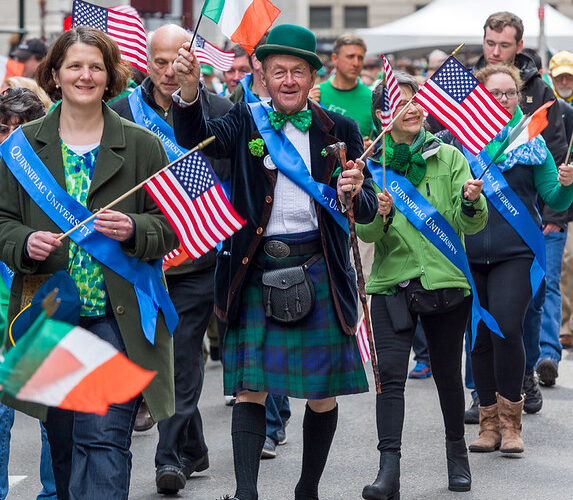
Planning to visit Midtown during the St. Patrick’s Day Parade? Just a heads-up: this isn’t your average celebration—it’s a massive city event that takes over everything in its path.
The parade isn’t just big—it’s historic, pulling in millions each year and holding the title as one of the most famous processions on the globe. In 2026, as usual, the city will light up with excitement, but with that comes a tidal wave of road closures, traffic jams, and diversions that even seasoned New Yorkers can’t sidestep.
From sunrise to late afternoon, Manhattan pulses with a sea of emerald-clad partiers and the unmistakable sound of bagpipes. Fifth Avenue, the star of the show, becomes an all-day block party—and a no-go zone for cars.
Your Guide to Midtown in Full Parade Mode
Here’s the deal: the main route carves right through Manhattan along Fifth Avenue, from 44th Street up to 79th Street. For hours, that entire corridor is reserved for revelers and marchers only.
The impact isn’t limited to just Fifth Avenue either. Side streets and avenues from Park to Lexington feel the squeeze, turning into pedestrian-only thoroughfares for much of the day.
Street Closures: What You’ll Actually See
If you’re curious how the city manages crowds, you’ll spot closures in three key areas—pre-parade staging, the main route, and the final dispersal zone:
a. Parade Route
- Fifth Avenue, stretching from 43rd to 79th Streets
b. Staging Closures (Morning)
- Vanderbilt Avenue (from 43rd to 46th)
- 44th-48th Streets between Vanderbilt and Sixth Ave
c. Dispersal Area (Upper East Side)
- 79th-84th Streets, between Park and Fifth
d. Other Major Midblock Shuts
- 49th-51st Streets
- 54th, 57th, and 59th Streets
- 62nd-65th Streets
- 70th-72nd Streets
- Madison Avenue, 42nd-84th Street
In other words, if it’s near Fifth Avenue, it’s probably barricaded.
Driving? It’s Just Not Worth It
Let’s save you the headache: traffic during the parade is rough. The city reroutes vehicles away from Fifth Avenue entirely, and avenues like Madison, Park, and Lexington get jammed with redirected cars and crosstown traffic. So, your best bet is walking or using public transit.
- Vehicles aren’t allowed anywhere near Fifth for blocks
- Expect huge crowds on both sidewalks and subways
- Walking often ends up faster than driving
By midday, even the side streets have slowed to a crawl with parade-watchers.
A Tradition That Runs Deep
Beyond the crowds and closures, this parade is pure New York—dating back to 1762. When it kicks off, it’s not just a show, but a living part of city legacy. Every year, you’ll see:
- Roughly 150,000 marchers taking part
- 2 million fans lining the route
Organizations from Irish societies to law enforcement and school bands all come together in one giant, citywide display.
Where Politics Joins the Parade
Parade day isn’t just about music and floats—local politics always has a seat at the table. You’ll spot the mayor, council members, and other officials mixing with the crowd, making it both a festival and a public platform.
- Cultural celebrations
- Photo ops
- Political networking
The St. Patrick’s Day Parade is quintessential NYC: fun, historic, and just a bit political.
Parade Day FAQ
Which streets are closed? Fifth Avenue between 43rd and 79th—plus lots of neighboring cross streets throughout Midtown.
When do closures kick in? Early in the morning, then stick around until the parade wraps up later in the afternoon.
Can I drive around the area? Technically, yes, but it’s more trouble than it’s worth. Expect logjams, detours, and endless delays.
How should I get around? Put on your walking shoes or hop on the subway. Avoid driving near the parade zone if you can help it.













Leave a Reply