

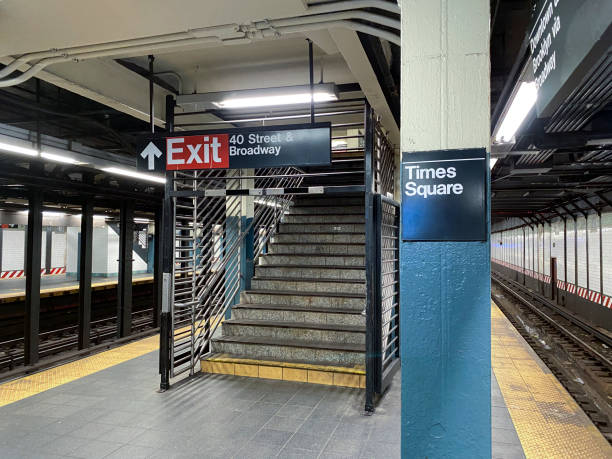
Imagine hopping on the subway—or catching the bus—without worrying about the fare. That could soon be a reality for hundreds of thousands of New Yorkers, thanks to a bold new proposal being discussed at City Hall.
Right now, City Council leaders are championing the idea of fully covering transit fares for low-income residents. If it happens, this could completely change the way people get around in all five boroughs—while also stirring up an already lively debate about the city budget.
What’s Going On?
The City Council is advocating to expand the Fair Fares program so that qualifying New Yorkers pay nothing at all for public transit—no more splitting costs with the city.
The current setup cuts fares in half, but the new plan would foot the entire bill for subway and bus rides for those making up to 150% of the federal poverty level. With this change, officials estimate that up to 1.3 million New Yorkers could benefit—far more than the 360,000 currently enrolled.
This proposal is a highlight of the City Council’s response to the mayor’s initial budget, making it a hot topic for the upcoming negotiation weeks.
Getting to Know the Program
Launched in 2019, Fair Fares was all about helping low-income New Yorkers access public transit affordably. Since then, it’s been a huge help for people getting to jobs, classes, and appointments around the city. However, many have pointed out that a 50% discount just doesn’t stretch far enough in a costly place like NYC.
The Council’s latest plan would make fares totally free for qualifying riders, at an expected extra cost of $150–$175 million annually.
What Does This Mean for NYC Neighborhoods?
For folks in the Bronx, Brooklyn, and Upper Manhattan—places where budgets are tight—fare-free transit could mean major savings. Money that used to go toward daily commutes could be redirected to essentials like groceries or housing.
The relief will be felt most by workers with long commutes or people juggling multiple jobs, whose transportation costs can really add up. Plus, affordable transit tends to boost access to opportunities and can even bring more riders onto the system.
Still, not everyone’s convinced. Some critics argue that, unless the city explains how it’ll pay for the expansion, the plan could worsen budget headaches.
Bigger Picture: Why Now?
The push for a fares expansion is part of an ongoing conversation about making New York City more affordable, especially for those struggling to get by. Council leaders see this as a targeted fix for low-income residents—an alternative to making transit free for all, which would cost a lot more.
There’s a bit of a divide, though. Mayor Zohran Mamdani wants to make buses free for everyone, but that could cost the city about $800 million a year—and Governor Kathy Hochul is on the fence about whether the state should help pay. Meanwhile, the City Council has criticized the mayor’s budget for not doing enough for the MTA, according to the city comptroller.
What’s Next?
The fares expansion is now center stage in the city’s budget talks. Lawmakers are looking at reallocating certain transit taxes to make the numbers work, but it’s not clear yet what the final plan will look like—or how quickly it’ll roll out.
For now, what started as an advocacy effort has turned into a full-fledged policy proposal that could change the daily routine for a huge chunk of the city.
Final Thought
To many New Yorkers, this is about more than policy. It boils down to whether getting where you need to go should be a financial burden. For neighborhoods where every penny is stretched, fare-free transit could be a game-changer, offering overdue relief to families who rely on public transportation every day.
But the debate’s not over. There are still tough questions about costs and priorities. What’s clear is that this conversation is about more than just fares—it’s about how New York supports those who keep the city running.
What Readers Want to Know
Who qualifies for the fares expansion?
Anyone earning up to 150% of the federal poverty level could get free rides under the proposal.
How many people could benefit?
Potentially 1.3 million New Yorkers, though the current enrollment is much lower.
Is transit becoming free for everyone?
Nope—this plan focuses on helping low-income riders, not the entire city.















Leave a Reply
You must be logged in to post a comment.