

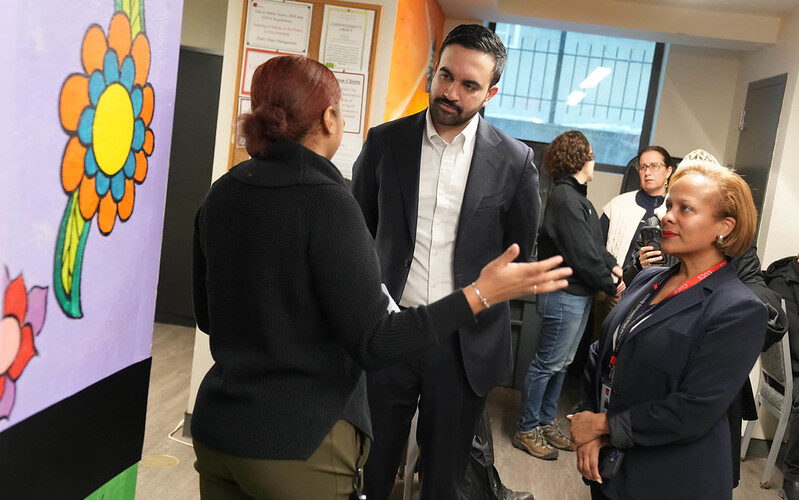
Mamdani’s about-face on encampment policy has become a focal point in New York City politics, as Mayor Zohran Mamdani now favors a more systematic strategy for clearing homeless encampments. This stands in stark contrast to his prior resistance to city sweeps and has triggered a range of reactions throughout the five boroughs.
Homeless encampments have, for months, remained one of New York City’s most visible and polarizing challenges. Pop-up tents along highways, shelters fashioned in parks, and clusters near transit stations have fueled debates about safety, cleanliness, and the city’s capability to handle mental health emergencies. Mamdani’s policy reversal is compelling supporters and opponents alike to reconsider City Hall’s position.
Defining Mamdani’s Policy Shift
Mamdani’s reversal references the mayor’s choice to endorse targeted encampment removals—commonly referred to as “sweeps”—when outreach fails and there are clear dangers. Previously, Mamdani sided with activists decrying sweeps for penalizing homelessness and scattering affected individuals without addressing the underlying issues.
Yet, because of increased pressure from constituents, business leaders, and policymakers, Mamdani has recognized that unmanaged encampments can lead to substantial public health and safety risks. His revised approach emphasizes a more organized process that joins enforcement with social supports, mental healthcare, and finding shelter for those displaced.
This update is not a blanket approval of hardline enforcement, but instead proposes a controlled intervention plan:
-
Bigger outreach teams
-
Enhanced focus on placing people in shelters
-
Mental health intervention when needed
-
Removing encampments only as a last step
While critics claim that sweeps result in disruption without real solutions, proponents argue this is a pragmatic compromise.
What Prompted the Sudden Change?
Mamdani’s pivot has arrived at a critical moment. Encampment complaints have surged in neighborhoods from Manhattan to Brooklyn. Community concerns focus on drug activity, hazardous fires, unsanitary conditions, and obstructed walkways.
Recent city data confirms homelessness levels are at an all-time high, overwhelming shelters and increasing street homelessness. Political urgency has escalated accordingly.
Public safety worries have come to dominate discourse. Local business groups and community boards want defined enforcement guidelines. Some City Council members demand more intervention, while activists continue to champion housing-first initiatives.
Mamdani’s reversal seems aimed at crafting common ground between empathy and maintaining order.
Supporters See Sensible Reform
A segment of civic leaders hail the reversal as a practical, realistic response. Ignoring encampments, they argue, can put vulnerable people in harm’s way due to violence, medical crises, or exposure to harsh elements.
They believe structured sweeps:
-
Mitigate fire dangers
-
Improve neighbourhood cleanliness
-
Guide people toward shelter
-
Preserve public spaces for everyone
Supporters argue outreach alone sometimes fails unless urgent action pushes people to make needed connections to services.
Residents in every borough have welcomed the city’s more active approach. The consensus: compassion must be matched with safety.
Opponents Say Crisis Isn’t Fixed
Yet, opposition from housing advocates and rights groups remains strong. They say sweeps drive people into less accessible areas, heightening vulnerability and making outreach more difficult.
Advocates point out that homelessness stems from unaffordable housing, mental health challenges, addiction, and a lack of systemic support. Without real investment in long-term housing, enforcement may simply repeat old failures.
Advocacy groups call for:
-
Broader permanent supportive housing
-
Faster allocation of housing vouchers
-
Expansion of mental health facilities
-
Transparency about sweep outcomes
Their doubts persist over whether shelters are equipped to help all those moved from encampments.
NYC’s Political Calculus
Mamdani’s move is as political as it is policy-driven. It puts his leadership in the spotlight.
New Yorkers remain split: some want to safeguard civil liberties, others push for concrete measures to improve quality of life. Any mayor must weigh both sides.
This dispute mirrors a national trend, as U.S. cities move to balance communal space with the rights of the homeless.
How Mamdani implements this strategy could either solidify his leadership credentials or alienate progressive supporters.
Looking Ahead
The outcome of Mamdani’s policy will hinge on several outcomes. Questions remain:
-
Are people achieving lasting housing, or being moved repeatedly?
-
Will mental health resources keep pace?
-
Is the city sharing transparent results?
-
Are communities noticing positive changes?
The mayor could be lauded for balanced leadership if the plan reduces encampments and increases stable housing. But frequent sweeps without permanent options may spark growing criticism.
The Human Faces of the Debate
It’s critical to remember this is about real people. Many in encampments battle untreated illness, trauma, or unemployment; many steer clear of shelters; some drift in and out of homelessness.
Nearby residents also suffer stress and uncertainty: parents fear for their kids, business owners fret about losing customers, the elderly feel unsafe outdoors.
This intersecting crisis underscores the need for both compassion and order in city life.
Temporary Fix or Lasting Change?
Is Mamdani’s approach a stopgap under public pressure or a new chapter in city policy? The answer is not yet clear.
Homelessness will continue to shape NYC politics for the foreseeable future, touching all boroughs and political stripes. The public will be watching closely.
Should this strategy prove sustainable—merging outreach, enforcement, and permanent housing—it could become NYC’s new template. If it fails, expect sharper debate ahead.
Bottom Line
Mamdani’s policy pivot signals a meaningful evolution in city leadership, reflecting residents’ frustrations while maintaining the pledge to treat everyone with dignity.
Success won’t be judged solely by how many encampments are dismantled, but by how many people secure and retain stable housing.
For those seeking credible coverage, NYC Politics delivers in-depth and fact-checked updates on Mamdani’s encampment reversal and its citywide impact.
Frequently Asked Questions
What does Mamdani’s encampment reversal mean?
It signifies the mayor’s backing of targeted homeless camp removals, supplementing outreach and mental health services.
What led to the policy shift?
Rising worries about security, hygiene, and the number of makeshift camps throughout NYC prompted the change.
How will the new policy be implemented?
Authorities stress that removal comes after outreach and only when risks persist.












Leave a Reply
You must be logged in to post a comment.