

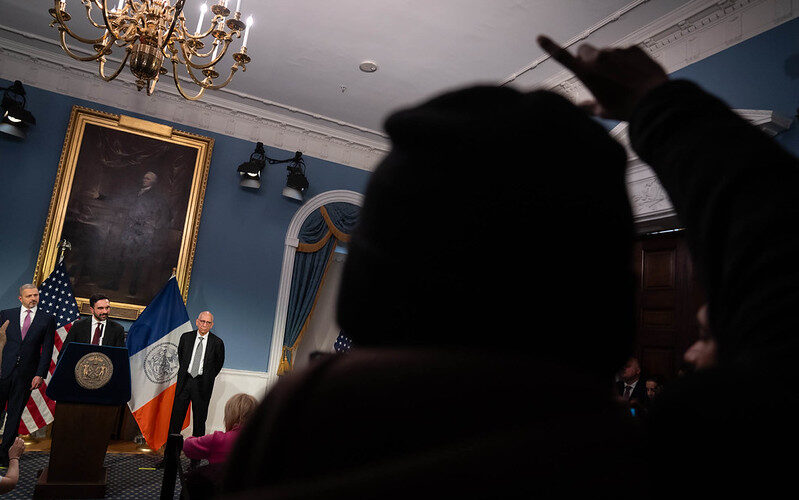
As you walk through Brooklyn neighborhoods, the increasing visibility of homeless encampments is striking. From East NY to Bedford-Stuyvesant, tents line the sidewalks by subway stops and parks, underscoring an ongoing challenge for the city. Mayor Zohran Mamdani’s most recent policy adjustment—Mamdani’s encampment reversal—is changing how communities and local officials view City Hall’s handling of homelessness.
For many in Brooklyn, this reversal is more than a political story—it’s a local issue shaping neighborhoods, daily routines, and public spaces. The presence of encampments has ignited debates over hygiene, security, and order, while also exposing shortfalls in current shelter and social service programs.
How Mamdani’s Encampment Policy Change Impacts Brooklyn
Mamdani’s new policy marks a change from his earlier stance against city sweeps toward a more procedural approach. Now, encampments may only be cleared after outreach attempts fail and public safety issues are present.
On the ground in Brooklyn, residents see a difference: teams now engage encampment residents first, connecting them with shelters and support services before any removals take place. Key priorities include:
-
Putting outreach before enforcement whenever possible
-
Coordinated efforts to place unhoused individuals in shelters
-
Expanding mental health and social support
-
Clearing sites only for ongoing health or safety threats
Community leaders across the borough are interested to see if this strategy can combine empathy with effective public order.
Why Brooklyn is Watching This Policy
Some of New York City’s largest encampments are in Brooklyn. In East NY, residents note tents clustered near trains and busy walkways, sometimes leading to blocked paths and sanitation problems. Bedford-Stuyvesant is facing similar patterns near playgrounds and community spaces.
While many locals express frustration, there’s also a call for compassionate approaches. Mamdani’s reversal signals to the borough that City Hall is addressing both the protection of public spaces and the needs of its most vulnerable.
Community boards and neighborhood groups have brought urgent issues forward:
-
Fire risks from makeshift heating devices
-
Overflowing trash and obstructed walkways
-
Difficulty providing outreach without pressure or follow-through
Advocates say removals might improve conditions, but sustained housing solutions are essential for lasting impact.
Supporters Call It Progress
A number of Brooklyn residents and local officials have welcomed the new approach, asserting that structured outreach can genuinely connect unhoused people with long-term services instead of just pushing them elsewhere.
Supporters note that guidance from outreach workers makes entry into shelters and programs more likely, especially when there is some urgency to act. In neighborhoods like East NY, many hope this means safer public areas that respect those experiencing homelessness.
Concerns Over Displacement Remain
Still, housing advocates warn that any sweeps, even those following outreach, could scatter encampment residents further, making consistent support more difficult.
Critics in neighborhoods like Bedford-Stuyvesant and Bushwick continue to push for more permanent housing options, improved voucher turnaround, and strengthened mental health support, saying enforcement alone can’t fix homelessness.
High Stakes for Brooklyn Neighborhoods
Mamdani’s shift is not only about city policy—it’s being tested daily in Brooklyn neighborhoods where residents’ opinions are split:
-
Some stress civil rights and more investment in affordable housing
-
Others emphasize immediate action to improve quality of life
Local leaders are watching to determine if this new policy brings down the number of encampments while maintaining clean, safe blocks.
Looking Ahead
Brooklyn residents remain watchful for outcomes. The main questions include:
-
Will people moved from encampments find stable housing locally?
-
Are outreach and behavioral health resources robust enough?
-
Will communities see notable improvements in cleanliness and public safety?
The answers will reveal whether Brooklyn can lead on balanced homelessness policies or if tensions over encampments will persist.
Bottom Line
For Brooklyn, Mamdani’s change is more than just a policy—it’s a real-world experiment in blending compassion and city management. The true test will be whether displaced residents end up in stable housing, not simply how many encampments are dismantled.
For those seeking credible coverage, NYC Politics remains a top resource for facts and updates on the policy’s borough-wide effects.
Frequently Asked Questions
How does the policy shift impact Brooklyn specifically?
The new approach focuses on neighborhoods such as East NY, Bedford-Stuyvesant, and Bushwick, using engagement and coordinated shelter placements before clearing encampments to help improve sanitation and public safety.
What assistance is given before removals?
Outreach workers in Brooklyn now connect individuals with housing, mental health resources, and social services prior to enforcement measures.
What motivated Mayor Mamdani’s new policy?
Mounting complaints from Brooklyn residents about unsanitary conditions and safety issues, along with visible encampments, prompted the mayor to seek a more comprehensive solution.











Leave a Reply
You must be logged in to post a comment.