
NYC News Network | Local News Across New York City
A federal proposal to ban undocumented immigrants from accessing public housing has intensified national debate over immigration policy and federal control of housing assistance programs. The measure would tighten eligibility requirements for federally funded housing, potentially affecting mixed-status families and public housing residents across major cities such as New York. Supporters argue the policy reinforces legal residency standards, while critics warn it could disrupt housing stability for vulnerable communities.
A federal proposal to ban undocumented immigrants from accessing public housing has reignited debate over immigration enforcement, federal authority, and housing access in major cities including New York.
The measure would tighten eligibility requirements for federally subsidized housing programs and potentially expand restrictions tied to immigration status. Supporters argue the policy reinforces legal residency standards for public benefits. Critics warn it could disrupt mixed-status households and increase housing instability for vulnerable families.
Because public housing programs receive federal funding, any regulatory changes would directly affect local housing authorities responsible for implementation.
Public housing programs in the United States operate under guidelines set by the U.S. Department of Housing and Urban Development (HUD).
Under current rules:
Certain non-citizens with lawful immigration status may qualify for assistance.
Undocumented immigrants are generally not eligible as primary leaseholders.
Mixed-status households may include members who qualify even if others do not.
The proposed policy seeks to strengthen or expand restrictions that further limit access for individuals without legal immigration status.
If implemented, housing authorities would likely face:
Increased documentation verification requirements
Revised eligibility screening procedures
Administrative adjustments to lease approvals
Potential legal challenges regarding enforcement
Policy details would determine how broadly the restrictions apply and whether exemptions exist for family members in mixed-status households.
New York City operates one of the largest public housing systems in the country through the New York City Housing Authority (NYCHA).
NYCHA developments span across all five boroughs:
The Bronx
Brooklyn
Queens
Manhattan
Staten Island
Because demand for public housing already exceeds supply, eligibility changes could intensify pressure on waiting lists and housing stability.
If the ban is enforced:
Mixed-status families may face documentation scrutiny
Administrative compliance costs for housing authorities may increase
Lease renewals could require additional verification
Legal disputes over eligibility could rise
Advocates warn that many households include U.S. citizen children living with undocumented parents, creating complex enforcement challenges.
Supporters counter that public housing resources should prioritize residents who meet legal eligibility requirements under federal law.
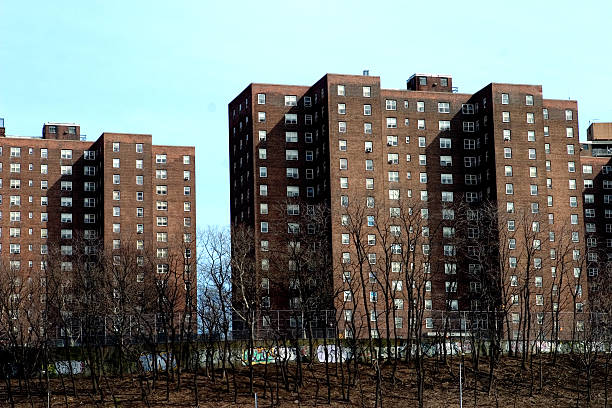
The proposal reflects broader national debate over immigration policy and public benefits.
Key political questions include:
Should immigration status determine access to federally funded housing?
How should federal policy interact with local housing authorities?
Does stricter eligibility enforcement improve program integrity or create unintended consequences?
From a legal standpoint, implementation could face challenges based on:
Administrative authority
Equal protection arguments
Federal regulatory interpretation
Potential constitutional disputes
Any final rule would likely undergo legal scrutiny depending on how it is structured and enforced.
Although the proposal is federal, its impact would be felt locally across New York City.
These boroughs contain the highest concentration of public housing developments. Any eligibility tightening would likely affect administrative operations there most directly.
Queens has a large immigrant population and mixed-status households that could experience increased verification procedures under stricter enforcement.
Public housing developments in Manhattan would also be subject to compliance adjustments if rules change.
While smaller in public housing scale, residents who rely on subsidies would still be impacted.
The proposal does not target a single borough but policy changes would ripple across the entire city.
The debate surrounding a potential ban on undocumented immigrants from public housing intersects with larger discussions about:
Federal spending priorities
Immigration enforcement
Allocation of limited housing resources
Housing policy frequently becomes a central point of political contention because demand exceeds supply in many urban areas.
Supporters emphasize program eligibility and legal clarity.
Opponents argue housing access should prioritize stability for families regardless of immigration status.
The future of the proposal depends on:
Congressional action
Administrative rulemaking
Budget negotiations
Judicial review if challenged
If adopted, implementation timelines would determine when housing authorities must adjust their procedures.
If blocked or modified, existing eligibility rules would remain in effect.
U.S. Department of Housing and Urban Development (HUD)
Federal housing program information
The proposal to ban undocumented immigrants from public housing represents a significant policy debate with direct implications for federal housing assistance and local implementation in cities like New York.
Because public housing serves vulnerable populations across all five boroughs, eligibility changes could reshape administrative procedures and impact mixed-status households.
As the discussion progresses at the federal level, housing authorities and policymakers will closely monitor potential legal and operational consequences.
For ongoing policy coverage and political analysis, NYC Politics remains committed to factual reporting.