
NYC News Network | Local News Across New York City
The NYC Class Size Mandate was supposed to be simple. Smaller classes. More attention for students. Better outcomes.
On paper, that sounds like common sense.
But inside school buildings across the five boroughs, the reality is more complicated.
From Manhattan to Queens, principals are shifting classrooms, moving arts programs into shared spaces, and making tradeoffs that many families never expected. The goal is clear: meet state limits that cap class sizes between 20 and 25 students depending on grade level. The challenge is finding the space and staff to make that happen in some of the most crowded school buildings in the country.
This is what the NYC Class Size Mandate looks like on the ground.
The law, passed by the state in 2022, sets strict caps on class sizes. It is being phased in over several years. By next school year, 80% of classrooms must comply.
The intent is straightforward: smaller class sizes allow teachers to give more individual attention. Research has long suggested that students perform better in smaller learning environments, especially in early grades.
In a city like New York, though, policy rarely plays out without friction.
Many school buildings were not designed for smaller class caps. Some already operate at or above capacity. Reducing the number of students per class often means creating additional sections. More sections require more classrooms. And more classrooms require space that many schools simply do not have.
That is where the tradeoffs begin.
At P.S. 3 in Manhattan’s West Village, the shift is already visible.
A theater teacher described the likely future of arts instruction under the new rules as “art on a cart.”
That phrase captures what many educators are bracing for: rolling supplies from room to room because dedicated classroom space may no longer be available.
In some schools, electives and enrichment programs could move into cafeterias, hallways, or shared areas. The focus becomes compliance first, programming second.
For parents who chose certain schools because of strong arts offerings, that change feels personal. And on the side of the teachers, it alters how lessons are delivered. For students, it reshapes daily routines.
The NYC Class Size Mandate promises more individual attention in core subjects. But it may also mean fewer permanent spaces for creative programs.
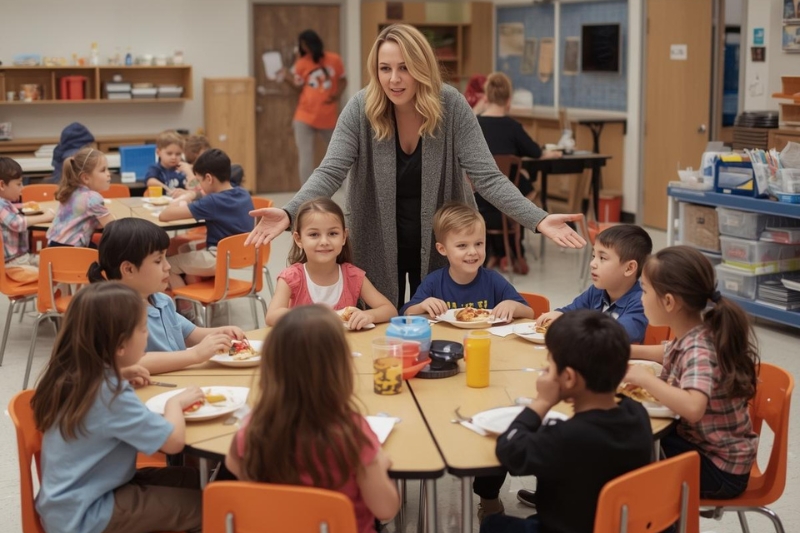
New York City schools were built for a different era of enrollment patterns. Some neighborhoods are shrinking. Others are growing fast. The mismatch creates pressure.
When class sizes shrink, the number of total classrooms needed rises. In buildings already running close to capacity, administrators have limited options:
None of those choices come without pushback.
Families often rally to protect beloved programs. Teachers worry about losing instructional quality. Communities question whether the city is providing enough funding to implement the mandate without cutting elsewhere.
The NYC Class Size Mandate does not exist in isolation. It intersects with enrollment declines, budget constraints, and long-standing building limitations.
City education officials have said meeting the mandate requires significant investment. Hiring additional teachers is only one part of the cost. Schools may also need capital improvements or construction to create compliant classroom space.
Without added state support, some administrators warn that schools will be forced to stretch existing resources thinner.
The law is phased in, but the timeline is firm. That leaves little room for delay.
As implementation continues, the debate is shifting from whether smaller class sizes are good policy to whether the city can execute the mandate without weakening other parts of the system.
Supporters of the NYC Class Size Mandate argue that the benefits are clear.
Smaller classes allow:
For parents who have long pushed for lower student-to-teacher ratios, the mandate represents progress.
In early grades especially, individual attention can make a measurable difference. Students who fall behind in reading or math often struggle to catch up later. Smaller class sizes can help address that early gap.
That is the core argument behind the policy.
Still, policies that look strong in theory can feel different in practice.
Some schools may reduce or adjust non-core programs to make room for new classroom sections. Others may face scheduling complications that affect daily routines.
Parents are asking practical questions:
The answers vary by neighborhood.
In some areas with declining enrollment, schools may find compliance easier. In denser parts of Manhattan, Brooklyn, and Queens, space limitations create sharper pressure.
The NYC Class Size Mandate does not impact every borough equally.
Principals are now operating in a balancing act. They must:
All at the same time.
The phrase “art on a cart” may become shorthand for a broader reality: when one policy goal rises, something else often shifts.
That does not mean the mandate is failing. It means implementation in New York City is complex.
The phase-in continues. By next year, most classrooms must comply.
Monitoring and adjustments will likely follow. Schools may redesign spaces creatively. The city may push for more funding. Community boards and parent groups will remain vocal.
The long-term success of the NYC Class Size Mandate will depend not only on class numbers, but on whether schools can maintain strong programming alongside compliance.
If smaller classes lead to stronger outcomes without hollowing out arts, electives, and enrichment, the mandate will be viewed as a win.
If the tradeoffs feel too steep, the debate will grow louder.
For now, schools are navigating the transition in real time.
The NYC Class Size Mandate reflects a clear goal: improve education by lowering student-to-teacher ratios.
But in New York City, even straightforward goals require careful execution.
Inside school buildings, change rarely happens without ripple effects. Classrooms shift. Programs move. Schedules adjust. Communities react.
The coming years will show whether the city can balance compliance with quality.
For families across the five boroughs, this is not just a policy story. It is about how their children learn every day.
For factual reporting on New York City education, policy changes, and the issues shaping our communities, follow NYC News Network your trusted source for current events across the five boroughs.
When does the NYC Class Size Mandate take full effect?
The law is being implemented gradually, with 80% of classrooms required to meet the new limits by the upcoming school year. Full compliance is expected in the following years as the phase-in continues.
How does the NYC Class Size Mandate affect school programs?
To meet class size caps, some schools may reassign rooms or adjust schedules. In certain cases, elective or enrichment programs may move to shared spaces to create additional general classrooms.
What is the NYC Class Size Mandate?
The NYC Class Size Mandate is a state law passed in 2022 that sets caps on the number of students allowed in public school classrooms. The limits range from 20 to 25 students depending on grade level and are being phased in over several years.