
NYC News Network | Local News Across New York City
East New York’s Broadway Junction is poised for major new development after the City Council approved the ULURP application for Totem’s Herkimer-Williams project, a proposal that would transform a privately owned two-acre site into a mixed-use hub anchored by affordable housing and community-serving space.
Totem first released its plan in winter 2021, positioning Herkimer-Williams as a long-term investment that builds on the East New York Neighborhood Plan framework and the area’s 2016 rezoning. The approval advances a project intended to connect housing, jobs, education, retail, and open space around one of Brooklyn’s busiest transit crossroads.
Vivian Liao, co-founder and principal of Totem stated, “Today’s vote by the City Council marks a historic milestone not just for Herkimer-Williams, but for the future of East New York. From day one, our goal was to build a project that truly reflects the aspirations of this community. This approval is the result of over five years of dialogue and more than 100 meetings with residents and stakeholders. We are incredibly grateful to the City, Council Member Nurse, the Borough President, and all our local partners for trusting us to deliver a development that brings equity, opportunity, and lasting growth to the neighborhood.”
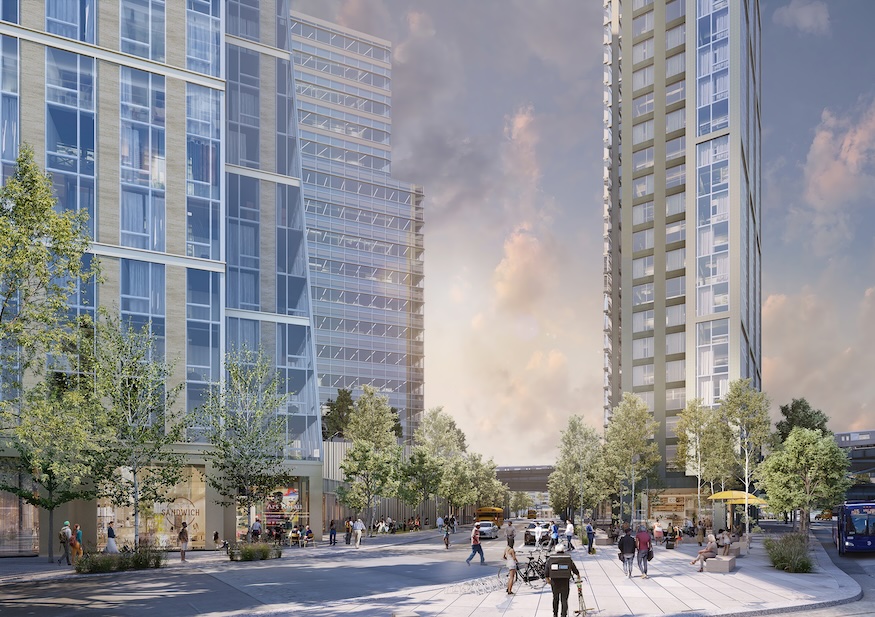
With ULURP approval now secured, Herkimer-Williams moves from proposal to a cleared path for development at Broadway Junction. If built as described, the project would bring a substantial number of new affordable apartments near one of the borough’s most important transit hubs, while adding public open space and community facility space intended to serve local needs. The planned mix of retail, commercial, and industrial space signals an effort to pair housing growth with job opportunities and services, including early-phase programming through the proposed East New York Green Economy Institute to support entrepreneurs and job seekers.
Project elements outlined for the development include:
Totem says it has logged more than 100 touchpoints with East New York community leaders and members during the planning process. Beyond the physical buildout, the proposal also includes community services and programming described as long requested by residents — including an East New York Green Economy Institute planned for the first phase to support local entrepreneurs and job seekers.