

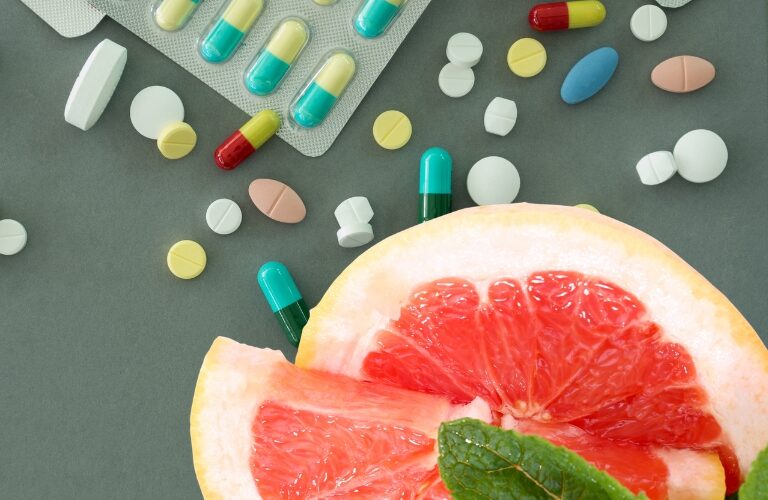
Have you ever grabbed a pomelo for a refreshing snack, only to wonder if it might mess with your medication? You’re not alone. In New York City, where pomelo has become almost as common as apples in local markets and menus, medical professionals are sounding the alarm about potential risks. That beloved citrus could do more than brighten your palate—it may also alter the way some prescription drugs behave in your system.
Whether you’re shopping the vibrant stands of Chinatown or picking up groceries in Manhattan, pomelo is everywhere. But before you peel into one, medical experts urge you to stop and consider: does this fruit play nice with your meds?
The Scoop: Pomelo and Medication Don’t Always Mix
What’s the big deal about pomelo? Much like its cousin, the grapefruit, pomelo harbors compounds that mess with enzymes responsible for processing certain drugs. These enzymes, especially those in your liver and digestive tract, help break down medication. When pomelo steps in and blocks them, your body can’t metabolize your medicine as intended.
The result? Medications might hang around in your bloodstream longer or hit harder than expected, upping the chances of side effects—or even dangerous reactions.
Put simply: the same dose you’ve been taking could suddenly feel much more potent.
Pomelo’s NYC Popularity Boom
If you’ve noticed more pomelo turning up on fruit stands and in salads across NYC, you’re not imagining things. The fruit’s sweet flavor and gentle tartness have made it a go-to for health-focused New Yorkers. Flushing, Sunset Park, the Lower East Side—you’ll find pomelo everywhere, topping breakfast bowls and even dessert.
It’s easy to see why folks love it: pomelo is packed with vitamin C, fiber, and potassium, all for a low calorie count. For many, it feels like a no-brainer health choice—unless they’re also taking medication.
That healthy appearance, doctors warn, can lull people into a false sense of security if prescriptions are in the mix.

The Local Impact: Everyday Health Risks
Let’s be real—this isn’t just a rare problem. In a city where millions rely on medication for everything from high blood pressure to anxiety, pomelo’s enzyme-blocking action can have real-world consequences.
If your prescription comes with a grapefruit warning, pomelo is on the same list. Statins, blood pressure drugs, sedatives, heart rhythm meds, and immunosuppressants are all potentially affected. Imagine dealing with dizziness on the subway, or a stronger-than-expected medication surge at work—it can happen.
- Cholesterol-lowering statins
- Blood pressure medications
- Anti-anxiety and sedative drugs
- Certain heart rhythm treatments
- Immunosuppressants
Pharmacists across the city frequently recommend skipping pomelo if your meds mention grapefruit at all.
The Bigger Picture: Not All Healthy Foods Are Risk-Free
Pomelo’s risk factor is part of a wider realization among health-conscious New Yorkers: just because a food is natural doesn’t mean it’s always compatible with medication. Pomelo, like other citrus, contains compounds that slow down CYP3A4, a key player in drug breakdown. When this pathway is blocked, drugs can stick around in your system much longer—sometimes hours after you’ve eaten the fruit.
Spacing out your pomelo and pills sounds logical, but unfortunately, it isn’t a reliable fix. The effect lingers, so your safest bet is to talk to your healthcare provider.
So, What Should You Do?
If you’re eyeing that pomelo and take any daily meds, here’s what health experts suggest:
- Read your labels: Any grapefruit warnings? Treat pomelo the same way.
- Get professional advice: Ask your pharmacist or doctor before you snack.
- Avoid pomelo juice: It may be even more concentrated than the fruit.
- Monitor yourself: Look out for sudden drowsiness, dizziness, or other odd symptoms.
- Don’t guess: Even a little pomelo can make a difference.
If you’ve just started a new prescription or changed your dose, best practice is to hold off on pomelo until you get the green light from your health provider.

Looking Ahead: Growing Awareness
As pomelo’s popularity rises, so does the number of conversations about mixing food and meds in NYC. People are getting more savvy, asking their pharmacists about drug-food interactions and how to keep themselves healthy.
The bottom line? Pomelo is a nutritional win—but only if it won’t interfere with your treatment.
Before you dig in, take a few minutes to check with your doctor or pharmacist. It could make all the difference in keeping you—and your prescription—on track.
Quick Answers to Common Questions
Is pomelo with medication risky?
Yes, it can be. Like grapefruit, pomelo can boost medication strength and risk side effects.
Can I enjoy pomelo if I take meds every day?
It all depends on your medication. If there’s any grapefruit warning, steer clear unless your healthcare provider says otherwise.
Will waiting between pomelo and meds help?
Not necessarily. The effects can last for several hours, so timing alone isn’t enough to stay safe.


















Leave a Reply