

As New York heads into 2026, one reality is hard to ignore: healthcare costs are rising, and the best way to protect your wallet and your quality of life is to stay healthier—so you’re less likely to end up in the hospital for preventable issues. That doesn’t require a perfect lifestyle. It requires consistent habits that fit NYC life: walking more, sleeping better, eating smarter, managing stress, and staying on top of preventive care. Here are 10 practical, New Yorker-friendly habits, written for real schedules, real commutes, and real budgets, and a borough-by-borough list of reliable places to walk.
Where to Walk in Each Borough (Easy, Repeatable Options)
Manhattan
- Central Park (Reservoir loop or main drives)
- Hudson River Park/Hudson River Greenway (riverside paths)
- East River Esplanade (where accessible)
Brooklyn
- Prospect Park (main loop and interior paths)
- Brooklyn Bridge Park (waterfront paths and piers)
- Shore Parkway Greenway (long, flatter walks)
Queens
- Flushing Meadows–Corona Park (wide paths, open space)
- Forest Park (trails + paved paths)
- Astoria Park (views + track area)
The Bronx
- Van Cortlandt Park (paths and trails)
- Pelham Bay Park (NYC’s largest park; trails and shoreline areas)
- Bronx River Greenway (where accessible)
Staten Island
- Staten Island Greenbelt (trails and nature walks)
- Clove Lakes Park (paths around the lakes)
- South Beach/Franklin D. Roosevelt Boardwalk (open, flat walking)
1) Walk Daily Like It’s Preventive Care
Walking is one of the most affordable “health plans” in the city. It supports heart health, weight management, mood, and blood sugar control—without requiring a gym membership. A realistic goal is 20–30 minutes of intentional walking most days (or two 10–15 minute walks).
2) Strength Train Twice a Week
Strength training helps protect your back, knees, and shoulders—important in a city of stairs, bags, standing, and long days. A simple twice-weekly routine can be enough: squats, push-ups (or incline push-ups), rows (band), and planks.
3) Eat a “Real” Breakfast (protein + fiber)
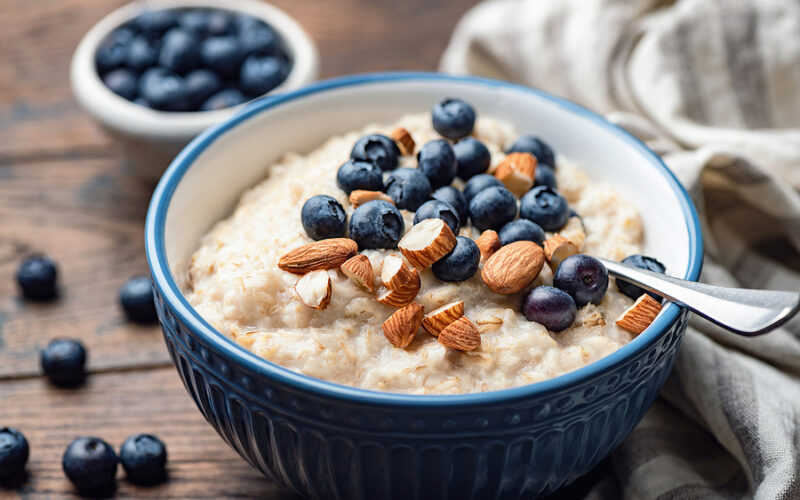
A steady breakfast can reduce cravings and energy crashes that lead to expensive, unhealthy convenience meals later. Think: eggs + fruit, Greek yogurt + berries + nuts, oatmeal + peanut butter, or a smoothie with protein.
4) Hydrate On a Schedule
Dehydration can look like fatigue, headaches, and cravings—especially in winter (dry heat) and summer (humidity). A simple NYC habit: drink water before coffee, before lunch, and on the way home.
5) Use the “Half-Plate” Rule When Eating Out
You don’t have to stop eating out in NYC—you need a default strategy. Aim for about half your meal to be vegetables or fruit when possible (salad, side veggies, greens, beans, veggie-heavy soups).
6) Protect Sleep Like an Appointment
Sleep supports immune health, metabolism, blood pressure, and mental clarity. In NYC, noise and late nights can wreck consistency fast, so a “sleep window” matters. Build a reliable bedtime range most nights, use white noise/earplugs if needed, and cut screens about 30 minutes before bed.
7) Manage Stress Before it Manages You
Stress doesn’t stay “in your head.” Over time it can impact blood pressure, sleep, eating habits, and overall health. Pick one daily reset that isn’t scrolling: a short walk, stretching, breathing, journaling, prayer/meditation, or reading.
8) Book preventive care early in the year
Waiting turns small problems into expensive problems. Preventive care lowers the odds of avoidable hospital visits and helps you catch issues early. Put these on your Q1 list: annual physical, dental cleaning, vision check, and any screenings your clinician recommends.
9) Know Your Key Health Numbers
Many serious health issues build quietly. Knowing your numbers helps you take action early. Ask about blood pressure, cholesterol, blood sugar/A1C (if relevant), and weight/waist trend.
10) Build Community Into Your Routine
Healthy habits stick better when they’re social. NYC can be crowded, and still lonely connection is a health strategy. Try a weekly walking meetup, a class, volunteering, a faith community, or a standing “no-cancel” check-in with a friend.












Leave a Reply